
 Spain
Spain
Archaeological Ensemble of Tarraco
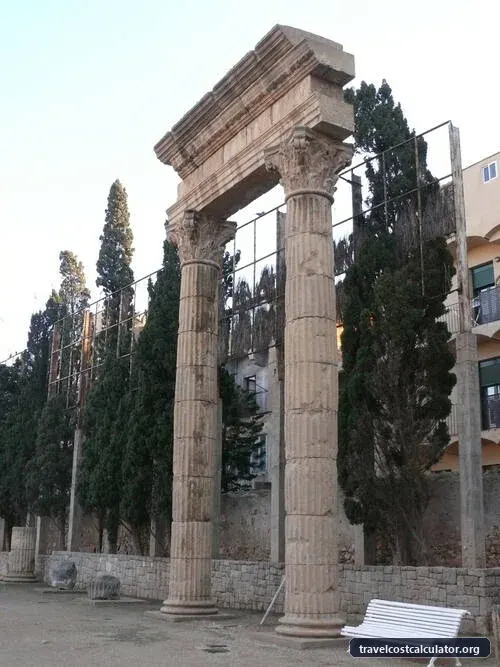
Tarraco (modern-day Tarragona) was a major administrative and mercantile city in Roman Spain and the centre of the Imperial cult for all the Iberian provinces.
Archaeological Ensemble of Tarraco
🏛️ Overview & Historical Significance
Rising dramatically above the sapphire waters of the Balearic Sea, the Archaeological Ensemble of Tarraco in Tarragona, Catalonia, stands as one of the most magnificent preserved centers of Roman civilization in Europe. Inscribed as a UNESCO World Heritage Site in 2000, Tarraco holds immense historical weight as the oldest Roman settlement on the Iberian Peninsula, originally established during the Second Punic War in 218 BCE by Scipio Africanus.
As the capital of the vast Roman province of Hispania Tarraconensis, Tarraco served as the administrative, military, and economic heart of imperial rule in western Europe. Roman emperors Augustus and Hadrian both resided in the city, directing imperial affairs from its sun-drenched terraced hills. UNESCO designated the site for its exceptional universal value, noting that the architectural remains present an unmatched testimony to Roman urban planning and grand architecture designed to fit sea-facing topography.
What makes Tarraco truly extraordinary in 2026 is its living integration. Unlike isolated ruins, Tarraco's ancient structures—including a seaside amphitheatre, an intact aqueduct, a massive circus for chariot racing, and 3rd-century BCE fortified walls—are seamlessly woven into the vibrant fabric of modern Tarragona. Visitors can sip local Priorat wine inside 2,000-year-old subterranean circus vaults or gaze across the Mediterranean from the exact stone tiers where gladiator games once thrilled 14,000 spectators.
🎟️ Entrance Fees, Opening Hours & Ticket Booking Tips
Visiting Tarraco's scattered ruins is remarkably cost-effective compared to major European monuments. The city of Tarragona manages the main municipal sites under the Museu d'Història de Tarragona (MHT) umbrella.
2026 Entry Ticket Breakdown
-
✦
Tarragona History Museum Combined UNESCO Pass (Entrada Conjunta): €15.00 EUR ($16.50 USD). This ticket offers full access to four primary municipal monuments: the Roman Amphitheatre, Roman Circus & Praetorium, the Archaeological Promenade (Roman Walls), and the Local Forum. Valid for 3 consecutive days.
-
✦
Single Monument Entry: €5.50 EUR ($6.00 USD) per individual site if you only wish to see one or two monuments.
-
✦
Les Ferreres Aqueduct (Pont del Diable): FREE. Located 4 km north of the city center in a public park, accessible year-round without admission charges.
-
✦
National Archaeological Museum of Tarragona (MNAT - Tinglado 4 Temporary Exhibition): €5.00 EUR ($5.50 USD). Offers deep contextual artifacts, mosaics, and Roman sculptures.
-
✦
Reduced Admission Rate: €8.00 EUR ($8.80 USD) for seniors (65+), students with valid ID, and youth aged 12–16. Children under 12 enter free.
Opening Hours & Timing Strategy
Municipal sites operate under seasonal schedules:
-
✦
Summer Hours (May 1 to September 30): Tuesday to Saturday: 9:30 AM – 8:30 PM. Sundays & Public Holidays: 9:30 AM – 2:30 PM. Closed Mondays.
-
✦
Winter Hours (October 1 to April 30): Tuesday to Saturday: 9:30 AM – 6:00 PM. Sundays & Public Holidays: 9:30 AM – 2:30 PM. Closed Mondays.
Booking Hack: Avoid queuing at the site entrances by purchasing your combined ticket online via the official Tarragona Tourism portal or directly at the Praetorium ticket office, which features shorter lines than the Amphitheatre. Additionally, municipal monuments offer free entry on the last Sunday of every month, though crowds are significantly higher.
🚌 How to Get There & Local Transit Costs
Tarragona is located along Catalonia's Costa Daurada, approximately 90 kilometers (56 miles) south of Barcelona Travel Budget, making it easily accessible for a day trip or an overnight stay.
From Barcelona by Regional Train (Recommended)
The most convenient way to reach Tarraco is via Renfe Regional trains departing from Barcelona-Sants or Passeig de Gràcia stations directly to Estació de Tarragona (City Center).
-
✦
Train Lines: Regional Express (R16 or R17 lines).
-
✦
Travel Time: 1 hour 10 minutes.
-
✦
2026 Ticket Cost: €8.80 – €11.50 EUR ($9.50 – $12.50 USD) one-way.
-
✦
Advantage: The central Tarragona station lands you at the foot of the old town, a quick 7-minute walk up to the Mediterranean Balcony and Roman Amphitheatre.
From Barcelona by High-Speed Train (AVE / Ouigo / Iryo)
-
✦
Destination: Camp de Tarragona Station.
-
✦
Travel Time: 30 minutes from Barcelona-Sants.
-
✦
Ticket Cost: €9.00 – €35.00 EUR ($10.00 – $38.00 USD) depending on advance booking.
-
✦
Transit Note: Camp de Tarragona is located 12 km (7.5 miles) outside the city center. You must take the connecting EMT Shuttle Bus Line 28 (€3.50 EUR / $3.85 USD, 25 minutes) or a taxi (€28.00 – €35.00 EUR / $30.00 – $38.00 USD) to reach the historical sites.
Local Transit within Tarragona
Tarragona's historical core (Part Alta) is overwhelmingly walkable. However, reaching the Pont del Diable Aqueduct requires local transit:
-
✦
City Bus to Aqueduct: Take EMT City Bus Line 5 or Line 85 from Plaza Imperial Tàraco directly to the "Pont del Diable" stop. Single ride: €1.60 EUR ($1.75 USD).
-
✦
City Taxi: Intra-city rides within Tarragona average €8.00 – €12.00 EUR ($8.80 – $13.00 USD).
📸 Best Photography Spots & Insider Visit Hacks
Top Photography Angles
-
✦
Balcó del Mediterrani (Mediterranean Balcony): Stand at the iron railing at the end of Rambla Nova for an iconic elevated panoramic photo framing the oval Roman Amphitheatre directly against the shimmering blue sea. Best time: Sunrise to mid-morning.
-
✦
Roof of the Praetorium Tower (Torre del Pretori): Offers a 360-degree vantage point over Tarragona's medieval rooftops, the Roman Circus, and the Gothic Cathedral tower. Best time: Late afternoon for warm light.
-
✦
Pont del Diable Upper Deck: Walk along the top of the double-tiered aqueduct, capturing vanishing-point photos of ancient stones slicing through dense pine forests. Best time: Golden hour (1 hour before sunset).
-
✦
Circus Subterranean Vaults: Capture moody shadow-play photographs beneath the monumental brick vaults of Saint Hermenegild. Use a wide lens and night mode on your camera.
Insider Visit Hacks
-
✦
Beat the Heat & Crowds: Summer in Catalonia brings high humidity and temperatures around 32°C (90°F). Visit outdoor monuments (Amphitheatre and Archaeological Walls) early at 9:30 AM, saving the air-conditioned MNAT museum or underground Circus vaults for the scorching 1:00 PM – 4:00 PM window.
-
✦
The Secret Path to Pont del Diable: Combine your aqueduct photo session with a hike through the surrounding *Parc Eco-històric del Pont del Diable*. Pack a light lunch to enjoy at the shaded picnic area near the base of the aqueduct.
-
✦
Experience Tarraco Viva (May 2026): If planning your visit for spring, align your dates with the annual Tarraco Viva Festival. The city comes alive with gladiatorial combat, ancient Roman cooking workshops, and historical reenactments inside original Roman venues.
🏨 Nearby Accommodation & Daily Budget Allocation
Staying overnight in Tarragona allows you to experience the ancient city after day-tripping crowds return to Barcelona. Below is a realistic 2026 financial guide for planning your trip.
2026 Daily Budget Allocation (Per Person)
-
✦
Budget Traveler: €65.00 – €85.00 EUR ($70.00 – $93.00 USD) per day. Covers hostel dorm or budget room, combined UNESCO entry pass, local bus transit, and traditional Menú del Día lunches.
-
✦
Mid-Range Traveler: €140.00 – €210.00 EUR ($153.00 – $230.00 USD) per day. Covers a 3-star boutique hotel in the historic quarter, regional train fare, full monument passes, and evening seafood dining in the harbor.
-
✦
Luxury Traveler: €320.00+ EUR ($350.00+ USD) per day. Covers a premium sea-view hotel, private guided archaeological tour, fine dining tasting menus, and private transfers.
Recommended Stays Near the Ensemble
-
✦
Budget: Tarragona Hostel or B&B Hotel Tarragona Centre. Clean, central accommodations within walking distance of the train station and Part Alta. (€30.00 – €60.00 EUR / $33.00 – $66.00 USD per night).
-
✦
Mid-Range: Hotel Plaça de la Font. Located directly above the ancient Roman Circus footprint in a bustling, central square filled with outdoor dining. (€85.00 – €130.00 EUR / $93.00 – $142.00 USD per night).
-
✦
Luxury / Upper Mid-Range: H10 Imperial Tarraco. A stunning 4-star superior hotel situated right beside the Roman Amphitheatre featuring an infinity rooftop pool overlooking the ocean and ruins. (€160.00 – €280.00 EUR / $175.00 – $306.00 USD per night).
Culinary Tips
Don't leave Tarragona without sampling Romesco, a rich local sauce crafted from roasted nuts, dried red peppers (nyora), garlic, and olive oil. Head down to the seaside fishing district of El Serrallo to pair Romesco with fresh Mediterranean seafood or indulge in a seaside Arrossada (seafood rice dish) for approximately €18.00 – €25.00 EUR ($20.00 – $27.00 USD).
Frequently Asked Questions
Essential visitor FAQs for Archaeological Ensemble of Tarraco
What is the entrance fee for the Archaeological Ensemble of Tarraco in 2026?
How much time do you need to explore the Archaeological Ensemble of Tarraco?
How do I get to Tarraco from Barcelona in 2026?
📊 Heritage Quick Specs
Visiting Spain on a Budget?
Calculate your full daily travel budget for Spain — including hotel costs, local transport, food, and sightseeing expenses.
View Spain Daily Travel Costs →Explore more UNESCO World Heritage Sites
🏛️ All 1,200+ Heritage Sites →