
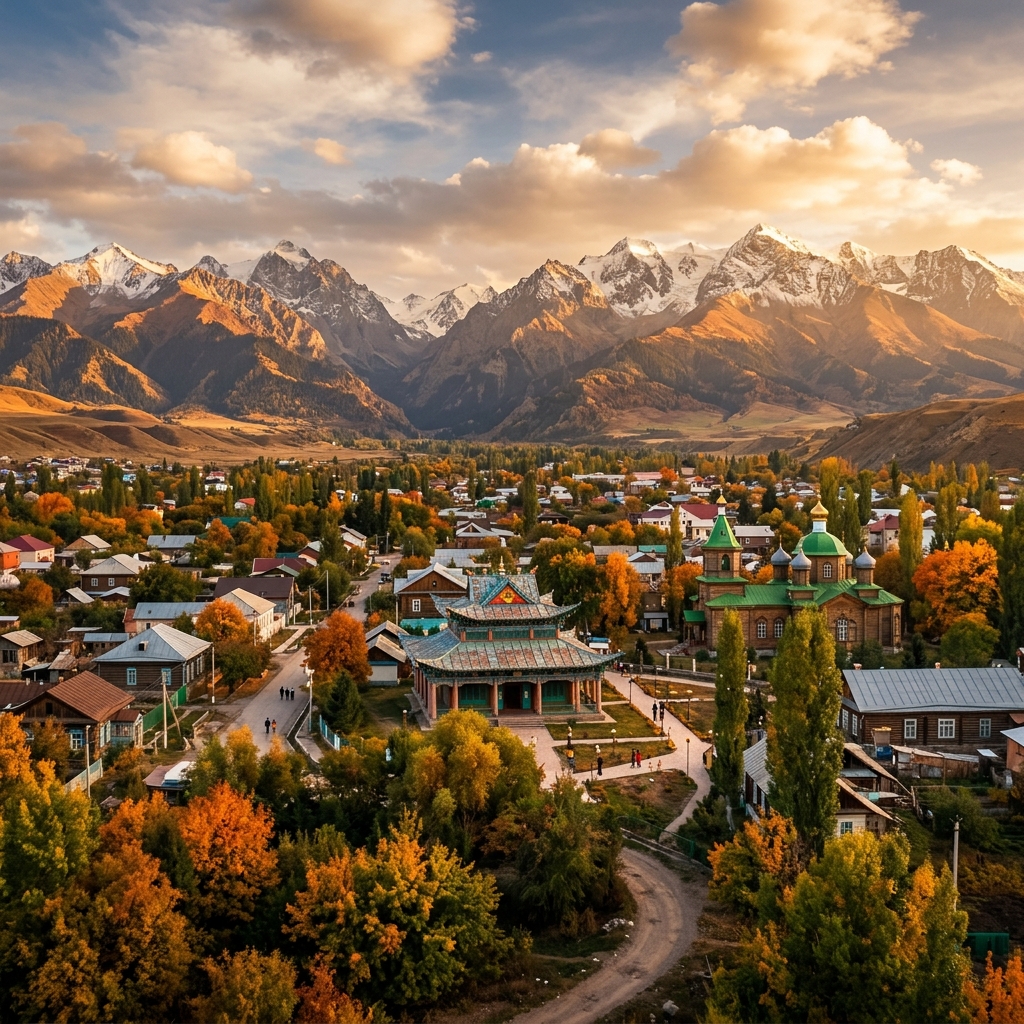
Nestled in the shadows of the majestic Central Tian Shan mountains near the eastern edge of Lake Issyk-Kul Travel Budget, Karakol has earned its reputation as Kyrgyzstan’s undisputed adventure capital. Whether you are aiming to conquer high-altitude alpine passes like Ala-Kul, soak in natural thermal springs in the Altyn-Arashan valley, or carve deep powder off-piste at Karakol Ski Base, timing your trip is the single most crucial planning decision you will make. In 2026, Karakol continues to offer an incredible blend of mountain scenery, vibrant Dungan and Kyrgyz cultures, and unmatched travel value for international visitors.
To help you maximize your journey while maintaining full control of your finances, this 2026 destination guide breaks down Karakol’s distinct weather seasons, peak activity windows, and real-world daily budgets across three distinct traveler tiers.
Karakol Season-by-Season Guide for 2026
Karakol experiences a sharp continental mountain climate. The contrast between summer hiking conditions and winter snow coverage means your ideal travel window depends entirely on the experiences you seek.
1. Summer (July through September) – Peak Trekking & Outdoor Season
Summer is undeniably the prime season for mountain lovers in Karakol. By early July, winter snow melts off high mountain passes like the famous Ala-Kul Pass (3,860 meters), opening up multi-day backcountry routes to trekkers. Day temperatures in Karakol town hover comfortably between 20°C and 27°C (68°F–80°F), though alpine campsite nights regularly drop toward freezing.
- Pros: Ideal weather for trekking, open yurt camps across alpine pastures (jailoos), full accessibility to Altyn-Arashan, Jeti-Oguz, and Ak-Suu valleys.
- Cons: Highest accommodation rates of the year, busier trails, and high demand for local 4WD drivers.
- Best For: Multi-day trekking, alpine camping, horse riding, and cultural yurt stays.
2. Winter (December through March) – Powder & Ski Season
When snow blankets the Tian Shan, Karakol transforms into Central Asia’s top freeride ski hub. Karakol Ski Base, situated just 20 minutes from town at an altitude of 2,300 to 3,048 meters, provides world-class tree skiing and untouched backcountry powder at a fraction of North American or European resort prices. Town temperatures range from -2°C to -15°C (28°F to 5°F).
- Pros: Exceptional powder snow, uncrowded slopes during weekdays, inexpensive lift passes, and cozy hot spring day trips.
- Cons: High mountain trekking passes are completely closed; driving conditions require 4WD vehicles with snow chains.
- Best For: Downhill skiing, freeride snowboarding, snowshoeing, and winter hot springs.
3. Shoulder Seasons (May to June & October) – Wildflowers & Autumn Colors
Late spring brings lush green valleys and wild alpine floral blooms, while October paints Karakol’s famous birch and poplar groves in vivid shades of amber and gold. During these shoulder months, crowds vanish, and guest houses drop their rates significantly.
- Pros: Lower prices, quieter town atmosphere, stunning photography opportunities in lower elevation valleys.
- Cons: High mountain passes remain snow-bound or unstable; mud season can complicate day hikes; unpredictable rain and cold snaps.
- Best For: Cultural sightseeing, low-altitude day hikes, culinary exploration, and photography.
4. Low Season (April & November) – The Transition Months
April (spring melt) and November (early freeze) mark Karakol’s off-peak operational window. Ski operations are closed, high-altitude trails are inaccessible, and many seasonal tour operators close briefly to refresh services.
- Pros: Rock-bottom rates on lodging, zero tourist crowds.
- Cons: Grey weather, slushy or muddy roads, limited mountain access, and closed mountain camps.
- Best For: Digital nomads seeking low-cost basecamps or ultra-budget road-trippers passing through the Issyk-Kul loop.
2026 Karakol Daily Travel Budgets
Karakol remains one of the most affordable mountain destinations on earth. Below are realistic 2026 daily expenditure benchmarks to help you forecast your travel budget accurately based on your travel style.
Backpacker Tier (~$32 / day)
The Backpacker Budget Planner allows you to experience Karakol’s legendary trails and food culture comfortably without overspending.
- Accommodation: $17/night (Dorm bed in a well-rated Karakol hostel or basic family-run homestay with shared bathroom).
- Food & Drinks: $10/day (Self-catering breakfasts, Street Food & Meal Cost Index like Dungan Ashlan-fu, fresh samsas, and local dining halls).
- Local Transport: $5/day (Using public marshrutkas within town and shared minivans to trailhead junctions).
Standard / Mid-Range Tier (~$91 / day)
Mid-range travelers enjoy charming boutique guest houses, comfortable private rooms, guided excursions, and excellent sit-down dinners at local spots.
- Accommodation: $58/night (Private room in a scenic Karakol guest house or 3-star hotel including hot breakfast).
- Food & Drinks: $23/day (Mix of traditional Kyrgyz restaurants, coffee shops, and hearty multi-course evening meals).
- Local Transport: $10/day (Local Yandex/private taxis in town and shared 4WD transfers to trailheads).
Luxury Tier (~$262 / day)
Luxury travelers in Karakol can secure premium mountain chalets, private 4WD vehicles with dedicated drivers, and bespoke guided mountain treks.
- Accommodation: $173/night (Modern alpine resort chalet, high-end boutique lodge, or luxury private yurt suite).
- Food & Drinks: $58/day (Fine dining at Karakol's top heritage establishments, private chef experiences, and premium wine/craft drinks).
- Local Transport: $31/day (Dedicated private UAZ/4WD charter for seamless valley navigation and trailhead drops).
Detailed Cost Breakdown by Category (2026 Rates)
Understanding exact prices for food, gear, transport, and lodging ensures you won't encounter financial surprises while traveling across the Issyk-Kul region in 2026.
Accommodation Insights
Karakol’s accommodation market is dominated by warm, community-based guest houses run by local families. In 2026, backpackers can secure clean, heated hostel dorm beds for roughly $15–$19 per night. Mid-range private rooms in beautiful properties average around $55–$65 per night, often featuring rich timber architecture and generous home-cooked breakfasts. For top-end comfort—such as high-end eco-lodges near the base of the mountains—expect to budget around $160–$190 per night.
Food & Culinary Experiences
Karakol is famous across Central Asia for its unique ethnic Dungan cuisine. You can feast on a cold, spicy bowl of Ashlan-fu (vinegar noodle soup served with fried starch) at the Karakol Small Bazaar for under $2. A filling plate of hand-pulled Lagman noodles or beef Plov at a local canteen runs $3.50–$5.00. For a complete sit-down dinner at a top restaurant, expect to pay around $12–$20 per person including tea and sides.
Transportation Costs
Getting around Karakol town is remarkably cheap. City minibuses (marshrutkas, like routes #101 or #109) cost under $0.30 per ride. Taxis across town via local ride-hailing apps cost between $1.50 and $3.00. However, entering rugged mountain canyons like Altyn-Arashan requires heavy-duty transport; chartering an iconic Soviet UAZ 452 "Buhanka" van costs roughly $45–$65 per vehicle, which can be Split Travel Budget among up to six passengers.
Sightseeing & Outdoor Gear Costs
- Karakol Ski Base Lift Pass (2026): ~$20–$26 for a full-day lift ticket.
- Ski / Snowboard Equipment Rental: ~$12–$18 per day in Karakol town.
- Ala-Kul National Park Entrance Fee: ~$3.50 per person plus vehicle fee.
- Altyn-Arashan Thermal Baths Entry: ~$4–$6 per person for a private hot spring cabin.
- Sunday Karakol Animal Market: Free entry (runs early Sunday mornings; local taxi costs ~$3 round-trip).
Pro Money-Saving Tips for Karakol in 2026
Maximize your travel funds in Karakol with these practical local strategies:
- Rent Gear in Town, Not at Trailheads: If you are embarking on the Ala-Kul trek or skiing at the mountain base, rent tents, sleeping bags, stoves, or skis from town rental shops in Karakol rather than at resort locations for savings of 30% to 50%.
- Team Up for 4WD Charters: Mountain trailheads (like the rugged track up to Altyn-Arashan) require specialized 4WD vehicles. Connect with fellow travelers at local hostels or visitor centers to split vehicle rental costs.
- Eat at the Dungan Food Stalls: Skip international tourist cafes for lunch and visit the Dungan food row near the city center bazaar for authentic, budget-friendly culinary highlights.
- Travel by Shared Minivan (Marshrutka): When arriving from Bishkek Travel Budget (Western Bus Station), opt for regular shared minivans (~$6–$8 USD) instead of private taxis (~$50–$70 USD). The scenic journey along Lake Issyk-Kul takes roughly 5 to 6 hours.