
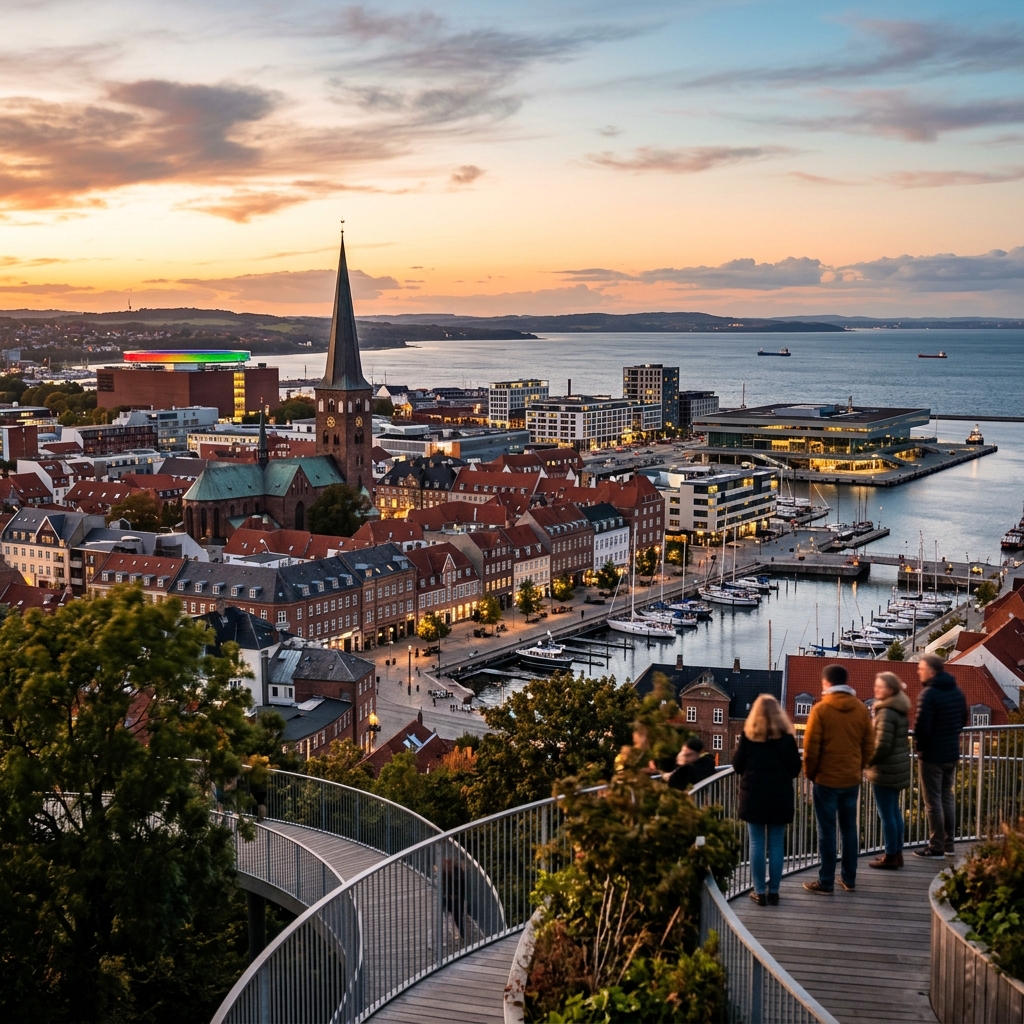
Denmark is world-renowned for its high quality of life, progressive urban planning, and robust economy. However, for foreign travelers, it also carries a reputation for high prices. As Denmark’s second-largest city and dynamic cultural hub, Aarhus Travel Budget presents an intriguing case study in regional economics. Known as Smilets By (The City of Smiles), Aarhus offers a vibrant mix of Nordic architecture, world-class gastronomy, and historical charm—all set against a backdrop of a high-cost Scandinavian economy.
To plan an efficient trip in 2026, understanding the Purchasing Power Index (PPI) of Aarhus is essential. Purchasing power measures how much goods and services a specific unit of currency can buy relative to local living costs. While the Danish Krone (DKK) remains strong and local tax structures—including a standard 25% Value Added Tax (MOMS)—keep retail prices elevated, foreign travelers can strategically leverage local market dynamics to extract exceptional value. Compared to Copenhagen Travel Budget, Aarhus offers a slightly higher purchasing power leverage for visitors, delivering a similar high-end Nordic experience at a more approachable price point.
Navigating the Purchasing Power Index in Aarhus for 2026
When evaluating purchasing power in Scandinavia, it helps to understand why baseline costs are high. High local wages, comprehensive social safety nets, and strict environmental regulations naturally raise the floor for baseline prices in Aarhus. In 2026, a dollar or euro spent in Denmark buys fewer tangible items than it might in Southern Europe or Southeast Asia. However, the quality guarantee across infrastructure, food safety, clean water, public transit, and cultural maintenance is among the highest in the world.
For international visitors, realizing high value in Aarhus is about understanding where local purchasing power works in your favor. Public services, world-class museums, clean public spaces, and highly efficient transport networks mean that your spending directly translates into an uncompromised travel standard. By aligning your spending habits with how locals navigate their own economy, you can significantly expand your daily purchasing power.
2026 Financial Benchmarks: Daily Budget Tiers for Aarhus
To help you accurately forecast your travel costs in 2026, we have established real-world daily financial benchmarks across three primary spending tiers. These figures reflect baseline daily expenditures for accommodation, food, and urban transit in Aarhus.
- Backpacker Tier: Approximately $91/day (Accommodation: $50, Food: $28, Transport: $13)
- Standard / Mid-Range Tier: Approximately $259/day (Accommodation: $165, Food: $66, Transport: $28)
- Luxury Tier: Approximately $748/day (Accommodation: $495, Food: $165, Transport: $88)
Below is a detailed breakdown of how spending distributes across these three tiers, helping you map out your financial plan based on your preferred level of comfort and convenience.
Tier 1: The Savvy Backpacker (~$91 / day)
The backpacker tier requires deliberate management of local purchasing power. By utilizing modern hostel dormitories, self-catering options, local supermarkets, and walking or city cycling, you can keep daily core costs under control.
- Accommodation ($50/night): A bed in a well-equipped central hostel (such as Book1 Design Hostel or Danhostel Aarhus City). Prices fluctuate seasonally, but booking early in 2026 secures solid rates.
- Food ($28/day): Breakfast sourced from local bakeries or grocery stores like Netto, Rema 1000, or Lidl; lunch consisting of classic Danish open-faced sandwiches (smørrebrød) or street eats; dinner cooked in hostel kitchens or grabbed from affordable bakery counters.
- Transport ($13/day): Single-ride transit tickets on Midttrafik buses or the Letbanen light rail, combined with extensive walking or short-term bike rentals via app-based bike-share systems.
Tier 2: The Standard Mid-Range Traveler (~$259 / day)
The mid-range budget unlocks the true sweet spot of Scandinavian lifestyle design. You will enjoy boutique hotels, comfortable sit-down dining, and full access to regional public transportation without overspending.
- Accommodation ($165/night): A stylish private room in a 3-star or 4-star hotel located near the historic Latin Quarter (Latinerkvarteret) or inner harbor area (e.g., Radisson RED Aarhus or Hotel Oasia).
- Food ($66/day): A coffee and pastry at a local café, lunch at the bustling Aarhus Street Food hall (Rutebilstationen), and a 2-course dinner at a cozy modern Nordic bistro.
- Transport ($28/day): Unlimited day passes for public transit (including Letbanen light rail to outer zones) or day-long bicycle rentals via Donkey Republic.
Tier 3: Premium & High-End Luxury (~$748 / day)
At the luxury tier, Aarhus offers ultra-exclusive experiences that easily rival global capitals, supported by Michelin-starred culinary venues and personalized VIP services.
- Accommodation ($495/night): A suite at a premium property such as Villa Provence or a luxury harborside hotel room with panoramic views of the Aarhus Docklands (Aarhus Ø).
- Food ($165/day): Multi-course tasting menus at renowned culinary institutions (such as Michelin-starred Gastromé or Michelin-starred Frederikshøj), paired with fine wines and artisanal breakfasts.
- Transport ($88/day): Private chauffeur transfers, luxury taxi rides, or private fjord boat charters along the coastline.
Comprehensive Cost Breakdown: Where Your Dollars Go in 2026
1. Accommodation Spending Power
Accommodation in Aarhus reflects Denmark's real estate demand and strict construction standards. While you will pay more per square meter than in Southern Europe, hotels in Aarhus excel in design, energy efficiency, and complimentary amenities (such as high-speed Wi-Fi and organic breakfast spreads). In 2026, mid-tier rooms average around $165 per night, representing excellent value when considering the central location and top-tier amenities included.
2. Dining & Culinary Purchasing Power
Food prices in Denmark carry a high retail markup due to service labor rates and the 25% MOMS tax. However, the dining quality in Aarhus is exceptional. The local culinary movement prioritizes farm-to-table organic produce, Nordic seafood, and sustainable practices.
- Coffee & Pastry: Expect to spend $6 to $8 for a specialty flat white and a traditional Danish cardamom bun (kardemommesnurre) at places like La Cabra or Great Coffee.
- Street Food & Fast Casual: Aarhus Street Food located in the old bus garage offers world cuisine dishes ranging from $12 to $18 per meal, maximizing food value for mid-range budgets.
- Sit-Down Dining: A standard main course at a mid-range restaurant ranges between $25 and $40. High-end tasting menus range from $130 to $250+ per person before wine pairings.
- Grocery Hacks: Travelers looking to stretch their purchasing power can rely on supermarket chains like Føtex, Netto, and Irma/Coop. Prepared salads, rye bread (rugbrød), cold cuts, and fresh dairy offer high nutrition at budget-friendly prices.
3. Transportation & Mobility Efficiency
Aarhus is an extremely compact, walkable, and cycle-friendly city. The public transportation network operated by Midttrafik—including the city buses and the modern Letbanen light rail—is fast, clean, and completely integrated. In 2026, single transit tickets cost around $3 to $4 per zone, while daily unlimited passes cost roughly $12 to $28 depending on regional coverage. Renting a city bicycle (approx. $15–$20/day) remains one of the most cost-effective ways to navigate like a local.
4. Culture, Sightseeing, and Activity Value
Where your overall purchasing power shines brightest in Aarhus is in its cultural offerings. Ticket prices for world-class cultural landmarks are very reasonable compared to global standards:
- ARoS Aarhus Art Museum: Famous for Olafur Eliasson’s Your rainbow panorama skywalk. Adult entry costs approximately $25–$28, offering hours of world-class contemporary art access.
- Den Gamle By (The Old Town Museum): An open-air historic museum bringing Danish history to life. Entry ranges from $22 to $28 depending on the season.
- Moesgaard Museum: Located just south of the city in a stunning architectural venue focused on prehistory and archaeology. Tickets cost around $24–$27.
- Free Cultural Attractions: Walking around the Latin Quarter, visiting the iconic Dokk1 library hub, exploring the botanical gardens (Botanisk Have), and walking along the Infinite Bridge (Den Uendelige Bro) cost absolutely nothing.
Maximizing Your Purchasing Power: Strategic Travel Hacks for 2026
To ensure your money stretches as far as possible in Aarhus without sacrificing experiences, implement these tested travel strategies:
- Invest in the Aarhus Card: If you plan to visit multiple attractions, the digital Aarhus Card provides exceptional return on investment. It includes free admission to over 30 museums and attractions, as well as unlimited free transport on all Midttrafik buses and Letbanen trains across the entire municipality.
- Leverage Non-EU Tax-Free Shopping: Visitors traveling from outside the European Union can claim VAT refunds (ranging up to 19% back after processing fees) on eligible retail purchases when spending over the minimum threshold in a single store. Look for Global Blue or Planet Tax Free signage in Latinerkvarteret boutiques.
- Embrace the Cashless Economy: Denmark is virtually 100% cashless in 2026. Avoid high currency exchange fees and physical cash exchange counters. Instead, use a credit or debit card with zero foreign transaction fees to ensure you receive the real-time interbank exchange rate on every purchase.
- Dine at Lunch Instead of Dinner: High-end restaurants and Scandinavian bistros often offer lunch menus that mirror their dinner offerings at a 30% to 50% discount, significantly boosting your dining purchasing power.