
 China
Yungang Grottoes
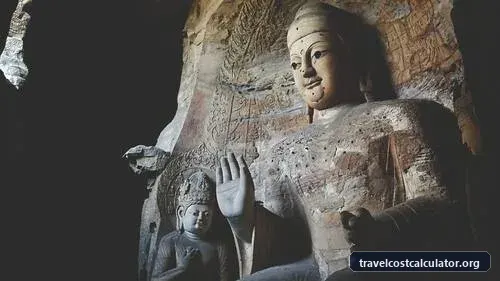
The Yungang Grottoes, in Datong city, Shanxi Province, with their 252 caves and 51,000 statues, represent the outstanding achievement of Buddhist cave art in China in the 5th and 6th centuries.
Yungang Grottoes
🏛️ Overview & Historical Significance
Carved majestically into the southern cliffs of Wuzhou Mountain near Datong, Shanxi Province, the Yungang Grottoes (云冈石窟) stand as one of the world's most breathtaking monumental Buddhist rock-cut architecture sites. Inscribed as a UNESCO World Heritage Site in 2001, Yungang represents the absolute zenith of early Chinese Buddhist cave art during the 5th and 6th centuries AD under the Northern Wei Dynasty (386–534 AD).
What makes Yungang exceptional on a global scale is its role as a cross-cultural crossroads. Following the Northern Wei state endorsement of Buddhism, imperial master monk Tanyao supervised the initial carving of the famous "Five Caves" (Caves 16 to 20) starting in 460 AD. The artistic execution displays an astonishing synthesis of international artistic influences: Gandharan Buddhist sculpture from ancient India, Hellenistic Greek-inspired drapery, Greco-Roman architectural elements, Central Asian facial features, and traditional Han Chinese decorative motifs.
The site spans across 45 major caves, 252 smaller niches, and over 51,000 individual statues ranging from delicate two-centimeter figures to a colossal 17-meter seated Buddha. UNESCO designated Yungang a World Heritage Site because it preserves a complete, perfectly recorded chronological evolutionary phase of Chinese art—marking the transition from early foreign-influenced Buddhist styles to fully Sinicized imperial court art.
🎟️ Entrance Fees, Opening Hours & Ticket Booking Tips
Planning your visit budget in 2026 requires understanding the seasonal rate adjustments, transport add-ons, and real-name ticketing system implemented across Chinese major heritage sites.
2026 Estimated Ticket Pricing
-
✦
Peak Season Entrance Ticket (April 1 – October 31): ¥120 CNY (approx. $16.80 USD) per adult.
-
✦
Off-Peak Season Entrance Ticket (November 1 – March 31): ¥100 CNY (approx. $14.00 USD) per adult.
-
✦
Student Concessions (Undergraduate with valid ID): 50% discount on standard admission (¥50–¥60 CNY / approx. $7.00–$8.40 USD).
-
✦
Seniors & Children: Seniors aged 60+ (with passport) and children under 1.2 meters enter free (reservation still required).
-
✦
Scenic Electric Shuttle Cart (Round-Trip): ¥15 CNY (approx. $2.10 USD). Highly recommended, as it covers the 1.5 km walk between the main visitor center/Lingyan Temple and the cave entrances.
-
✦
Audio Guide Rental / Smart Bluetooth Headset: ¥40 CNY (approx. $5.60 USD) + ¥100 deposit, available in English, French, Japanese, and Korean.
Opening Hours (2026 Schedule)
-
✦
Peak Season: 08:00 – 18:00 (Ticket sales & entry close at 17:00).
-
✦
Off-Peak Season: 08:30 – 17:00 (Ticket sales & entry close at 16:00).
Crucial Booking Tips for 2026 Visitors
China operates an absolute real-name ticket reservation system. Daily visitor numbers are capped to preserve the fragile sandstone sculptures. International travelers should book tickets 1 to 7 days in advance through the official Yungang Grottoes WeChat Official Account or via international booking platforms like Trip.com. You MUST bring your physical original passport on the day of your visit; digital photos or photocopies will not scan at the automated entry turnstiles.
🚌 How to Get There & Local Transit Costs
Datong is situated in northern Shanxi Province, making it extremely accessible via China's high-speed rail network, particularly from Beijing Travel Budget.
Step 1: Traveling from Beijing to Datong
The fastest and most efficient way to reach Datong is by high-speed bullet train (G-trains) departing from Beijing Qinghe Station or Beijing North Railway Station to Datong South Railway Station (Datongnan).
-
✦
Travel Time: 1 hour 45 minutes to 2 hours 15 minutes.
-
✦
Train Ticket Cost (2026 Rates): Second Class seat is approx. ¥120–¥160 CNY ($17.00–$22.50 USD) one way; First Class seat is approx. ¥190–¥250 CNY ($26.50–$35.00 USD).
Step 2: Transit from Datong to Yungang Grottoes (30 km distance)
-
✦
Option A: Express Scenic Bus (Line 603 / Tourist Bus)
Departs from Datong Railway Station and passes through major city stops directly to Yungang Grottoes.
Cost: ¥3–¥5 CNY ($0.42–$0.70 USD) one-way.
Duration: Approximately 60 to 75 minutes. -
✦
Option B: Ride-Hailing App (DiDi) or Local Taxi
DiDi is the most convenient door-to-door option. Simply set destination to "Yungang Grottoes Visitor Center" (云冈石窟游客中心).
Cost from Datong South High-Speed Station: ¥55–¥75 CNY ($7.70–$10.50 USD).
Cost from Datong Old Town Center: ¥40–¥55 CNY ($5.60–$7.70 USD).
Duration: 35 to 45 minutes. -
✦
Option C: Private Chartered Car for Full Day
If combining Yungang Grottoes with the Hanging Temple (Xuankong Si) and Mount Hengshan in a single day, chartering a private car with a driver is the standard practice.
Cost: ¥350–¥500 CNY total (approx. $49.00–$70.00 USD) per vehicle per day.
📸 Best Photography Spots & Insider Visit Hacks
Capturing the scale and ancient artistry of Yungang requires strategic timing and light management, as well as strict adherence to local preservation rules.
Top Photography Angles
-
✦
Cave 20 (The Iconic Open-Air Seated Buddha): The original outer cliff wall collapsed centuries ago, exposing this magnificent 13.7-meter-tall Sakyamuni Buddha to open sky. Best photography window: Mid-morning to early afternoon (10:30 AM – 2:30 PM), when direct sunlight fully illuminates the intricate details of the Buddha's face and robe drapery.
-
✦
Lingyan Temple Complex: Located in the center of the lake prior to reaching the caves, this traditional wooden pagoda structure offers stunning reflections across the water during early morning light.
-
✦
Caves 5 & 6 Ante-chambers: Featuring rich colors and soaring wooden temple facades constructed in front of the rock-cut caves during the Qing Dynasty.
Insider Travel Hacks
-
✦
Strict Photography Rules: Flash photography and tripods are strictly prohibited inside all enclosed caves to prevent micro-climatic damage and light-induced pigment degradation. Ensure your camera phone has good low-light computational capabilities.
-
✦
Beat the Tour Bus Rush: Arrive at the gates by 08:00 AM sharp (08:30 AM in winter). Large tour groups arriving from Beijing or Taiyuan typically flood the site between 10:30 AM and 2:00 PM. Visiting early grants you peaceful, unobstructed views inside small cave chambers.
-
✦
Bring a Small Portable Flashlight: While major caves have subtle architectural lighting, a small soft-beam flashlight (where permitted) helps reveal micro-carvings high on side walls and ceiling vaults.
-
✦
Optimal Seasons: September to October is the absolute sweet spot. Datong experiences crisp, crystal-clear blue skies with pleasant temperatures (15°C to 22°C / 59°F to 72°F). Spring (April–May) is pleasant but occasionally dusty due to Gobi Desert Travel Budget winds. Winter (Dec–Feb) drops below -15°C (5°F), requiring heavy thermals, though snow-capped statues look ethereal.
🏨 Nearby Accommodation & Daily Budget Allocation
Most travelers stay inside Datong Ancient City (Old Town), which offers rich historic charm, magnificent city wall views at night, and excellent access to Shanxi’s famous culinary scene.
Recommended Hotel Areas in Datong
-
✦
Budget Pick: Datong Youth Hostel / Green Tree Inn (Old Town): Located near Huayan Temple. Clean private rooms or dorm beds. ($20.00–$40.00 USD per night).
-
✦
Mid-Range Pick: Howard Johnson Plaza Datong / Yungang Jianguo Hotel: Excellent 4-star comfort with Western and local breakfast options, conveniently located near transit nodes. ($60.00–$95.00 USD per night).
-
✦
Boutique Luxury: Datong Pipa Hotel (Pipa Lao Zhai): Traditional courtyard style heritage hotel located right inside the historic city walls. ($130.00–$210.00 USD per night).
Daily Budget Allocations for 2026
1. Budget / Backpacker Tier: $40 – $60 USD per day
-
✦
Stay: Hostels or budget guesthouses ($20 – $30).
-
✦
Meals: Datong Knife-Cut Noodles (Daoxiao Mian - ¥12–¥18 CNY / $2.00 USD), street-food buns, roasted cold noodles ($8 – $12 total).
-
✦
Transit: High-speed rail + local public buses ($10 – $15).
-
✦
Site Entrance: Standard ticket + shuttle ($18).
2. Mid-Range Comfortable Tier: $100 – $170 USD per day
-
✦
Stay: 4-star hotel in Datong City ($65 – $90).
-
✦
Meals: Authentic Shanxi regional dining—braised pork in aged vinegar, Shanxi oat noodles, hot pots ($25 – $40).
-
✦
Transit: DiDi taxi rides or partial day car charter ($15 – $25).
-
✦
Site Entrance: Ticket + electric cart + audio guide ($25).
3. Luxury Tier: $250 – $400+ USD per day
-
✦
Stay: Boutique courtyard hotel or 5-star suite ($150 – $220).
-
✦
Meals: Fine-dining Shanxi banquets with private dining rooms ($50 – $80).
-
✦
Transit: Dedicated private vehicle with professional driver for all day-trips ($70 – $100).
-
✦
Site Entrance: Premium fast-track entry + private English-speaking art historian guide ($60+).
Frequently Asked Questions
Essential visitor FAQs for Yungang Grottoes
What is the entrance fee for Yungang Grottoes?
How much time do you need to explore Yungang Grottoes?
How do I get to Yungang Grottoes from Beijing?
📊 Heritage Quick Specs
Visiting China on a Budget?
Calculate your full daily travel budget for China — including hotel costs, local transport, food, and sightseeing expenses.
View China Daily Travel Costs →Explore more UNESCO World Heritage Sites
🏛️ All 1,200+ Heritage Sites →