
 Japan
Japan
Yakushima
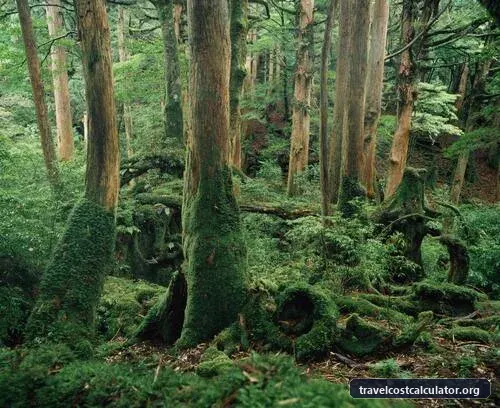
Located in the interior of Yaku Island, at the meeting-point of the palaearctic and oriental biotic regions, Yakushima exhibits a rich flora, with some 1,900 species and subspecies, including ancient specimens of the sugi (Japanese cedar).
Yakushima
🏛️ Overview & Historical Significance
Rising dramatically from the East China Sea off the southern tip of Kyushu, Yakushima is a primordial, mist-shrouded island that feels suspended in a mythical era. In 1993, UNESCO designated approximately 21% of this 504-square-kilometer island as a Natural World Heritage Site, recognizing its extraordinary biological diversity, unique temperate rain forest ecosystem, and ancient forest canopy. It was one of Japan's first sites—alongside Shirakami-Sanchi—to earn UNESCO World Heritage status.
The island's ecological crown jewels are the Yaku-sugi—ancient Japanese cedar trees (Cryptomeria japonica) that have survived for more than 1,000 years. Trees younger than a millennium are called Ko-sugi (child cedars), while specimens older than 1,000 years earn the sacred title of Yaku-sugi. Among them stands Jomon Sugi, a massive, gnarled cedar estimated by botanists to be between 2,000 and 7,000 years old. Thriving in an environment where moisture levels are exceptionally high, these trees grow slowly due to nutrient-poor granite soil, resulting in dense wood packed with protective resin that resists decay for centuries.
Yakushima also exhibits a breathtaking phenomenon known as vertical vegetation distribution. Within a span of less than 30 kilometers, the island transitions from subtropical coastal microclimates to subalpine granite mountain peaks. Mount Miyanoura (1,936 meters / 6,352 feet), the highest peak in southern Japan, crowns this jagged topography. The enchanting, moss-carpeted ravines of Shiratani Unsuikyo directly inspired legendary animation director Hayao Miyazaki when creating the atmospheric world of Studio Ghibli's masterpiece, Princess Mononoke (Mononoke Hime).
🎟️ Entrance Fees, Opening Hours & Ticket Booking Tips
Yakushima does not operate under a single central park entrance gate; instead, access involves targeted trail preservation fees, environmental donation tokens, and local transport access tickets. In 2026, conservation guidelines have been streamlined to maintain delicate mountain ecosystems while funding trail upgrades and waste management.
Key Entrance & Conservation Costs (2026 Rates)
-
✦
Yakushima Mountain Environmental Donation Fee (Yaku-sugi Conservation Fund): ¥2,000 JPY (~$13.30 USD) for single-day hikers; ¥3,000 JPY (~$20.00 USD) for overnight mountain stays. This voluntary-mandatory contribution is paid at tourist bureaus, major trailheads, or ferry terminals. Payment includes a commemorative pin and is required to ride the mountain shuttle buses.
-
✦
Shiratani Unsuikyo Ravine Entrance Donation: ¥1,000 JPY (~$6.70 USD) per adult (high school age and above). Opening Hours: Open 24/7, though the administrative ticket kiosk operates from 8:30 AM to 4:30 PM.
-
✦
Yakusugi Land Nature Park Entrance Fee: ¥800 JPY (~$5.30 USD) per adult. Opening Hours: 8:30 AM to 5:00 PM daily.
-
✦
Arakawa Mountain Bus Access (Jomon Sugi Trailhead): To prevent traffic jams and coastal runoff pollution, private vehicle access to the Arakawa Trailhead is strictly prohibited between March 1 and November 30. Hikers must take the shuttle bus from the Yakushima Museum (Yakushima Shizenkan).
- Shuttle Bus Fare: ¥2,400 JPY (~$16.00 USD) round-trip per adult (includes standard bus fare plus mountain road maintenance fee).
Pro Booking & Ticket Tips for 2026
To avoid long early-morning queues at the bus terminals, purchase your Arakawa Mountain Bus tickets and pay your Environmental Donation Fee at least one day in advance. Advance sales are available at the Miyanoura Port Tourist Information Center, Anbo Tourist Information Office, or participating island accommodations. Cash remains king on the island for trail maintenance kiosks, though digital IC cards and major credit cards are accepted at primary ports and major visitor centers.
🚌 How to Get There & Local Transit Costs
Reaching Yakushima requires departing from the mainland hub city of Kagoshima in Kyushu. Depending on your budget and timetable, you can travel by air, high-speed hydrofoil, or car ferry.
1. Kagoshima to Yakushima (Long-Distance Transit)
-
✦
High-Speed Hydrofoil ("Toppy" & "Rocket"): The most popular option. Fast jetfoils operate multiple daily sailings from Kagoshima Honmachi Port to either Miyanoura Port or Anbo Port.
- Duration: 1 hour 50 minutes to 2 hours 30 minutes (depending on stops).
-
✦
2026 Cost: ~¥13,500 JPY (~$90.00 USD) one-way; ~¥24,500 JPY (~$163.00 USD) round-trip. Advance booking online is strongly recommended during peak seasons (Golden Week, August, October).
- Duration: 4 hours (departs Kagoshima daily at 8:30 AM, departs Miyanoura at 1:30 PM).
- Duration: 35 minutes flight time.
2. Local Transport Around the Island
Yakushima's perimeter highway spans roughly 100 kilometers. Public buses connect major coastal towns, but service frequencies are limited, especially to mountain trailheads.
-
✦
Island Bus Pass (Tanegashima-Yakushima Kotsu & Yaku-den Bus): Unlimited ride passes cover coastal routes between Miyanoura, Kurio, and Anbo.
- 1-Day Pass: ¥2,000 JPY (~$13.30 USD)
-
✦
2-Day Pass: ¥3,000 JPY (~$20.00 USD)
-
✦
3-Day Pass: ¥4,000 JPY (~$26.70 USD)
-
✦
Note: The bus pass does not cover the specialized Arakawa Trailhead Shuttle Bus.
- 2026 Daily Rental Rates: ~¥6,500 to ¥9,500 JPY (~$43.00 to $63.00 USD) per day for a compact 660cc Kei-car, including basic insurance. An International Driving Permit (IDP) adhering to the 1949 Geneva Travel Budget Convention is strictly required for non-Japanese license holders.
📸 Best Photography Spots & Insider Visit Hacks
Prime Photography Locations
-
✦
Shiratani Unsuikyo (Kokusuin Forest): Known as the "Mononoke Forest," this area features deep green carpeted moss, trickling clear streams, and exposed tree roots. Best Time for Photos: Early morning between 7:00 AM and 9:00 AM, right when soft morning sunbeams break through the canopy mist.
-
✦
Taiko-Iwa Rock: A colossal granite outcrop located at the peak of the Shiratani Unsuikyo trail. It offers a 360-degree panorama of the island's mountainous interior. Best Time for Photos: Mid-morning before mountain clouds roll over the ridge.
-
✦
Wilson Stump (Wilson Sugi): The hollow interior of a giant cedar stump cut down over 400 years ago. Standing at a specific angle near the interior base allows photographers to capture a natural, perfectly heart-shaped opening looking up toward the sky canopy.
-
✦
Hirauchi Kaichu Onsen: A unique natural thermal spring set along the rocky coast that rises out of the ocean floor. Best Time for Photos & Bathing: Accessible only for a 2-hour window before and after low tide. (Nudity is required for bathing; photos must be taken respectfully when no bathers are present).
-
✦
Oko-no-taki Waterfall: One of Japan's Top 100 Waterfalls, cascading 88 meters down a shear granite cliff near the southern edge of the island.
Insider Travel & Hike Hacks
1. Prepare for Heavy Rain: Local legend claims "it rains 35 days a month in Yakushima." Annual rainfall in the mountain interior exceeds 8,000 millimeters. Invest in high-grade Gore-Tex rain gear, waterproof pack covers, and dry sacks for electronics. Standard plastic ponchos tear easily against sharp branches.
2. Conquer the Jomon Sugi Hike Strategy: The Jomon Sugi trek is a demanding 22-kilometer round-trip hike lasting 9 to 11 hours. Catch the very first shuttle bus from Yakushima Museum (around 4:40 AM to 5:00 AM) to clear the lower tramline ahead of large tour groups. Carry a headlamp for the initial dawn start.
3. Order Trekking Bentos the Night Before: Because trails lack food vendors, order a specialized early-morning T登山弁当 (Tozan Bento / Hiker's Lunchbox) from your hotel or local island bento shops by 7:00 PM the evening before. They prepare double-wrapped breakfast and lunch packs ready for pickup at 4:30 AM.
🏨 Nearby Accommodation & Daily Budget Allocation
Most travelers base themselves in either Miyanoura (near the northern ferry port, with plenty of restaurants and shops) or Anbo (on the eastern side, closest to the Jomon Sugi trailhead and airport).
Accommodation Recommendations (2026 Pricing)
-
✦
Budget (Hostels & Minshuku):
- Options: Yakushima Youth Hostel, Minshuku Yaku-sugi House, Tomari-ya.
-
✦
Cost: ¥4,500 to ¥8,500 JPY (~$30.00 to $56.00 USD) per night for a dorm bed or basic private Japanese-style tatami room.
- Options: Yakushima Green Hotel, Cottage Morinokokoro, Samana Hotel Yakushima.
- Options: Sankara Hotel & Spa Yakushima.
Daily Budget Allocations (2026 Estimates)
Backpacker / Budget Traveler: ~$65 to $95 USD / day
-
✦
Lodging: $35 (Hostel dorm or basic Minshuku)
-
✦
Meals: $20 (Convenience store breakfasts, Hiker Bento packs, budget izakaya)
-
✦
Transport: $15 (Pro-rated 3-day island bus pass)
-
✦
Fees & Sightseeing: $10 (Shiratani entry & pro-rated donation fees)
Mid-Range Traveler: ~$180 to $290 USD / day
-
✦
Lodging: $120 (Standard mid-range hotel or seaside ryokan with breakfast)
-
✦
Meals: $50 (Fresh seafood dinners, local craft beer, trail lunchboxes)
-
✦
Transport: $30 (Pro-rated car rental costs + fuel shared between two)
-
✦
Fees & Gear Rental: $20 (Mountain bus passes, environmental fees, boot rentals)
Luxury Traveler: ~$600+ USD / day
-
✦
Lodging: $500 (Luxury eco-resort villa)
-
✦
Meals: $100 (Fine dining French-Japanese fusion featuring local island ingredients)
-
✦
Transport: $80 (Private taxi tours or premium SUV rental)
-
✦
Fees & Services: $120 (Private certified mountain guide for Jomon Sugi trek)
Frequently Asked Questions
Essential visitor FAQs for Yakushima
What is the entrance fee for Yakushima?
How much time do you need to explore Yakushima?
How do I get to Yakushima from the nearest city?
📊 Heritage Quick Specs
Visiting Japan on a Budget?
Calculate your full daily travel budget for Japan — including hotel costs, local transport, food, and sightseeing expenses.
View Japan Daily Travel Costs →Explore more UNESCO World Heritage Sites
🏛️ All 1,200+ Heritage Sites →