
 Poland
Wooden Tserkvas of the Carpathian Region in Poland and Ukraine
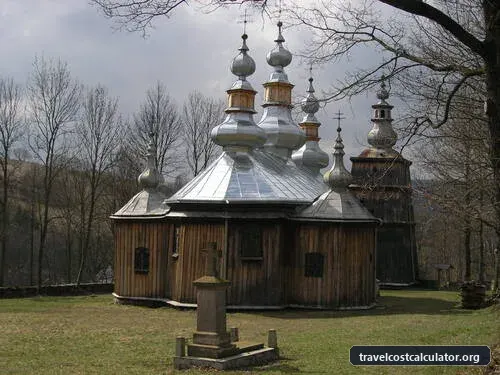
Situated in the eastern fringe of Central Europe, the transnational property numbers a selection of sixteen tserkvas (churches).
Wooden Tserkvas of the Carpathian Region in Poland and Ukraine
🏛️ Overview & Historical Significance
Inscribed into the UNESCO World Heritage list in 2013, the Wooden Tserkvas of the Carpathian Region in Poland and Ukraine represent an extraordinary architectural phenomenon born at the crossroads of Western European structural engineering and Eastern Orthodox ecclesiastical tradition. Spanning the remote borderlands of southeastern Poland and western Ukraine, this transboundary property comprises 16 wooden churches (tserkvas)—eight in Poland and eight in Ukraine—constructed between the 16th and 19th centuries by distinct ethnographic groups, primarily the Lemko, Boyko, Hutsul, and Halych communities.
What makes these sacred timber structures globally unique is their masterclass in corner-timbering construction (*zrąb*). Built entirely out of local horizontal oak and soft-pine logs notched together without steel nails, these churches were designed to harmonally merge with their rugged alpine environment. The buildings feature complex tripartite floor plans—consisting of the babinyc (narthex/women’s porch), the nave (main hall for congregation), and the sanctuary (presbytery)—crowned by distinctive shingled dome structures, lantern spires, and tiered roof hips designed to shed heavy Carpathian snowloads.
Stepping inside these timber sanctuaries reveals a world of astounding spiritual artistry. The interiors are dominated by multi-tiered, hand-carved wooden iconostases—ornate icon screens coated in gold leaf and painted in rich tempera tones. The Polish component of this UNESCO site features eight exceptional masterpieces distributed across the Podkarpackie (Subcarpathian) and Małopolskie (Lesser Poland) voivodeships:
-
✦
Radruż (St. Paraskeva): A 16th-century fortified complex featuring a stone defensive wall and freestanding timber bell tower.
-
✦
Chotyniec (Mother of God): An ancient 1600s Greek Catholic site showcasing three majestic bulbous domes.
-
✦
Smolnik (St. Michael the Archangel): The sole surviving Boyko-style tserkva in the Polish Bieszczady mountains.
-
✦
Turzańsk (St. Michael the Archangel): A classic Lemko-style wooden church featuring separate multi-tiered bell towers.
-
✦
Kwiatoń (St. Paraskevi): Considered the structural archetype of Lemko wooden architecture, famed for its perfectly proportioned geometry.
-
✦
Owczary (Protection of Our Lady): Built in 1653, featuring one of the most intact 18th-century iconostases in Europe.
-
✦
Brunary Wyżne (St. Michael the Archangel): Celebrated for its breathtaking blue-and-gold 18th-century polychrome ceiling murals.
-
✦
Powroźnik (St. James the Less): The oldest Lemko wooden church in the Polish Carpathians, dating back to 1604.
🎟️ Entrance Fees, Opening Hours & Ticket Booking Tips
Visiting the wooden tserkvas requires a bit of rural navigation, as management is Split Travel Budget between active religious parishes and regional museum branches. Planning your trip with updated 2026 visiting logistics ensures seamless access to these architectural wonders.
2026 Ticket Pricing Breakdown
-
✦
Museum-Managed Sites (e.g., Radruż Tserkva Complex): Adult Ticket: 20 PLN (~$5.00 USD); Reduced/Student Ticket: 12 PLN (~$3.00 USD). Audio guides are available in English for an additional 8 PLN (~$2.00 USD).
-
✦
Parish-Managed Tserkvas (e.g., Kwiatoń, Owczary, Smolnik, Chotyniec): Official admission is free, but visitors are strongly expected to leave a preservation donation. Recommended contribution: 10 PLN – 20 PLN ($2.50 – $5.00 USD) per person in the designated donation boxes near the narthex.
-
✦
Guided Wooden Architecture Trail Tours (Multi-site pass): Private day tours covering 4–5 key tserkvas in the Beskid Niski region generally cost 350 PLN – 600 PLN ($88 – $150 USD) per vehicle (up to 4 passengers), including a professional guide driver.
Opening Hours & Access Rules
Opening hours vary significantly by season. Main museum sites like Radruż follow set visiting schedules, while smaller parish churches rely on local caretakers (klucznicy or key-keepers).
-
✦
Peak Season (May – October): Tuesday through Sunday, 9:00 AM – 6:00 PM. Many active parish churches participate in the official Małopolska & Podkarpackie Wooden Architecture Trail Open Access Program, keeping doors unlocked between 10:00 AM and 5:00 PM Friday through Sunday.
-
✦
Off-Peak Season (November – April): Gates remain accessible for exterior photography, but interior viewings are strictly by appointment. You will often find a phone number posted on the main wooden portal; calling the local key-keeper will prompt them to arrive within 10 minutes to unlock the heavy wooden doors for a small cash donation.
Crucial Booking Tip for 2026: Always keep small Polish Złoty cash notes (10, 20, and 50 PLN) on hand. Digital card payments and contactless readers are rarely available at these secluded rural locations.
🚌 How to Get There & Local Transit Costs
The Polish UNESCO wooden tserkvas are tucked deep inside the rolling hills of the Beskid Niski, Bieszczady, and Sądecki mountain ranges. While public transit connects regional towns, renting a private vehicle is by far the most efficient way to execute a multi-tserkva itinerary in a single day.
Starting Point Hubs
The primary gateway cities for reaching the Polish tserkvas are Rzeszów (for Subcarpathian sites like Radruż and Chotyniec) and Kraków or Krynica-Zdrój (for Lesser Poland sites like Kwiatoń and Owczary).
Option 1: Private Car Rental (Highly Recommended)
-
✦
Cost (2026 rates): Expect 130 PLN – 220 PLN ($32 – $55 USD) per day for a compact rental car out of Rzeszów-Jasionka Airport (RZE) or Kraków Airport (KRK), plus fuel (~6.80 PLN per liter / ~$6.50 USD per gallon).
-
✦
Driving Route: From Kraków, take the A4 Highway east toward Tarnów, branching south onto national road DK28 into the Beskid Niski region. Driving roads are fully paved, scenic, and well-maintained, though narrow and winding near mountain passes.
Option 2: Regional Buses & Trains
-
✦
Train from Kraków to Gorlice or Przemyśl: PKP Intercity operated trains cost roughly 45 PLN – 75 PLN ($11 – $19 USD) one way.
-
✦
Local Minibuses (PKS / Private Vans): From regional transit hubs like Sanok, Gorlice, or Przemyśl, regional buses connect to small villages like Kwiatoń or Turzańsk for 12 PLN – 25 PLN ($3.00 – $6.25 USD) per ride. Warning: Bus services run infrequently (2 to 4 times a day) and are virtually non-existent on Sundays and public holidays.
📸 Best Photography Spots & Insider Visit Hacks
Capturing the organic beauty of ancient log architecture amidst shifting mountain lighting requires strategic planning. The aged wooden shingles change color dramatically depending on moisture levels and sunlight angles.
Top Photography Angles & Locations
-
✦
St. Paraskevi in Kwiatoń: Position yourself on the grassy knoll southeast of the church enclosure during the late afternoon. The warm sun illuminates the intricate, cascading step-roofs of the triple domes against the backdrop of the Wysowa valley.
-
✦
St. Paraskeva in Radruż: Frame your photo from outside the fortified stone wall gate. Shoot slightly low to capture the iconic octagonal timber bell tower framing the main body of the tserkva.
-
✦
St. Michael the Archangel in Smolnik: Head up the small isolated hill early in the morning. Capture the morning mist rolling through the San river valley with the solitary, dark-stained Boyko timber structure cutting through the fog.
Seasonal Recommendations & Weather Strategy
-
✦
Autumn (Late September to Late October): The absolute golden window for visitations. The beech and larch forests of the Beskid Niski burst into fiery hues of orange, red, and gold, providing a breathtaking natural contrast to the centuries-old dark timber.
-
✦
Late Spring (May to June): Lush green mountain meadows sprinkled with wildflowers offer crisp, clear atmospheric conditions ideal for crisp landscape photographs.
Essential Insider Hacks
-
✦
Strict Interior Rules: Flash photography inside all UNESCO tserkvas is strictly forbidden to preserve delicate 17th-century tempera wall paintings. Certain sites charge a nominal photography permit fee of 10 PLN (~$2.50 USD) for non-flash interior photography.
-
✦
Bypassing Active Mass Times: Active Greek Catholic and Roman Catholic services take place on Sunday mornings (typically 8:00 AM – 12:30 PM). Tourism inside the nave is restricted during services. Visit between 1:30 PM and 5:00 PM on Sundays to explore the interiors respectfully.
🏨 Nearby Accommodation & Daily Budget Allocation
Exploring the UNESCO Wooden Architecture Trail offers a delightfully affordable escape compared to major Western European cultural routes. Visitors can choose between charming rural agritourism farmsteads (agroturystyka), historic mountain guesthouses, or luxury spa hotels in neighboring resort towns.
Accommodation Options
-
✦
Budget (Agritourism / Guesthouses): Cozy, family-run farmsteads around Gorlice, Ustrzyki Dolne, or Wysowa-Zdrój cost roughly 110 PLN – 190 PLN ($28 – $48 USD) per night for a double room, often including home-cooked breakfasts made with farm-fresh regional products.
-
✦
Mid-Range (Boutique Hotels & Spa Resorts): Elegant spa hotels in historic towns like Krynica-Zdrój or historic manor houses near Sanok range from 280 PLN – 480 PLN ($70 – $120 USD) per night.
-
✦
Luxury (Heritage Estates): Restored noble manors and upscale wellness resorts in the Podkarpackie countryside cost 650 PLN – 1,100 PLN ($162 – $275 USD) per night.
Local Culinary Delights & Pricing
Do not miss sampling authentic borderland Lemko and Rusyn cuisine at local taverns (karczma):
-
✦
Fuczki: Crispy savory pancakes made from sauerkraut, flour, and wild caraway seeds, served with fresh sour cream (22 PLN – 32 PLN / $5.50 – $8.00 USD).
-
✦
Hałuszki: Soft potato dumplings tossed with smoked bacon lardons and sheep's cheese (28 PLN – 38 PLN / $7.00 – $9.50 USD).
-
✦
Proziaki: Traditional soda-bread rolls served hot out of the oven with homemade garlic butter (10 PLN – 16 PLN / $2.50 – $4.00 USD).
Sample Daily Budget Allocation (2026 Prices)
-
✦
Backpacker / Low-Cost Explorer: $45 – $65 USD per day (Agritourism stay, public transit/car-share, self-catering + cheap local tavern meals, parish donations).
-
✦
Mid-Range Traveler: $110 – $170 USD per day (Rental car, 3-star spa hotel or private guesthouse, 3-course regional dinners, guided interior tours).
-
✦
Luxury Traveler: $250 – $420 USD per day (Private chauffeured tour, luxury heritage hotel stay, fine-dining options, private photography access permits).
Frequently Asked Questions
Essential visitor FAQs for Wooden Tserkvas of the Carpathian Region in Poland and Ukraine
What is the entrance fee for Wooden Tserkvas of the Carpathian Region in Poland and Ukraine?
How much time do you need to explore Wooden Tserkvas of the Carpathian Region in Poland and Ukraine?
How do I get to Wooden Tserkvas of the Carpathian Region in Poland and Ukraine from the nearest city?
📊 Heritage Quick Specs
Visiting Poland on a Budget?
Calculate your full daily travel budget for Poland — including hotel costs, local transport, food, and sightseeing expenses.
View Poland Daily Travel Costs →Explore more UNESCO World Heritage Sites
🏛️ All 1,200+ Heritage Sites →