
 Turkey
Wooden Hypostyle Mosques of Medieval Anatolia
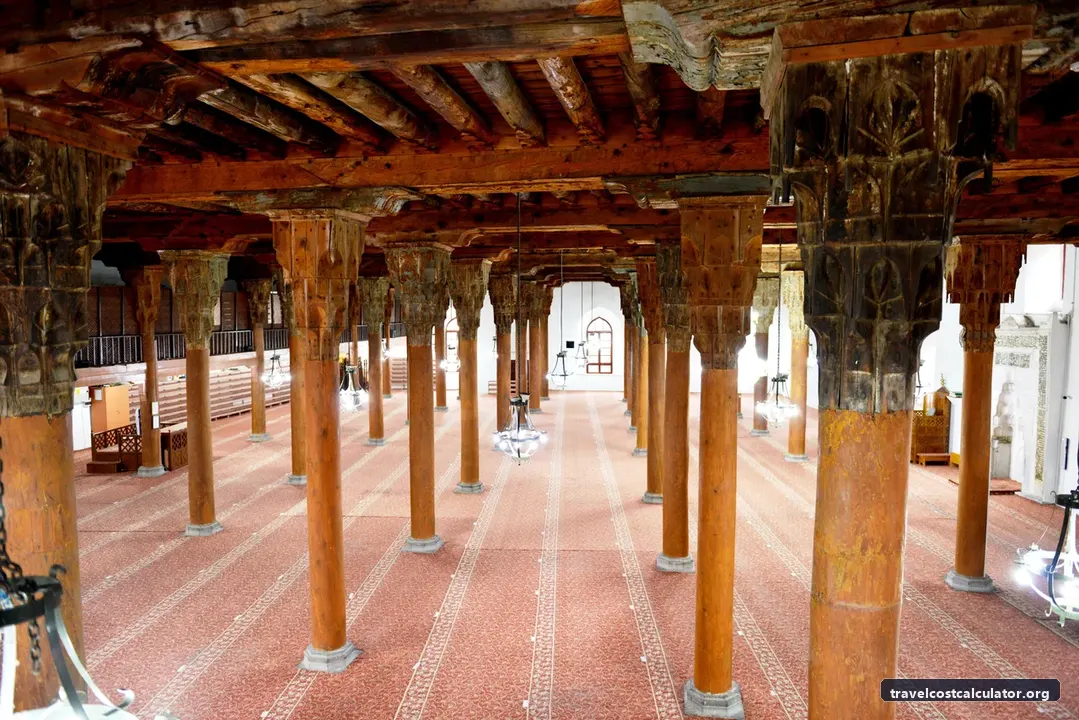
This serial property is comprised of five hypostyle mosques built in Anatolia between the late 13th and mid-14th centuries, each located in a different province of present-day Türkiye.
Wooden Hypostyle Mosques of Medieval Anatolia
🏛️ Overview & Historical Significance
Inscribed as Turkey’s 20th UNESCO World Heritage site, the Wooden Hypostyle Mosques of Medieval Anatolia represent an extraordinary architectural zenith of Islamic design. Built between the late 13th and mid-14th centuries during the Seljuk Empire and the subsequent Anatolian Beyliks (principalities) period, this serial UNESCO designation encompasses five magnificent timber-frame mosques scattered across central and northern Anatolia:
-
✦
Eşrefoğlu Mosque (Beyşehir, Konya): Constructed between 1296 and 1299, it is the largest, most intact wooden hypostyle mosque in the Islamic world, boasting 48 carved cedar columns and a breathtaking glazed-tile mihrab.
-
✦
Sivrihisar Ulu Mosque (Eskişehir): Dating to 1274, famous for its 67 massive wooden pillars topped with spolia—reused stone capitals salvaged from ancient Roman and Byzantine ruins.
-
✦
Mahmut Bey Mosque (Kasaba Village, Kastamonu): Built in 1366, nicknamed the "Nailless Mosque" because its entire intricate wooden structure and gallery were joined without using a single metal nail.
-
✦
Arslanhane (Ahi Şerafettin) Mosque (Ankara): Constructed around 1289 near the Ankara Castle, featuring 24 wooden columns and a masterwork Seljuk plaster-and-tile prayer niche.
-
✦
Afyonkarahisar Ulu Mosque (Afyonkarahisar): Built between 1272 and 1277, supported by 40 timber columns featuring beautifully hand-carved stalactite (muqarnas) capitals.
What makes these structures world heritage treasures is their unique spatial solution: a flat wooden roof supported internally by forest-like grid rows of cedar or pine pillars (a hypostyle layout), wrapped inside modest exterior stone walls. Rather than relying on massive stone domes common in later Ottoman architecture, medieval Anatolian craftsmen masterfully adapted Central Asian Turkish timber traditions to create cavernous, spiritually serene sanctuary interiors. The woodwork showcases exquisite medieval techniques, including kündekari (interlocking tongue-and-groove wooden paneling), hand-painted floral motifs (kalemişi), and elaborate wood carving on minbars, doors, and column capitals.
🎟️ Entrance Fees, Opening Hours & Ticket Booking Tips
Because all five component locations remain active, functioning houses of worship for their local communities, entrance protocols differ from standard museum sites in Turkey.
-
✦
Standard Ticket Price (2026): FREE for all visitors across all five mosques. There are no mandatory ticketing gates or online reservation systems.
-
✦
Suggested Donation: While entry is free, voluntary donations for site upkeep and local preservation funds are encouraged. Budget approximately 100 to 250 TRY ($3.00 – $7.00 USD) per mosque in the donation boxes (*sadaka kutusu*) located near the entryways.
-
✦
Museum Pass Türkiye Compatibility: The Museum Pass Türkiye (priced at approximately €165 / 6,200 TRY in 2026) is not required to enter these active mosques. However, the pass is highly recommended if you plan to visit adjacent sites like the Kastamonu Archaeology Museum or the Museum of Anatolian Civilizations in Ankara.
-
✦
Opening Hours: Daily from early morning (around 08:30 AM) until approximately 30 minutes after the night prayer (Yatsı), typically closing around 08:30 PM to 09:30 PM depending on the season.
-
✦
Crucial Visitor Etiquette Hacks:
- Avoid Prayer Times: Non-Muslim tourists are requested to refrain from touring or photographing inside during the five daily prayer sessions. Arrive between morning and noon prayer, or between Öğle (noon) and İkindi (mid-afternoon) prayers.
-
✦
Friday Prayer Notice: Avoid scheduling interior visits on Fridays between 11:30 AM and 02:30 PM, when the mosques host congested congregation services.
-
✦
Dress Code Requirements: Knees and shoulders must be covered for both men and women. Women are required to cover their hair with a scarf before stepping inside. Shoes must be removed at the entrance and stored on the wooden shoe racks provided.
🚌 How to Get There & Local Transit Costs
Because the five UNESCO mosques are distributed across five different provinces in Anatolia, Ankara serves as the central transport hub. You can complete the circuit either by renting a vehicle or using Turkey's efficient high-speed rail (YHT) and intercity bus networks.
1. Arslanhane Mosque (Ankara)
Located right in the historic Samanpazarı district near Ankara Citadel.
-
✦
Transit: Take the Ankara Metro to Ulus Station (approx. 25 TRY / $0.70 USD) followed by a 12-minute uphill walk, or take a direct taxi from Kızılay city center (approx. 180–240 TRY / $5–$7 USD).
2. Sivrihisar Ulu Mosque (Eskişehir Province)
-
✦
YHT High-Speed Train: Train from Ankara Central Station to Eskişehir (1 hour 15 mins; approx. 320 TRY / $9.00 USD).
-
✦
Onward Transit: From Eskişehir Bus Terminal (Otogar), catch a local dolmuş (minibus) to Sivrihisar town (1 hour; approx. 150 TRY / $4.20 USD). The mosque is a 5-minute walk from the town square.
3. Eşrefoğlu Mosque (Beyşehir, Konya Province)
-
✦
YHT Train + Minibus Route: Take the YHT train from Ankara to Konya (1 hour 45 mins; approx. 380 TRY / $10.50 USD). From Konya Otogar, board a Beyşehir regional minibus operating every 30 minutes (1.5 hours; approx. 180 TRY / $5.00 USD). The mosque sits right along the shore of Lake Beyşehir.
4. Afyonkarahisar Ulu Mosque (Afyonkarahisar)
-
✦
Intercity Bus: Direct coach (Kamil Koç or Metro Turizm) from Ankara AŞTİ terminal to Afyonkarahisar (3.5 hours; approx. 450 TRY / $12.50 USD). Take a city bus or short taxi (120 TRY / $3.30 USD) to the old city center at the foot of the Afyon Citadel.
5. Mahmut Bey Mosque (Kasaba Village, Kastamonu)
-
✦
Bus + Local Taxi Route: Take a intercity bus from Ankara AŞTİ to Kastamonu Otogar (3.5 to 4 hours; approx. 500 TRY / $14.00 USD). Mahmut Bey Mosque is located in Kasaba Village, 18 km outside Kastamonu city center. Take a local village minibus or hire a round-trip taxi from Kastamonu (approx. 400–600 TRY / $11–$16 USD round-trip including wait time).
Pro-Tip: Renting a Car for the Full Circuit
Renting a vehicle from Ankara Esenboğa Airport (ESB) is by far the most practical way to visit all five UNESCO mosques in a single 3-to-4-day road trip. 2026 car rental rates average $35 – $55 USD per day for a standard compact car, with total fuel and highway toll expenses running around $90 – $120 USD for the 1,100 km loop.
📸 Best Photography Spots & Insider Visit Hacks
Photographing wooden hypostyle interiors requires specialized techniques due to dim ambient lighting, protective low-wattage fixtures, and strict architectural proportions.
-
✦
Mastering Low-Light Photography: Tripods are generally prohibited inside active mosques without a prior permit from the Directorate General of Foundations (*Vakıflar Genel Müdürlüğü*). Bring a lens with a fast aperture (f/1.4 to f/2.8) and push your camera’s ISO to 3200–6400. Mirrorless cameras with In-Body Image Stabilization (IBIS) perform exceptionally well here.
-
✦
Key Architectural Shots by Location:
- Eşrefoğlu (Beyşehir): Stand at the rear gallery to capture the central karlık (a historic snow-pit lightwell) surrounded by rows of cedar pillars reflecting light toward the turquoise-tiled mihrab.
-
✦
Sivrihisar: Frame the contrast between the rough wooden columns and the intricately carved Greco-Roman stone capitals underneath the timber beams.
-
✦
Mahmut Bey (Kasaba): Photograph the upper gallery balustrade to capture the red, black, and gold vegetal paintwork (*kalemişi*) dating back to 1366. (Note: The original hand-carved wooden door is safely preserved inside the Kastamonu Archaeological Museum; photograph the masterwork replica on-site, then visit the museum for macro shots of the original).
-
✦
Afyonkarahisar: Wide-angle (14mm–24mm) shot from the western corner, capturing all 40 carved stalactite capitals aligned in symmetry.
🏨 Nearby Accommodation & Daily Budget Allocation
Because the mosques are situated across distinct Anatolian towns, visitors typically base themselves in Ankara, Konya, or local heritage boutique hotels (Konak) in Kastamonu and Sivrihisar.
Recommended Accommodations (2026 Price Estimates)
-
✦
Budget Option (Hostels/Guesthouses): Deep Hotel / Pilot Hotel (Ankara) or Mevlana Hotel (Konya) — Clean, central private rooms starting from $25 – $40 USD per night (900 – 1,450 TRY).
-
✦
Mid-Range Option (Heritage Ottoman Mansions): Kastamonu Uğurlu Konakları (Kastamonu) or Akşehir/Eskişehir Boutique Mansions — Restored historic timber konaks offering authentic regional breakfasts, averaging $70 – $110 USD per night (2,500 – 4,000 TRY).
-
✦
Luxury Option (5-Star Western Standard): JW Marriott Ankara or Grand Hotel Konya — Premium lodging with full spa amenities from $160 – $260 USD per night (5,800 – 9,500 TRY).
Daily Travel Budget Allocations (Per Person, 2026 Rates)
Below is a realistic daily spending breakdown for exploring the UNESCO Wooden Mosques circuit:
-
✦
Backpacker Budget Planner: $35 – $55 USD / day
- Accommodation: $18 (shared/budget room)
-
✦
Food: $12 (Local Esnaf Lokantası / tradesmen cafeterias, eating pide, etli ekmek, and soup)
-
✦
Transport: $10 (Public regional buses and minibuses)
-
✦
Incidental/Donations: $5
- Accommodation: $45 (3-star hotel or Ottoman Konak, twin share)
- Accommodation: $130 (5-star hotel)
Frequently Asked Questions
Essential visitor FAQs for Wooden Hypostyle Mosques of Medieval Anatolia
What is the entrance fee for Wooden Hypostyle Mosques of Medieval Anatolia?
How much time do you need to explore Wooden Hypostyle Mosques of Medieval Anatolia?
How do I get to Wooden Hypostyle Mosques of Medieval Anatolia from the nearest city?
📊 Heritage Quick Specs
Visiting Turkey on a Budget?
Calculate your full daily travel budget for Turkey — including hotel costs, local transport, food, and sightseeing expenses.
View Turkey Daily Travel Costs →Explore more UNESCO World Heritage Sites
🏛️ All 1,200+ Heritage Sites →