
 Slovakia
Wooden Churches of the Slovak part of the Carpathian Mountain Area
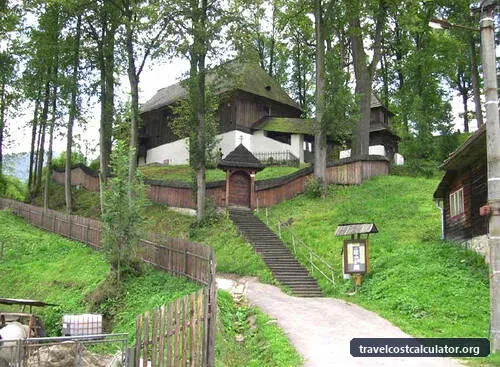
The Wooden Churches of the Slovak part of Carpathian Mountain Area inscribed on the World Heritage List consist of two Roman Catholic, three Protestant and three Greek Orthodox churches built between the 16th and 18th centuries.
Wooden Churches of the Slovak part of the Carpathian Mountain Area
🏛️ Overview & Historical Significance
Inscribed as a UNESCO World Heritage site in 2008, the Wooden Churches of the Slovak part of the Carpathian Mountain Area represent one of Central Europe’s most remarkable intersections of religious devotion, vernacular timber architecture, and cultural geography. Spread across north-eastern and central Slovakia, this collection consists of eight wooden churches and one freestanding bell tower constructed between the 16th and 18th centuries. Together, they demonstrate how Latin (Roman Catholic and Protestant) and Byzantine (Greek Catholic/Orthodox) Christian traditions coexisted and adapted to isolated mountainous landscapes.
What makes these structures world-renowned is their extraordinary engineering achieved entirely through local materials and traditional carpentry. Master craftsmen built these sacred monuments without using metal nails or iron fasteners, relying instead on interlocking corner joints, wooden pegs, and dense spruce, fir, and oak timber harvested from the surrounding Carpathian forests. The architectural styles fall into three distinct religious groupings:
-
✦
Roman Catholic Wooden Churches: Exemplified by the Church of Saint Francis of Assisi in Hervartov (built around 1500, the oldest wooden church in Slovakia) and the Church of All Saints in Tvrdošín. These showcase Gothic architectural influences adapted to timber, complete with medieval tempera wall paintings.
-
✦
Evangelical Articular Churches: Built in Kežmarok, Leštiny, and Hronsek during the late 17th and early 18th centuries. Following the harsh Anti-Reformation decrees issued by Emperor Leopold I at the Diet of Sopron (1681), Protestants were permitted to build churches only under strict "articular" restrictions: the buildings had to be placed outside town walls, constructed entirely of wood without iron nails or stone foundations, completed within one calendar year, and built without a spire or main tower entrance facing the street.
-
✦
Greek Catholic (Lemko/Rusyn) Wooden Churches: Located in Bodružal, Ladomirová, and Ruská Bystrá. Reflecting Byzantine tripartite layout principles (narthex, nave, sanctuary), these churches feature distinct three-tiered wooden roofs, bulbous cupolas, and breathtaking 18th-century multi-tiered iconostases inside.
Surviving centuries of harsh winters, fires, and geopolitical shifts—including the devastating battles of World War II in the Dukla Pass region—these churches remain active places of worship today, serving as living monuments to human ingenuity and spiritual resilience.
🎟️ Entrance Fees, Opening Hours & Ticket Booking Tips (2026 Estimates)
Visiting the Slovak wooden churches requires flexibility, as they are distributed across several regional municipalities rather than inside a single enclosed complex. Because many are rural parish churches, ticketing practices and operating schedules vary by site.
2026 Ticket Price Breakdown
-
✦
Standard Adult Admission: €3.00 – €6.00 ($3.30 – $6.60 USD) per church.
-
✦
Concession / Student / Senior (65+): €2.00 – €4.00 ($2.20 – $4.40 USD).
-
✦
Interior Photography Permit: €2.00 – €3.00 ($2.20 – $3.30 USD) extra at select locations (flash photography is strictly forbidden everywhere).
-
✦
Full Circuit Ticket (Self-Guided 8-Church Tour): There is no single universal pass; total combined admission for all 8 UNESCO sites runs approximately €25.00 – €35.00 ($27.00 – $38.50 USD) per person in 2026.
Opening Hours & "Key-Holder" System
Operating schedules depend heavily on the season:
-
✦
Peak Season (May through October): Major sites such as Kežmarok, Hervartov, and Hronsek maintain fixed visiting hours, typically open Tuesday to Sunday from 9:00 AM to 5:00 PM (closed Mondays or during active church services).
-
✦
Off-Peak Season (November through April): Opening hours are reduced or available by appointment only.
-
✦
The Caretaker ("Kľučiar") System: In smaller villages like Bodružal, Ladomirová, and Ruská Bystrá, the church may be locked. A notice posted on the door or entrance gate lists the local caretaker’s phone number. Calling or texting this number brings a local guide within 5 to 10 minutes to unlock the building, turn on interior lighting, and provide a brief historical overview in Slovak, English, or German.
Insider Booking & Planning Tips
Always carry small Euro cash notes (€2, €5, €10) and coins. Most rural churches do not accept credit cards or digital mobile payments. While major urban churches like Kežmarok feature digital ticketing options through regional tourism apps, small village caretakers operate exclusively on cash admission and voluntary parish donations. If you plan to visit on a Sunday, schedule your arrivals around morning services (11:30 AM onwards) to avoid disrupting active liturgical worship.
🚌 How to Get There & Local Transit Costs
The UNESCO wooden churches are scattered across northern and eastern Slovakia. The most convenient gateway cities with international rail and air links are Košice (for eastern sites), Poprad (for High Tatras Travel Budget/central sites), and Bratislava Travel Budget.
1. By Rental Car (Recommended Choice)
Renting a vehicle is by far the most efficient way to link multiple wooden churches in a single trip. Driving allows you to explore 4 to 6 churches over two days across scenic mountain roads.
-
✦
Car Rental Rates (2026): Compact car rentals out of Košice Airport (KSC), Poprad-Tatry (TAT), or Bratislava (BTS) average €32.00 – €55.00 ($35.00 – $60.00 USD) per day, including standard CDW insurance.
-
✦
Fuel Costs: Fuel in Slovakia averages around €1.65 per liter ($6.50 USD per gallon). Budget approximately €25.00–€35.00 ($27.00–$38.50 USD) in total petrol for an eastern Slovak circuit.
-
✦
Vignette Tolls: Expressways require an electronic vignette (elektronická diaľničná známka). A 10-day digital pass costs €12.00 ($13.20 USD) and can be purchased online or at gas stations.
2. By Public Transit (Train & Regional Bus)
Public transportation is affordable, but requires careful planning due to limited bus departures to smaller villages on weekends.
-
✦
Train from Bratislava to Poprad or Košice: High-speed ŽSSK Express trains connect Bratislava Main Station to Poprad-Tatry or Košice in 3.5 to 5 hours. One-way fares cost €16.00 – €24.00 ($17.50 – $26.50 USD).
-
✦
Bus to Hervartov: Take a local SAD regional bus from the historic town of Bardejov to Hervartov (15-minute journey, approx. €1.80 / $2.00 USD one-way).
-
✦
Bus to Ladomirová & Bodružal: Board a bus from Prešov or Košice to the regional hub of Svidník (approx. €4.50 – €7.00 / $4.95 – $7.70 USD), then transfer to a local rural route servicing Ladomirová (10 minutes) and Bodružal (20 minutes).
-
✦
Bus to Hronsek: Accessible by short regional train or bus from Banská Bystrica (approx. €2.00 / $2.20 USD).
3. Private Taxi & Guided Day Tours
If you prefer not to drive, hiring a private driver or taking a guided UNESCO day tour from Poprad or Košice costs around €120.00 – €220.00 ($132.00 – $242.00 USD) per car/day, covering 3 to 4 major churches with an English-speaking driver-guide.
📸 Best Photography Spots & Insider Visit Hacks
Photographing these wooden masterpieces requires balancing appreciation for sacred art with the technical challenges of dark interiors and mountain lighting conditions.
Top Photography Locations
-
✦
Hervartov (Church of St. Francis of Assisi): Frame the dark red-spruce exterior from the south-western edge of the churchyard during late afternoon light. The contrast between the aged dark wood shingles and bright green alpine meadows creates a striking composition.
-
✦
Kežmarok (Articular Church): The exterior features painted plaster combined with wooden framing, but the true highlight is inside. Frame the soaring blue ceiling—painted to resemble a cloud-filled sky—from the wooden gallery balcony.
-
✦
Bodružal (St. Nicholas Church): Position your camera at the foot of the hill leading up to the church perimeter. The three ascending wooden towers align with the tree canopy of the Ondavská Vrchovina mountains.
-
✦
Hronsek Bell Tower: Capture the distinctive, standalone timber bell tower framed by old lime trees during the golden hour just before dusk.
Seasonal Weather & Timing Hacks
-
✦
Best Seasons: Late Spring (May–June) brings wildflowers and vibrant green foliage; Autumn (Late September–October) covers the Carpathian forest backdrops in red and gold hues. Winter (January–February) offers snow-covered roofs that look like scenes from a fairytale, though travel requires winter tires and flexible scheduling.
-
✦
Interior Lighting Strategy: Ancient wooden churches have very few windows to protect structural integrity and interior temperature. Bring a camera with good low-light sensitivity (high ISO capabilities) and wide apertures (f/1.8 to f/2.8). Flash photography and tripods inside the churches are strictly prohibited to protect fragile 16th-century tempera frescoes and gold-leaf iconostases.
-
✦
Respect Local Customs: These remain active consecrated spaces. Always remove hats inside, turn off mobile phone ringers, speak quietly, and avoid taking photos of active churchgoers or priests during services.
🏨 Nearby Accommodation & Daily Budget Allocation
To experience the UNESCO wooden churches comfortably, set up base camps in regional historic hubs like Bardejov (for eastern churches), Poprad/Kežmarok (for central/Tatra churches), or Dolný Kubín (for Orava region churches).
Accommodation Options (2026 Rates)
-
✦
Budget Stay (Guesthouses / Hostels): Traditional family-run pension (Penzión) in Bardejov Old Town or Kežmarok. Includes private bathroom and breakfast. €38.00 – €60.00 ($42.00 – $66.00 USD) per night for a double room.
-
✦
Mid-Range Hotel: Restored historic boutique hotels like Hotel Pod Bránou in Bardejov or Boutique Hotel Hviezdoslav in Kežmarok. €75.00 – €130.00 ($82.00 – $143.00 USD) per night double occupancy.
-
✦
Luxury Resort Option: Grand Hotel Kempinski High Tatras in Štrbské Pleso (approx. 45 minutes from Kežmarok). €280.00 – €520.00 ($308.00 – $572.00 USD) per night.
Regional Dining & Food Costs
Sampling authentic regional Slovak cuisine is an affordable highlight of traveling through the Carpathians. Visit a traditional mountain rustic tavern known as a Koliba or Kúria.
-
✦
Traditional Must-Try Dishes: Bryndzové halušky (potato dumplings with sharp sheep cheese and crispy bacon), Kapustnica (hearty sauerkraut soup with smoked sausage and mushrooms), and Vyprážaný syr (fried breaded cheese served with tartar sauce).
-
✦
Average Meal Cost: A hearty meal with a pint of local Slovak draft beer (e.g., Zlatý Bažant or Šariš) costs €9.00 – €16.00 ($10.00 – $17.50 USD) per person at a regional tavern.
Daily Budget Allocation Breakdown (per person, mid-range style)
-
✦
Accommodation (Shared Double): €45.00 ($49.50 USD)
-
✦
Meals & Drinks: €28.00 ($30.80 USD)
-
✦
Transport (Rental Car + Fuel Split Travel Budget): €22.00 ($24.20 USD)
-
✦
Church Entry Tickets & Photo Permits: €12.00 ($13.20 USD)
-
✦
Total Estimated Daily Spend: €107.00 / day ($117.70 USD)
Frequently Asked Questions
Essential visitor FAQs for Wooden Churches of the Slovak part of the Carpathian Mountain Area
What is the entrance fee for Wooden Churches of the Slovak part of the Carpathian Mountain Area?
How much time do you need to explore Wooden Churches of the Slovak part of the Carpathian Mountain Area?
How do I get to Wooden Churches of the Slovak part of the Carpathian Mountain Area from the nearest city?
📊 Heritage Quick Specs
Visiting Slovakia on a Budget?
Calculate your full daily travel budget for Slovakia — including hotel costs, local transport, food, and sightseeing expenses.
View Slovakia Daily Travel Costs →Explore more UNESCO World Heritage Sites
🏛️ All 1,200+ Heritage Sites →