
 Poland
Wooden Churches of Southern Małopolska
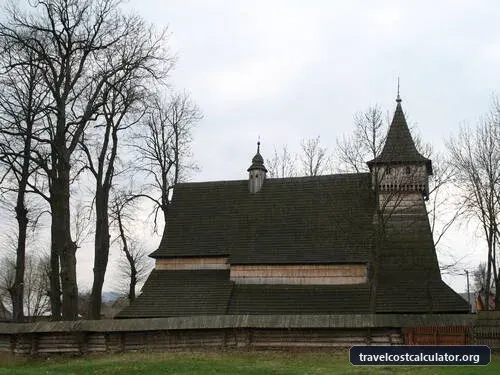
The wooden churches of southern Little Poland represent outstanding examples of the different aspects of medieval church-building traditions in Roman Catholic culture.
Wooden Churches of Southern Małopolska
🏛️ Overview & Historical Significance
Nestled among the rolling foothills and forested valleys of Southern Poland, the Wooden Churches of Southern Małopolska represent one of Europe's most exceptional and intact surviving traditions of medieval timber architecture. Designated as a UNESCO World Heritage site in 2003, this collection of six churches—located in the villages of Binarowa, Blizne, Dębno, Haczów, Lipnica Murowana, and Sękowa—stands as a monumental testament to the intersection of Roman Catholic liturgy and vernacular wooden construction.
Constructed between the late 14th and 16th centuries, these structures were built using the traditional zręb technique (horizontal log construction), where carefully notched fir, oak, and pine timbers were fitted together without using structural iron nails. Roofs were clad entirely in hand-cut wooden shingles (gont), creating steep, protective canopies capable of enduring harsh West Carpathian winters. Below these rustic exteriors lies an extraordinary contrast: luminous, intricate polychrome wall paintings dating from the 15th to 18th centuries, rich Gothic wood carvings, and ornate triptych altarpieces.
UNESCO awarded these churches World Heritage status based on three main criteria:
-
✦
Structural Masterpieces: They are outstanding examples of the medieval church-building traditions of the Roman Catholic Church in Central and Eastern Europe.
-
✦
Artistic Heritage: They house exceptionally rare, pristine interior decorations, including the world's oldest surviving wooden polychromes (such as the 15th-century geometric motifs inside Dębno).
-
✦
Patronage & Local Crafts: They demonstrate the generous patronage of noble families and kings, combined with the brilliant craftsmanship of local master carpenters and guilds.
Today, managed under the umbrella of the Wooden Architecture Route (Szlak Architektury Drewnianej), these hidden architectural gems provide visitors with a profound journey into rural Polish history, far removed from standard urban tourist circuits.
🎟️ Entrance Fees, Opening Hours & Ticket Booking Tips
Unlike massive urban cathedrals, many of these wooden churches remain active parish places of worship or village historic sites. Because of this, admission policies combine modest official museum fees with traditional donation-based entry.
Estimated 2026 Pricing & Admission Breakdown
-
✦
General Admission (Individual Churches): Most locations charge a nominal conservation fee or request a voluntary donation of 10 PLN – 20 PLN ($2.50 – $5.00 USD) per person.
-
✦
Ticketed Museum Sites (e.g., Lipnica Murowana & Dębno): Standard ticket entry costs 15 PLN – 25 PLN ($3.75 – $6.25 USD) for adults, with reduced rates of 10 PLN ($2.50 USD) for seniors and students.
-
✦
Guided Tours (On-Site): Local church wardens or caretakers offer short site explanations (often in Polish or with printed English/German guides) for an additional donation of 20 PLN – 40 PLN ($5.00 – $10.00 USD) per group.
-
✦
Interior Photography Permits: Select locations request a small fee of 5 PLN – 10 PLN ($1.25 – $2.50 USD) for non-flash photo access. Flash photography is strictly forbidden everywhere to protect sensitive historic paint pigments.
Opening Hours & Seasonal Logistics (2026)
Visiting hours vary substantially based on the season and liturgical schedules:
-
✦
Peak Tourist Season (May 1 – October 31): Open Tuesday through Saturday from 9:00 AM to 5:00 PM, and Sundays from 12:00 PM to 4:00 PM (between religious services). Many participate in the regional Open Wooden Architecture Route program, guaranteeing an English-speaking guide or custodian on-site.
-
✦
Off-Peak Season (November 1 – April 30): Exterior viewing is available daily. Interior access often requires calling the local parish priest (plebania) or local museum caretaker 24–48 hours in advance to arrange a key opening.
Pro Booking & Visit Tips
1. Always Carry Cash: Small village churches rarely accept credit cards. Keep small Polish Złoty notes (10, 20, and 50 PLN) handy for entrance fees, souvenirs, and donations.
2. Respect Mass Schedules: Sightseeing is strictly prohibited during morning and evening Holy Mass services, especially on Sunday mornings.
3. Self-Guided App: Download the official regional "Szlak Architektury Drewnianej" audio guide app prior to departure, as cellular data coverage in deep mountain valleys can occasionally be spotty.
🚌 How to Get There & Local Transit Costs
The UNESCO wooden churches are distributed across a wide geographical area in the Małopolska and Podkarpackie regions. The ultimate springboard hub for exploring this circuit is Kraków (with secondary regional transit points in Tarnów, Nowy Sącz, or Rzeszów).
Option 1: Rental Car (Strongly Recommended)
Because the six churches are separated by tens of kilometers of scenic country roads, renting a car offers the maximum flexibility to visit 3 to 4 sites in a single day.
-
✦
Car Rental Rates (2026): Compact car rentals out of Kraków Airport (KRK) or Kraków Main Station cost approximately 120 PLN – 220 PLN ($30 – $55 USD) per day.
-
✦
Fuel Costs: Unleaded petrol averages around 6.70 PLN per liter ($1.68 USD/L or ~$6.35 USD/gallon). Expect to spend roughly 80 PLN – 140 PLN ($20 – $35 USD) on gas for a full day's circuit.
-
✦
Parking: Parking lots near the churches are generally free or charge a minimal fee of 5 PLN – 10 PLN ($1.25 – $2.50 USD).
Option 2: Public Bus & Train Network
Traveling by public transport requires extra planning and patience due to limited rural bus timetables, but it remains very affordable for budget travelers.
-
✦
Kraków to Lipnica Murowana: Take a regional train or bus from Kraków Główny to Bochnia (15 PLN / $3.75 USD, 40 mins), then catch a local suburban bus (line pKS or local busik) directly to Lipnica Murowana center (8 PLN – 12 PLN / $2.00 – $3.00 USD, 30 mins).
-
✦
Kraków to Dębno: Take an express bus heading toward Zakopane or Szczawnica from Kraków MDA Bus Terminal, disembarking at the Dębno/Dębno Podhalańskie junction (25 PLN – 35 PLN / $6.25 – $8.75 USD, 1 hr 45 mins). The church is a pleasant 15-minute walk from the main road stop.
-
✦
Kraków to Sękowa & Binarowa: Take a PKP Intercity train to Gorlice or Jasło (35 PLN – 55 PLN / $8.75 – $13.75 USD, 2.5 hours), followed by local taxis or microbuses (10 PLN – 25 PLN / $2.50 – $6.25 USD).
Option 3: Organized Guided Day Tours
For visitors without a car who prefer direct navigation, day tours departing from Kraków cover selected wooden churches (often combining Dębno with Niedzica Castle or Lipnica Murowana with the Bochnia Salt Mine). Expect to pay 280 PLN – 450 PLN ($70 – $112 USD) per person, which typically includes private minivan transport, English-speaking guides, and all entrance fees.
📸 Best Photography Spots & Insider Visit Hacks
Top Photography Locations
-
✦
Sękowa (Sts. Philip & James Church): Known affectionately as the "Parthenon of the Wooden Churches," this building features an abnormally low, sweeping roofline and wide arcade porches (sobótki). Frame your shot from the southwest meadow during late afternoon to capture the golden light reflecting off the dark shingled timber.
-
✦
Lipnica Murowana (St. Leonard’s Church): Set inside an ancient, shaded churchyard surrounded by towering oak trees and historic stone gravestones. Capture wide-angle shots showing the high-pitched shingled roof peeking through the canopy.
-
✦
Dębno Podhalańskie (St. Michael Archangel): Frame the church from the gated entryway with the Tatra Mountain foothills visible in the distance on clear days. Interior photos (where permitted without flash) should focus on the rare 15th-century geometric ceiling stencil work.
Seasonal & Timing Strategies
The Autumn Window (September to October): This is unquestionably the best season to visit. The surrounding beech, birch, and oak forests turn brilliant hues of gold, orange, and crimson, creating a dramatic, romantic backdrop against the silver-weathered oak walls.
Early Morning Quiet: Arrive between 8:30 AM and 10:00 AM. You will miss the small tour vans, enjoy serene birdsong, and catch soft morning light cutting through the morning dew or forest mist.
Insider Travel Hacks
-
✦
Combine with Neighboring UNESCO Sites: If visiting Dębno, you are only a 20-minute drive from Niedzica Castle and the Dunajec River Gorge. If visiting Binarowa or Sękowa, you are right on the doorstep of the UNESCO-listed Wooden Tserkvas of the Carpathian Region (Lemko Orthodox wooden churches).
-
✦
Mind the Floorboards: Historic timber structures feature delicate, 500-year-old wooden flooring. Avoid stiletto heels or heavy studded boots; soft walking shoes or sneakers are mandatory.
-
✦
Dress Respectfully: These sites are regarded as sacred space by local communities. Ensure shoulders and knees are covered when stepping inside for tours or quiet reflection.
🏨 Nearby Accommodation & Daily Budget Allocation
Whether you choose to base yourself in historical cities like Kraków or Tarnów, or opt for a countryside bed-and-breakfast (agroturystyka), Southern Poland provides outstanding value for high-quality food and lodging.
Recommended Accommodation Base Options (2026 Prices)
-
✦
Budget (Agritourism / Guesthouses): Cozy rural farmstays (Agroturystyka) near Lipnica, Gorlice, or Nowy Targ. Rooms average 120 PLN – 200 PLN ($30 – $50 USD) per night, often including home-cooked country breakfasts.
-
✦
Mid-Range (Boutique Hotels & Historic Inns): Charming 3-star or 4-star hotels in Tarnów, Bochnia, or suburban Kraków. Rates range from 280 PLN – 480 PLN ($70 – $120 USD) per night double occupancy.
-
✦
Luxury / Heritage Stays: Renovated Polish manor houses (Dwór) or 5-star hotels in Kraków’s Old Town. Rates range from 650 PLN – 1,200 PLN ($162 – $300 USD) per night.
Local Food & Dining Costs
Sampling regional Lesser Poland cuisine is extremely affordable. Traditional country inns (Karczma) serve hearty local dishes:
-
✦
Handmade Pierogi (10-12 pcs): 22 PLN – 35 PLN ($5.50 – $8.75 USD)
-
✦
Żurek (Sour rye soup in a bread bowl): 18 PLN – 28 PLN ($4.50 – $7.00 USD)
-
✦
Oscypek (Grilled smoked sheep's cheese with cranberry jam): 8 PLN – 15 PLN ($2.00 – $3.75 USD)
-
✦
Three-course traditional dinner with local beer/cider: 65 PLN – 110 PLN ($16.25 – $27.50 USD) per person
Estimated Daily Budget Profiles (Per Person in 2026)
-
✦
Backpacker / Low Budget: $45 – $65 USD (180 – 260 PLN) / day
Includes agritourism dorm/private room, public bus transit, self-guided tours, and local milk bar/bakery meals. -
✦
Mid-Range Explorer: $120 – $180 USD (480 – 720 PLN) / day
Includes mid-range hotel stay, shared car rental costs + fuel, museum admissions, and sit-down dinners at regional taverns. -
✦
Luxury & Private Tourer: $300 – $480 USD (1,200 – 1,920 PLN) / day
Includes high-end boutique accommodation, private chauffeur or guided minivan tour, and gourmet fine dining.
Frequently Asked Questions
Essential visitor FAQs for Wooden Churches of Southern Małopolska
What is the entrance fee for Wooden Churches of Southern Małopolska?
How much time do you need to explore Wooden Churches of Southern Małopolska?
How do I get to Wooden Churches of Southern Małopolska from the nearest city?
📊 Heritage Quick Specs
Visiting Poland on a Budget?
Calculate your full daily travel budget for Poland — including hotel costs, local transport, food, and sightseeing expenses.
View Poland Daily Travel Costs →Explore more UNESCO World Heritage Sites
🏛️ All 1,200+ Heritage Sites →