
 Norway
West Norwegian Fjords – Geirangerfjord and Nærøyfjord
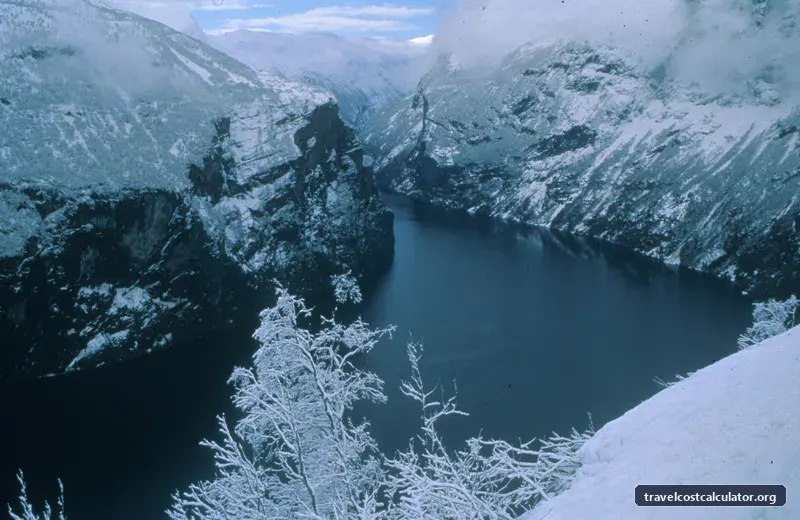
Situated in south-western Norway, north-east of Bergen, Geirangerfjord and Nærøyfjord, set 120 km from one another, are part of the west Norwegian fjord landscape, which stretches from Stavanger in the south to Andalsnes, 500 km to the north-east.
West Norwegian Fjords – Geirangerfjord and Nærøyfjord
🏛️ Overview & Historical Significance
Inscribed as a joint UNESCO World Heritage Site in 2005, the West Norwegian Fjords – Geirangerfjord and Nærøyfjord represent the absolute zenith of glaciated fjord landscapes on planet Earth. Situated 120 kilometers apart in southwestern Norway, these two distinct natural marvels were selected by UNESCO not merely for their dramatic aesthetics, but because they are considered the archetypal textbook examples of landforms shaped by successive Quaternary ice ages.
Over millions of years, continental ice sheets carved deep, narrow U-shaped troughs straight through the Scandinavian mountain plateau. As the glaciers retreated, sea water filled the valleys, creating submarine gorges bordered by sheer crystalline rock walls rising up to 1,400 meters (4,590 feet) directly out of the Norwegian Sea, while extending another 500 meters below sea level. Geirangerfjord (located in Møre og Romsdal county) stretches roughly 15 kilometers, famed for its cascading waterfalls like De syv søstre (The Seven Sisters), Friaren (The Suitor), and Brudesløret (The Bridal Veil). Nærøyfjord (located in Vestland county) spans 20 kilometers and is world-renowned as one of the narrowest fjords on Earth, contracting to a mere 250 meters wide at its tightest choke point, flanked by mountains towering 1,700 meters overhead.
Beyond their physical geology, these fjords possess immense cultural heritage. For centuries, isolated farming families adapted to this precarious environment, establishing timber homesteads—such as Skageflå, Knivsflå, and Matvik—perched on impossibly steep cliff ledges accessible only by rope ladders and narrow rock trails. Today, strict environmental protections and Norway's transition to zero-emission marine transit ensure these pristine corridors retain the raw, atmospheric splendor that fascinated 19th-century landscape painters and modern travelers alike.
🎟️ Entrance Fees, Opening Hours & Ticket Booking Tips
As natural UNESCO landscape areas, the fjords themselves are free public domain with $0 / 0 NOK site entrance fees. However, experiencing the fjords effectively requires navigating scenic transit, passenger vessels, and toll roads. In 2026, all major fjord operations mandate strict passenger limits to protect the delicate ecosystem, making advance reservations essential.
Key Sightseeing & Transit Costs (Estimated 2026 Rates)
-
✦
Nærøyfjord Fully-Electric Fjord Cruise (Flåm to Gudvangen): 640 NOK – 790 NOK (~$60 – $75 USD) per person one-way. Premium eco-catamarans run silently through the narrow passage.
-
✦
Geirangerfjord Sightseeing Cruise (60–90 Minutes): 430 NOK – 590 NOK (~$40 – $56 USD) per adult. Departs regularly from Geiranger harbor.
-
✦
Flåm Railway (Flåmsbana - Myrdal to Flåm): 690 NOK – 790 NOK (~$65 – $75 USD) one-way during peak summer season. Discounted round-trips often available off-peak.
-
✦
Geiranger Skywalk (Dalsnibba Toll Road): 330 NOK (~$31 USD) per private passenger car, granting access to Europe's highest fjord view reachable by road (1,500m above sea level).
-
✦
Stegastein Viewpoint Shuttle (from Flåm): 390 NOK – 450 NOK (~$37 – $43 USD) round-trip per adult.
Opening Hours & Operating Seasons
The natural fjord regions remain open 24/7, 365 days a year. However, transport operator schedules vary significantly by season:
-
✦
Geirangerfjord Season: High season runs from May 1 to October 15. Snowplows clear high mountain access roads (like Trollstigen and Dalsnibba) by mid-to-late May. Outside this window, services drop dramatically and roads freeze over.
-
✦
Nærøyfjord Season: Operating year-round. Fully electric passenger ferries ply the waters between Flåm and Gudvangen daily, offering stunning winter landscapes as well as summer vistas.
Insider Booking Strategies
To avoid inflated walk-up fares and guaranteed sell-outs during the June–August peak, reserve electric fjord boat tickets and the Flåm Railway at least 60 to 90 days in advance through official operators (such as Norway's best or Geiranger Fjordservice). If traveling on a budget, consider taking the morning passenger-only car ferries (which double as commuter routes) rather than designated luxury tourist catamarans to cut cruise transit costs by up to 25%.
🚌 How to Get There & Local Transit Costs
Because Geirangerfjord and Nærøyfjord are separated by roughly 120 kilometers of rugged terrain, travelers typically base themselves near Ålesund (for Geirangerfjord) or Bergen Travel Budget (for Nærøyfjord), or connect them via Norway’s national scenic driving routes.
Reaching Geirangerfjord (Northern Branch)
-
✦
Nearest Transit Hub: Ålesund (AES Airport).
-
✦
By Public Bus & Ferry (From Ålesund): Take FRAM Bus #110 from Ålesund Central Station to Hellesylt, then board the tourist ferry to Geiranger. Total travel time: ~3.5 hours. Combined transit fare: ~380 NOK – 480 NOK (~$36 – $45 USD) one-way.
-
✦
By Rental Car: Drive from Ålesund along Route 60 or via Highway 63 over Ørnesvingen (The Eagle Road). Note that car ferry transfers across intersecting fjords cost roughly 120 NOK – 220 NOK ($11 – $21 USD) per vehicle leg.
Reaching Nærøyfjord (Southern Branch)
-
✦
Nearest Transit Hub: Bergen (BGO Airport) or Voss.
-
✦
By Train & Historic Railway (From Bergen): Board the main Vy line from Bergen to Myrdal (1.5 hours), then transfer to the world-famous Flåmsbana (Flåm Railway) down to Flåm (1 hour). Total combined cost: 850 NOK – 1,200 NOK (~$80 – $113 USD) one-way.
-
✦
By Direct Regional Bus (From Bergen): Board the Vy Express bus line directly from Bergen Busstasjon to Gudvangen (the mouth of Nærøyfjord). Travel time: ~2.5 hours. Single ticket: 320 NOK – 420 NOK (~$30 – $40 USD).
📸 Best Photography Spots & Insider Visit Hacks
Capturing the scale of Norway's sheer drop-offs requires timing your visits around mountain lighting and cruise ship schedules.
Top Photography Locations
-
✦
Flydalsjuvet Overlook (Geirangerfjord): Located 4 km above Geiranger village on Highway 63, this cliffside platform provides the iconic classic postcard framing of cruise ships resting in the deep green fjord below. Best light: 08:00 AM – 10:30 AM before harsh sun hits the water.
-
✦
Ørnesvingen / Eagle's Bend (Geirangerfjord): A dramatic 270-degree hairpin turn lookout situated 620 meters above sea level. Offers unbroken lines-of-sight to the Seven Sisters Waterfall. Best light: Late afternoon (5:00 PM – 7:30 PM) during golden hour.
-
✦
Stegastein Viewpoint (Aurlandsfjord / Nærøyfjord Region): A sleek pine-and-glass platform jutting 30 meters out over a 650-meter vertical drop. Best light: Early morning to capture low-lying fjord mist.
-
✦
Rimstigen Hike (Nærøyfjord): A steep, demanding 2.5-hour climb starting near Bakka village. Yields an uncrowded view right down into the narrowest throat of Nærøyfjord.
Insider Hacks to Beat the Crowds
-
✦
Bypass the Cruise Ship Surge: Ocean cruise liners unleash up to 6,000 daily visitors into tiny Geiranger village between 09:00 AM and 4:00 PM. Schedule your cliff hikes, fjord boat tours, or village strolls before 08:30 AM or after 5:00 PM, when the ports empty out entirely.
-
✦
Visit during the Waterfall Peak: Plan your trip between late May and mid-June. Winter snowpack melt hits maximum velocity during this window, causing waterfalls like the Seven Sisters to thunder into the sea at double their late-summer volume.
-
✦
Pack High-Grade Rain Gear: Weather inside steep fjord corridors changes rapidly. Bring waterproof shell jackets, dry bags for cameras, and microfiber towels, as spray from vessel decks and passing mist can quickly drench gear.
🏨 Nearby Accommodation & Daily Budget Allocation
Norway remains one of Northern Europe’s premium price-point destinations. Managing expenses requires carefully choosing your base village and balancing restaurant dining with local self-catering options.
Recommended Places to Stay
-
✦
Budget: Geiranger Camping / Vinje Camping (Geiranger) or Flåm Camping & Cabins (Flåm). Pitching a tent costs ~250 NOK – 320 NOK ($24 – $30 USD) per night. Basic heated wooden cabins sleep 2–4 people for 700 NOK – 1,100 NOK ($66 – $104 USD).
-
✦
Mid-Range: Flåm Marina & Apartments or Grande Fjord Hotel (Geiranger). Comfortable waterfront rooms with private balconies over the fjord run approximately 1,900 NOK – 3,100 NOK ($180 – $290 USD) per night including breakfast.
-
✦
Luxury: Hotel Union Geiranger (featuring a world-class fjord-view spa and historic vintage car collection) or Fretheim Hotel (Flåm). Expect room rates of 3,800 NOK – 6,200 NOK ($360 – $585 USD) per night.
Estimated Daily Travel Budgets (2026 Rates)
1. Backpacker / Low-Budget Tier: $95 – $135 USD (1,000 – 1,430 NOK) / day
-
✦
Stay: Camping tent pitch or shared hostel bed ($25 – $40 USD).
-
✦
Meals: Self-catering via REMA 1000 or Kiwi grocery stores ($25 – $35 USD).
-
✦
Transit & Activities: Local public buses, self-guided fjord trail hikes ($45 – $60 USD average).
2. Flashpacker / Mid-Range Tier: $250 – $400 USD (2,650 – 4,240 NOK) / day
-
✦
Stay: 3-star fjord hotel room or private cabin rental ($100 – $160 USD per person twin-share).
-
✦
Meals: Bakery lunch + mid-range hotel dinner/bistro ($60 – $90 USD).
-
✦
Transit & Activities: Electric fjord ferry cruise, Flåm Railway ticket, scenic viewpoint shuttles ($90 – $150 USD).
3. Luxury / Premium Tier: $650+ USD (6,900+ NOK) / day
-
✦
Stay: Premium fjord-view suite at historic luxury hotels ($300 – $450 USD per person).
-
✦
Meals: Multi-course Nordic fine dining paired with wine ($150 – $220 USD).
-
✦
Transit & Activities: Private RIB boat fjord safari, personal rental car, private guided hiking tours ($200+ USD).
Frequently Asked Questions
Essential visitor FAQs for West Norwegian Fjords – Geirangerfjord and Nærøyfjord
What is the entrance fee for West Norwegian Fjords – Geirangerfjord and Nærøyfjord?
How much time do you need to explore West Norwegian Fjords – Geirangerfjord and Nærøyfjord?
How do I get to West Norwegian Fjords – Geirangerfjord and Nærøyfjord from the nearest city?
📊 Heritage Quick Specs
Visiting Norway on a Budget?
Calculate your full daily travel budget for Norway — including hotel costs, local transport, food, and sightseeing expenses.
View Norway Daily Travel Costs →Explore more UNESCO World Heritage Sites
🏛️ All 1,200+ Heritage Sites →