
 Germany
Water Management System of Augsburg
The water management system of the city of Augsburg has evolved in successive phases from the 14th century to the present day.
Water Management System of Augsburg
🏛️ Overview & Historical Significance
In 2019, UNESCO officially inscribed the Water Management System of Augsburg as a World Heritage Site, recognizing an extraordinary technological assembly that spans over 800 years of continuous development. Located in the heart of Bavaria, Augsburg boasts one of the most sophisticated historic hydraulic engineering networks on Earth. While many medieval cities relied on simple wells or river dumping, Augsburg mastered the art of water separation as early as 1412, strictly dividing fresh drinking water from industrial process water centuries ahead of the rest of Europe.
The UNESCO designation encompasses 22 distinct historical components scattered across the city and its surrounding river landscape. Key highlights of this engineering marvel include:
-
✦
The Water Towers at the Red Gate (Wassertürme am Roten Tor): Dating back to the 15th century, these represent the oldest existing waterworks in Central Europe, built to lift drinking water into elevated reservoirs using gravity and piston pumps.
-
✦
The Three Monumental Fountains: The Augustus, Mercury, and Hercules fountains—crafted between 1588 and 1602—stand as masterworks of Renaissance bronze sculpture, symbolizing Augsburg's commercial prosperity and liquid dominance.
-
✦
The Canal Network of the Lechviertel: An intricate web of small canals cutting through Augsburg's romantic old town, historically powering mills, tanneries, and silver workshops.
-
✦
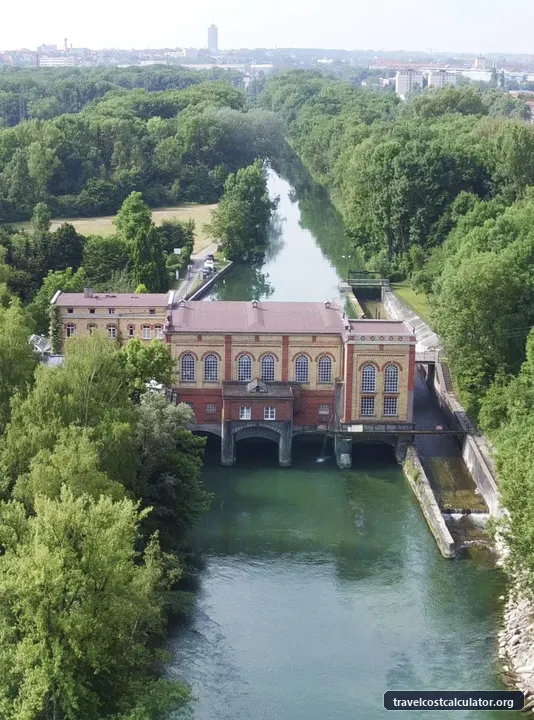
The Hochablass Weir & Waterworks: A massive concrete dam and early 20th-century hydro station on the Lech River that regulates flow across the entire regional water grid.
-
✦
The 1972 Olympic Eiskanal: The world's very first artificial whitewater slalom course, constructed for the Munich Travel Budget 1972 Summer Olympics, fed directly by the historic canal system.
For modern travelers visiting in 2026, exploring Augsburg's water system isn't just about gazing at static monuments; it is an active journey through living history. The same channels that powered medieval grain mills now turn hydro turbines for green energy and feed pristine alpine-fed water through public drinking fountains across the city.
🎟️ Entrance Fees, Opening Hours & Ticket Booking Tips
Because the Water Management System of Augsburg is an open urban network rather than a single enclosed complex, exploring the majority of the outdoor monuments—such as the canals in the Lechviertel, the Hochablass weir, the Eiskanal, and the monumental fountains—is 100% FREE 24 hours a day, 365 days a year.
However, accessing key interior museums, historic water tower chambers, and guided engineering tours requires admission tickets. Below are the estimated 2026 pricing and visiting details:
2026 Key Attraction Prices & Hours
-
✦
Rotes Tor Water Towers (Wassertürme):
- Admission: €8.00 EUR ($8.70 USD) adults; €5.00 EUR ($5.45 USD) concessions.
-
✦
Opening Hours: Open May through October on weekends and public holidays only (10:00 AM – 5:00 PM). Access is via guided tours running every hour.
- Admission: €9.00 EUR ($9.80 USD) adults; €6.00 EUR ($6.50 USD) students/seniors; free for under 18s.
- Cost: €14.00 EUR ($15.25 USD) per person for a 2-hour expert-led walking tour through the Lechviertel and Rotes Tor.
- Cost: €15.00 EUR ($16.35 USD). Includes unlimited local public transit (buses/trams) and discounted entry to major city museums.
Pro Ticket Booking Advice for 2026
If you plan to tour the internal machinery of the Rotes Tor Water Towers, pre-booking online via the Regio Augsburg Tourismus portal is essential. Interior group sizes are strictly limited to 15 people per slot due to narrow wooden staircases and preservation guidelines. For casual visitors, downloading the free official "Augsburg Water Guide" app provides GPS-triggered audio commentary across all 22 UNESCO locations at zero cost.
🚌 How to Get There & Local Transit Costs
Augsburg is situated in southwestern Bavaria, making it exceptionally easy to reach from Munich, which serves as the primary international gateway.
1. Travel from Munich to Augsburg
-
✦
By ICE/IC High-Speed Train (Deutsche Bahn): Leaves Munich Hauptbahnhof (Hbf) every 15–20 minutes.
- Travel Time: ~28 to 32 minutes.
-
✦
2026 Cost: €19.00 – €36.00 EUR ($20.70 – $39.25 USD) one-way depending on early-bird advance booking (Sparpreis).
- Travel Time: ~42 to 50 minutes.
2. Navigating Augsburg via Local Public Transport (AVV)
The city transit system operated by the Augsburger Verkehrs- und Tarifverbund (AVV) is clean, punctual, and connects all scattered UNESCO water sites effortlessy.
-
✦
Single Zone Ticket: €3.30 EUR ($3.60 USD) – valid for 3 hours.
-
✦
AVV Day Ticket (Innenraum Single): €8.50 EUR ($9.25 USD) – unlimited rides across central zones until 3:00 AM the next day.
-
✦
Getting to key sites:
- To Rotes Tor: Tram 2 or 3 to station "Rotes Tor" (5 mins from Hbf).
-
✦
To Lechviertel Canals: Tram 1 to "Rathausplatz" or walk 10 minutes east from the main station.
-
✦
To Hochablass & Olympic Eiskanal: Tram 6 to "Am Eiskanal" or Tram 2 to "Haunstetten Nord" followed by a short scenic woodland walk along the Lech River.
📸 Best Photography Spots & Insider Visit Hacks
Capturing the harmony between medieval brickwork, rushing alpine water, and classical Renaissance architecture requires strategic timing.
Top 5 Photography Locations
-
✦
The Red Gate Water Towers (Rotes Tor): Shoot from the lower moat garden looking up at the multi-tiered towers. The timber-framed bridges crossing the aqueducts provide superb leading lines. Best time: Early morning for clean light and soft shadows.
-
✦
Vorderer Lech Canal in the Lechviertel: Standing on the bridge near Bäckergasse offers a idyllic scene of small stone houses reflecting in crystal-clear flowing canal water. Best time: Golden hour before sunset.
-
✦
The Renaissance Fountains on Maximilianstraße: Frame the Augustus Fountain against the grand facade of the Augsburg Town Hall (Rathaus). Best time: Twilight, when street lanterns illuminate the bronze figures.
-
✦
Hochablass Dam & Art Nouveau Pump House: Photograph the dramatic overflow of the Lech River against the historic 1912 hydro facility. Best time: Mid-afternoon on a clear day.
-
✦
The Olympic Eiskanal: Position yourself on the footbridge right above the rapid water surge to capture kayakers navigating the concrete slalom channels.
Insider Visit Hacks
-
✦
Seasonal Warning (Fountain Covers): The historic original bronze statues on the city fountains are replaced by exact replicas outdoors, while the originals are safely indoors at the Maximiliansmuseum. Furthermore, from mid-November to mid-April, outdoor fountains are enclosed in protective wooden boxes to prevent freeze damage. Visit between May and October for flowing water!
-
✦
Combine with the Fuggerei: Located right next to the canal district is the Fuggerei—the world's oldest social housing complex still in use (founded in 1521). It featured early integrated water infrastructure and costs just €8.00 EUR to visit.
-
✦
Rent a Bike for the Outer Sites: While the old town canals are easily walked, reaching the Hochablass dam, Proviantbach hydro plant, and Eiskanal is best done on two wheels. Rent a city bike via Nextbike Augsburg for approximately €10.00 – €15.00 EUR per day.
🏨 Nearby Accommodation & Daily Budget Allocation
Augsburg offers significantly better value for accommodation and dining than neighboring Munich, making it an excellent base for exploring western Bavaria.
Recommended Accommodations in 2026
-
✦
Budget: Übernacht Hostel or B&B Hotel Augsburg-Hbf
- Rates: €35.00 – €65.00 EUR ($38.00 – $71.00 USD) per night. Clean, modern amenities within walking distance of the central train station.
- Rates: €85.00 – €140.00 EUR ($92.50 – $152.50 USD) per night. Boutique Bavarian hospitality located right near the cathedral or water canal zones.
- Rates: €210.00 – €370.00 EUR ($228.00 – $403.00 USD) per night. Elegant historic hotel situated along the main fountain boulevard.
Estimated Daily Budget Breakdowns (2026 Rates)
Below is what you can expect to spend per day per person during a stay in Augsburg:
| Expense Category | Budget Traveler | Mid-Range Traveler | Luxury Traveler |
|---|---|---|---|
| Accommodation | €45.00 ($49.00) | €110.00 ($120.00) | €260.00 ($283.00) |
| Food & Drinks | €22.00 ($24.00) | €50.00 ($54.50) | €110.00 ($120.00) |
| Attractions & Tours | €8.00 ($8.70) | €22.00 ($24.00) | €45.00 ($49.00) |
| Local Transport | €8.50 ($9.25) | €8.50 ($9.25) | €30.00 ($32.70) (Taxis/Private) |
| TOTAL (Per Day) | €83.50 ($90.95) | €190.50 ($207.75) | €445.00 ($484.70) |
Dining Tip: Be sure to try traditional Swabian dishes like Kässpätzle (cheese egg noodles topped with crispy onions) or Maultaschen at historic local taverns like Ratskeller Augsburg or Bavaria Brauhaus. A full traditional meal with a half-liter of local brewery beer typically costs around €18.00 – €26.00 EUR ($19.50 – $28.30 USD).
Frequently Asked Questions
Essential visitor FAQs for Water Management System of Augsburg
What is the entrance fee for Water Management System of Augsburg?
How much time do you need to explore Water Management System of Augsburg?
How do I get to Water Management System of Augsburg from Munich?
📊 Heritage Quick Specs
Visiting Germany on a Budget?
Calculate your full daily travel budget for Germany — including hotel costs, local transport, food, and sightseeing expenses.
View Germany Daily Travel Costs →Explore more UNESCO World Heritage Sites
🏛️ All 1,200+ Heritage Sites →