
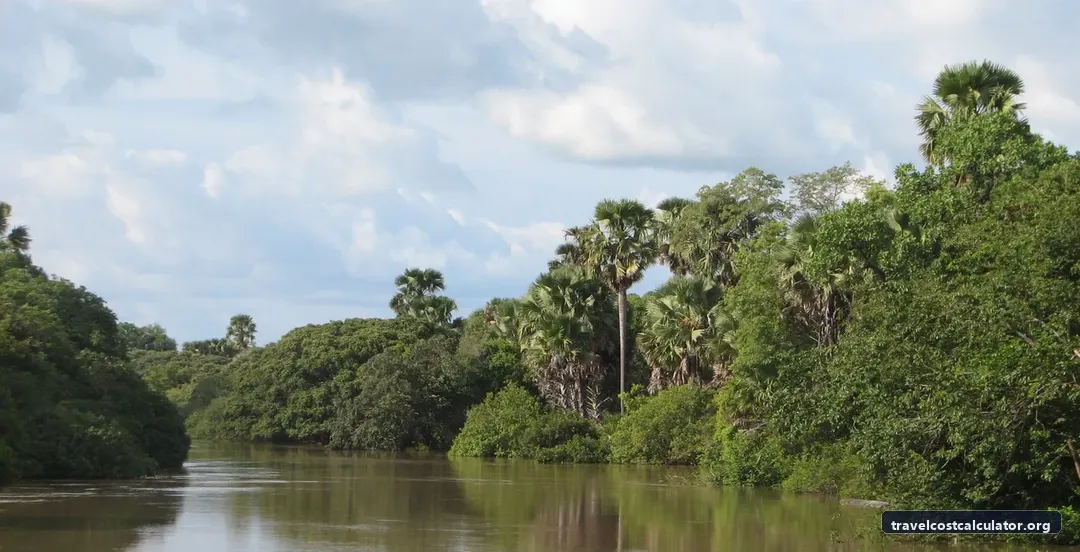
 Benin
W-Arly-Pendjari Complex
This transnational extension (Benin, Burkina Faso) to the W National Park of Niger, inscribed in 1996 on the World Heritage List, cover a major expanse of intact Sudano-Sahelian savannah, with vegetation types ...
W-Arly-Pendjari Complex
🏛️ Overview & Historical Significance
Spanning the wild frontiers of northern Benin, Burkina Faso, and Niger, the W-Arly-Pendjari (WAP) Complex represents the largest contiguous, intact Sudano-Guinean savanna ecosystem in West Africa. Initially designated as a UNESCO World Heritage site in 1996 through Benin’s W National Park, the reserve underwent a monumental expansion in 2017 to incorporate Burkina Faso’s Arly National Park and Benin’s world-renowned Pendjari National Park. Together, this multi-border sanctuary covers over 1.7 million hectares of pristine wilderness, acting as the ultimate sanctuary for West African biodiversity.
What sets the W-Arly-Pendjari Complex apart is its ecological status as the last major stronghold for critically endangered megafauna in the region. It hosts the largest remaining population of the critically endangered West African lion (Panthera leo leo), estimated to number fewer than 400 individuals in the wild. Additionally, the complex shelters the region's largest herd of West African savannah elephants, Northwestern African cheetahs, spotted hyenas, roan antelopes, Western hartebeests, topi, and over 460 bird species.
In recent years, management of Benin’s sector—most notably Pendjari National Park—has been executed under a long-term public-private partnership with the non-profit conservation organization African Parks in collaboration with the Beninese government. This partnership has overhauled security infrastructure, revitalized anti-poaching operations, restored biological corridors, and created sustainable economic pathways for local communities. For wildlife enthusiasts and adventurous travelers in 2026, exploring this UNESCO treasure offers an authentic, untamed West African safari experience unmatched anywhere else on the continent.
🎟️ Entrance Fees, Opening Hours & Ticket Booking Tips
Visiting the W-Arly-Pendjari Complex requires careful planning, as entry regulations, permits, and conservation fees are managed directly to support ongoing law enforcement and community conservation programs. All prices below reflect updated 2026 rates in West African CFA Francs (XOF) and US Dollar equivalents (approx. 600 XOF = 1 USD).
2026 Entrance Fee Structure
-
✦
International Adult Visitors: 25,000 XOF (~$42 USD) per person, per day.
-
✦
ECOWAS Regional Nationals: 15,000 XOF (~$25 USD) per person, per day.
-
✦
Beninese Citizens & Local Residents: 5,000 XOF (~$8.50 USD) per person, per day.
-
✦
Children (Ages 6–12): 50% discount on applicable adult rate; free entry for children under 6.
-
✦
Vehicle Permit Fee: 10,000 XOF (~$17 USD) per 4x4 vehicle, per day.
-
✦
Mandatory Park Guide: 15,000 to 20,000 XOF (~$25 – $33 USD) per day (paid directly to certified park guides at the entrance gates).
Opening Hours & Access Rules
The main gates to Pendjari National Park (such as Batia Gate) are open daily from 06:00 to 18:00. Game drives outside these hours are strictly forbidden unless accompanied by an official park ranger for designated night safaris. Self-driving within the reserve without an official certified guide is prohibited to ensure visitor safety, navigation accuracy, and wildlife protection.
Essential Booking Tips for 2026
-
✦
Pre-Registration: Visitors are strongly encouraged to register their trip in advance via the official African Parks / Pendjari National Park online portal or through authorized eco-tour operators in Natitingou or Cotonou Travel Budget.
-
✦
Payment Methods: While credit card terminals (Visa/Mastercard) are available at primary reception offices, network signals in rural Benin can fluctuate. Always carry sufficient cash in West African CFA Francs (XOF) for entry permits, guide fees, and tipping.
-
✦
Identification & Permits: Carry valid passports and physical printouts of your Benin e-Visa (or ECOWAS entry documents) to present at check-in stations and security checkpoints along the route.
🚌 How to Get There & Local Transit Costs
Reaching the W-Arly-Pendjari Complex is an adventure that takes you from Benin’s coastal commercial capital of Cotonou deep into the rugged Atakora Mountains of the northwest. The primary safari staging hub for the complex is the regional city of Natitingou.
Step 1: Traveling from Cotonou to Natitingou
Natitingou lies approximately 520 kilometers (323 miles) north of Cotonou. You have two main transit options:
-
✦
Long-Distance Express Bus (Recommended): Premium long-distance coach operators like Baobab Express or ATT (Autocars du Littoral) offer reliable, air-conditioned bus services departing daily from Cotonou to Natitingou.
- Fare: 13,000 – 16,000 XOF (~$21 – $27 USD) one-way.
-
✦
Travel Time: 9 to 11 hours depending on traffic and road conditions.
- Cost: 120,000 – 180,000 XOF (~$200 – $300 USD) per day, plus fuel.
Step 2: Traveling from Natitingou to Pendjari Entry Gates
From Natitingou, the main entry point to Pendjari (Batia Gate) is located about 50 to 70 kilometers north depending on your route.
-
✦
4x4 Safari Vehicle Rental: Standard sedans cannot traverse the rugged terrain inside the park. You must hire a rugged 4x4 (such as a Toyota Land Cruiser) equipped for bush terrain.
- Cost: 75,000 – 120,000 XOF (~$125 – $200 USD) per day, including driver/guide and fuel. Splitting this cost among 3 to 4 travelers makes it highly affordable.
📸 Best Photography Spots & Insider Visit Hacks
Optimal Photography Locations
-
✦
Mare de Bali Travel Budget (Bali Waterhole): Located in the heart of Pendjari, this expansive permanent waterhole is the absolute crown jewel for wildlife photography. During the heat of the day and late afternoon, large herds of elephants, roan antelopes, waterbucks, and occasional lion prides gather along the banks.
-
✦
Mare de Fogou: A serene wetland spot ideal for photographing pods of hippos, Nile crocodiles, and vibrant birdlife including pelicans, saddle-billed storks, and kingfishers.
-
✦
Atakora Escarpment Overlooks: The dramatic red sandstone cliffs surrounding the park perimeter offer magnificent landscape photography at sunset, capturing the broad savanna woodland below.
Insider Visit Hacks for 2026
-
✦
Timing the Dry Season: The peak window to visit is between December and April. By February through April, secondary waterholes dry up, forcing wildlife to concentrate densely around the remaining permanent water bodies (Bali and Fogou), delivering incredible viewing density.
-
✦
Mastering the Golden Hour: Plan your game drives to depart precisely at 06:00 AM. Wildlife is most active at dawn before the midday sun hits. Afternoon game drives from 15:30 to 18:00 yield rich lighting against the red dust of the savanna.
-
✦
Camera Gear & Dust Protection: Dry season travel brings the Harmattan—a dry wind carrying fine Sahara dust. Bring a sealed camera bag, lens protection filters, and cleaning kits. A telephoto zoom lens (minimum 300mm to 600mm) is crucial for low-impact safari photography.
-
✦
Attire & Insect Protection: Wear lightweight, breathable clothing in neutral tones (khaki, tan, olive green). Avoid bright colors, white, and dark blue/black (blue and black tend to attract tsetse flies). Apply DEET-based mosquito repellent for dawn/dusk drives.
🏨 Nearby Accommodation & Daily Budget Allocation
Accommodation options range from rustic bush lodges inside the park perimeter to comfortable, authentic regional hotels in the gateway town of Natitingou.
Where to Stay
-
✦
Inside the Park / Reserve Boundary:
- Pendjari Safari Lodge / Hotel de la Pendjari: Safari-style tented camps and bungalows offering full-board packages, guided night drives, and stunning wilderness immersion. Rates in 2026 range from 90,000 to 210,000 XOF (~$150 – $350 USD) per room per night.
- Hotel Tata Somba: A charming mid-range hotel designed after traditional Somba architecture, featuring a pool and restaurant. Rates: 25,000 – 45,000 XOF (~$42 – $75 USD) per night.
Daily Travel Budget Allocations (2026 Estimates)
To help plan your trip financially, here is a realistic daily breakdown per person based on your preferred style of travel:
-
✦
Budget Backpacker: $75 – $110 USD / day
- Stay in Natitingou guesthouses (shared room).
-
✦
Share local 4x4 charter costs among 4 people.
-
✦
Dine on local West African dishes (pounded yam, rice, grilled chicken) in town: ~$10 – $15 USD / day.
-
✦
Covers daily park entry permits and shared guide fees.
- Stay in a mid-range hotel in Natitingou or perimeter lodge.
- Stay in high-end luxury tented camps inside the park (full board included).
Frequently Asked Questions
Essential visitor FAQs for W-Arly-Pendjari Complex
What is the entrance fee for W-Arly-Pendjari Complex in 2026?
How much time do you need to explore W-Arly-Pendjari Complex?
How do I get to W-Arly-Pendjari Complex from the nearest city?
📊 Heritage Quick Specs
Visiting Benin on a Budget?
Calculate your full daily travel budget for Benin — including hotel costs, local transport, food, and sightseeing expenses.
View Benin Daily Travel Costs →Explore more UNESCO World Heritage Sites
🏛️ All 1,200+ Heritage Sites →