
 Norway
Vegaøyan – The Vega Archipelago
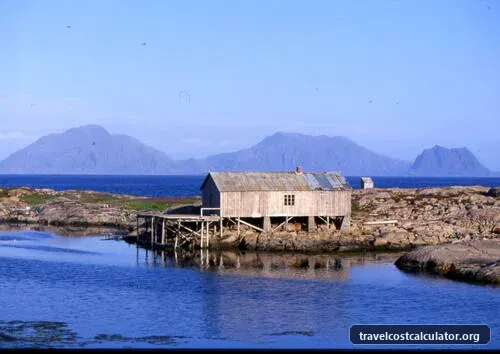
A cluster of dozens of islands centred on Vega, just south of the Arctic Circle, forms a cultural landscape of 107,294 ha, of which 6,881 ha is land.
Vegaøyan – The Vega Archipelago
🏛️ Overview & Historical Significance
Positioned just south of the Arctic Circle along Norway’s dramatically indented Helgeland coast, Vegaøyan – The Vega Archipelago is an extraordinary seascape comprising over 6,500 islands, islets, and reefs. Spanning 103,000 hectares of marine and terrestrial landscape, this UNESCO World Heritage Site (designated in 2004) stands as a living testament to how human ingenuity and natural stewardship can forge a sustainable ecosystem over millennia.
Settled shortly after the last Ice Age—nearly 10,000 years ago—the archipelago’s inhabitants developed a unique cultural landscape shaped by fishing, farming, and an ancient, symbiotic relationship with the wild eider duck (Somateria mollissima). For centuries, local islanders, primarily women, built small wooden houses, stone shelters, and seaweed nests (*e-hus*) to protect nesting eider ducks from predators like sea eagles and minks. In exchange for sanctuary, the ducks rewarded the islanders with the world’s softest, warmest down, harvested gently from the nests after the fledglings departed.
UNESCO inscribed Vegaøyan under cultural criterion (v), recognizing it as an outstanding example of a traditional human settlement and land use representative of a maritime culture. Today, the archipelago remains one of the few places on Earth where this centuries-old practice of eiderdown harvesting continues. Visiting Vega in 2026 offers travel connoisseurs an authentic glimpse into North Norwegian coastal heritage, set against the backdrop of glass-clear Arctic ocean waters, towering granite summits, and vibrant fishing villages.
🎟️ Entrance Fees, Opening Hours & Ticket Booking Tips
Exploring the open island landscapes, hiking paths, and coastal beaches of the Vega Archipelago is completely free under Norway’s traditional Allemannsretten (Right to Roam). However, key heritage installations, guided excursions, and specialized cultural centers require paid admission. Below are the updated 2026 pricing estimates and visit logistics.
Vega World Heritage Center (Verdensarvsenteret at Nes)
Located at Nes on the main island of Vega, this architectural marvel offers immersive exhibitions on eiderdown traditions, coastal wildlife, and island history.
-
✦
Adult Admission: 140 NOK (~$13.50 USD)
-
✦
Seniors & Students: 110 NOK (~$10.50 USD)
-
✦
Children (Ages 6–15): 60 NOK (~$5.75 USD)
-
✦
Family Pass (2 Adults + Up to 3 Children): 340 NOK (~$32.50 USD)
-
✦
Opening Hours (2026 Peak Season: June 1 – August 31): Daily from 10:00 AM to 6:00 PM.
-
✦
Shoulder Season (May & September): Wednesday through Sunday, 11:00 AM to 4:00 PM (Closed Mon/Tue). Off-season visits outside these months require prior booking.
Vegatrappene (Vega Stairs) & Via Ferrata Ravnfloget
The iconic wooden staircase featuring nearly 2,000 steps ascends the steep mountain face of Ravnfloget to offer breathtaking panoramic views across the island labyrinth.
-
✦
Vegatrappene Hiking Access: Free (donation supported at trailhead).
-
✦
Guided Via Ferrata Ravnfloget Climb: ~950 NOK to 1,250 NOK (~$90 to $120 USD) per person, including safety harness, helmet, and expert mountain guide. Advance booking online is essential during summer.
Lånan Eider Duck Sanctuary Excursions
Lånan is the largest eider duck nesting ground in the archipelago. Access is strictly controlled to preserve the habitat.
-
✦
Guided Boat Tour to Lånan (Late June – August): ~1,200 NOK to 1,500 NOK (~$115 to $145 USD) per adult. Includes round-trip boat transfer from Nes/Gladstad, guided island tour, traditional coffee, and cakes inside an authentic tender’s cottage.
Essential 2026 Booking Tip: Nesting season takes place from May 15 to June 15. During this month, sanctuary islands like Lånan, Skjærvær, and Flovær are strictly closed to all visitors to prevent disturbing incubating ducks. Plan your visit for July or August if you wish to join guided island-hopping tours.
🚌 How to Get There & Local Transit Costs
Reaching Vega requires navigating Norway's efficient transport network of regional flights, coastal express passenger catamarans, and car ferries. The primary mainland gateways are Brønnøysund and Sandnessjøen in Nordland county.
Step 1: Reaching the Mainland Gateway
-
✦
By Air: Fly into Brønnøysund Airport, Brønnøy (BNN) or Sandnessjøen Airport, Stokka (SSJ) via Widerøe airlines connecting from Oslo Travel Budget (OSL) or Trondheim (TRD). Return flights in peak summer 2026 average $220–$420 USD.
-
✦
By Coastal Express Boat / Hurtigruten / Havila: Coastal voyages dock at Brønnøysund or Sandnessjøen daily.
Step 2: Ferry Connections to Vega Island
-
✦
Car Ferry from Horn to Igerøy (Vega): Horn ferry port is located 15 km north of Brønnøysund. The ferry run by Torghatten Nord takes ~45 minutes.
- Standard Passenger: Free under Norwegian regional island transit initiatives.
-
✦
Standard Car + Driver (2026 Fare): ~110 NOK (~$10.50 USD) one-way. Electric vehicles equipped with an AutoPASS tag receive a ~20–30% discount.
Step 3: Getting Around Vega Island
-
✦
Car Rental: Available at Brønnøysund Airport or Gladstad on Vega. Expect 2026 summer rates of 950 NOK to 1,400 NOK (~$90 to $135 USD) per day. A car is recommended if you wish to reach remote trailheads quickly.
-
✦
Bicycle / E-Bike Rentals: Highly recommended due to Vega’s flat coastal perimeter. Available at the Igerøy ferry terminal and Vega World Heritage Center for ~350 NOK to 550 NOK (~$33 to $52 USD) per day.
-
✦
Local Bus 231: Synchronized with ferry arrivals at Igerøy, connecting to Gladstad and Nes. Fares start at 42 NOK (~$4.00 USD) per single ride.
📸 Best Photography Spots & Insider Visit Hacks
Top Photography Locations
-
✦
Ravnfloget Summit via Vegatrappene: Capture wide-angle vistas of the 6,500 islands stretching toward the Horizon. Shoot at late afternoon or during the Midnight Sun for long, golden shadows across the turquoise channels.
-
✦
Nes Waterfront & Eider Duck Houses: Frame the rustic wooden e-hus structures against the sharp peaks of Søla Island in the background.
-
✦
Eidem Beach (Eidemssjøen): A hidden gem on the southern coast featuring pristine white shell sand, crystal ocean waters, and dark granite crags. Perfect for long-exposure coastal photography.
-
✦
Søla Island Viewpoint: The steep, uninhabited island peak of Søla forms a dramatic silhouette against Arctic sunsets.
Insider Visit Hacks
-
✦
Harness the Midnight Sun: From late May through mid-July, Vega experiences 24 hours of daylight. Popular trails like Vegatrappene can get busy between 11:00 AM and 3:00 PM; hike around 10:00 PM for absolute solitude under surreal pastel night skies.
-
✦
Weather Resilience: Maritime weather off the Nordland coast shifts rapidly. Pack high-quality windproof and waterproof outer layers, even during warm July days (average summer temperatures range from 12°C to 20°C / 54°F to 68°F).
-
✦
Register for AutoPASS: If driving a rental car from mainland Norway, sign up for AutoPASS for Ferries beforehand to automate toll payments and unlock discounted fares across Nordland ferry routes.
🏨 Nearby Accommodation & Daily Budget Allocation
Accommodation options on Vega range from traditional maritime rorbuer (converted fishermen's cabins) to cozy boutique hotels and scenic coastal campsites. Booking at least 4 to 6 months ahead for the June–August 2026 season is strongly advised due to limited inventory.
Accommodation Options
-
✦
Budget: Vega Havcamping / Holmnesset Camping – Pitch your tent or park a campervan right on the shore for ~250 NOK to 400 NOK (~$24 to $38 USD) per night. Simple private rooms at local guesthouses cost ~850 NOK to 1,150 NOK (~$80 to $110 USD).
-
✦
Mid-Range: Nes Rorbuer or Igerøy Brygge – Fully equipped self-catering waterfront cabins offering ocean views. Costs range from 1,600 NOK to 2,400 NOK (~$150 to $230 USD) per night for up to 4 guests.
-
✦
Luxury / Culinary Focus: Vega Havhotell – Renowned for its world-class culinary experiences highlighting fresh local seafood, wild herbs, and Norwegian lamb. Double rooms range from 2,400 NOK to 3,400 NOK (~$230 to $325 USD) per night, including a gourmet breakfast.
Food & Dining Costs
-
✦
Gourmet Dining: A multi-course regional tasting dinner at Vega Havhotell costs ~900 NOK to 1,200 NOK (~$85 to $115 USD) per person without wine pairings.
-
✦
Casual Cafes: Lunch at Verdensarvsenteret Café (fresh fish soup, open-faced shrimp sandwiches, local pastries) averages 180 NOK to 290 NOK (~$17 to $28 USD).
-
✦
Self-Catering: Supermarkets (Coop Extra in Gladstad) provide fresh produce and groceries. Allocate roughly 220 NOK to 350 NOK (~$21 to $33 USD) per day per person for home-cooked meals.
Estimated Daily Travel Budgets (2026)
-
✦
Budget Traveler: $75 – $110 USD / day (Camping/hostel room, ferry as passenger, bike rental, self-catering groceries, free hikes).
-
✦
Mid-Range Traveler: $220 – $340 USD / day (Shared Rorbu cabin or mid-range hotel, car rental portion + car ferry, UNESCO center admission, lunch at café, light dining out).
-
✦
Luxury Traveler: $550+ USD / day (Vega Havhotell accommodation, multi-course dining, private guided eider boat excursions, Via Ferrata climb, full vehicle rental).
Frequently Asked Questions
Essential visitor FAQs for Vegaøyan – The Vega Archipelago
What is the entrance fee for Vegaøyan – The Vega Archipelago?
How much time do you need to explore Vegaøyan – The Vega Archipelago?
How do I get to Vegaøyan – The Vega Archipelago from the nearest city?
📊 Heritage Quick Specs
Visiting Norway on a Budget?
Calculate your full daily travel budget for Norway — including hotel costs, local transport, food, and sightseeing expenses.
View Norway Daily Travel Costs →Explore more UNESCO World Heritage Sites
🏛️ All 1,200+ Heritage Sites →