
 Brazil
Valongo Wharf Archaeological Site
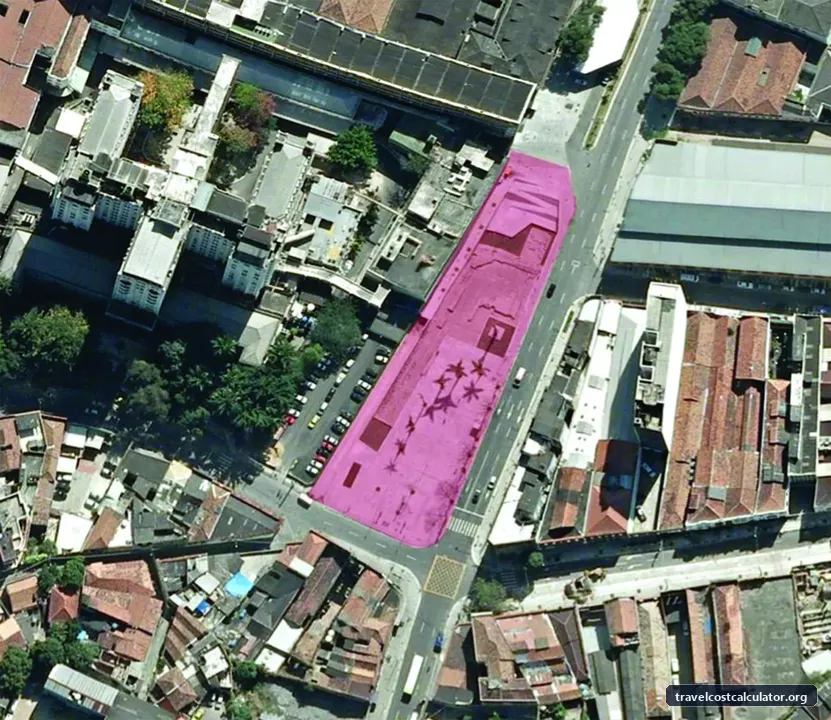
Valongo Wharf Archaeological Site is located in central Rio de Janeiro and encompasses the entirety of Jornal do Comércio Square.
Valongo Wharf Archaeological Site
🏛️ Overview & Historical Significance
Located in the heart of Rio de Janeiro Travel Budget's revitalized harbor district—known historically as Pequena África (Little Africa)—the Valongo Wharf Archaeological Site (Sítio Arqueológico Cais do Valongo) stands as one of the most powerful and poignant heritage sites in the Americas. Built in 1811, this former stone pier served as the primary landing location for enslaved Africans arriving in South America. Historians estimate that between 1811 and 1831, over 900,000 enslaved men, women, and children were disembarked directly onto Valongo's basalt cobblestones, making it the largest single point of entry for enslaved Africans in human history.
In 2017, UNESCO inscribed the Valongo Wharf Archaeological Site on the World Heritage List under Category VI. UNESCO designated it as a site of memory—placing it in the same sacred historical category as Hiroshima Peace Memorial and Goree Island Travel Budget in Senegal—because it provides the physical, tactile evidence of the transatlantic slave trade's vast scale and human cost.
Buried for over a century beneath urban expansion projects—including the 1843 Empress Wharf upgrade and subsequent 20th-century landfills—the original stone paving (*pedras pé de moleque*) was unearthed in 2011 during municipal excavations for the Porto Maravilha urban renewal project. Today, the excavated open-air pit allows visitors to stand before the original stones walked on by hundreds of thousands of Africans. It serves as a vital monument for honoring African diaspora history, sacred Afro-Brazilian traditions, and the cultural foundations of modern Brazilian society, including the birthplace of Samba at nearby Pedra do Sal Travel Budget.
🎟️ Entrance Fees, Opening Hours & Ticket Booking Tips
Visiting the Valongo Wharf Archaeological Site is straightforward, accessible, and free of physical barriers. Because it is an open-air public monument maintained by the City of Rio de Janeiro and the National Institute of Historic and Artistic Heritage (IPHAN), there are no turnstiles or compulsory admission charges.
-
✦
General Site Entrance Fee: Free (0 BRL / $0.00 USD).
-
✦
Opening Hours: Accessible 24/7 as an open plaza. However, optimal visiting hours are Tuesday through Sunday from 9:00 AM to 5:00 PM, when local security presence is high, interpretation kiosks are open, and surrounding museums are active.
-
✦
Nearby MUHCAB (Museum of History and Culture of Afro-Brazilian Heritage): Free entry (suggested donation R$ 10 / $2.00 USD). Open Tuesday–Sunday, 10:00 AM – 5:00 PM.
-
✦
Instituto Pretos Novos (IPN): R$ 20 BRL (~$4.00 USD) entry ticket. Highly recommended extension site located 5 minutes away on foot.
Guided Tour Options & Booking Advice
While looking at the exposed stone paving is free, experiencing Valongo without historical context means missing its depth. We strongly recommend booking an Afro-centric heritage walking tour through Pequena África.
-
✦
Small Group Heritage Walking Tours: Expect to pay between R$ 60 and R$ 120 BRL ($12 to $24 USD) per person for a 2.5-hour tour led by local historians or community leaders.
-
✦
Self-Guided Visits: Download an offline map and scan the QR codes on the official information panels installed around the perimeter perimeter. Ensure your smartphone is fully charged, though keep it secure while walking around public streets.
🚌 How to Get There & Local Transit Costs
Valongo Wharf is situated in the Saúde / Gamboa neighborhood within Rio de Janeiro's Central Zone. Navigating to the site using Rio's modern mass transit system is simple, budget-friendly, and efficient in 2026.
1. Via VLT Carioca (Light Rail Tramway) — *Recommended*
The cleanest and most direct transport method is the VLT Carioca tram system, which integrates directly with the main airport and central train/metro hubs.
-
✦
Line: Take VLT Line 1 (Blue) or Line 2 (Green) to the "Cais do Valongo" station or "Parada dos Museus" station.
-
✦
Cost: Single transit fare is R$ 5.00 BRL (~$1.00 USD). You must purchase and charge a rechargeable Riocard Mais card at any station kiosk before boarding. Note: Each traveler must validate their own card upon entering the tram.
2. Via Metro Rio + Tram Connection
If travelling from southern beach neighborhoods like Copacabana, Ipanema, or Leblon:
-
✦
Take Metro Line 1 or Line 2 north toward Centro and exit at Uruguaiana Station.
-
✦
Single Metro fare: R$ 7.50 BRL (~$1.50 USD).
-
✦
From Uruguaiana, walk 3 minutes to the VLT tram stop at Candelária and take Line 1 northbound to Cais do Valongo (2 stops), or take a pleasant 12-minute walk down Avenida Barão de Tefé.
3. Via Rideshare (Uber / 99) or Taxi
-
✦
From Copacabana / Ipanema: R$ 35 to R$ 55 BRL ($7 to $11 USD), depending on traffic; 25–40 minutes travel time.
-
✦
From Santos Dumont Airport (SDU): R$ 15 to R$ 25 BRL ($3 to $5 USD); 10 minutes travel time.
-
✦
From Galeão International Airport (GIG): R$ 45 to R$ 75 BRL ($9 to $15 USD); 25–35 minutes via the Red Line highway.
📸 Best Photography Spots & Insider Visit Hacks
To capture compelling photographs while remaining respectful of this memorial site's solemnity, keep the following insider tips in mind:
Top Photography Angles
-
✦
The Elevated South Ramp: Stand at the concrete overlook on Avenida Barão de Tefé looking down into the stone excavation trench. This provides a clear perspective of the multi-layered paving stones (the 1811 Valongo layer vs. the 1843 Empress layer).
-
✦
The Commemorative Plaque & Totem: Frame the official UNESCO bronze plaque with the excavated ramp in the background and the historic slopes of *Morro da Conceição* behind it.
-
✦
Street Art Integration: Walk one block toward Avenida Rodrigues Alves to photograph Eduardo Kobra's world-famous Etnias (Ethnicities) mural, which complements the cultural journey of the African diaspora in the port region.
Insider Visit Hacks
-
✦
Ideal Weather & Time of Day: Visit in the early morning between 8:30 AM and 10:30 AM. Morning light illuminates the stone pits without harsh shadows, temperatures are comfortable, and street crowds are light.
-
✦
Seasonal Timing: The best weather in Rio occurs during the dry winter/spring season from May to September, featuring lower humidity and pleasant daylight temperatures averaging 22°C–26°C (72°F–78°F).
-
✦
Combine Cultural Landmarks: Construct a complete 4-hour historical circuit: Start at Cais do Valongo, walk 5 minutes to Instituto Pretos Novos (the historic burial site of newly arrived enslaved people), visit MUHCAB, and conclude with lunch or afternoon refreshments near Pedra do Sal.
-
✦
Safety Notice: While the area surrounding Olympic Boulevard and Praça Mauá is well-patrolled, exercise standard urban awareness. Avoid displaying expensive camera gear or smartphones loosely in dark side alleys, especially after 6:00 PM on weekdays.
🏨 Nearby Accommodation & Daily Budget Allocation
Staying near the Port Zone (Porto Maravilha / Centro) puts you close to Rio's historical core, while coastal neighborhoods like Santa Teresa and Flamengo offer quick transit access to Valongo Wharf.
Accommodation Recommendations (2026 Estimated Fares)
-
✦
Budget Option (Hostels & Guesthouses): Hostels in neighboring Santa Teresa or Centro (e.g., Selina Lapa or local historic guesthouses). Bed in shared dorm: R$ 80 – R$ 140 BRL ($16 – $28 USD)/night. Private budget room: R$ 200 – R$ 320 BRL ($40 – $64 USD)/night.
-
✦
Mid-Range Option (Boutique & Business Hotels): Novotel RJ Porto Maravilha or ibis Rio de Janeiro Porto Maravilha (located within walking distance of Valongo Wharf). Standard double room: R$ 380 – R$ 650 BRL ($76 – $130 USD)/night.
-
✦
Upper-Mid / Heritage Option: Boutique hotels along Morro da Conceição or Santa Teresa hillsides. Double room: R$ 700 – R$ 1,200 BRL ($140 – $240 USD)/night.
Dining Options Near the Site
-
✦
Traditional Executive Lunch (*Prato Feito*): Small neighborhood *botecos* along Rua Sacadura Cabral offer classic Brazilian plates (rice, beans, steak/chicken, farofa, and salad) for R$ 25 – R$ 40 BRL ($5 – $8 USD).
-
✦
Cultural Dining: Visit eateries near *Pedra do Sal* for authentic Friday or weekend Feijoada (black bean and pork stew) served with fresh caipirinhas for R$ 45 – R$ 75 BRL ($9 – $15 USD).
Daily Travel Budget Summary for Rio Historic Port Area
Planning your daily expenses around a trip to Valongo Wharf and the surrounding district:
-
✦
Backpacker / Low-Budget Daily Average: R$ 190 – R$ 280 BRL ($38 – $56 USD) (Includes hostel dorm, VLT transit, local boteco meals, free site admission, and modest entry fees to nearby museums).
-
✦
Mid-Range Traveler Daily Average: R$ 550 – R$ 950 BRL ($110 – $190 USD) (Includes 3-star port hotel, Uber rides, guided heritage tour, sit-down dining, and evening samba drinks).
Frequently Asked Questions
Essential visitor FAQs for Valongo Wharf Archaeological Site
What is the entrance fee for Valongo Wharf Archaeological Site?
How much time do you need to explore Valongo Wharf Archaeological Site?
How do I get to Valongo Wharf Archaeological Site from the nearest city?
📊 Heritage Quick Specs
Visiting Brazil on a Budget?
Calculate your full daily travel budget for Brazil — including hotel costs, local transport, food, and sightseeing expenses.
View Brazil Daily Travel Costs →Explore more UNESCO World Heritage Sites
🏛️ All 1,200+ Heritage Sites →