
 Germany
Upper Middle Rhine Valley
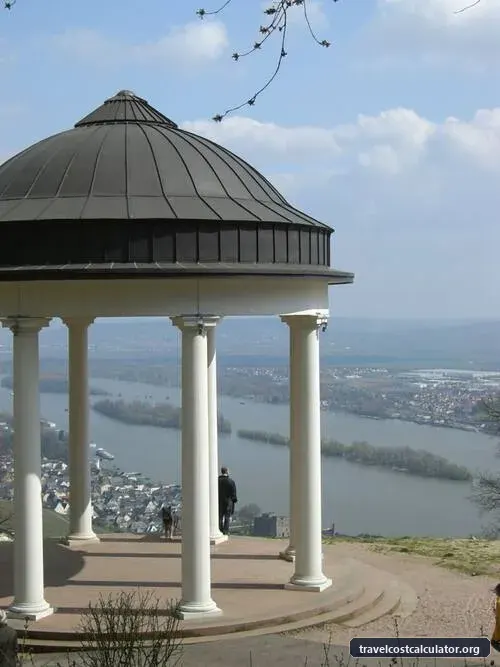
The 65km-stretch of the Middle Rhine Valley, with its castles, historic towns and vineyards, graphically illustrates the long history of human involvement with a dramatic and varied natural landscape.
Upper Middle Rhine Valley
🏛️ Overview & Historical Significance
Stretching 65 kilometers along the river between the historic towns of Bingen and Rüdesheim in the south and Koblenz in the north, the Upper Middle Rhine Valley (Oberes Mittelrheintal) stands as one of Europe’s most dramatic cultural landscapes. Inscribed as a UNESCO World Heritage site in 2002, this breathtaking gorge illustrates an extraordinary interaction between human activity and a rugged natural river valley over two millennia. The area features over 40 hilltop castles, fortresses, medieval ruins, and terraced Riesling vineyards clinging to sheer slate cliffs.
Historically, the Rhine served as the primary trade highway between Northern Europe and the Mediterranean basin. To capitalize on this vital waterway, medieval emperors, prince-bishops, and feudal lords constructed fortified castles on strategic promontories every few kilometers to levy tolls on passing merchant ships. This high concentration of fortifications is unmatched anywhere else in the world. The valley is also deeply intertwined with folklore—most famously the legend of the Loreley, a treacherous 132-meter slate rock near St. Goarshausen where a siren’s song lured sailors to their doom in the river’s whirlpools.
In the 19th century, the region became the birthplace of Rhine Romanticism (Rheinromantik). Celebrated by poets like Lord Byron and Heinrich Heine, and captured in luminous watercolors by J.M.W. Turner, the enchanted landscape transformed into a central pillar of European travel culture and Grand Tour itineraries—a legacy that continues to draw discerning travelers today.
🎟️ Entrance Fees, Opening Hours & Ticket Booking Tips
Access to the Upper Middle Rhine Valley region itself is entirely free, as it is a lived-in cultural landscape spanning dozens of historic towns. However, visiting individual castles, taking cable cars, and embarking on river cruises carry entry fees and transportation tickets. As of 2026, pricing structures and opening logistics for major highlights are detailed below:
Key Sightseeing Costs & Entrance Fees (2026 Estimates)
-
✦
Marksburg Castle (Braubach): The only never-destroyed medieval hill castle on the Rhine. Adult Entry (Includes Mandatory 50-min Guided Tour): €11.50 ($12.50 USD). Concessions: €9.50 ($10.30 USD). Open daily 10:00 AM – 5:00 PM (March–November) and 11:00 AM – 4:00 PM (Winter).
-
✦
Rheinfels Castle Ruins (St. Goar): Massive fortress ruin with underground tunnels. Adult Entry: €7.50 ($8.10 USD); Children (6–14): €4.00 ($4.30 USD). Open daily 9:00 AM – 6:00 PM (April–October). Flashlights recommended for cave exploration.
-
✦
Burg Rheinstein (Trechtingshausen): Restored romantic castle with valley views. Adult Entry: €8.50 ($9.20 USD). Open Wednesday–Sunday 10:00 AM – 5:00 PM.
-
✦
KD Rhine River Cruise (Day Pass): Köln-Düsseldorfer (KD) line operates the main passenger fleet. Hop-On Hop-Off Day Ticket: €38.00 ($41.00 USD). Single leg (e.g., Rüdesheim to St. Goar, ~1.5 hours): €24.00 ($26.00 USD).
-
✦
Rüdesheim Cable Car (Seilbahn) to Niederwald Monument: Round-trip ticket: €11.00 ($12.00 USD). Ring Tour Combination Ticket (Cable car + chairlift + boat): €23.00 ($25.00 USD).
Ticket Booking Hacks & Budget Tips
-
✦
Book KD Cruise Tickets Online: Purchasing river cruise tickets on the official KD website at least 48 hours in advance yields a 10%–15% early-bird discount during peak season (May to October).
-
✦
Rail & Cruise Discounts: Showing a valid Deutsche Bahn train ticket or regional transit pass (such as the Rheinland-Pfalz-Ticket) often grants a 20% discount on KD passenger ferries.
-
✦
Winter Closures: Many smaller castles (such as Burg Sooneck or Pfalzgrafenstein) close entirely from late November through mid-March for conservation. Plan visits between late April and mid-October for maximum accessibility.
🚌 How to Get There & Local Transit Costs
The main gateways to the Upper Middle Rhine Valley are Frankfurt am Main (FRA) to the southeast and Koblenz to the north. Because trains run directly along both banks of the river, accessing the valley is simple and scenic.
1. Train Travel from Frankfurt am Main
From Frankfurt Hauptbahnhof (Central Station) or Frankfurt Airport, regional trains depart continuously toward the valley:
-
✦
Left Bank (Linksrheinische Bahn - RB26 / RE2): Services connect Frankfurt/Mainz to Bingen, Bacharach, Oberwesel, St. Goar, Boppard, and Koblenz. Journey time to Bacharach is approx. 1 hour 10 minutes. Regional ticket cost: ~€14.50 ($15.70 USD) single journey.
-
✦
Right Bank (Rechtsrheinische Bahn - RB10): Services run via Wiesbaden to Rüdesheim, Kaub, St. Goarshausen, and Braubach. Journey time to Rüdesheim is approx. 1 hour 5 minutes. Regional ticket cost: ~€13.00 ($14.10 USD) single journey.
2. Local Regional Transit & Day Passes
Traveling between valley towns is best done using regional transport networks (VRM and RMV):
-
✦
Rheinland-Pfalz-Ticket: Offers unlimited travel on regional trains and buses for 1 day across the region. Cost in 2026 is €29.00 ($31.50 USD) for the main traveler, plus €7.00 ($7.60 USD) per additional passenger up to 5 people total—an exceptional value for small groups.
-
✦
Deutschlandticket (2026): If traveling extensively across Germany, the nationwide monthly transit subscription (approx. €58.00 / $63.00 USD in 2026) covers all local trains (RB/RE) and transit buses operating along both riverbanks.
3. River Crossings (Car & Pedestrian Ferries)
Because there are no bridges across the Rhine between Mainz/Bingen and Koblenz (a distance of nearly 80 km), small local ferries (Rhein-Fähren) connect opposite banks at locations like St. Goar/St. Goarshausen, Boppard/Filsen, and Bingen/Rüdesheim. Ferries run continuously from morning to dusk.
-
✦
Pedestrian fare: €2.50 – €3.50 ($2.70 – $3.80 USD) single crossing.
-
✦
Car + Driver fare: €6.50 – €8.50 ($7.00 – $9.20 USD) single crossing.
📸 Best Photography Spots & Insider Visit Hacks
Capturing the ethereal mist, steep vineyards, and medieval architecture requires knowing where and when to position your camera along the canyon walls.
Top Photography Locations
-
✦
Postenturm (Bacharach): Climb the walking path through the terraced vineyards up to this historic watchtower. It provides a classic postcard view down over the slate-roofed town of Bacharach, St. Peter's Church, and Burg Stahleck perched above. Best shot during morning light.
-
✦
Maria Ruh Viewpoint (Urbar / near St. Goar): Positioned on the cliffside directly opposite the legend-shrouded Loreley Rock. Features a panoramic view of the sharp river bend and passing cargo barges. Excellent in late afternoon light.
-
✦
Pfalzgrafenstein Castle (Kaub): Located on a tiny island in the middle of the river, this castle resembles a stone ship anchored in the current. Photograph it from the Kaub ferry dock, or capture it from the heights of Burg Gutenfels.
-
✦
Boppard Gedeonseck (Vierseenblick): Take the Boppard chairlift (Sesselbahn, €11.00 round-trip) up to the mountain station. The lookout overlooks a dramatic 180-degree horseshoe bend in the Rhine where the river visually divides into what looks like four separate lakes.
Insider Travel Hacks
-
✦
Travel Downstream by Boat, Upstream by Train: River currents on the Rhine run strong (around 6–8 km/h). A boat trip from Rüdesheim to St. Goar going downstream takes roughly 1 hour 40 minutes. Going upstream against the current takes over 2.5 hours. Take the boat downriver for maximum scenery, and ride the fast RB26 train back!
-
✦
Experience Wine Festival Season: Visit during late September or October. The slopes turn blazing shades of yellow and amber, and local villages host festive Weinfeste (wine festivals) celebrating the fresh Riesling harvest.
-
✦
Explore Tunnels at Burg Rheinfels: Bring a headlamp or smartphone flashlight to Burg Rheinfels. Visitors are free to explore the unlit underground mine galleries and siege tunnels constructed during the 16th and 17th centuries.
🏨 Nearby Accommodation & Daily Budget Allocation
Staying directly inside the gorge allows you to experience the peaceful atmosphere after day-trippers return to Frankfurt. Accommodations range from historic hostelling inside authentic castles to 5-star historic estates.
Recommended Places to Stay (2026 Rates)
-
✦
Budget: DJH Jugendherberge Burg Stahleck (Bacharach) – Sleep inside a authentic 12th-century castle high above the Rhine. Shared dorm beds from €33.00 ($36.00 USD) including breakfast; private family rooms available around €85.00 ($92.00 USD). Advance booking 3–6 months ahead is mandatory.
-
✦
Mid-Range: Hotel Im Schulhaus (Lorch) or Hotel Rheinfels (St. Goar) – Charming, modern boutique options in historic wine villages. Rooms range from €110.00 to €170.00 ($120.00 – $185.00 USD) per night including buffet breakfast.
-
✦
Luxury / Castle Stay: Burghotel Auf Schönburg (Oberwesel) – A fairytale castle hotel featuring antique four-poster beds, romantic gardens, and fine dining overlooking the river canyon. Rooms range from €290.00 to €480.00 ($315.00 – $520.00 USD) per night.
Food & Dining Costs
Traditional Rhine taverns (Straußwirtschaften) serve regional specialties alongside local Rieslings. Expect to pay €14.00 – €22.00 ($15.00 – $24.00 USD) for traditional main dishes like Sauerbraten (marinated roast beef), Schnitzel with Spätzle, or crisp Flammkuchen (Alsatian thin-crust flatbread). A glass of locally grown slate-grown Riesling averages €4.50 – €7.00 ($4.90 – $7.60 USD).
Estimated Daily Budget Breakdowns (Per Person, 2026)
-
✦
Backpacker Budget Planner: €65 – €90 / $70 – $98 USD per day
- Hostel bed (e.g., Burg Stahleck): €35
-
✦
Regional train pass / Deutschlandticket share: €10
-
✦
Self-catering/bakery lunches + tavern dinner: €25
-
✦
1 castle entry ticket: €8
- 3-star hotel/guesthouse (double occupancy share): €75
- Luxury castle hotel stay (double occupancy share): €220
Frequently Asked Questions
Essential visitor FAQs for Upper Middle Rhine Valley
What is the entrance fee for Upper Middle Rhine Valley?
How much time do you need to explore Upper Middle Rhine Valley?
How do I get to Upper Middle Rhine Valley from the nearest city?
📊 Heritage Quick Specs
Visiting Germany on a Budget?
Calculate your full daily travel budget for Germany — including hotel costs, local transport, food, and sightseeing expenses.
View Germany Daily Travel Costs →Explore more UNESCO World Heritage Sites
🏛️ All 1,200+ Heritage Sites →