
 China
China
Tusi Sites
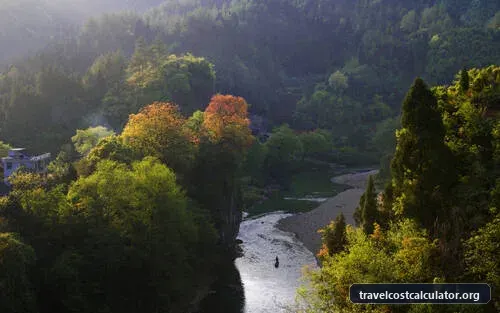
Located in the mountainous areas of south-west China, this property encompasses remains of several tribal domains whose chiefs were appointed by the central government as ‘Tusi’, hereditary rulers from the 13th to the early 20thcentury.
Tusi Sites
🏛️ Overview & Historical Significance
Inscribed as a UNESCO World Heritage Site in 2015, the Tusi Sites (土司遗址) offer a rare window into an ingenious political governance system that managed southwest China's mountainous frontiers for over seven centuries. Operating from the Yuan Dynasty through the Ming and Qing eras (13th to early 20th centuries), the Tusi system was a political administrative arrangement where the central imperial government granted hereditary tribal chieftainships to local ethnic leaders (primarily of Tujia, Miao, and Gelao heritage). This allowed indigenous populations to retain their customs, laws, and local governance while guaranteeing loyalty, taxation, and military support to the Emperor.
The UNESCO designation encompasses three distinct, exceptionally preserved sites spread across the rugged karst topography of Hunan, Hubei, and Guizhou provinces:
-
✦
Laosicheng Tusi Site (Yongshun County, Hunan Province): The grandest and longest-surviving administrative capital of the Peng Tusi dynasty, who ruled for over 600 years. Nestled along the Lingxi River, Laosicheng features an expansive urban grid including ancestral temples, drainage systems, defensive walls, royal tombs, and residential quarters.
-
✦
Tangya Tusi Site (Xianfeng County, Hubei Province): The political seat of the Qin Tusi dynasty. Spanning three mountain terraces, Tangya remains remarkable for its intact street patterns, majestic stone memorial archways (paifang), and stone-carved statues, epitomizing a harmonious blend of Han architectural techniques and ethnic minority art.
-
✦
Hailongtun Fortress (Zunyi City, Guizhou Province): A colossal mountain military stronghold constructed by the Yang Tusi clan. Perched at an altitude of nearly 1,350 meters on Longyan Mountain, this fortress features massive stone city gates, defensive ramparts, and palace ruins. It served as the dramatic setting for the famous Battle of Hailongtun in 1600, when Ming imperial armies besieged and dismantled the Yang chieftainship.
Together, these sites demonstrate Outstanding Universal Value by illustrating how ancient imperial China maintained national unity across vast, ethnically diverse frontier landscapes—an architectural and cultural legacy unmatched in East Asian history.
🎟️ Entrance Fees, Opening Hours & Ticket Booking Tips
Because the Tusi Sites are geographically separated across three provinces, each location requires an individual entry ticket. Below are the estimated updated rates and operating logistics for 2026:
1. Laosicheng Tusi Site (Hunan)
-
✦
Entrance Ticket + Eco-Shuttle Bus: ~100 CNY (~$14.00 USD) total per adult (80 CNY base entry + 20 CNY required internal electric shuttle).
-
✦
Opening Hours: 08:30 – 17:30 (Last admission at 16:30).
2. Tangya Tusi Site (Hubei)
-
✦
Entrance Ticket + Sightseeing Vehicle: ~90 CNY (~$12.50 USD) total per adult (80 CNY base entry + 10 CNY shuttle).
-
✦
Opening Hours: 08:30 – 17:00 (Last admission at 16:00).
3. Hailongtun Military Fortress (Guizhou)
-
✦
Entrance Ticket + Shuttle Bus: ~115 CNY (~$16.00 USD) total per adult (80 CNY base entry + 35 CNY round-trip mountain transit bus).
-
✦
Opening Hours: 08:00 – 18:00 in peak season (April–October); 08:30 – 17:00 in off-peak season.
Essential 2026 Ticket Booking Tips:
-
✦
Real-Name Registration & Passports: China strictly enforces real-name ticketing. International visitors must present an original passport at ticket booths or when booking online.
-
✦
Digital Payments & Apps: The easiest way to secure tickets in advance is via official WeChat Mini-Programs or major international travel platforms like Trip.com. On-site payment kiosks predominantly accept WeChat Pay, Alipay, and international credit cards (Visa/Mastercard linked to digital wallets). Cash is accepted at main service counters, but change can occasionally be limited.
-
✦
Discounts: Seniors (aged 60+), children under 1.2m, and full-time students under 24 generally receive a 50% discount on base admission fees upon showing valid ID/passport.
🚌 How to Get There & Local Transit Costs
Navigating to the Tusi Sites requires utilizing China's high-speed rail network followed by local regional transport. Here is how to access each site from its primary transport hub:
Reaching Laosicheng (via Zhangjiajie or Furong Town)
Hub City: Zhangjiajie or Furongzhen (Furong Town).
-
✦
Step 1 (High-Speed Rail): Board a high-speed train from Zhangjiajie West Station to Furongzhen Railway Station (~25 minutes, ~30 CNY / $4.20 USD).
-
✦
Step 2 (Local Transit): From Furongzhen, take a direct local minibus to Yongshun Bus Station (~15 CNY / $2.10 USD), then transfer to the local Laosicheng rural bus (~10 CNY / $1.40 USD). Alternatively, a direct taxi/ride-hailing car (DiDi) from Furongzhen Station straight to the Laosicheng Visitor Center takes roughly 45 minutes and costs ~100–130 CNY ($14–$18 USD).
Reaching Hailongtun Fortress (via Zunyi, Guizhou)
Hub City: Zunyi or Guiyang.
-
✦
Step 1 (High-Speed Rail): Take a high-speed train from Guiyang North Station to Zunyi Station or Zunyi East Station (~45 minutes, ~46–55 CNY / $6.50–$7.70 USD).
-
✦
Step 2 (Local Bus or Taxi): From Zunyi city center/station, board dedicated Tourist Bus #304 directly to Hailongtun Scenic Area (~10 CNY / $1.40 USD, 1 hour travel time). A private taxi from central Zunyi to Hailongtun costs approximately 80–110 CNY ($11–$15 USD) each way.
Reaching Tangya Tusi Site (via Enshi, Hubei)
Hub City: Enshi City.
-
✦
Step 1 (High-Speed Rail): Arrive at Enshi Railway Station via high-speed rail from Wuhan or Chongqing (~2.5 to 4 hours).
-
✦
Step 2 (Intercity Coach): From Enshi Central Bus Station (adjacent to the train station), take an intercity coach to Xianfeng County (~30 CNY / $4.20 USD, 1.5 hours).
-
✦
Step 3 (Local Shuttle): From Xianfeng Bus Terminal, hop on a local rural minibus running directly to Tangya Village (~12 CNY / $1.70 USD, 30 minutes). Chartered taxis from Enshi direct to Tangya cost roughly 200–260 CNY ($28–$36 USD).
📸 Best Photography Spots & Insider Visit Hacks
Prime Photography Angles
-
✦
Laosicheng - Patriarch Temple & Lingxi River: Capture the morning mist rising over the wooden Tujia stilt houses along the Lingxi River. The flagstone alleys of Zijiajie Street provide stunning leading lines framed by ancient mossy stonework.
-
✦
Tangya - King's Memorial Archway (Bafang Archway): Shoot the magnificent 1637 stone archway during late afternoon light when warm sun rays illuminate the intricate carvings of dragons, phoenixes, and celestial warriors.
-
✦
Hailongtun - Feihu Pass (Flying Tiger Pass): Position yourself at the base of the 36-step cliff staircase, carved into sheer rock at a 60-degree incline. Use a wide-angle lens to capture the dramatic, impenetrable scale of the stone fortress gates.
Insider Travel Hacks for 2026
-
✦
Best Seasons to Visit: Autumn (September to November) offers crisp blue skies, vibrant foliage, and comfortable trekking temperatures. Spring (April to May) is equally stunning with lush green landscapes and atmospheric river fogs, though light rain is common.
-
✦
Avoid Peak Domestic Holidays: Avoid China’s Golden Week (first week of October) and May Day holiday (May 1–5), as local tour groups heavily crowd transportation hubs and site pathways.
-
✦
Footwear is Critical: The ancient stone pathways at all three sites—especially Hailongtun's steep stairs and Laosicheng's cobbled roads—are notoriously uneven and slippery when wet. Wear high-traction, waterproof hiking shoes.
-
✦
Pack Essentials: Mountain microclimates mean weather changes quickly. Pack a lightweight rain jacket, insect repellent, and portable power banks, as battery drain is fast when navigating with GPS apps in rural valleys.
🏨 Nearby Accommodation & Daily Budget Allocation
To experience the Tusi Sites fully, plan to base yourself in adjacent historic towns or regional hubs. Below is a breakdown of estimated daily expenses and accommodation choices for 2026:
Where to Stay
-
✦
Laosicheng Base (Furong Ancient Town): Stay in Furongzhen for a picturesque night view of waterfalls and traditional wooden architecture. Options range from charming boutique riverside inns (e.g., Tujia Heritage Guesthouse, ~$45–$85 USD/night) to budget hostels (~$18–$30 USD/night).
-
✦
Hailongtun Base (Zunyi City or Hailongtun Campsite): Zunyi City offers international 4-star and 5-star business hotels (~$50–$100 USD/night). For a unique experience, stay at the boutique luxury camp/resort located right at the foot of Hailongtun mountain (~$90–$160 USD/night).
-
✦
Tangya Base (Enshi or Xianfeng County): Xianfeng County town features neat modern hotels (~$25–$50 USD/night), while Enshi City provides broader hotel varieties and vibrant night markets.
Estimated Daily Budget Allocations (2026)
-
✦
Budget Backpacker: $35 – $55 USD / day (~250 – 400 CNY)
- Accommodation: Shared dormitory or simple local guesthouse ($15–$25).
-
✦
Meals: Local noodle shops, steamed buns, and street food ($8–$12).
-
✦
Transport: Public high-speed rail, public buses, and local minibuses ($8–$12).
-
✦
Attraction Fees: Standard student/budget site entry ticket ($12–$16).
- Accommodation: Comfortable 3/4-star hotel or boutique Tujia inn ($45–$85).
- Accommodation: Upscale resort or top-tier city hotel ($120–$220).
Frequently Asked Questions
Essential visitor FAQs for Tusi Sites
What is the entrance fee for Tusi Sites?
How much time do you need to explore Tusi Sites?
How do I get to Tusi Sites from the nearest city?
📊 Heritage Quick Specs
Visiting China on a Budget?
Calculate your full daily travel budget for China — including hotel costs, local transport, food, and sightseeing expenses.
View China Daily Travel Costs →Explore more UNESCO World Heritage Sites
🏛️ All 1,200+ Heritage Sites →