
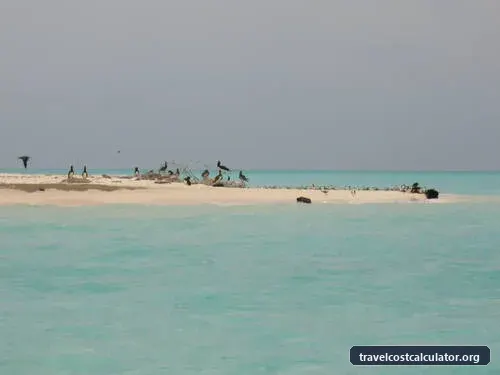
 Philippines
Tubbataha Reefs Natural Park
The Tubbataha Reef Marine Park covers 96,828 ha, including the North and South Atolls and the Jessie Beazley Reef.
Tubbataha Reefs Natural Park
1. 🏛️ Overview & Historical Significance
Located in the isolated center of the Sulu Sea, approximately 150 kilometers (93 miles) southeast of Puerto Princesa, Palawan Travel Budget, Tubbataha Reefs Natural Park stands as the crown jewel of marine biodiversity in the Coral Triangle. Spanning an astonishing 97,030 hectares, this pristine underwater ecosystem comprises two massive coral atolls—North Atoll and South Atoll—along with the isolated Jessie Beazley Reef. Because of its extreme isolation and strict non-take policies, Tubbataha harbors an extraordinarily dense marine population that serves as a vital larval seedbed for fisheries across the entire Philippine archipelago.
In 1993, UNESCO inscribed Tubbataha Reefs Natural Park as a World Heritage Site, recognizing it as one of the most outstanding marine ecosystems on Earth. The designation was further expanded in 2009 to encompass its current vast boundaries. The park satisfies three critical UNESCO criteria: it showcases exceptional natural beauty with vertical walls plunging over 100 meters into the abyss; it displays ongoing ecological processes vital to marine life; and it serves as a critical habitat for threatened species. Over 600 species of fish, 360 species of corals (representing nearly half of the world's known coral species), 11 species of sharks, 13 species of cetaceans, and critical nesting sites for green sea turtles, hawksbill turtles, and endangered seabirds (such as the Red-footed Booby and Brown Noddy on Bird Islet) thrive here without human disturbance.
Historically, indigenous Samal-Bajau and Cagayanon fishermen frequented the reefs on seasonal voyages. However, modern destructive fishing practices threatened the ecosystem in the 1980s until environmental advocates and local authorities intervened. In 1988, President Corazon Aquino declared Tubbataha a national marine park—the first in the Philippines. Today, it is jointly managed by the Tubbataha Management Office (TMO) and guarded year-round by a dedicated team of Philippine Navy, Coast Guard, and park rangers stationed on a remote sandbar marine station.
2. 🎟️ Entrance Fees, Opening Hours & Ticket Booking Tips
Visiting Tubbataha Reefs Natural Park is strictly regulated due to weather conditions and conservation protocols. The park is only open to visitors for a narrow 3-month window each year, running from mid-March to mid-June. Outside of this season, heavy monsoon winds and rough seas make navigation impossible, allowing the reef to regenerate undisturbed for the remainder of the year.
2026 Mandatory Park Fees
-
✦
Conservation Fee (Diver / Visitor): ₱5,500 PHP (~$98 USD) per person. This mandatory eco-fee is collected directly by your liveaboard operator or paid to the Tubbataha Management Office (TMO) prior to departure.
-
✦
Liveaboard Vessel Entry Clearance Fee: ₱3,000 - ₱5,000 PHP (~$54 - $90 USD) per vessel (typically bundled into your overall expedition cost).
Crucial 2026 Ticket & Expedition Booking Tips
Unlike standard land-based tourist attractions, you cannot simply buy a day ticket to Tubbataha. Access is permitted exclusively via authorized liveaboard dive vessels. Only around 15 to 20 licensed liveaboard boats are granted entry permits per season by the TMO to prevent overcrowding and environmental degradation.
-
✦
Book 8 to 14 Months in Advance: Due to extremely limited capacity (around 2,000 to 3,000 total visitors per year globally), liveaboard berths for the March–June 2026 season often sell out a year in advance. Reserve your cabin by mid-2025 for 2026 sailings.
-
✦
Diver Qualifications: Most liveaboard operators require a minimum of Advanced Open Water Certification with at least 50 logged dives due to strong, unpredictable currents and deep wall-diving profiles.
-
✦
Include Equipment & Marine Fees: Always confirm with your operator whether the ₱5,500 PHP conservation fee, marine park permits, gear rentals, and Nitrox fills are included in the base booking price.
3. 🚌 How to Get There & Local Transit Costs
Reaching Tubbataha Reefs Natural Park requires a multi-leg journey combining domestic flights and an overnight open-ocean transit across the Sulu Sea. All liveaboard voyages depart from and return to the city of Puerto Princesa, the capital of Palawan province.
Step 1: Domestic Flight to Puerto Princesa International Airport (PPS)
Travelers must first fly into Manila Travel Budget (MNL) or Cebu Travel Budget (CEB) and take a domestic connection to Puerto Princesa (PPS). Major domestic airlines operating this route include Philippine Airlines, Cebu Pacific, and AirAsia.
-
✦
Flight Cost (Manila/Cebu to Puerto Princesa, round-trip): ₱4,500 - ₱11,000 PHP (~$80 - $195 USD) depending on how early you book and luggage weight allowance.
Step 2: Airport Transfer to Puerto Princesa Port
Upon landing at PPS, you will transfer to the Puerto Princesa Port or your host hotel. Most liveaboard operators provide complimentary transfers, but local transit options are readily available:
-
✦
Motorized Tricycle: ₱150 - ₱300 PHP (~$2.70 - $5.40 USD) for a short ride from the airport to downtown or the harbor.
-
✦
Private Van or Taxi: ₱500 - ₱900 PHP (~$9 - $16 USD) per vehicle.
Step 3: Overnight Liveaboard Crossing to Tubbataha
Liveaboard vessels typically embark from Puerto Princesa Port in the late afternoon or early evening. The journey across the Sulu Sea covers roughly 150 kilometers and takes between 10 to 14 hours depending on sea conditions and vessel engine capacity. Passengers wake up the next morning anchored in the turquoise waters of the North or South Atoll.
4. 📸 Best Photography Spots & Insider Visit Hacks
Tubbataha is widely considered one of the world's top marine photography destinations. With underwater visibility routinely exceeding 30 to 45 meters (100–150 feet), wide-angle photographers can capture dramatic drop-offs, pristine coral gardens, and pelagic megafauna in natural light.
Top Dive Sites & Photography Hotspots
-
✦
Amos Rock (North Atoll): Renowned for its towering gorgonian sea fan walls, massive table corals, and resident green sea turtles. Excellent for wide-angle reefscapes and sunset dive lighting.
-
✦
Shark Airport (South Atoll): A shallow plateau home to dozens of white-tip reef sharks, nurse sharks, and eagle rays resting on the seabed. An ideal location for close-range shark photography.
-
✦
Delsan Wreck (South Atoll): Famous for dense schools of bigeye trevally, chevron barracudas, whitetip sharks, and frequent encounters with whale sharks and tiger sharks along the wall.
-
✦
Jessie Beazley Reef: An isolated coral mound northwest of the main atolls. Known for pristine branching hard corals, hammerhead shark sightings, and rapid current pelagic action.
-
✦
Ranger Station Sandbar: The only terrestrial structure in the area. Liveaboards occasionally arrange brief, carefully controlled land visits to the ranger station for sunset photo opportunities over the endless sea horizon.
Insider Visit Hacks for 2026
-
✦
Optimal Seasonal Window: While the park opens mid-March, late April through mid-May typically delivers the calmest sea surface, highest water clarity, and mildest currents.
-
✦
Must-Have Photography Gear: Pack a wide-angle dome port lens for underwater housing to capture school formations and expansive coral walls. Bring a dual strobe setup, as color loss occurs rapidly beyond 15 meters depth.
-
✦
Enriched Air Nitrox: Strongly consider getting Nitrox certified before your trip. Most liveaboard itineraries offer 3 to 4 dives per day; using Nitrox (EANx 32%) maximizes your bottom time and reduces fatigue over a week-long cruise.
-
✦
Comprehensive Evacuation Insurance: Tubbataha is 10+ hours away from medical care. Ensure your dive insurance (such as DAN or DiveAssure) specifically covers emergency sea transport and hyperbaric chamber treatment in Palawan or Manila.
5. 🏨 Nearby Accommodation & Daily Budget Allocation
There are no land-based hotels, resorts, or human settlements inside Tubbataha Reefs Natural Park. Visitors live, sleep, and eat onboard their chartered liveaboard vessel for the entire duration of the trip (typically 6 days / 5 nights or 7 days / 6 nights).
However, travelers almost always spend 1 to 2 nights in Puerto Princesa before and after the voyage to account for flight schedules and flight-free surface intervals after deep diving.
Accommodation Costs in Puerto Princesa (Pre/Post Liveaboard)
-
✦
Budget Hostels / Guesthouses: ₱1,200 - ₱2,200 PHP (~$21 - $39 USD) per night. Clean, basic air-conditioned rooms near the town center.
-
✦
Mid-Range Boutique Hotels (e.g., Hue Hotels, Canvas Boutique): ₱3,500 - ₱6,500 PHP (~$62 - $116 USD) per night. Comfortable amenities, swimming pools, and airport shuttle services.
-
✦
Luxury Resorts (e.g., Princesa Garden Island Resort): ₱9,500 - ₱17,000 PHP (~$170 - $303 USD) per night. Full-service waterfront accommodations.
Estimated Daily & Trip Budget Breakdown (2026 Pricing)
To help you financially plan your 2026 trip to Tubbataha Reefs Natural Park, review the standard budget tiers below for a full 6-Day Expedition Package including pre/post land transit:
-
✦
Mid-Range Liveaboard Expedition Tier:
- Liveaboard Package (6 Days / 5 Nights, all-inclusive food & diving): ₱165,000 - ₱210,000 PHP (~$2,950 - $3,750 USD)
-
✦
Park Conservation Fee: ₱5,500 PHP (~$98 USD)
-
✦
Pre/Post Hotel & Domestic Flights: ₱15,000 - ₱22,000 PHP (~$268 - $393 USD)
-
✦
Total Estimated Cost: ~$3,300 - $4,240 USD per person.
- Liveaboard Package (7 Days / 6 Nights on premium vessels): ₱240,000 - ₱330,000 PHP (~$4,285 - $5,890 USD)
Frequently Asked Questions
Essential visitor FAQs for Tubbataha Reefs Natural Park
What is the entrance fee for Tubbataha Reefs Natural Park?
How much time do you need to explore Tubbataha Reefs Natural Park?
How do I get to Tubbataha Reefs Natural Park from the nearest city?
📊 Heritage Quick Specs
Visiting Philippines on a Budget?
Calculate your full daily travel budget for Philippines — including hotel costs, local transport, food, and sightseeing expenses.
View Philippines Daily Travel Costs →Explore more UNESCO World Heritage Sites
🏛️ All 1,200+ Heritage Sites →