
 Japan
Japan
Tomioka Silk Mill and Related Sites
This property is a historic sericulture and silk mill complex established in the late 19th and early 20th century in the Gunma prefecture, north-west of Tokyo.
Tomioka Silk Mill and Related Sites
🏛️ Overview & Historical Significance
Inscribed as a UNESCO World Heritage site in 2014, the Tomioka Silk Mill and Related Sites represents a watershed moment in global industrial history. Located in Gunma Prefecture, roughly 100 kilometers northwest of Tokyo Travel Budget, this extraordinary complex stands as the undisputed birthplace of modern Japanese industry. Founded by the Meiji government in 1872, the mill was established to revolutionize raw silk production, enabling Japan to transition rapidly from a feudal agrarian society into a world-leading technological power.
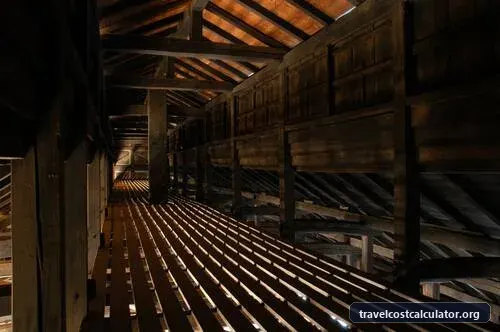
To achieve international quality standards, the Japanese government hired French engineer Paul Brunat to design the facility, select state-of-the-art French steam-powered silk reeling machinery, and recruit European female instructors to train Japanese workers. The architecture itself is an extraordinary fusion of East and West: massive timber frames built with local Japanese cedar and roofed with traditional clay tiles, anchored by red-brick exterior walls constructed using Western masonry techniques (known in Japan as giyofu or pseudo-Western architecture).
UNESCO recognized Tomioka Silk Mill alongside three related heritage locations—the Tajima Yahei Sericulture Farm, the Takayama-sha Sericulture School, and the Arafune Cold Storage—because together they formed a complete ecosystem of innovation. The site transformed sericulture (silkworm farming) from a seasonal cottage craft into a scientifically controlled, mass-production industry. By the early 20th century, the techniques perfected at Tomioka made Japan the world's primary exporter of raw silk, flooding international markets (particularly France and the United States) with affordable, high-grade silk that democratized luxury textiles worldwide.
🎟️ Entrance Fees, Opening Hours & Ticket Booking Tips
Visiting Tomioka Silk Mill in 2026 is straightforward, with transparent pricing and modernized ticketing infrastructure. While the main silk mill site charges admission, some related regional sites have lower entry fees or are free to explore externally.
2026 Admission Prices (Tomioka Silk Mill)
-
✦
Adults: ¥1,000 JPY (approx. $6.70 USD)
-
✦
High School & University Students (with valid ID): ¥250 JPY (approx. $1.70 USD)
-
✦
Elementary & Junior High Students: ¥150 JPY (approx. $1.00 USD)
-
✦
Children (Preschool & under): Free
Audio Guides & Tour Costs
-
✦
Official Smartphone Audio Guide App: Free to download (available in English, French, Chinese, and Korean; bring your own headphones).
-
✦
Physical Audio Device Rental: ¥500 JPY (approx. $3.35 USD) available at the information desk.
-
✦
Guided Human Tours: Standard guided walking tours in Japanese cost ¥500 JPY per adult. English-guided tours can be reserved in advance via the official site for group bookings or private requests.
Opening Hours & Schedule
-
✦
Operating Hours: 9:00 AM – 5:00 PM (Final entry at 4:30 PM).
-
✦
Closed Days: First Wednesday of every month (if the Wednesday falls on a national holiday, it remains open and closes the following Thursday) and December 29th through December 31st.
Ticket Booking Tips
Tickets can be purchased directly on-site at the main entrance gate using cash, major international credit cards, or IC transit cards (such as Suica and Pasmo). During peak travel seasons—specifically the mid-April spring break and the November autumn foliage season—queues at ticket counters can reach 20–30 minutes. To skip the line, purchase e-tickets in advance through the official Gunma Tourism E-Ticket Portal or partner travel platforms, which issue a QR code for instantaneous scanning at the turnstiles.
🚌 How to Get There & Local Transit Costs
Tomioka Silk Mill is an easy day-trip destination from Tokyo or a seamless stopover when traveling toward Karuizawa or Nagano. The trip combines high-speed Shinkansen transit with a local scenic private railway.
Step 1: Tokyo to Takasaki Station
-
✦
Option A (High-Speed Shinkansen - Recommended): Board the Hokuriku Shinkansen or Joetsu Shinkansen from Tokyo Station or Ueno Station to Takasaki Station. Journey time is approximately 45–50 minutes. One-way fare is approx. ¥4,800 JPY ($32.00 USD) for an unreserved seat. Fully covered by the nationwide Japan Rail Pass and JR EAST PASS.
-
✦
Option B (Budget Regional Train): Board the JR Takasaki Line from Ueno Station directly to Takasaki Station. Journey time is roughly 1 hour 45 minutes. One-way fare is ¥1,980 JPY ($13.20 USD).
Step 2: Takasaki Station to Joshu-Tomioka Station
-
✦
At Takasaki Station, transfer to the private Joshin Electric Railway (Joshin Dentetsu Line) bound for Shimonita.
-
✦
Disembark at Joshu-Tomioka Station (approx. 35–40 minutes travel time).
-
✦
Fare: ¥810 JPY ($5.40 USD) one-way. Note: JR Passes are NOT accepted on the Joshin Line.
-
✦
Money-Saving Tip: If taking multiple local rides, ask for the Joshin Line 1-Day Free Pass (approx. ¥2,250 JPY / $15.00 USD), which offers unlimited travel along the regional line.
Step 3: Joshu-Tomioka Station to the Mill Entrance
-
✦
On Foot: A pleasant, flat 10- to 15-minute walk (approx. 1 kilometer / 0.6 miles) along a retro street filled with historic storefronts, cafes, and souvenir shops. Follow the clear English signage painted on pavement tiles.
-
✦
Local Taxi: Taxis are lined up directly outside Joshu-Tomioka Station. The trip takes 3 minutes and costs approximately ¥800 – ¥1,000 JPY ($5.30 – $6.70 USD).
-
✦
Community Bus: The "Machizukuri" community loop bus operates periodically for ¥100 JPY ($0.67 USD) per ride.
Reaching the Related UNESCO Sites
While the main silk mill is easily reached by train, the three peripheral sites (Tajima Yahei Sericulture Farm in Isesaki, Takayama-sha Sericulture School in Fujioka, and Arafune Cold Storage in Shimonita) are spread across Gunma Prefecture. Visiting all four sites in a single day requires renting a car from Takasaki Station (approx. ¥7,000 – ¥9,500 JPY / $46 – $63 USD per day for a standard compact vehicle plus toll fees).
📸 Best Photography Spots & Insider Visit Hacks
To capture the dramatic historical industrial aesthetic of Tomioka Silk Mill, plan your photography composition around the distinct Meiji-era architectural elements.
Top Photography Locations
-
✦
East Brick Warehouse (Higashi-Mayu-Gura): The iconic multi-story cocoon storage warehouse. Stand in the central cobblestone plaza to frame the massive red-brick archway against the traditional roof tiles.
-
✦
Silk Reeling Plant (Seishi-jo): Walk inside the massive 140-meter-long main hall. The interior photos looking down the endless aisle of automatic silk-reeling machines under the French timber-truss roof deliver an incredible sense of scale.
-
✦
Paul Brunat’s Residence: A grand colonial-style wooden residence featuring wide verandas and high ceilings, nestled under mature trees. Ideal for architectural detail shots.
-
✦
West Brick Warehouse (Nishi-Mayu-Gura): Fully restored with glass walkway extensions, allowing you to photograph historic wooden preservation techniques alongside modern museum curation.
Insider Visit & Crowd-Avoiding Hacks
-
✦
Timing Strategy: Tour buses typically arrive between 10:30 AM and 2:00 PM. Arrive right at 9:00 AM opening time to photograph the empty exterior plazas in crisp morning light, or visit after 3:00 PM when the brickwork is bathed in warm golden afternoon light.
-
✦
Best Seasons: Mid-to-late April brings lush greenery and blooming cherry blossoms around the central plaza. Late October to November delivers cool, clear weather and vibrant autumn foliage framing the brick buildings. Summer (July–August) can be hot and humid; make sure to utilize the air-conditioned museum spaces inside the warehouses.
-
✦
Local Culinary Delicacies: Do not leave Tomioka without trying Okirakomi—a regional comfort dish of thick, hand-cut flat wheat noodles stewed in a savory miso or soy sauce broth with seasonal root vegetables. Stop by local stalls outside the mill gate to taste silk protein-infused Silk Soft-Serve Ice Cream or buy silk cocoon-shaped chocolates (*Mayuko-san*).
🏨 Nearby Accommodation & Daily Budget Allocation
Most travelers visit Tomioka as a day excursion from Tokyo or base themselves in nearby Takasaki City, which offers modern hotel infrastructure and excellent dining options. Alternatively, staying nearby in Isobe Onsen provides a traditional hot-spring ryokan experience.
Accommodation Options
-
✦
Budget Pick (Takasaki City): Toyoko Inn Takasaki Station Nishi-guchi — A clean, reliable business hotel located a 2-minute walk from Takasaki Station. Standard double rooms cost approximately ¥6,500 – ¥9,500 JPY ($43 – $63 USD) per night, including basic breakfast.
-
✦
Mid-Range Pick (Takasaki City): Hotel Metropolitan Takasaki — Positioned directly above Takasaki Station, offering stylish modern rooms, exceptional service, and easy transit connections. Rooms range from ¥16,000 – ¥24,000 JPY ($106 – $160 USD) per night.
-
✦
Boutique / Ryokan Pick (Isobe Onsen): Isobe Garden Ryokan — Located 20 minutes from Tomioka by car/taxi in the historic hot spring town famous for the origin of the Japanese Onsen map symbol. Rates range from ¥28,000 – ¥45,000 JPY ($185 – $300 USD) per night, including multi-course kaiseki dinner and open-air hot spring baths.
Estimated Daily Budget Allocations (2026)
-
✦
Backpacker / Solo Traveler (~$65 – $90 USD / day):
- Transit: JR local train from Tokyo + Joshin Line roundtrip ($35 USD)
-
✦
Admission: Tomioka Silk Mill ($6.70 USD)
-
✦
Food: Okirakomi noodles, convenience store breakfast, street food ($20 USD)
-
✦
Stay: Budget hostel or capsule hotel in Takasaki ($30 USD shared/solo)
- Transit: Shinkansen return from Tokyo + Joshin Line ($70 USD)
- Transit: Private car rental for all 4 UNESCO sites ($80 USD share)
Frequently Asked Questions
Essential visitor FAQs for Tomioka Silk Mill and Related Sites
What is the entrance fee for Tomioka Silk Mill and Related Sites?
How much time do you need to explore Tomioka Silk Mill and Related Sites?
How do I get to Tomioka Silk Mill and Related Sites from the nearest city?
📊 Heritage Quick Specs
Visiting Japan on a Budget?
Calculate your full daily travel budget for Japan — including hotel costs, local transport, food, and sightseeing expenses.
View Japan Daily Travel Costs →Explore more UNESCO World Heritage Sites
🏛️ All 1,200+ Heritage Sites →