
 Iran
The Persian Qanat
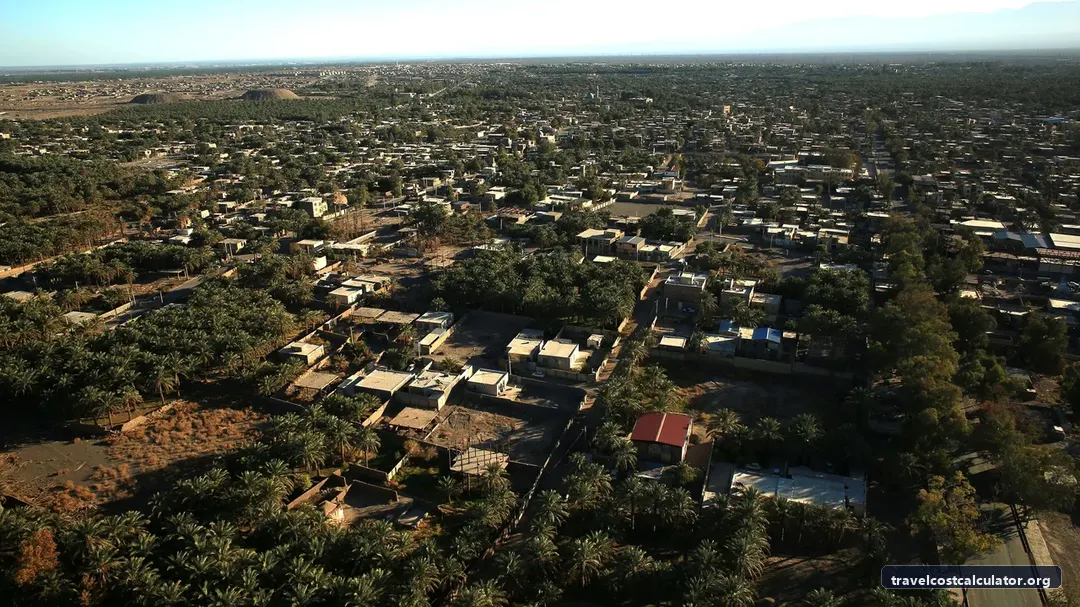
Throughout the arid regions of Iran, agricultural and permanent settlements are supported by the ancient qanat system of tapping alluvial aquifers at the heads of valleys and conducting the water along underground tunnels by gravity, often over many kilometres.
The Persian Qanat
🏛️ Overview & Historical Significance
Inscribed as a serial UNESCO World Heritage site in 2016, The Persian Qanat represents one of humanity’s most brilliant engineering achievements in arid landscape survival. Across the desert plateaus of Iran, ancient engineers mastered hydraulic technology to tap deep mountain aquifers and transport fresh water across tens of kilometers using nothing more than gravity. The UNESCO inscription collectively recognizes 11 representative qanat systems scattered across Iran, spanning regions such as Yazd, Khorasan, Isfahan Travel Budget, and Kerman.
Dating back over 2,500 years to the Achaemenid Empire, the qanat system transformed desolate desert basins into fertile oases. The architecture consists of a subterranean channel (karez) cut into alluvial slope deposits, anchored by a deep "mother well" (madar-chah) and serviced by hundreds of vertical air shafts that resemble a line of desert craters from above. This underground construction prevented water loss through evaporation—a critical invention in regions where summer surface temperatures exceed 40°C (104°F).
Beyond engineering, the Persian Qanat fostered a unique socio-cultural framework. Water distribution was historically managed by a democratic local system overseen by a Mirab (water master), who measured exact water shares using water clocks (pengan). The subterranean water channels directly shaped desert urbanism, spawning underground water reservoirs (ab anbars), subterranean cooling chambers (yakhchals), underground air-conditioning wind catchers (badgirs), and communal washing areas (payab). Visiting these subterranean complexes offers a rare glimpse into the sustainable hydraulic civilizations that built Persia's desert hubs.
Key Representative Qanats to Visit:
-
✦
Zarch Qanat (Yazd): Widely recognized as the longest qanat in the world, stretching over 71 kilometers with more than 2,100 vertical access shafts.
-
✦
Moon Qanat (Ardestan): The world’s only known two-tiered qanat, built with two independent water channels running vertically above each other without leaking.
-
✦
Qanats of Gonabad (Khorasan): Home to the deep Kariz-e Qasabeh, featuring a mother well extending down over 300 meters beneath the desert surface.
🎟️ Entrance Fees, Opening Hours & Ticket Booking Tips
Navigating travel logistics in Iran requires up-to-date knowledge of the local economic landscape. In 2026, foreign visitors must handle payments primarily in cash or via local prepaid tourist debit cards, as international credit and debit cards (Visa/Mastercard) do not function within the Iranian banking network.
2026 Ticket Costs & Opening Times
-
✦
Zarch Qanat Visitor Access (Yazd): 2,000,000 IRR to 3,000,000 IRR (approx. $4.00 – $6.00 USD).
-
✦
Yazd Water Museum (Kolahdooz Mansion): 1,500,000 IRR (approx. $3.00 USD). Highly recommended to understand the internal mechanisms before entering a physical channel shaft.
-
✦
Moon Qanat (Ardestan): 1,500,000 IRR (approx. $3.00 USD).
-
✦
Local Underground Guide Fee: 800,000 – 1,500,000 IRR per group (approx. $10.00 – $20.00 USD). English-speaking guides can be arranged through local heritage offices or hostelling agencies in Yazd.
Standard Opening Hours: Most accessible qanat visitor centers and urban access points operate from 8:30 AM to 6:30 PM in winter/autumn and 8:00 AM to 8:00 PM during peak spring travel. Note that smaller sites in rural areas may close for afternoon prayers or rest between 1:00 PM and 4:00 PM.
Essential Money & Booking Hacks for 2026:
Online ticket booking engines for foreign tourists remain minimal due to payment processing limitations. Tickets are purchased on-site at official ticketing kiosks. Bring crisp Euro or US Dollar banknotes into the country to exchange for Iranian Rials (IRR) at official exchange shops (Sarafi) in Tehran Travel Budget or Yazd. Alternatively, purchase a reloadable local prepaid card (such as a MahCard or Tourist Card) upon arrival at Imam Khomeini International Airport (IKA) to seamlessly tap for entrance fees and local public transit.
🚌 How to Get There & Local Transit Costs
The historical desert city of Yazd serves as the central hub for exploring the primary UNESCO-listed Persian Qanats, particularly the Zarch Qanat and the integrated urban water architecture of the UNESCO-inscribed Old City.
Step 1: Reaching the Base City (Yazd)
-
✦
From Tehran to Yazd:
- VIP Bus: Departs regularly from Tehran’s South or West Terminal. Journey time is approximately 8 hours. Cost: 2,500,000 – 3,500,000 IRR (approx. $5.00 – $7.00 USD).
-
✦
Overnight Train: Departs Tehran Railway Station daily. Journey time is around 6.5 hours. Cost: 3,000,000 – 5,000,000 IRR (approx. $6.00 – $10.00 USD).
-
✦
Domestic Flight: Flights connect Tehran (THR) to Yazd (AZD) in 70 minutes. Cost: approx. $35.00 – $55.00 USD one-way.
Step 2: Getting to the Qanat Access Points
-
✦
Zarch Qanat Access (Yazd Hub): Located roughly 15 km northwest of Yazd’s historic center. The most convenient transport method is using Iran’s ride-hailing app, Snapp (functioning similarly to Uber), or taking a local taxi. A one-way Snapp ride from the historic center costs between 500,000 and 800,000 IRR (approx. $1.00 – $1.60 USD).
-
✦
Moon Qanat (Ardestan): Located near the town of Ardestan, between Isfahan and Kashan. Travelers can take an intercity bus along the Isfahan–Kashan highway, disembark at Ardestan terminal, and take a local private taxi (approx. 300,000 IRR / $0.60 USD) to the qanat site.
-
✦
Private Day Driver: Hiring a private driver for a customized full-day tour covering the Zarch Qanat, desert shafts, and nearby desert water structures (such as Meybod’s underground Yakhchal and Narin Castle) costs between $35.00 and $55.00 USD per vehicle for the day.
📸 Best Photography Spots & Insider Visit Hacks
Photographing and exploring an ancient subterranean system requires unique preparations due to ambient light dynamics, underground humidity, and deep physical structures.
Prime Photography Angles:
-
✦
The Subterranean Staircase (Payab): Capture the dramatic, steep stone steps leading down into the subterranean cooling chambers illuminated by warm ambient lighting, such as those inside the Yazd Water Museum or the Zarch entrance.
-
✦
Desert Shaft Field (Aerial/Drone View): Outside city limits, qanat vertical shafts appear from above like crater trails stretching toward mountain bases. Late afternoon side-lighting highlights the dramatic shadows of these desert rings. Note: Always follow local laws regarding drone flights; strict permits are required across Iran.
-
✦
Dual Channel Split Travel Budget at Moon Qanat: Capture the cross-sectional view of the lower and upper water streams flowing independently inside the stone-carved tunnel system.
Insider Visitor Hacks:
-
✦
Climatic Adaptation: Below ground, qanat channels maintain a comfortable, constant ambient temperature year-round (around 18°C to 22°C / 64°F to 72°F). However, relative humidity underground can exceed 70%. Dress in light, breathable layers.
-
✦
Footwear Matters: Subterranean masonry stairs and subterranean channels are damp, slippery, and uneven. Avoid open sandals; wear sturdy closed-toe walking shoes or hiking boots with strong traction.
-
✦
Bring Compact Illumination: While main tourist sections feature low-voltage LED lights, secondary access channels require extra lighting. Carry a small headlamp or high-lumen pocket flashlight to safely inspect intricate brickwork.
-
✦
Claustrophobia & Ceiling Warnings: Channel ceilings in secondary sections drop as low as 1.5 meters (5 feet). Taller visitors must duck frequently. If you suffer from severe claustrophobia, stick to broader subterranean chambers like public *payabs* and water reservoirs.
-
✦
Respect Dress Codes: Modest Iranian dress guidelines (headscarves/long tops for women, long trousers for men) apply both above ground and inside subterranean public sites.
🏨 Nearby Accommodation & Daily Budget Allocation
To fully experience the lifestyle created by qanat architecture, consider staying in a converted historic mud-brick courtyard home in the UNESCO-inscribed historic quarter of Yazd.
Recommended Accommodation in Yazd:
-
✦
Budget Option (Hostels & Guesthouses):
- Silk Road Hotel / Friendly Hotel: Characterful traditional adobe guesthouses featuring courtyard dorms and simple private rooms. Dorm beds run $10 – $16 USD/night; basic private double rooms cost $22 – $35 USD/night (includes breakfast).
- Dad Hotel Yazd / Moshir al-Mamalek Garden Hotel: Exquisitely restored 4-star heritage hotels showcasing traditional Persian architecture, central pools, and original badgirs (wind towers). Double rooms range from $55 – $95 USD/night.
- Parsi Safaiyeh Hotel / Parsian Museum Hotel: Combining luxury amenities with classic desert luxury, offering high-end subterranean spa features. Rooms range from $120 – $220 USD/night.
Food & Daily Dining Costs:
Sampling regional desert cuisine completes the trip. Try local Yazdi specialties such as Ash-e Shooli (a light herb and beet root soup), Fesenjan (pomegranate walnut stew), and local cardamom-infused sweets (Pashmak and Baklava).
-
✦
Casual Dining / Street Food: 250,000 – 500,000 IRR per meal (approx. $1.50 – $3.00 USD).
-
✦
Traditional Courtyard Restaurant (e.g., Silk Road Restaurant, Marco Polo Rooftop): 1,200,000 – 2,500,000 IRR per main meal (approx. $4.00 – $8.00 USD).
Estimated Daily Budget Allocations (2026):
-
✦
Backpacker Budget Planner: $25 – $40 USD per day (Hostel dorm, public buses, low-cost dining, independent qanat self-tours).
-
✦
Mid-Range Traveler: $70 – $120 USD per day (Boutique heritage room, private Snapp rides, guided Qanat excursions, traditional dining).
-
✦
Luxury Traveler: $180 – $320 USD per day (5-star heritage suite, dedicated private driver-guide, private after-hours site tours).
Frequently Asked Questions
Essential visitor FAQs for The Persian Qanat
What is the entrance fee for The Persian Qanat?
How much time do you need to explore The Persian Qanat?
How do I get to The Persian Qanat from the nearest city?
📊 Heritage Quick Specs
Visiting Iran on a Budget?
Calculate your full daily travel budget for Iran — including hotel costs, local transport, food, and sightseeing expenses.
View Iran Daily Travel Costs →Explore more UNESCO World Heritage Sites
🏛️ All 1,200+ Heritage Sites →