
 Iran
Iran
The Persian Garden
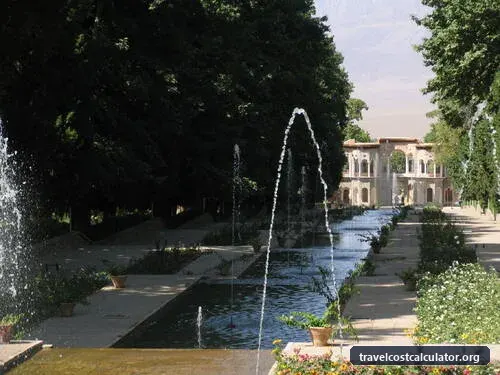
The property includes nine gardens in as many provinces. They exemplify the diversity of Persian garden designs that evolved and adapted to different climate conditions while retaining principles that have thei...
The Persian Garden
🏛️ Overview & Historical Significance
Inscribed as a collective UNESCO World Heritage Site in 2011, The Persian Garden (Bagh-e Parsi) is not a single location, but a master class in landscape architecture spread across nine distinct gardens in nine different provinces of Iran. Formally recognized for adapting ancient horticultural traditions to harsh desert landscapes, these gardens represent the philosophical ideal of earthly paradise—a concept so influential that the word "paradise" itself derives from the Old Persian pairi-daeza, meaning a walled enclosure.
The origin of the Persian Garden design dates back to Cyrus the Great in the 6th century BCE. At his capital of Pasargadae, Cyrus instituted the Chahar Bagh (Four Gardens) archetype: a geometric layout divided into four quadrants by channels of flowing water. This design mirrors the ancient Zoroastrian worldview of four universal elements (sky, earth, water, and flora) and later influenced Islamic garden design worldwide, from the Alhambra in Spain to the Taj Mahal in India.
Each of the nine UNESCO-listed gardens showcases advanced engineering adapted to arid climates. By using subterranean aqueducts known as qanats, Persian engineers directed mountain snowmelt across hundreds of kilometers without loss to evaporation. The water powers gravity-fed fountains, fills wide reflection basins, and irrigates tall cypress and plane trees, lowering micro-climate temperatures by up to 10°C (18°F) within the garden walls. Key accessible sites on the standard tourist route include:
-
✦
Bagh-e Eram (Shiraz Travel Budget): Famed for its monumental Qajar-era pavilion, soaring cypress trees, and extensive botanical collections.
-
✦
Bagh-e Fin (Kashan): The oldest surviving Persian garden, built during the Safavid dynasty, complete with turquoise-tiled water channels and historic bathhouses.
-
✦
Chehel Sotoun (Isfahan Travel Budget): A royal pavilion featuring 20 slender wooden pillars that reflect in a central pool to create the illusion of "Forty Columns."
-
✦
Bagh-e Doulat Abad (Yazd): Home to the world's tallest adobe windcatcher (badgir), standing at 33.8 meters, which funnels cool air across an interior pool.
-
✦
Bagh-e Shazdeh (Mahan, Kerman): A dramatic terraced oasis springing up unexpectedly out of stark desert mountains.
🎟️ Entrance Fees, Opening Hours & Ticket Booking Tips
Visiting the Persian Gardens in 2026 requires understanding Iran's unique dual-currency context and payment restrictions. Due to international banking isolation, international Visa and Mastercard credit cards do not function at ticket booths. All entrance fees must be settled either using local physical cash (Iranian Rial - IRR) or an Iranian Tourist Prepaid Debit Card (such as MahCard or Daric Pay).
Estimated 2026 Ticket Costs per Garden
Ticket prices for foreign tourists are set by the Ministry of Cultural Heritage, Tourism and Handicrafts (MCTH). Rates are standardized across major UNESCO heritage locations:
-
✦
Individual Foreign Visitor Ticket: ~1,500,000 to 2,500,000 IRR ($3.50 – $6.00 USD / €3.20 – €5.50 EUR) per garden.
-
✦
Combined Budget for the 4 Main Route Gardens (Fin, Chehel Sotoun, Doulat Abad, Eram): ~$15.00 – $22.00 USD total.
-
✦
Children under 7: Free entrance at most sites.
Opening Hours & Schedule
-
✦
Spring & Summer (April – September): 8:00 AM – 7:30 PM (Some gardens, like Eram and Chehel Sotoun, stay illuminated until 9:00 PM).
-
✦
Autumn & Winter (October – March): 8:30 AM – 5:00 PM.
-
✦
Note: Hours shift during the holy month of Ramadan. Gardens remain open, but surrounding tea houses and dining venues inside the gardens operate under modified schedules.
Practical Ticket Booking Hacks for 2026
Advance online booking systems in English remain limited for independent travelers due to local payment gateways. The standard practice is to purchase ticket tokens directly at the entrance gate counters. Arrive with small-denomination Rial bills or hand your pre-loaded Tourist Card to the counter clerk. If traveling with an accredited local guide, they can clear the electronic turnstiles on your behalf using their registered guide portal.
🚌 How to Get There & Local Transit Costs
Because the UNESCO site comprises multiple physical gardens, traveling between them relies on Iran's intercity transit network, followed by local ride-hailing apps or taxis within each hub city.
Navigating to the Major Gardens
-
✦
Fin Garden (Kashan): Located 9 km southwest of Kashan center. Take an intercity VIP bus from Tehran Travel Budget's South Bus Terminal to Kashan (3 hours, ~$5.00–$7.00 USD). From Kashan terminal, take a local ride-hail taxi via the Snapp app directly to Fin Garden (15 minutes, ~$1.50–$2.50 USD / 400,000–650,000 IRR).
-
✦
Chehel Sotoun (Isfahan): Situated in downtown Isfahan near Naqsh-e Jahan Square. Easily accessible on foot from central hotels, or via a short Snapp taxi ($1.00 USD) or the Isfahan Metro (Imam Hossein Station, walk 5 minutes).
-
✦
Bagh-e Doulat Abad (Yazd): Located in the Shahid Rajai district of Yazd. A 10-minute taxi ride from the historic clay city center costs roughly $1.50–$2.00 USD via Snapp.
-
✦
Bagh-e Eram (Shiraz): Positioned in northern Shiraz near Shiraz University. Take the Shiraz Metro to Namazi Station and walk 12 minutes north, or order a Snapp taxi from the main bazaar area ($2.00 USD).
-
✦
Bagh-e Shazdeh (Mahan): Located 35 km southeast of Kerman city. Hire a private round-trip taxi from Kerman city center, which includes a 2-hour wait time (~$12.00–$16.00 USD total).
Local Transit Options & Cost Summary
The primary method of local transport in Iranian urban centers is Snapp (Iran's domestic equivalent of Uber). Download the app upon arrival; it displays prices upfront in local currency, eliminates language barriers, and avoids overcharging.
📸 Best Photography Spots & Insider Visit Hacks
Prime Photography Locations & Timing
-
✦
Chehel Sotoun (Isfahan) Mirror Reflection: Stand at the far eastern edge of the rectangular pool 30 minutes before sunset. As the artificial floodlights turn on, the 20 wooden pillars and ceiling frescoes project a flawless, glass-like reflection on the water's surface.
-
✦
Bagh-e Doulat Abad (Yazd) Stained Glass Windows: Visit between 9:00 AM and 11:00 AM. Sunlight passes through the lattice-cut stained glass of the octagonal pavilion, projecting vibrant geometric colors across the marble floors and central water fountain.
-
✦
Bagh-e Shazdeh (Mahan) Oasis View: Walk up to the top level of the stepped pavilion terrace. Capture the flowing cascades in the foreground framing the bright green canopy below, set in stark contrast to the barren, snow-capped Bidkhan mountains in the background.
-
✦
Bagh-e Eram (Shiraz) Spring Rose Bloom: Frame the three-story central mansion through the avenue of 200-year-old tall cypress trees, flanked by blooming Shiraz roses.
Seasonal & Crowding Considerations
The absolute best times to visit are Spring (April to May) and Autumn (October to November). In late April and early May, Kashan gardens host the annual Golab-giri (Rosewater Distillation Festival), filling the air with fragrance, though weekend crowds peak significantly. To avoid large tour groups, plan your visits immediately at opening time (8:00 AM) or during the mid-afternoon lull between 1:30 PM and 3:30 PM.
Cultural Etiquette & Dress Code
All gardens are active public heritage spaces subject to national dress laws. Women must wear a headscarf (hijab) covering hair and loose-fitting clothing covering arms and legs. Men should wear long pants and avoid sleeveless shirts. Photography using professional tripods or commercial drone gear requires explicit prior clearance from the site administration office.
🏨 Nearby Accommodation & Daily Budget Allocation
Because the Persian Gardens are scattered throughout Iran's classic destination cities, accommodation options range from restored Safavid-era traditional courtyard mansions to modern city hotels.
Recommended Stays near Main Garden Hubs
-
✦
Kashan (Near Fin Garden / City Center): Saraye Amiri Traditional House or Manouchehri House (Mid-range boutique, $45–$80 USD/night). Historic courtyard merchant homes featuring central pools and traditional breakfasts.
-
✦
Isfahan (Near Chehel Sotoun): Abbasi Hotel (Luxury historic hotel, $110–$180 USD/night) featuring its own sprawling internal Persian garden, or Ghasr Monshi Hotel (Mid-range, $50–$90 USD/night).
-
✦
Yazd (Near Doulat Abad): Kohan Traditional Hotel or Dad Hotel ($35–$70 USD/night), featuring mudbrick architecture, rooftop views, and authentic Persian windcatchers.
-
✦
Shiraz (Near Eram Garden): Niayesh Boutique Hotel (Budget, $20–$45 USD/night) or Zandiyeh Hotel (Luxury, $90–$140 USD/night).
Daily Budget Allocation breakdown (2026 Estimates)
Iran remains an extraordinarily cost-effective destination for foreign travelers. Below is a realistic daily financial breakdown per person when touring the Persian Garden circuit:
-
✦
Budget Backpacker ($25 – $40 USD / day):
- Accommodation: Shared dormitory or budget guest house ($10–$18 USD)
-
✦
Meals: Local street kebabs, falafel, and Ash-e Reshteh noodle soup ($6–$10 USD)
-
✦
Transport: Public buses, Metro, shared taxis ($2–$4 USD)
-
✦
Site Admissions: 1 to 2 Garden tickets per day ($5–$8 USD)
- Accommodation: Restored historic boutique hotel room ($35–$65 USD)
- Accommodation: Premium historical suites or 5-star properties ($100–$170 USD)
Frequently Asked Questions
Essential visitor FAQs for The Persian Garden
What is the entrance fee for The Persian Garden sites in 2026?
How much time do you need to explore a Persian Garden?
How do I get to the Persian Gardens from nearby city hubs?
📊 Heritage Quick Specs
Visiting Iran on a Budget?
Calculate your full daily travel budget for Iran — including hotel costs, local transport, food, and sightseeing expenses.
View Iran Daily Travel Costs →Explore more UNESCO World Heritage Sites
🏛️ All 1,200+ Heritage Sites →