
 Kenya
The Historic Town and Archaeological Site of Gedi
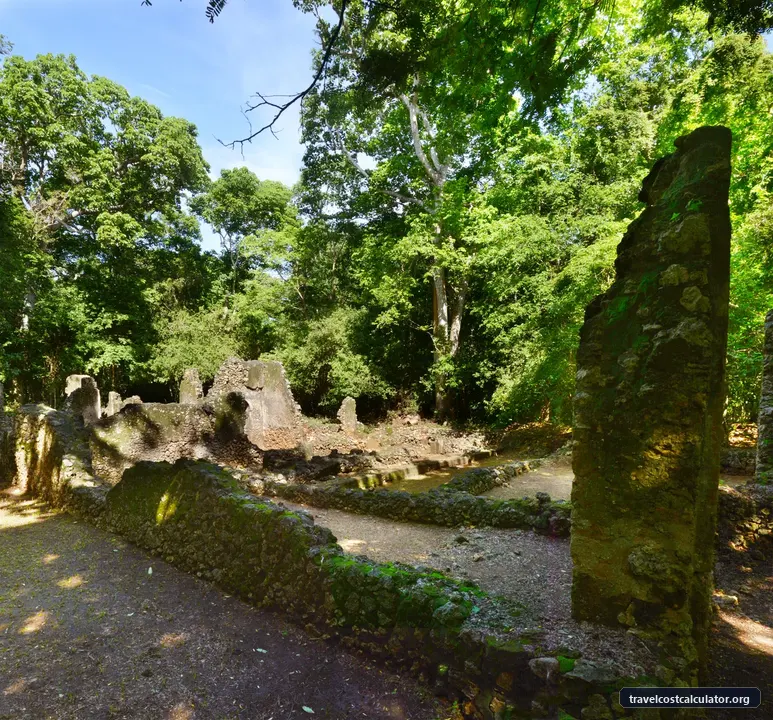
Surrounded by a remnant coastal forest, away from the coastline, the abandoned city of Gedi was one of the most important Swahili cities on the East African coast from the 10th to 17th centuries.
The Historic Town and Archaeological Site of Gedi
🏛️ Overview & Historical Significance
Hidden beneath the dense, emerald canopy of a coastal indigenous forest near the Indian Ocean, The Historic Town and Archaeological Site of Gedi (often referred to as the Gede Ruins) stands as one of East Africa’s most captivating archaeological mysteries. Recognized for its outstanding universal value, UNESCO officially designated Gedi as a World Heritage site in 2024. The inscription highlights Gedi as an exceptional, preserved physical testimony to the peak of Swahili maritime civilization along the East African coast between the 13th and 17th centuries.
Unlike many ancient urban centers that were altered by successive colonial rule, Gedi was abandoned in the early 17th century and remained virtually untouched by modern architectural interventions. The site spans over 45 acres and features an extraordinary array of coral rag structures, including a grand Sultan’s Palace, several monumental mosques, elaborate pillar tombs, and residential stone houses equipped with surprisingly sophisticated urban infrastructure. Excavations have revealed advanced hydraulic engineering, including deep freshwater wells, sunken courtyards designed for natural cooling, and indoor sanitation networks featuring flushing toilets and drainage systems.
Gedi was a thriving, wealthy Swahili cosmopolitan hub deeply integrated into international trade routes across the Indian Ocean basin. Artifacts excavated from the site demonstrate an astonishing global footprint: Ming dynasty Chinese porcelain, Venetian glass beads, Islamic glazed ceramics from Persia, Spanish iron scissors, and coins from across the Islamic world. Yet, despite its economic prowess and fortified double-wall defense system, the town was abruptly abandoned. Historians attribute this mystery to several converging factors: the southward migration of hostile nomadic groups (such as the Galla), shifting trade routes dominated by invading Portuguese forces, and a sudden drop in the local water table that dried out the city's wells. Today, Gedi represents an invaluable cultural nexus where Swahili heritage, maritime trade history, and sacred coastal ecology meet.
🎟️ Entrance Fees, Opening Hours & Ticket Booking Tips
The site is managed by the National Museums of Kenya (NMK). Entry logistics have been fully digitalized through Kenya's centralized payment ecosystem, making advance planning straightforward for international travelers.
Operating Hours
The site is open 365 days a year from 7:30 AM to 6:00 PM. To experience the ruins in cooler temperatures and optimal lighting, plan to arrive either right at opening or after 3:30 PM.
Estimated 2026 Entrance Fees
-
✦
Non-Resident Adult: KES 1,800 (~$14.00 USD)
-
✦
Non-Resident Child / Student: KES 900 (~$7.00 USD)
-
✦
East African Resident Adult: KES 600 (~$4.50 USD)
-
✦
Kenyan Citizen Adult: KES 250 (~$2.00 USD)
Guided Tour Recommendations
While you can self-guide using interpretive plaques, hiring an official local community guide at the entrance gate is strongly recommended. Official guide fees range between KES 1,000 and KES 1,500 (~$8.00 - $12.00 USD) per group. Guides provide indispensable context regarding Swahili architecture, hidden symbols, secret escapes in the palace, and local folklore surrounding the spirits (Shaitans) believed to guard the ruins.
Booking & Cashless Payment Rules
The National Museums of Kenya operates under a strict cashless policy. Entrance tickets must be paid via credit/debit card (Visa/Mastercard) at the ticket booth or pre-paid using the official eCitizen Kenya government portal. Ensure you carry your physical passport or a clear digital copy, as identity verification is required at the gate.
🚌 How to Get There & Local Transit Costs
Gedi is located in Kilifi County on Kenya's north coast, positioned approximately 16 kilometers south of Malindi and 7 kilometers inland from the resort town of Watamu. The primary gateway for international visitors is via Malindi Airport (MYD) or Mombasa Travel Budget’s Moi International Airport (MBA).
1. From Watamu (Nearest Base)
-
✦
Tuk-Tuk: The most direct and scenic option. A motorized three-wheeler from Watamu beach resorts direct to Gedi Ruins takes roughly 15 to 20 minutes. Expect to pay KES 800 – KES 1,200 (~$6.00 - $9.00 USD) round-trip (negotiate for the driver to wait 2 hours while you explore).
-
✦
Boda-Boda (Motorcycle Taxi): Suitable for solo travelers. Costs roughly KES 300 – KES 400 (~$2.30 - $3.00 USD) one way.
2. From Malindi
-
✦
Matatu (Public Minibus): Head to the Malindi Main Matatu Stage and board any minibus heading south toward Kilifi or Mombasa. Request to be dropped off at Gedi Junction. Fare is approximately KES 100 – KES 150 (~$0.80 - $1.15 USD) and takes 25 minutes. From Gedi Junction, take a short tuk-tuk (KES 150) or a 15-minute walk (1.5 km) to the archaeological gate.
-
✦
Private Taxi / Ride-Hailing: A private taxi from central Malindi directly to the ruins costs around KES 2,500 – KES 3,500 (~$19.00 - $27.00 USD) for a round trip including wait time.
3. From Mombasa or SGR Train Station (Miritini)
-
✦
Shared Shuttle / Matatu: Board a northbound shuttle from Mombasa town center to Malindi. Get off at Gedi Junction. Journey time is around 2 to 2.5 hours and costs KES 400 – KES 600 (~$3.00 - $4.50 USD).
-
✦
Private Transfer: A comfortable, air-conditioned private vehicle from Mombasa or the SGR Terminus to Gedi costs between KES 6,000 and KES 8,500 (~$45.00 - $65.00 USD) one way.
📸 Best Photography Spots & Insider Visit Hacks
Top Photography Locations
-
✦
The Great Mosque & Mihrab: Capture the striking, pointed archway framing the central prayer wall (mihrab). Morning sun filtering through the dense tree canopy creates dramatic rays of light across the coral stone floor.
-
✦
The Palace of the Sultan: Photograph the expansive sunken courtyards and intricate stone doorways swallowed by massive tree roots, reminiscent of Southeast Asia's Angkor Wat.
-
✦
Tomb with the Dated Pillar: A remarkable example of Swahili funereal architecture. Capture the geometric details of the stone pillar against the backdrop of ancient baobabs.
-
✦
The Sacred Giant Baobab Tree: Located inside the inner city loop, this centuries-old hollow baobab offers impressive scale when capturing human subjects at its base.
-
✦
Resident Wildlife: Gedi's canopy is inhabited by friendly Sykes’ monkeys and endangered golden-rumped elephant shrews. Keep your camera set to a quick shutter speed for wildlife snaps along the jungle trail.
Insider Travel Hacks
-
✦
Beat the Heat & Mosquitoes: The coastal climate is humid year-round. Visit early in the morning (7:30 AM – 9:30 AM). Because the ruins sit inside a moist coastal forest, DEET-based insect repellent is non-negotiable.
-
✦
Footwear Matters: Uneven coral stones, protruding roots, and dirt paths require sturdy walking shoes or high-traction sandals. Avoid flip-flops.
-
✦
Respect local customs: Coastal Kenya is predominantly Muslim with deep Swahili traditions. Modest lightweight clothing (covering shoulders and knees) is respectful when traveling through neighboring villages.
-
✦
Combine with Kipepeo Butterfly Project: Right at the entrance gate sits the Kipepeo Project, a community initiative rearing native butterflies from the adjacent Arabuko Sokoke Forest. Standard entry is around KES 500 (~$3.80 USD) and provides a colorful addition to your tour.
🏨 Nearby Accommodation & Daily Budget Allocation
Most visitors stay in the nearby coastal towns of Watamu (ideal for pristine beaches and marine parks) or Malindi (rich history and vibrant dining). Here is how to plan your stays and daily expenditures.
Accommodation Options
-
✦
Budget ($25 – $50 USD / night): Eco-camps and guesthouses around Watamu village or Gedi town (e.g., Gede Eco-Community Camp or local guesthouses in Watamu). Basic, clean, and often locally managed.
-
✦
Mid-Range ($80 – $160 USD / night): Charming boutique hotels and beach resorts along Watamu Bay (e.g., Ocean Sports Resort or Turtle Bay Beach Club). Offers air conditioning, swimming pools, and beach access.
-
✦
Luxury ($280 – $550+ USD / night): World-class luxury resorts offering private villas and fine dining (e.g., Hemingways Watamu or Medina Travel Budget Palms).
Dining & Culinary Highlights
Don't miss sampling authentic Swahili cuisine near the site. Try local eateries around Gedi Junction for Coconut Fish Curry (Samaki wa Kupaka), Swahili Biryani, or freshly fried Mahamri with spiced chai (meals cost KES 300 – KES 700 / ~$2.30 - $5.30 USD). For fresh coastal seafood and wood-fired pizza with an Italian flair, head to Watamu's beachfront establishments (KES 1,800 – KES 3,500 / ~$14.00 - $27.00 USD per main dish).
Estimated 2026 Daily Travel Budgets
-
✦
Backpacker Budget Planner: ~$35 – $50 USD / day (Public matatus, street food dining, budget lodge, self-guided entrance).
-
✦
Mid-Range Traveler: ~$120 – $200 USD / day (Tuk-tuk transfers, mid-range hotel, site entrance + official guide, beachside dining).
-
✦
Luxury Traveler: ~$400 – $700+ USD / day (Private chauffeured transfers, 5-star resort stay, private guided archaeological tour, upscale dining).
Frequently Asked Questions
Essential visitor FAQs for The Historic Town and Archaeological Site of Gedi
What is the entrance fee for The Historic Town and Archaeological Site of Gedi?
How much time do you need to explore The Historic Town and Archaeological Site of Gedi?
How do I get to The Historic Town and Archaeological Site of Gedi from the nearest city?
📊 Heritage Quick Specs
Visiting Kenya on a Budget?
Calculate your full daily travel budget for Kenya — including hotel costs, local transport, food, and sightseeing expenses.
View Kenya Daily Travel Costs →Explore more UNESCO World Heritage Sites
🏛️ All 1,200+ Heritage Sites →