
 China
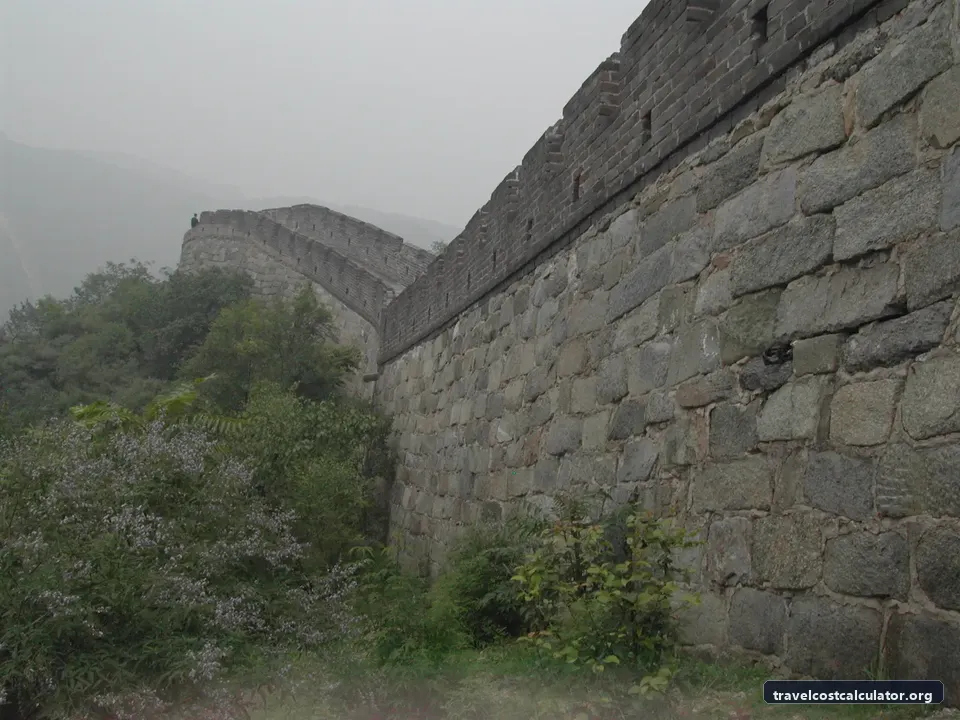
The Great Wall
In c. 220 B.C., under Qin Shi Huang, sections of earlier fortifications were joined together to form a united defence system against invasions from the north. Construction continued up to the Ming dynasty (1368...
The Great Wall
🏛️ Overview & Historical Significance
Inscribed as a UNESCO World Heritage site in 1987, The Great Wall of China (万里长城) stands as one of humanity’s most monumental architectural feats. Spanning over 21,000 kilometers (13,000 miles) across northern China's dramatic ridge lines, deserts, and mountains, this ancient fortification system is far more than a single continuous wall—it is a vast network of stone walls, earthen ramparts, watchtowers, garrison towns, and beacon fortresses built across more than two millennia.
The origins of the wall date back to the 7th century BC during the Warring States period, when rival kingdoms built localized fortifications. However, it was Qin Shi Huang, the first Emperor of a unified China, who connected these fragmented barriers around 220 BC to defend his newly formed empire against nomadic tribes from the northern steppes. Over successive centuries, the Han and Northern Qi dynasties expanded the network, but the iconic, serpentine stone structures visible today are predominantly the work of the Ming Dynasty (1368–1644). The Ming engineers elevated the wall into a sophisticated military complex equipped with cannon ports, sleeping quarters, weapon storage, and smoke-signal communication towers capable of sending messages along hundreds of miles within hours.
UNESCO designated the Great Wall as a World Heritage site for satisfying multiple cultural criteria: it represents an absolute masterpiece of human creative genius, illustrates a critical stage in military engineering, and serves as an enduring symbol of national identity and cultural synthesis between agrarian Chinese civilization and nomadic steppe cultures. In 2026, visitors to the wall encounter a monument that balances intense historical reverence with modern conservation and sustainable tourism practices.
🎟️ Entrance Fees, Opening Hours & Ticket Booking Tips
Visiting the Great Wall in 2026 requires advance planning, as almost all major sections have transitioned to digital, passport-linked real-name ticketing systems to manage crowd flow. Cash is rarely accepted at ticket windows; transactions rely on international credit cards online or mobile wallets like WeChat Pay and Alipay.
Core Ticket Prices by Section (2026 Rates)
Note: Official pricing is set in Chinese Yuan (RMB/CNY). Estimated USD conversions are based on current exchange rates (~7.20 CNY = $1.00 USD).
-
✦
Mutianyu Section (Most Popular for International Visitors):
- General Admission: 40 CNY (~$5.50 USD) adults; 20 CNY (~$2.80 USD) seniors/children.
-
✦
Internal Shuttle Bus (Mandatory from Transfer Hub): 15 CNY (~$2.10 USD) round-trip.
-
✦
Cable Car / Chairlift & Toboggan Ride: 100 CNY (~$14.00 USD) one-way; 140 CNY (~$19.50 USD) round-trip.
-
✦
Full Adult Package (Entry + Shuttle + Cable Car/Toboggan): ~195 CNY (~$27.00 USD).
- Peak Season (Apr 1 – Nov 30): 40 CNY (~$5.50 USD).
- Entrance Fee: 65 CNY (~$9.00 USD) peak; 55 CNY (~$7.60 USD) off-peak.
- Simatai Daytime Wall Entry: 40 CNY (~$5.50 USD).
Opening Hours
-
✦
Peak Season (April – October): 6:30 AM – 5:30 PM (Mutianyu/Badaling extended to 6:00 PM on weekends).
-
✦
Off-Peak Season (November – March): 7:30 AM – 5:00 PM.
-
✦
Simatai Night Tours: 5:30 PM – 9:30 PM (Spring to Autumn).
Crucial 2026 Ticket Booking Tips
-
✦
Book 7–10 Days in Advance: Popular sections limit daily visitors (e.g., Badaling caps at 65,000 visitors/day). Tickets open on official WeChat Mini-Programs and OTA platforms like Trip.com up to 10 days before your visit.
-
✦
Passport Registration Required: Your passport number serves as your electronic ticket. At the turnstiles, scan your physical passport for instant gate access.
-
✦
The Toboggan Hack: At Mutianyu, purchase the open-air chairlift UP and the slide-down toboggan DOWN with the official Mutianyu Cable Car Company to experience the thrill of riding down the mountain.
🚌 How to Get There & Local Transit Costs
Beijing Travel Budget is the main gateway for exploring the Great Wall. Transport options range from high-speed trains to dedicated tourist shuttles and private hires.
1. Getting to Badaling (Fastest & Most Accessible)
-
✦
High-Speed Rail (HSR): Take the bullet train from Beijing Qinghe Station or Beijing North Station to Badaling Changcheng Station.
- Travel Time: 20 to 30 minutes.
-
✦
Cost: 18 CNY to 29 CNY (~$2.50 – $4.00 USD) each way.
-
✦
Pro Tip: Badaling Changcheng Station features the world's deepest underground high-speed rail station, dropping you right next to the wall entrance cable car.
- Travel Time: 90 minutes (traffic dependent).
2. Getting to Mutianyu (Best Balance of Restoration & Scenery)
-
✦
Direct Tourist Express Buses: Depart daily from Qianmen Bus Hub or Dongzhimen Bus Hub (between 7:30 AM and 8:30 AM).
- Travel Time: 1.5 hours each way.
-
✦
Cost: ~80 CNY (~$11.00 USD) round-trip (includes English guide onboard).
3. Getting to Jinshanling & Simatai (For Hikers & Adventurers)
-
✦
Jinshanling Direct Tourist Bus: Departs from Dongzhimen Outer Bus Station at 7:40 AM (seasonal, April–October).
- Travel Time: 2 to 2.5 hours.
-
✦
Cost: 50 CNY (~$7.00 USD) one-way.
- Cost: 48 CNY (~$6.65 USD) one-way.
📸 Best Photography Spots & Insider Visit Hacks
Prime Photo Locations
-
✦
Mutianyu Watchtower 20: The highest point of the restored Mutianyu section. Looking back down toward Watchtower 14 gives you the classic shot of the wall snaking across pine-covered ridges.
-
✦
Jinshanling Big Jinshan Tower: Ideal for wide-angle landscape photography. The sweeping curves of unrestored and partially restored stone terraces capture light dramatically at sunrise.
-
✦
Jiankou Section (Wild Wall): Known for dramatic, crumbling, vertical drop-offs like the "Sky Stairs" and "Eagle Flies Facing Upward." Warning: Official access is restricted due to safety and conservation; views are best captured from adjacent legal hiking paths near Mutianyu Watchtower 23.
-
✦
Simatai Night Wall: Atmospheric photos of illuminated watchtowers standing dark against the starry night skyline, overlooking Gubei Water Town below.
Weather & Seasonal Timing
-
✦
Best Seasons:
- Autumn (September – November): The undisputed best time. Crisp blue skies, low humidity, and vibrant red/orange maple and ginkgo foliage framing the grey stone.
-
✦
Spring (April – May): Mild temperatures with wild peach and cherry blossoms blanketing the mountain slopes.
- Summer (June – August): High heat, intense humidity, torrential rain, and massive crowds.
Crowd Avoidance Hacks
-
✦
The "Right-Hand Turn" Rule at Mutianyu: When you exit the cable car at Watchtower 14, 90% of domestic tour groups turn right (toward Watchtower 6). Turn left toward Watchtower 20 instead for a far quieter hike and clean photos.
-
✦
Avoid Chinese National Holidays: Completely avoid Labor Day week (May 1–5) and Golden Week (October 1–7). Badaling and Mutianyu experience gridlock crowds during these peak holiday windows.
-
✦
Golden Hour Timing: Arrive at the gates right at opening (7:00 AM) or stay until late afternoon (3:30 PM onward). Midday between 10:30 AM and 2:00 PM sees peak tour-bus arrivals.
🏨 Nearby Accommodation & Daily Budget Allocation
While most international travelers visit the Great Wall on day trips from central Beijing, staying overnight near Huairou, Miyun, or Gubei Water Town allows you to experience sunrise on the wall before day-trippers arrive.
Recommended Lodging Options (2026 Rates)
-
✦
Budget / Hostels:
- Gubei Water Town Youth Hostel (Near Simatai): Clean dorm beds and private rooms within walking distance of the night wall. (~150 – 280 CNY / $21 – $39 USD per night).
-
✦
Mutianyu Village Guesthouses (Nongjiale): Local family-run homestays offering home-cooked farm meals. (~180 – 350 CNY / $25 – $48 USD per night).
- Beijing Boxwood Hotel or Brickyard Retreat (Mutianyu): Renovated eco-friendly tile factory with clear wall views, excellent western/local dining, and spa facilities. (~650 – 1,200 CNY / $90 – $165 USD per night).
- Commune by the Great Wall (Shuiguan/Badaling section): Architectural collection of designer villas tucked into private mountain valleys with private wall access. (~2,200 – 4,500 CNY / $305 – $625 USD per night).
Daily Budget Allocation Breakdowns (Per Person in 2026)
| Category | Backpacker / Saver | Mid-Range Traveler | Luxury Traveler |
|---|---|---|---|
| Transport | $4.00 – $8.00 (HSR Train / Public Bus 877) | $11.00 – $25.00 (Direct Tourist Bus or shared Didi) | $90.00 – $130.00 (Private Chauffeured Car / Van) |
| Wall Tickets & Rides | $5.50 (Base Entry ticket only) | $27.00 (Entry + Shuttle + Toboggan/Cable Car) | $40.00 – $65.00 (VIP Express Passes + Night Tour) |
| Food & Drinks | $6.00 – $10.00 (Packed lunch / Local street noodles) | $20.00 – $35.00 (Countryside trout dinner / Farmhouse feast) | $75.00 – $150.00 (Fine dining mountain resort lunch & dinner) |
| Accommodation (1 Night) | $25.00 (Hostel / Village Homestay) | $110.00 (Boutique Courtyard Hotel) | $450.00+ (Luxury Private Villa Resort) |
| ESTIMATED DAILY TOTAL | $40.50 – $48.50 USD | $168.00 – $197.00 USD | $655.00 – $795.00+ USD |
Frequently Asked Questions
Essential visitor FAQs for The Great Wall
What is the entrance fee for The Great Wall in 2026?
How much time do you need to explore The Great Wall?
How do I get to The Great Wall from Beijing?
📊 Heritage Quick Specs
Visiting China on a Budget?
Calculate your full daily travel budget for China — including hotel costs, local transport, food, and sightseeing expenses.
View China Daily Travel Costs →Explore more UNESCO World Heritage Sites
🏛️ All 1,200+ Heritage Sites →