
 China
China
The Grand Canal
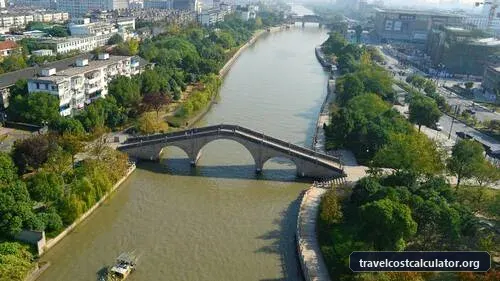
The Grand Canal is a vast waterway system in the north-eastern and central-eastern plains of China, running from Beijing in the north to Zhejiang province in the south.
The Grand Canal
🏛️ Overview & Historical Significance
Stretching an astonishing 1,775 kilometers (1,100 miles) from Beijing Travel Budget in the north to Hangzhou in the south, China’s Grand Canal (Da Yunhe) is recognized as the longest and oldest artificial waterway in human history. In 2014, UNESCO officially inscribed the Grand Canal as a World Heritage site, citing it as a masterwork of human creative genius and an unparalleled ancient hydraulic engineering feat that reshaped East Asian civilization.
First initiated during the 5th century BC and dramatically unified under Emperor Yang of the Sui Dynasty in the early 7th century AD, the Grand Canal was designed to solve a fundamental geographical challenge: connecting the agricultural, food-producing southern regions around the Yangtze River basin with the political and military centers of Northern China along the Yellow River. Over centuries of expansion during the Song, Yuan, Ming, and Qing dynasties, the canal served as the economic backbone of imperial China, facilitating the massive transport of grain (the Tribute Grain System), silk, porcelain, and troops.
Unlike static ancient monuments, the Grand Canal remains a dynamic, living heritage corridor in 2026. While northern sections near Beijing now feature revitalized ecological parks and cultural zones, southern sections in Zhejiang and Jiangsu provinces remain bustling transport arteries. The UNESCO designation encompasses 27 concrete canal sections and 58 heritage sites—including ancient lock gates, historic bridges, imperial granaries, and traditional waterfront towns across eight Chinese provinces and municipalities.
🎟️ Entrance Fees, Opening Hours & Ticket Booking Tips
Visiting the Grand Canal is a flexible experience: walking along the historic canal banks, public plazas, and ancient bridges is 100% free. However, specific heritage museums, historic parks, and scenic canal cruises require paid tickets. Below are the estimated pricing figures and operational details for 2026.
Key Attraction & Cruise Pricing (2026 Estimates)
-
✦
Public Canal Promenades (e.g., Hangzhou Gongchen Bridge, Suzhou Shantang Street): Free, accessible 24/7.
-
✦
Hangzhou Public Water Bus (Line 1 - Canal Transit): ~¥3 RMB ($0.42 USD) per single ride. The ultimate budget sightseeing option!
-
✦
Hangzhou Grand Canal Official Sightseeing Cruise (Day/Night): ~¥80 – ¥120 RMB ($11.20 – $16.80 USD).
-
✦
Suzhou Shantang Historic Canal Boat Ride (30 mins): ~¥50 – ¥80 RMB ($7.00 – $11.20 USD).
-
✦
Suzhou Panmen Scenic Area (Ancient Water & Land Gate): ~¥45 RMB ($6.30 USD).
-
✦
Yangzhou Slender West Lake & Canal Heritage Park: ~¥100 RMB ($14.00 USD) high season / ~¥60 RMB ($8.40 USD) low season.
-
✦
China Grand Canal Museum (Yangzhou): Free admission (mandatory advance reservation required).
Opening Hours & Booking Logistics
Most enclosed historic sites and indoor museums operate from 08:30 to 17:00 (last entry at 16:30), while evening boat cruises run continuously between 18:30 and 21:30. Museums are traditionally closed on Mondays.
Essential 2026 Ticket Booking Tips:
-
✦
Real-Name Ticket Registration: China mandates real-name identification for ticket bookings. Foreign travelers must bring their physical passport when entering paid heritage parks or embarking on official cruise boats.
-
✦
Digital Payments & Apps: Independent travelers should use Alipay or WeChat (both support international Visa/Mastercard registration). Search for mini-programs of specific sites (e.g., "China Grand Canal Museum") or book via international platforms like Trip.com.
-
✦
Advance Museum Reservations: High-demand facilities, particularly the interactive China Grand Canal Museum in Yangzhou, require slot reservations 3 to 7 days in advance through WeChat.
🚌 How to Get There & Local Transit Costs
Because the Grand Canal spans multiple cities, the most vibrant and visitor-friendly access points are located in the historic southern hubs of Hangzhou, Suzhou, and Yangzhou, which are easily accessed via China's high-speed rail network from Shanghai Travel Budget or Beijing.
1. Reaching the Hub Cities via High-Speed Rail (HSR)
-
✦
Shanghai to Hangzhou (Hangzhou East / Hangzhou Main Station): Bullet trains run every 10–15 minutes (approx. 45–60 minutes travel time). Second-class ticket: ~¥73 RMB ($10.25 USD).
-
✦
Shanghai to Suzhou (Suzhou Station / Suzhou Industrial Park): Express trains take 25–30 minutes. Second-class ticket: ~¥40 RMB ($5.60 USD).
-
✦
Beijing South to Hangzhou East: Direct HSR takes roughly 4.5 to 5.5 hours. Second-class ticket: ~¥550 – ¥650 RMB ($77.00 – $91.00 USD).
2. Reaching Specific Grand Canal Districts Locally
-
✦
Hangzhou (Gongchen Bridge District): Take Hangzhou Metro Line 5 to Gongchenqiao Dong (Gongchen Bridge East) Station (Exit C). A short 8-minute walk brings you directly to the Grand Canal waterfront. Metro fare: ~¥3 – ¥5 RMB ($0.42 – $0.70 USD).
-
✦
Suzhou (Shantang Street & Canal Area): Take Suzhou Rail Transit Line 2 directly to Shantang Jie Station. Exit 3 lands you right at the historic canal entrance. Metro fare: ~¥2 – ¥4 RMB ($0.28 – $0.56 USD).
-
✦
Taxi & Ride-Hailing (DiDi): App-based rides within city limits in Hangzhou or Suzhou typically cost between ~¥20 and ¥40 RMB ($2.80 – $5.60 USD) for 15-to-20-minute journeys.
📸 Best Photography Spots & Insider Visit Hacks
Top Photography Angles
-
✦
Gongchen Bridge (Hangzhou): Built during the Ming Dynasty and reconstructed in 1631, this iconic three-arch stone bridge marks the southern terminus of the Grand Canal. Capture it from the east riverbank during "blue hour" (just after sunset) when the stone arch lights up against the deep blue sky.
-
✦
Shantang Street Canal Bend (Suzhou): Frame the red lanterns glowing along vintage white-washed residences reflecting on the calm canal waters. Shoot from the Tonggui Bridge facing west for classic postcard views.
-
✦
Panmen City Gate (Suzhou): The world’s only surviving ancient water-and-land city gate. Photograph the combination of the 2,500-year-old gate complex, the Ruiguang Pagoda, and the historic canal lock.
-
✦
Grand Canal Museum Lookout (Yangzhou): The top-floor viewing platform of the China Grand Canal Museum provides an unobstructed panoramic view of modern cargo barges navigating ancient waterways.
Insider Travel Hacks for 2026
-
✦
Take the Public Water Bus Line 1: Skip expensive private boat tours in Hangzhou! Board the public commuter water bus at Wulin Port heading north to Gongchen Bridge for just ¥3 RMB ($0.42 USD). It offers the exact same views as tour boats at a fraction of the cost.
-
✦
Seasonal Weather Guidance: The best times to visit are Spring (March to May) when peach blossoms bloom along the banks, and Autumn (September to November) for crisp, clear days and mild temperatures (15°C to 23°C / 59°F to 73°F). Avoid humid July–August heatwaves and typhoon rains.
-
✦
Crowd Avoidance: Strictly avoid visiting during China's "Golden Week" holidays (the first week of October and the Spring Festival week in January/February). To enjoy tranquil stone alleyways, visit famous canal streets before 08:30 AM before tour groups arrive.
-
✦
Connectivity Tip: Install an eSIM with included data roaming before arrival, or use a international roaming plan to maintain seamless access to search engines, maps, and translation apps without digital interruption.
🏨 Nearby Accommodation & Daily Budget Allocation
To experience the authentic atmosphere of the canal, staying overnight in historical districts like Hangzhou's Gongchen Bridge area or Suzhou's Gusu District near Shantang Street is highly recommended.
Recommended Accommodations
-
✦
Budget (Hostels & Guesthouses): Tinglan Canal Guesthouse (Hangzhou) or Suzhou Blue Sky Youth Hostel. Clean dorm beds and cozy private rooms in traditional courtyard buildings. Cost: $20 – $40 USD (¥140 – ¥280 RMB) per night.
-
✦
Mid-Range (Boutique Heritage Hotels): Mercure Hangzhou Grand Canal or Scholars Hotel Shantang Street Suzhou. Stylish rooms blending modern amenities with traditional Jiangnan design elements. Cost: $65 – $120 USD (¥460 – ¥850 RMB) per night.
-
✦
Luxury (5-Star & Heritage Resorts): The Tea House Resort / Qiandao Lake Heritage Villa or Pan Pacific Suzhou (integrated directly into historic canal gardens). Cost: $180 – $350+ USD (¥1,280 – ¥2,500 RMB) per night.
Estimated Daily Travel Budgets (Per Person, 2026)
| Expense Category | Backpacker Budget Planner | Mid-Range Traveler | Luxury Traveler |
|---|---|---|---|
| Accommodation | $25 USD (¥180 RMB) | $80 USD (¥570 RMB) | $250 USD (¥1,780 RMB) |
| Food & Dining | $12 USD (¥85 RMB) | $35 USD (¥250 RMB) | $100 USD (¥710 RMB) |
| Transport & Metro | $5 USD (¥35 RMB) | $15 USD (¥105 RMB) | $45 USD (¥320 RMB) |
| Cruises & Entrances | $5 USD (¥35 RMB) | $25 USD (¥180 RMB) | $60 USD (¥430 RMB) |
| DAILY TOTAL | $47 USD (¥335 RMB) | $155 USD (¥1,105 RMB) | $455 USD (¥3,240 RMB) |
Frequently Asked Questions
Essential visitor FAQs for The Grand Canal
What is the entrance fee for The Grand Canal?
How much time do you need to explore The Grand Canal?
How do I get to The Grand Canal from the nearest city?
📊 Heritage Quick Specs
Visiting China on a Budget?
Calculate your full daily travel budget for China — including hotel costs, local transport, food, and sightseeing expenses.
View China Daily Travel Costs →Explore more UNESCO World Heritage Sites
🏛️ All 1,200+ Heritage Sites →