
 Saudi Arabia
The Cultural Landscape of Al-Faw Archaeological Area
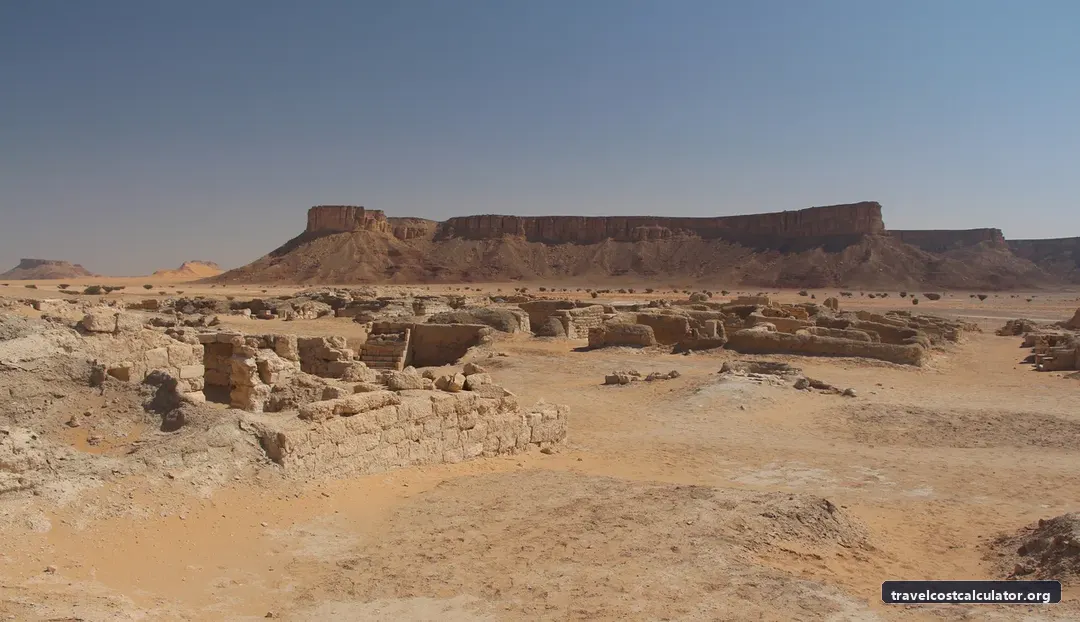
Lying at a strategic point of the ancient trade routes of the Arabian Peninsula, the property was abruptly abandoned around the 5th century CE.
The Cultural Landscape of Al-Faw Archaeological Area
🏛️ Overview & Historical Significance
Inscribed as Saudi Arabia’s eighth UNESCO World Heritage site in 2024, The Cultural Landscape of Al-Faw Archaeological Area stands as one of the most astonishing, yet untamed, archaeological treasures in the Arabian Peninsula. Located at the intersection of the arid Empty Quarter (Rub' al-Khali) desert and the dramatic limestone ridges of the Tuwaiq Escarpment, Al-Faw (historically known as Qaryat al-Faw) was once the thriving capital of the ancient Kindah Kingdom, flourishing from the 1st century BCE through the 4th century CE.
What makes Al-Faw extraordinary—and worthy of its global UNESCO recognition—is its demonstration of human ingenuity in surviving and mastering an unforgiving environment. Long before modern infrastructure, the inhabitants of Al-Faw built a major trans-Arabian trade hub along the lucrative Incense Route, connecting South Arabia (modern-day Yemen) with the Mediterranean basin, Mesopotamia, and Persia. UNESCO recognized the site based on three core cultural pillars:
-
✦
The Urban & Trading Center: Excavations have revealed a master-planned ancient city featuring multi-story residential blocks, complex market structures (souks), public baths, and temples dedicated to ancient South Arabian deities such as Kahl.
-
✦
Ingenious Water Management: The landscape preserves hundreds of ancient underground water channels (qanats or aflaj), deep wells, and agricultural basins that allowed palm groves, cereals, and vines to flourish deep in the desert.
-
✦
Rock Art & Necropolises: Surrounding the city center are over 12,000 petroglyphs and inscriptions carved into the Khashm Qaryah cliffside, depicting hunting scenes, battles, and animal caravans, alongside vast fields of circular stone tumuli and elaborate subterranean tombs.
For modern travelers visiting in 2026, Al-Faw offers a rare glimpse into ancient Arabia before Islam, contrasting raw desert majesty with deep archaeological complexity. Unlike heavily commercialized world heritage sites, visiting Al-Faw feels like an authentic expedition into living history.
🎟️ Entrance Fees, Opening Hours & Ticket Booking Tips
Following its 2024 UNESCO designation, the Saudi Heritage Commission established controlled visitor management systems to protect the fragile desert site while welcoming international culture seekers. Visiting in 2026 requires an advance permit or timed entry booking through the official Saudi Heritage Commission portal or authorized local heritage tour operators.
Estimated 2026 Ticket Pricing
-
✦
Standard Heritage Entry Pass: 75 SAR (~$20 USD) per adult.
-
✦
Discounted Entry (Students & Youth 12–18): 35 SAR (~$9.30 USD).
-
✦
Children under 12: Free (registration still required).
-
✦
Official Guided 4x4 Archaeological Tour (Per Vehicle, up to 4 passengers): 550 SAR to 750 SAR (~$146 to $200 USD), including a certified Bedouin ranger/archaeological guide.
Opening Hours & Seasonal Operational Days
Due to intense desert heat, operating schedules vary depending on the season:
-
✦
Winter Season (October – March): Open daily from 7:30 AM to 5:30 PM. (Last entry permit issued at 3:30 PM).
-
✦
Summer Season (April – September): Open Tuesday through Sunday, Split Travel Budget hours: 6:30 AM to 10:30 AM and 4:00 PM to 7:00 PM. (Midday closure due to extreme temperatures exceeding 45°C / 113°F).
Pro Tips for Booking
Self-guided walk-ins without prior digital permits are strictly prohibited to prevent site vandalism. Apply for your entry pass online at least 72 hours before your trip. If you intend to photograph the outer rock art zones at Khashm Qaryah, ensure your permit includes the Extended Zone B Access add-on (included at no extra charge on the digital portal, but must be checked during booking).
🚌 How to Get There & Local Transit Costs
Al-Faw is located in the southern part of the Riyadh Travel Budget Region, approximately 100 kilometers south-southwest of the town of Wadi ad-Dawasir and roughly 650 kilometers southwest of Saudi Arabia's capital, Riyadh. Because of its remote desert setting, reaching the site requires planning.
Step-by-Step Transit Options
Option 1: Fly to Wadi ad-Dawasir + Rent a 4x4 (Recommended)
The fastest and most comfortable way to reach Al-Faw is to take a domestic flight from Riyadh (RUH) to Wadi ad-Dawasir Domestic Airport (WAE). SAUDIA operates weekly scheduled flights (approx. 1 hour 15 minutes flight duration). From the airport, rent a four-wheel-drive vehicle.
-
✦
Domestic Flight (Riyadh to Wadi ad-Dawasir return): 350 SAR – 650 SAR (~$93 – $173 USD).
-
✦
4WD Rental (Wadi ad-Dawasir): 280 SAR – 420 SAR (~$75 – $112 USD) per day.
-
✦
Driving Distance: ~110 km (1 hour 15 minutes driving time via Highway 10, followed by marked desert tracks).
Option 2: Overland Road Trip from Riyadh
For adventurous travelers, driving directly from Riyadh offers a dramatic road trip through the heart of Najd. Follow Highway 10 south towards Wadi ad-Dawasir, turning off toward the site near the Tuwaiq ridge junction.
-
✦
Total Distance: ~650 km (6 to 7 hours of driving each way).
-
✦
Fuel Costs (2026 estimates): ~120 SAR – 180 SAR (~$32 – $48 USD) each way based on standard 91/95 unleaded petrol rates in Saudi Arabia.
-
✦
Vehicle Requirement: High-clearance SUV or 4WD is mandatory for the final 12-kilometer unpaved gravel and sand approach.
Option 3: Private Taxi Charter / Private Tour from Wadi ad-Dawasir
If you prefer not to drive off-road, hire a driver in Wadi ad-Dawasir for a half-day excursion.
-
✦
Private Taxi Round-Trip Charter: 350 SAR – 500 SAR (~$93 – $133 USD) including 3 hours of waiting time at the archaeological site.
📸 Best Photography Spots & Insider Visit Hacks
Capturing the dramatic juxtaposition of ancient ruins against shifting red sands and high limestone cliffs requires precise timing and gear consideration.
Top 3 Photography Vantage Points
-
✦
Khashm Qaryah Cliff Viewpoint (Golden Hour): Position yourself along the lower slopes of the Tuwaiq ridge at late afternoon (around 4:30 PM in winter). Golden sunlight illuminates the ancient petroglyph panels depicting ibex and hunters while casting long shadows across the residential excavations below.
-
✦
The Residential District & Souk Grid: Use a drone (permits required via the Saudi General Authority of Civil Aviation) or a wide-angle lens from an elevated earthen mound to photograph the organized grid of ancient foundations, market stalls, and stone walls.
-
✦
The Circular Tumuli Burial Fields: Photograph the mystery of the prehistoric stone cairns against the vast open expanse of the Empty Quarter horizon during early morning sunrise (around 6:45 AM).
Insider Visit Hacks for 2026
-
✦
Offline Maps are Vital: Cellular coverage from local providers (STC, Mobily) can drop out as you leave Highway 10 toward the Tuwaiq ridge. Download offline Google Maps or Maps.me routes prior to leaving Wadi ad-Dawasir.
-
✦
Footwear Caution: The ground consists of sharp limestone gravel, loose sand, and scrub. Wear ankle-high, sturdy hiking boots. Watch for sun-basking reptiles during warmer months.
-
✦
Hydration & Supplies: There are no commercial cafes or shops inside the UNESCO archaeological zone. Carry a minimum of 3 liters of water per person, high-energy snacks, sun hat, and SPF 50+ sunscreen.
-
✦
Respect Archaeological Integrity: Touching petroglyphs, climbing on unreinforced dry-stone walls, or collecting pottery sherds is strictly illegal under Saudi heritage protection laws and carries severe fines.
🏨 Nearby Accommodation & Daily Budget Allocation
Because Al-Faw is located in an isolated archaeological reserve, visitors base themselves in the nearby city of Wadi ad-Dawasir, where hospitality services have expanded rapidly following the site's UNESCO listing.
Where to Stay
-
✦
Budget Choice: Local Hotel Apartments (Wadi ad-Dawasir)
Clean, self-catering options such as Al Farhan Hotel Suites or Rest Night Hotel Apartments offer full kitchens and air-conditioned rooms.
Price range: 180 SAR – 260 SAR (~$48 – $69 USD) per night. -
✦
Mid-Range Choice: Modern 3/4-Star City Hotels
Properties like the Golden Garden Hotel Wadi Dawasir feature modern amenities, high-speed Wi-Fi, on-site dining, and desert tour desks.
Price range: 350 SAR – 550 SAR (~$93 – $146 USD) per night. -
✦
Experiential / Eco-Luxury Choice: Heritage Desert Glamping Camps
Seasonal glamping camps operating near the edge of the Tuwaiq Escarpment offer Bedouin hospitality, open-fire traditional dinners, and stargazing sessions.
Price range: 750 SAR – 1,300 SAR (~$200 – $346 USD) per night (inclusive of meals and transfers).
Daily Budget Allocation (2026 Estimates)
To help you budget your expedition to Al-Faw, here is a realistic daily breakdown per person based on travel style:
| Expense Category | Budget Road-Tripper | Mid-Range Explorer | Luxury Expeditioner |
|---|---|---|---|
| Accommodation | $30 USD (Shared room) | $65 USD (3-Star Hotel) | $220 USD (Desert Lodge) |
| Meals & Water | $15 USD (Local eateries) | $35 USD (Hotel / Casual dining) | $75 USD (Gourmet / Full-board) |
| Transport (Shared/Day) | $25 USD (Fuel / Compact SUV) | $50 USD (Rental 4WD) | $130 USD (Private Chauffeur 4WD) |
| Permits & Guides | $20 USD (Standard entry) | $45 USD (Shared local guide) | $100 USD (Private Archaeologist) |
| Estimated Daily Total | ~$90 USD | ~$195 USD | ~$525 USD |
Plan for a minimum of 2 days and 1 night in the region to fully experience the site, travel smoothly from Wadi ad-Dawasir, and photograph both sunset and sunrise over the ancient trade routes of Al-Faw.
Frequently Asked Questions
Essential visitor FAQs for The Cultural Landscape of Al-Faw Archaeological Area
What is the entrance fee for The Cultural Landscape of Al-Faw Archaeological Area?
How much time do you need to explore The Cultural Landscape of Al-Faw Archaeological Area?
How do I get to The Cultural Landscape of Al-Faw Archaeological Area from the nearest city?
📊 Heritage Quick Specs
Visiting Saudi Arabia on a Budget?
Calculate your full daily travel budget for Saudi Arabia — including hotel costs, local transport, food, and sightseeing expenses.
View Saudi Arabia Daily Travel Costs →Explore more UNESCO World Heritage Sites
🏛️ All 1,200+ Heritage Sites →