
 Indonesia
The Cosmological Axis of Yogyakarta and its Historic Landmarks
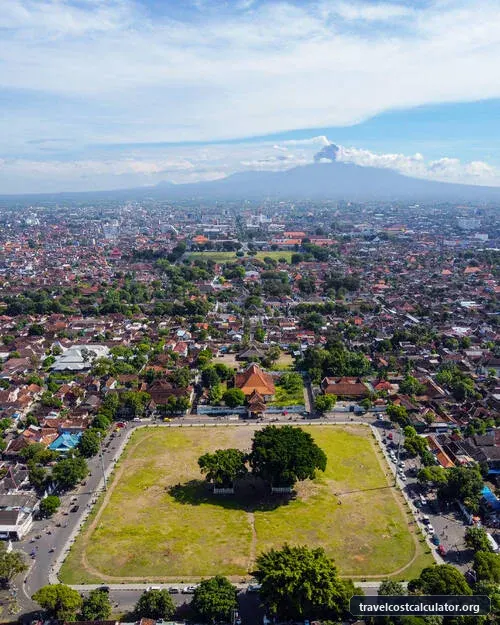
The central axis of Yogyakarta was established in the 18th century by Sultan Mangkubumi, and has continued from that time as a centre of government and Javanese cultural traditions.
The Cosmological Axis of Yogyakarta and its Historic Landmarks
🏛️ Overview & Historical Significance
Inscribed as a UNESCO World Heritage site in September 2023, The Cosmological Axis of Yogyakarta and its Historic Landmarks (known locally as Sumbu Filosofis Yogyakarta) represents one of Southeast Asia's most profound spatial and cultural urban planning achievements. Conceptualized in 1755 by Sultan Hamengkubuwono I, the founder of the Mataram Sultanate of Yogyakarta, this 6-kilometer (3.7-mile) central north-south imaginary axis aligns physical architecture directly with ancient Javanese cosmos mythology, Hindu-Buddhist philosophies, and Islamic mysticism.
The cosmological line stretches straight from the towering summit of Mount Merapi (an active volcano representing fire and spiritual creation in the north) down to the turbulent waves of the Indian Ocean (Laut Selatan) in the south—the sacred domain of Queen Nyi Roro Kidul. Positioned along this axis are several historic landmarks that symbolise the physical and spiritual journey of human existence (Sangkan Paraning Dumadi—the origin and ultimate return of human life):
-
✦
Panggung Krapyak: The southern point, symbolizing conception and early childhood.
-
✦
Kraton Yogyakarta (Sultan’s Palace): The spiritual and administrative heart, representing adulthood, governance, and divine leadership.
-
✦
Taman Sari (Water Castle): The royal pleasure park and secret retreat, signifying earthly beauty, reflection, and royal heritage.
-
✦
Beringharjo Market & Jalan Malioboro: The bustling commercial artery symbolizing the material temptations and social interactions of worldly life.
-
✦
Tugu Yogyakarta (The Monument): The northern urban beacon representing the unity of the Sultan, the people, and the Almighty God (Golong Gilig).
Visiting the Cosmological Axis today offers travellers an immersive walk through living heritage. Unlike static monument sites, Yogyakarta's axis remains a bustling, vibrant urban ecosystem where traditional Javanese royal rituals, street batik markets, and daily life thrive side by side.
🎟️ Entrance Fees, Opening Hours & Ticket Booking Tips
Because the Cosmological Axis is an urban spatial corridor rather than a single enclosed complex, accessing the public streets (Jalan Malioboro, Tugu Monument) is free. However, key heritage monuments along the axis require individual entrance tickets. Below are the updated 2026 estimated pricing schedules and hours for international visitors:
1. Kraton Yogyakarta (Sultan's Palace)
-
✦
International Visitor Ticket: IDR 30,000 (~$1.85 USD)
-
✦
Camera/Video Permit: IDR 5,000 (~$0.30 USD)
-
✦
Opening Hours: Tuesday – Sunday, 08:30 AM – 3:00 PM (Closed Mondays for conservation; closes at 1:00 PM on Fridays).
-
✦
Insider Tip: Arrive by 09:30 AM to catch the daily traditional Javanese cultural performances (gamelan recitals, Macapat singing, or Wayang Kulit shadow puppet shows) held in the inner pavilion at no extra charge.
2. Taman Sari (Water Castle & Underground Mosque)
-
✦
International Visitor Ticket: IDR 35,000 (~$2.15 USD)
-
✦
Optional Local Guide Fee: IDR 75,000 – IDR 100,000 (~$4.60 – $6.15 USD) — highly recommended for navigating the underground catacombs (Sumur Gumuling).
-
✦
Opening Hours: Daily, 09:00 AM – 3:00 PM.
3. Panggung Krapyak & Tugu Monument
-
✦
Panggung Krapyak Entrance: Exterior viewing is free. Interior access is occasionally limited to heritage tours (~IDR 15,000 / $0.90 USD).
-
✦
Tugu Yogyakarta: Free public open-air monument (24/7).
Combined Ticket Budget: Budget approximately IDR 80,000 to IDR 150,000 ($5.00 – $9.20 USD) total per person to cover entry fees and optional photography permits across all key paid sites along the axis.
Payment Methods in 2026: While major heritage ticket counters now support digital payments via QRIS and international contactless debit/credit cards, carrying small bills in local currency (Indonesian Rupiah - IDR) is essential for local guides, camera permits, and street food stops.
🚌 How to Get There & Local Transit Costs
Yogyakarta is well-connected by international air routes, high-speed rail links, and regional transit systems. The axis itself lies right in the center of the city.
Step 1: Arriving in Yogyakarta
-
✦
From Yogyakarta International Airport (YIA): Located 45 km west of the city center. The most efficient transfer in 2026 is the YIA Airport Rail Link (KA Bandara YIA).
- Standard Airport Train: IDR 20,000 (~$1.25 USD) — takes 39 minutes straight to Stasiun Tugu Yogyakarta (located at the top of the Cosmological Axis).
-
✦
Express Airport Train: IDR 50,000 (~$3.10 USD) — takes 35 minutes non-stop.
-
✦
Airport Taxi / Ride-Hailing (Grab/Gojek): IDR 200,000 – IDR 280,000 (~$12.30 – $17.20 USD); trip takes 60–90 minutes depending on bypass traffic.
Step 2: Navigating the Axis Corridor
Once you are in central Yogyakarta, moving up and down the 6 km cosmological line is simple and affordable:
-
✦
TransJogja Bus System: The city's air-conditioned public bus network operates key routes (Lines 1A, 2A) along Malioboro and the Kraton perimeter. Flat rate fare: IDR 3,600 (~$0.22 USD) using an electronic travel card or QRIS payment.
-
✦
Ride-Hailing Apps (Gojek / Grab): The easiest point-to-point option. Motorbike taxis (GoRide/GrabBike) cost IDR 12,000 – IDR 20,000 (~$0.75 – $1.25 USD) between sites. Car rides (GoCar/GrabCar) cost IDR 25,000 – IDR 45,000 (~$1.55 – $2.80 USD).
-
✦
Traditional Becak (Pedicab): A classic way to travel from Malioboro to Kraton or Taman Sari. Motorized or pedal becaks cost roughly IDR 30,000 – IDR 60,000 (~$1.85 – $3.70 USD). Always negotiate and fix the price before stepping aboard!
-
✦
Walking: The 2 km strip from Tugu Monument, down Jalan Malioboro, through Beringharjo Market to the Sultan's Palace features revamped, pedestrian-friendly wide pavements. Walking this section is free and highly recommended in the cooler late afternoon.
📸 Best Photography Spots & Insider Visit Hacks
Capturing the architectural majesty and spiritual geometry of Yogyakarta's axis requires smart timing and local knowledge.
Top Photography Locations
-
✦
Tugu Yogyakarta at Sunrise (05:30 AM – 06:30 AM): Position yourself on the sidewalk north of the monument facing south. On clear mornings during the dry season, you can capture the monument aligned perfectly with Mount Merapi looming in the background behind you.
-
✦
Sumur Gumuling (Underground Mosque at Taman Sari): The central underground chamber where five staircases converge under a circular roof opening creates incredible lighting contrasts. Visit right at 09:00 AM opening time to beat the selfie crowds.
-
✦
Taman Sari Bathing Complex (Umbul Pasiraman): The elevated tower overlooks turquoise bathing pools once reserved for royal wives. Best photographed between 10:00 AM and 12:00 PM for bright overhead lighting.
-
✦
Jalan Malioboro at Dusk: Capture the vibrant neon lights, vintage street lamps, traditional batik hawkers, and street performers as golden hour transitions to night.
Insider Hacks & Etiquette
-
✦
Respect Dress Codes at the Kraton: As an active royal residence, conservative dress is required. Shoulders and knees must be covered. Avoid wearing tube tops, singlets, or overly short shorts. Remove hats and sunglasses when entering inner sacred pavilions.
-
✦
Avoid the "Batik Art Gallery" Scam: Around Malioboro and the Kraton gates, friendly strangers may strike up a conversation claiming the Kraton is "closed for a private royal meeting today" and offer to walk you to a "special exhibition." This is a classic commission scam to take you to overpriced batik shops. Always walk directly to official ticket booths.
-
✦
Seasonal Timing: The best weather occurs during the dry season from April to October. July and August offer clear skies ideal for viewing Mount Merapi along the axis, though humidity remains warm (28°C – 32°C / 82°F – 90°F).
🏨 Nearby Accommodation & Daily Budget Allocation
Staying near the Cosmological Axis puts you within walking distance of historical monuments, culinary night markets, and major transit hubs. Yogyakarta is widely celebrated as one of Asia's best-value culture destinations.
Recommended Accommodation
-
✦
Budget / Backpackers ($10 – $22 USD / night): Sosrowijayan and Prawirotaman districts offer stylish hostels and traditional Javanese guest houses (homestays). Top picks include ViaVia Guesthouse and boutique pods along Sosrowijayan lane.
-
✦
Mid-Range Heritage & Boutique ($40 – $85 USD / night): Experience Javanese architecture and modern eco-design. Excellent picks near the axis include Greenhost Boutique Hotel, Adhisthana Hotel in Prawirotaman, or The Phoenix Hotel Yogyakarta (MGallery) for colonial luxury near Tugu.
-
✦
Luxury Stays ($130 – $260+ USD / night): Royal Ambarrukmo or high-end heritage suites offering personalized royal Javanese hospitality, spa treatments, and private guided cultural itineraries.
Daily Travel Budget Allocation (Per Person, 2026 Estimates)
-
✦
Backpacker Budget Planner: $25 – $35 USD per day
- Hostel Dorm Bed: $12
-
✦
Street Food (Gudeg, Bakpia, Angkringan rice options): $7
-
✦
Local Transit (TransJogja bus / Gojek): $3
-
✦
Site Entrance Fees: $5
- Boutique Hotel Room (shared cost): $35 – $50
- Heritage Hotel / Luxury Suite: $150+
Frequently Asked Questions
Essential visitor FAQs for The Cosmological Axis of Yogyakarta and its Historic Landmarks
What is the entrance fee for The Cosmological Axis of Yogyakarta and its Historic Landmarks?
How much time do you need to explore The Cosmological Axis of Yogyakarta and its Historic Landmarks?
How do I get to The Cosmological Axis of Yogyakarta and its Historic Landmarks from the nearest city?
📊 Heritage Quick Specs
Visiting Indonesia on a Budget?
Calculate your full daily travel budget for Indonesia — including hotel costs, local transport, food, and sightseeing expenses.
View Indonesia Daily Travel Costs →Explore more UNESCO World Heritage Sites
🏛️ All 1,200+ Heritage Sites →