
 Panama
The Colonial Transisthmian Route of Panamá
From the 16th century, the isthmus of Panama became a global strategic asset facilitating the transportation of goods and people between the Iberian Peninsula and the colonies of the Kingdom of Spain in America...
The Colonial Transisthmian Route of Panamá
🏛️ Overview & Historical Significance: The Colonial Transisthmian Route of Panamá
In 2025, UNESCO officially inscribed The Colonial Transisthmian Route of Panamá onto the World Heritage list, recognizing one of the most historically transformative trade corridors in human history. Long before the modern Panama Canal revolutionized global shipping, this narrow, 50-mile strip of tropical isthmus served as the imperial backbone of Spanish transatlantic trade from the 16th to the 18th centuries. It was over these cobbled jungle tracks and coastal fortresses that Inca silver, Asian silk, and European treasures were hauled between the Pacific and Atlantic Oceans.
Unlike single-monument heritage sites, this World Heritage property is a serial listing spanning five distinct, interconnected historical components across Panama:
-
✦
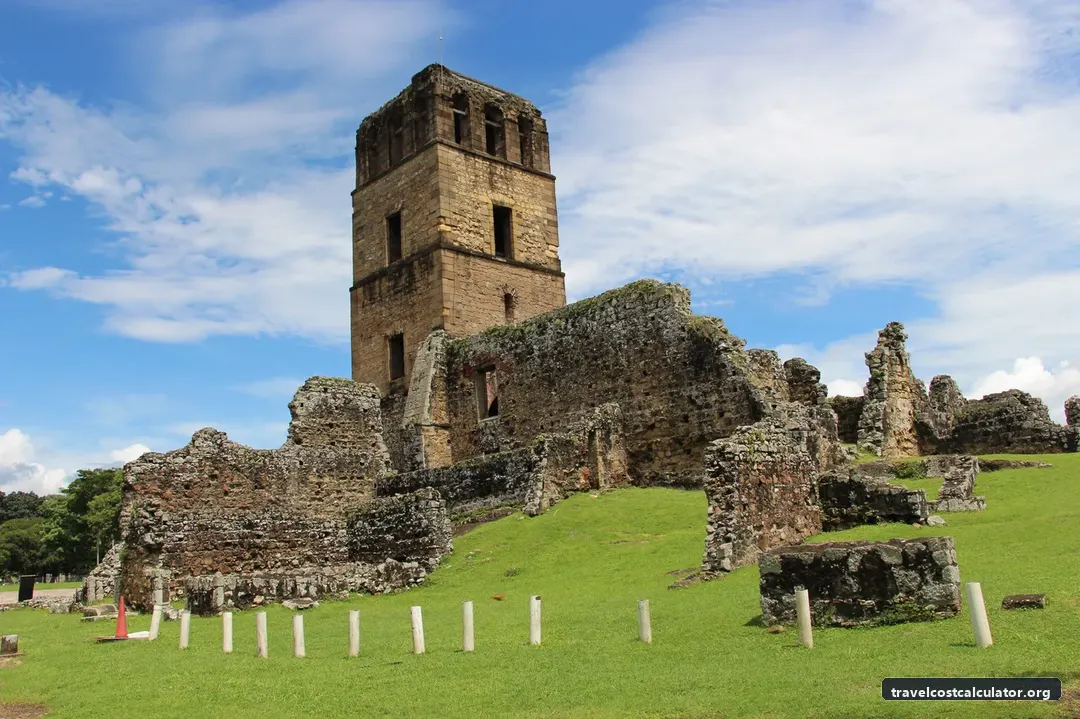
Panamá Viejo (Old Panama): Founded in 1519, this was the first European settlement on the Pacific coast of the Americas, serving as the southern terminus for transisthmian commerce until its destruction by privateer Henry Morgan in 1671.
-
✦
Casco Antiguo (Historic District of Panama City Travel Budget): Constructed in 1673 on a heavily fortified peninsula to replace Panamá Viejo, showcasing stunning Spanish, French, and neoclassical colonial architecture.
-
✦
Camino de Cruces: A paved, stone-over-dirt trail cutting through dense jungle, allowing mule trains to haul goods between Panama City and Venta de Cruces on the Chagres River.
-
✦
Camino Real: The original all-overland royal road used during the dry season to connect Panama City directly to the Caribbean port of Nombre de Dios (and later Portobelo).
-
✦
The Fortifications of the Caribbean Side (Portobelo and San Lorenzo): Military masterpieces designed by Spanish engineers to guard the Chagres River mouth and Portobelo harbor against English, French, and Dutch pirates.
Visiting the route in 2026 offers travelers an unmatchable journey through living history. You can walk the ancient cobblestones laid by enslaved African and Indigenous laborers, marvel at stone watchtowers standing guard over rainforest rivers, and experience the cultural tapestry of Panama that grew directly out of this global crossroads.
🎟️ Entrance Fees, Opening Hours & Ticket Booking Tips (2026 Estimates)
Because the route consists of several separate archaeological sites, national parks, and historic districts, entry requirements and ticket pricing vary by location across the Isthmus. As of 2026, Panama's Ministry of Culture (MiCultura) and the Ministry of Environment (MiAmbiente) manage these sites with individual site entry fees.
Key Site Pricing & Hours Breakdown
-
✦
Panamá Viejo Archaeological Site & Museum:
- Adult International Visitors: $15.00 USD
-
✦
Students / Seniors: $10.00 USD
-
✦
Children (under 12): $5.00 USD
-
✦
Hours: Tuesday to Sunday, 8:30 AM – 4:30 PM (Closed Mondays).
- Admission: Free to enter and explore public plazas and streets 24/7.
- Park Entry Pass: $5.00 USD for non-resident adults.
- Park & Fort Entry Fee: $10.00 USD total per international visitor.
- Customs House Museum & Fort Access: $5.00 USD.
Insider Booking & Payment Hacks for 2026
1. Cash is King outside Panama City: While museums in Panama City accept major credit cards, entrance booths at San Lorenzo, Camino de Cruces, and Portobelo frequently experience network outages. Always carry physical US Dollars ($1, $5, and $10 bills). Panama uses the USD alongside its local unit, the Balboa (PAB), which trades at a strict 1:1 ratio.
2. Hire Licensed Heritage Guides for Trails: Hiking the jungle segments of the Camino de Cruces without a registered guide is strongly discouraged due to thick canopy coverage, rapid weather changes, and potential trail loss. Certified historical guides cost approximately $80.00 – $130.00 USD per day for small groups and provide essential navigation and safety.
🚌 How to Get There & Local Transit Costs
Panama City serves as the primary base for exploring the Transisthmian Route. Transport options range from modern underground metro lines within the capital to 4x4 transfers and riverboats across the Isthmus.
1. Accessing Pacific Sites (Panamá Viejo & Casco Antiguo)
-
✦
To Panamá Viejo: Take Line 1 or 2 of the Panama Metro to Vía Argentina or Fernández de Córdoba station, then take a feeder bus (C640 or C641) marked "Panama Viejo" ($0.25 USD metro bus fare). Alternatively, an Uber from downtown Panama City costs around $5.00 – $8.00 USD.
-
✦
To Casco Antiguo: Take Metro Line 1 to 5 de Mayo Station, followed by a pleasant 10-minute walk down the pedestrianized Peatonal Central or along the Cinta Costera III. Uber rides from central hotels average $4.00 – $7.00 USD.
2. Reaching the Overland Trail Segment (Camino de Cruces)
-
✦
Public Transit: Take a bus from Albrook Bus Terminal bound for Gamboa ($1.75 USD). Ask the driver to drop you near the Soberanía National Park trailhead entrance on the Gamboa Road.
-
✦
Private Taxi / Ride-Share: An Uber or private taxi from central Panama City to the Gamboa trailhead costs roughly $25.00 – $35.00 USD one way. Pre-arrange your return trip with your driver, as phone service can be spotty.
3. Reaching Caribbean Fortifications (San Lorenzo & Portobelo)
-
✦
To Fort San Lorenzo (Via Colón): Take an express bus from Panama City’s Albrook Terminal to Colón ($3.15 USD, 1.5 hours). From Colón, hire a private taxi to Fort San Lorenzo ($40.00 – $60.00 USD round-trip including wait time), as no direct public buses reach the fort inside Chagres National Park.
-
✦
To Portobelo: Take the express bus from Albrook to Colón ($3.15 USD), then transfer at the Colón Bus Terminal to the local "Portobelo" bus ($2.00 USD, 1 hour). Total transit cost is under $6.00 USD each way.
-
✦
Organized Day Excursions: Full-day tours covering Portobelo and Fort San Lorenzo departing from Panama City typically run between $90.00 and $150.00 USD per person, including direct private transport, lunch, and entry tickets.
📸 Best Photography Spots & Insider Visit Hacks
Capturing the architectural fusion of Spanish colonial engineering and tropical jungle requires strategic planning. Here are the top photography locations and practical travel tips:
Unmissable Photography Locations
-
✦
Torre de la Catedral (Panamá Viejo): Climb the 115-step interior wooden staircase of the 30-meter stone cathedral tower. Shoot from the top window to capture ancient stone ruins in the foreground against the dramatic modern skyline of Punta Pacífica in the background.
-
✦
Paseo Esteban Huertas (Casco Viejo): Frame your shots under the Bougainvillea-covered canopy walkway along the seawall, capturing views of the Bay of Panama and traditional wooden fishing boats.
-
✦
The Royal Gate at Fort San Lorenzo: Position yourself at the fort’s moat drawbridge entrance during late afternoon golden hour. The crumbling stone walls framed by the mouth of the Chagres River offer spectacular views.
-
✦
The Sunken Cobblestones of Camino de Cruces: Deep inside Soberanía National Park, capture close-ups of 400-year-old basalt stones embedded in green jungle moss, framed by tropical giant kapok trees.
Insider Visit Hacks
Beat the Heat and Rain: Panama’s dry season runs from mid-December through April, providing optimal trail conditions for hiking the Camino de Cruces. If visiting during the green season (May to November), conduct outdoor visits to Panamá Viejo and San Lorenzo between 8:00 AM and 11:00 AM before afternoon tropical downpours arrive.
Essential Gear Checklist: Pack breathable, moisture-wicking clothing, high-SPF reef-safe sunscreen, a waterproof dry bag for camera gear, eco-friendly insect repellent (containing DEET or Picaridin for jungle trails), and sturdy trail shoes with strong traction to prevent slipping on mud-slicked colonial stones.
🏨 Nearby Accommodation & Daily Budget Allocation
Travelers exploring the Colonial Transisthmian Route can choose options ranging from budget-friendly historic stays to luxurious heritage boutique properties.
Accommodation Options
-
✦
Budget ($20 – $45 USD / night):
- Selina Casco Viejo (Panama City): Vibrant social hostel offering dorm beds and private rooms housed in a restored historic building right in the heritage heart.
-
✦
- Casa Vento Hostel (Casco Viejo): Cozy budget option close to main squares and local transport hubs.
- La Compañía, Inclusive Collection (Casco Antiguo): A meticulously restored design hotel Split Travel Budget into French, Spanish, and American colonial wings.
- American Trade Hotel (Casco Viejo): Iconic luxury landmark combining historic Panamian architecture with modern luxury, refined dining, and rooftop views.
Estimated Daily Budget Profiles (2026 Rates)
| Traveler Style | Daily Budget (USD) | Breakdown (Lodging, Food, Transport, Tickets) |
|---|---|---|
| Backpacker / Budget | $45 – $65 USD | Hostel dorm ($25), street food/local fondas ($15), metro/buses ($5), public site entries ($10). |
| Mid-Range Flashpacker | $140 – $220 USD | Boutique 3-star hotel ($100), sit-down dining/ceviche ($40), Ubers/guided bus transfers ($30), full museum passes ($20). |
| Luxury Heritage Traveler | $450 – $800+ USD | 5-star historic hotel ($350), fine dining & cocktails ($150), private 4x4 chauffeur & guide ($200), site fees ($50). |
Dining Tip: Don't miss eating at the Mercado de Mariscos (Fish Market) located at the entrance to Casco Viejo. You can sample fresh Corvina ceviche for under $4.00 – $6.00 USD while enjoying views of the Pacific entry point to the historic route.
Frequently Asked Questions
Essential visitor FAQs for The Colonial Transisthmian Route of Panamá
What is the entrance fee for The Colonial Transisthmian Route of Panamá?
How much time do you need to explore The Colonial Transisthmian Route of Panamá?
How do I get to The Colonial Transisthmian Route of Panamá from the nearest city?
📊 Heritage Quick Specs
Visiting Panama on a Budget?
Calculate your full daily travel budget for Panama — including hotel costs, local transport, food, and sightseeing expenses.
View Panama Daily Travel Costs →Explore more UNESCO World Heritage Sites
🏛️ All 1,200+ Heritage Sites →