
 China
Temple and Cemetery of Confucius and the Kong Family Mansion in Qufu
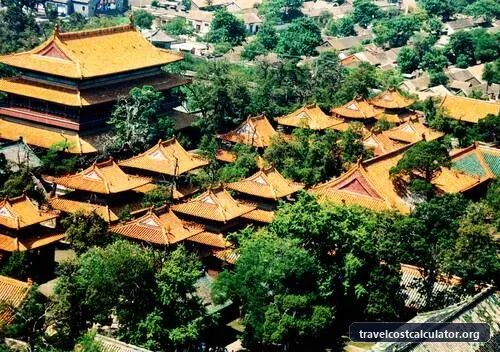
The temple, cemetery and family mansion of Confucius, the great philosopher, politician and educator of the 6th–5th centuries B.C., are located at Qufu, in Shandong Province.
Temple and Cemetery of Confucius and the Kong Family Mansion in Qufu
🏛️ Overview & Historical Significance
Nestled in the heart of Shandong Province, the city of Qufu stands as the spiritual birthplace of Confucianism—a philosophical and ethical system that has shaped East Asian civilization, governance, and moral code for over two millennia. In 1994, UNESCO designated the Temple and Cemetery of Confucius and the Kong Family Mansion (collectively known in China as San Kong or "The Three Confucian Sites") as a World Heritage Site. This trio of historic monuments represents an unmatched testament to China's dynastic history, monumental architectural evolution, and artistic mastery spanning over 2,000 years.
Confucius (Kong Qiu, 551–479 BCE) was a master philosopher whose teachings emphasized humaneness (Ren), filial piety, ritual propriety, and righteous governance. Following his death, his modest three-room dwelling was preserved by his followers. Over successive imperial dynasties—from the Han through the Qing—emperors lavished titles, land, and royal patronages upon Confucius's descendants, turning Qufu into a sacred imperial shrine second only to Beijing Travel Budget in political and cultural prestige.
The UNESCO designation highlights three interconnected, world-renowned complex sites:
-
✦
The Temple of Confucius (Kong Miao): Rebuilt and expanded by emperors over 14 centuries, this sprawling 140,000-square-meter sanctuary mirrors the layout of Beijing’s Forbidden City. Its crown jewel, the Dacheng Hall (Hall of Great Accomplishment), features 10 intricately carved marble dragon pillars so magnificent that dynastic legend claims they were covered with silk during royal visits to prevent emperors from growing jealous.
-
✦
The Kong Family Mansion (Kong Fu): The official residence of Confucius's direct lineal descendants, who held the hereditary title of Duke Yansheng. Blending a high-level government administrative office with an opulent 463-room residential courtyard estate, it offers an extraordinary look into imperial feudal bureaucracy and aristocratic life.
-
✦
The Cemetery of Confucius (Kong Lin): Spanning over 200 hectares, this is the largest, oldest, and best-preserved private family cemetery in the world. It contains the grave of Confucius himself alongside over 100,000 of his descendants, set within a sacred ancient forest featuring over 40,000 trees.
🎟️ Entrance Fees, Opening Hours & Ticket Booking Tips
Navigating the entrance requirements for Qufu’s heritage sites in 2026 is streamlined thanks to modernized digital ticketing systems. However, real-name registration remains strictly enforced, requiring all international travelers to present a physical passport.
2026 Estimated Ticket Prices
-
✦
San Kong Combined Pass (Recommended): 140 RMB (~$20.00 USD) during Peak Season; 120 RMB (~$17.00 USD) during Off-Peak Season. This combined ticket grants entry to the Temple, Mansion, and Cemetery within a 72-hour window.
-
✦
Temple of Confucius Ticket (Individual): 80 RMB (~$11.50 USD).
-
✦
Kong Family Mansion Ticket (Individual): 60 RMB (~$8.50 USD).
-
✦
Confucius Cemetery Ticket (Individual): 10 RMB (~$1.50 USD).
-
✦
Cemetery Electric Shuttle Bus: 20 RMB (~$3.00 USD) – highly recommended given the expansive 200-hectare area of the forest.
Opening Hours (2026 Schedule)
-
✦
Peak Season (April 1 – October 31): 08:00 – 17:30 (Last ticket sales and admission at 16:30).
-
✦
Off-Peak Season (November 1 – March 31): 08:00 – 17:00 (Last ticket sales and admission at 16:00).
Insider Booking & Discount Tips
To avoid long lines at ticket counters, reserve your tickets digitally via the official "San Kong Tourism" (曲阜三孔景区) WeChat Mini-Program or through English-friendly travel platforms like Trip.com up to 7 days in advance. Ensure your name matches your passport exactly.
Pro Tip for Literature Enthusiasts: Qufu offers a famous cultural challenge: if you can recite 10 selected verses of Confucius's Analects in Mandarin at the designated "Recitation Window" near the main entrance, you can earn a 100% free pass to all three sites! Check onsite for daily registration slots.
🚌 How to Get There & Local Transit Costs
Qufu is located in western Shandong Province and is exceptionally well-connected to China's high-speed rail network (CRH), making it an effortless trip from major travel hubs like Beijing, Shanghai Travel Budget, and Jinan.
Step 1: High-Speed Train to Qufu
The primary gateway is Qufu East Railway Station (Qufudong / 曲阜东站), located on the main Beijing-Shanghai High-Speed Line.
-
✦
From Beijing (Beijing South Station): ~2 hours via G-train. Fares range between 245 RMB and 290 RMB (~$35 – $41 USD) second-class.
-
✦
From Shanghai (Shanghai Hongqiao Station): ~3 to 3.5 hours via G-train. Fares range between 340 RMB and 390 RMB (~$48 – $55 USD) second-class.
-
✦
From Jinan (Jinan West Station - Nearest Major Hub): ~30 minutes via G-train. Fares are approximately 60 RMB (~$8.50 USD).
Step 2: Transit from Qufu East Station to the San Kong Historic Area
Once you arrive at Qufu East Station, you have several quick options to reach the walled city center (~12 km away):
-
✦
BRT Bus K01 (Best Budget Option): Pick up the K01 bus right outside the arrival hall exit. It runs directly to the South City Gate (Wanshou Gate) in approximately 35 minutes. Single ticket fare: 3 RMB (~$0.45 USD). Paid via Alipay/WeChat transit QR code or exact cash.
-
✦
Taxi / Ride-Hailing (Didi): Official taxis and Didi vehicles operate right outside the station. A journey to the Temple of Confucius takes around 20 minutes and costs 30–45 RMB (~$4.20 – $6.30 USD).
Getting Around the Sites
The Temple of Confucius and the Kong Family Mansion are adjacent inside the ancient city walls, easily accessible on foot. The Confucius Cemetery sits roughly 1.5 km north of the Mansion. You can walk along the tree-lined Ming-dynasty boulevard, take an electric rickshaw for 10–15 RMB (~$1.50 – $2.10 USD), or rent a public shared e-bike via the Meituan or Alipay apps for roughly 3–5 RMB per 15-minute ride.
📸 Best Photography Spots & Insider Visit Hacks
Prime Photography Angles
-
✦
Dacheng Hall (Temple of Confucius): Photograph the magnificent yellow-tiled roof framing the ten carved stone dragon pillars. Early morning sunlight hits the front facade beautifully without harsh shadows.
-
✦
Kuiwen Pavilion (Library Tower): Capture the multi-eaved timber structure from the southern courtyard angle to showcase traditional Chinese wooden joinery.
-
✦
The Ancient Cypress Alley (Kong Lin): The central pathway inside Confucius Cemetery features moss-covered stone guardians and thousand-year-old cypress trees, casting mystical sunbeams in the late afternoon.
-
✦
Ming Dynasty Wall Opening Ceremony: Every morning at 08:00 AM, traditional costumed guards perform an imperial gate-opening ceremony outside the South City Gate—ideal for dynamic culture photography.
Insider Hacks for an Optimal Visit
Beating the Crowds: Large tour groups arrive between 10:00 AM and 14:00 PM. Start your tour at the Temple of Confucius right as gates open at 08:00 AM. Move to the Kong Family Mansion by 10:30 AM, break for lunch, and spend your afternoon in the quiet, shaded woods of the Confucius Cemetery.
Seasonal Timing: The absolute best months to visit are September through November. Late September coincides with the annual International Confucius Cultural Festival (Sept 28th, Confucius's birthday), featuring grand traditional music and dance performances. Late October brings brilliant golden ginkgo foliage across the Temple courtyards.
Cultural Etiquette: Never step directly on the wooden thresholds of doors inside the Temple or Mansion—in ancient Chinese custom, stepping on a threshold disrespects the host. In the Cemetery, maintain quiet decorum, as it remains an active sacred site for the Kong family line.
🏨 Nearby Accommodation & Daily Budget Allocation
Qufu retains a charm distinct from modern megacities. Staying near or inside the Ming-dynasty city walls allows easy walking access to all major heritage sites and evening night markets.
Recommended 2026 Accommodation Tiers
-
✦
Budget ($20 – $35 USD / 140 – 250 RMB per night): Qufu International Youth Hostel or traditional courtyard guesthouses inside the Old Town offer clean rooms, bike rentals, and English-speaking staff.
-
✦
Mid-Range ($55 – $90 USD / 400 – 650 RMB per night): Chanting Hotel Qufu or Qu Li Ting Hotel. Elegant heritage-inspired properties offering modern amenities, free tea services, and traditional courtyard architecture near the city gates.
-
✦
Luxury / Heritage ($120 – $230+ USD / 850 – 1600 RMB per night): Shangri-La Qufu. Located just outside the ancient city moat, this flagship luxury hotel offers views of the historic walls, traditional Chinese architectural styling, and top-tier dining.
Local Food & Culinary Highlights
Don't leave Qufu without sampling authentic Kong Mansion Cuisine (Kongfu Cai), an imperial style of dining crafted over centuries for royal guests. Key dishes include Confucius Tofu (Kongfu Doufu), Ginkgo Stuffed Chicken, and Smoked Tofu Noodle Bowls. Budget meals at local street vendors (such as Shandong Jianbing crepes and savory dumplings) cost between 15–30 RMB (~$2 – $4 USD) per person.
2026 Daily Budget Breakdown Estimates
-
✦
Backpacker Budget Planner: ~$40 – $55 USD / day (Hostel dorm/private room, public bus/walking, street food, San Kong combined pass).
-
✦
Mid-Range Traveler: ~$90 – $140 USD / day (3/4-star boutique hotel, taxi fares, mid-tier restaurants with Kongfu Cai dishes, local tour guide).
-
✦
Luxury Traveler: ~$220 – $380+ USD / day (Shangri-La hotel stay, private car service, fine-dining banquets, private expert cultural tour).
Frequently Asked Questions
Essential visitor FAQs for Temple and Cemetery of Confucius and the Kong Family Mansion in Qufu
What is the entrance fee for Temple and Cemetery of Confucius and the Kong Family Mansion in Qufu?
How much time do you need to explore Temple and Cemetery of Confucius and the Kong Family Mansion in Qufu?
How do I get to Temple and Cemetery of Confucius and the Kong Family Mansion in Qufu from the nearest city?
📊 Heritage Quick Specs
Visiting China on a Budget?
Calculate your full daily travel budget for China — including hotel costs, local transport, food, and sightseeing expenses.
View China Daily Travel Costs →Explore more UNESCO World Heritage Sites
🏛️ All 1,200+ Heritage Sites →