
 Iran
Iran
Tchogha Zanbil
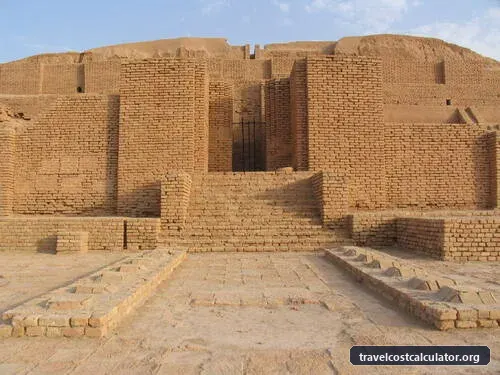
The ruins of the holy city of the Kingdom of Elam, surrounded by three huge concentric walls, are found at Tchogha Zanbil.
Tchogha Zanbil
🏛️ Overview & Historical Significance
Rising dramatically from the sun-drenched plains of Khuzestan Province in southwestern Iran, Tchogha Zanbil (also spelled Chogha Zanbil) is one of the world's most breathtaking architectural relics. Constructed around 1250 BCE by the Elamite King Untash-Napirisha, this ancient complex was originally named Dur-Untash ("the City of Untash"). It was built as the holy religious center of the Elamite Kingdom, dedicated primarily to Inshushinak, the supreme deity and protector god of Susa.
In 1979, Tchogha Zanbil achieved historic distinction by becoming Iran’s very first site designated as a UNESCO World Heritage site. UNESCO recognized the monument for its Outstanding Universal Value as the ultimate surviving example of Elamite architectural genius and the best-preserved ziggurat outside of Mesopotamia.
Unlike Mesopotamian ziggurats which were constructed by building solid tiers directly on top of one another, the Tchogha Zanbil ziggurat was constructed concentrically. Each of its five original levels rose independently from the ground floor up to a central temple tower. Though reduced from its original height of 52 meters to approximately 25 meters today, the towering structure remains an incredible engineering marvel. Key historical details that fascinate cultural travelers include:
-
✦
Inscribed Cuneiform Bricks: Every tenth row of raw and kiln-burnt brick features detailed Elamite cuneiform inscriptions warning trespassers and dedicating the temple complex to ancient deities.
-
✦
Ancient Footprints: Preserved in cured clay around the outer courtyard floor are 3,200-year-old footprints left by ancient Elamite children and domestic dogs.
-
✦
Advanced Hydraulic Systems: The site features one of humanity's earliest water treatment systems, bringing freshwater from the Karkheh River over 45 kilometers via complex gravity-fed channels into brick settling basins.
🎟️ Entrance Fees, Opening Hours & Ticket Booking Tips
Planning financial logistics for heritage travel in Iran in 2026 requires understanding local exchange mechanisms due to international banking restrictions.
2026 Estimated Entrance Fees
-
✦
International Foreign Visitors: 1,500,000 IRR to 2,000,000 IRR (~$5.00 – $8.00 USD / €4.50 – €7.50).
-
✦
Domestic / Iranian Nationals: 100,000 IRR (~$0.40 USD).
Operating Hours (2026 Schedule)
-
✦
Autumn & Winter (October – March): 8:30 AM – 5:00 PM daily.
-
✦
Spring & Summer (April – September): 7:30 AM – 6:30 PM daily (Note: Summer afternoon entry is strongly discouraged due to extreme desert heat).
Crucial 2026 Ticket & Payment Tips
International credit cards (Visa, Mastercard, American Express) do not work in Iran due to ongoing banking sanctions. You cannot pay for entrance fees online prior to arrival via Western platforms.
-
✦
Cash & Tourist Cards: Ticket booths at historical sites typically accept payments via local Iranian debit cards. Upon arriving in Tehran Travel Budget or Ahvaz, purchase a reloadable Iranian Tourist Debit Card (such as DarikPay or Mah Card) loaded with EUR or USD. Alternatively, keep crisp cash (Euros or USD) to exchange for Iranian Rials or Tomans at local sarafi (exchange shops).
-
✦
Advance Booking: Advance reservation is rarely required for individual travelers entering Tchogha Zanbil. However, hiring a local licensed guide at the gate or through a authorized tour operator in Shushtar/Shush is highly recommended to unlock the rich historical contexts of the site.
🚌 How to Get There & Local Transit Costs
Tchogha Zanbil sits tucked between the historic cities of Shushtar (45 km away), Shush / Ancient Susa (45 km away), and the regional capital hub of Ahvaz (125 km to the south).
Step-by-Step Routes & Estimated 2026 Transit Costs
Option 1: From Shushtar or Shush (Recommended Base Cities)
Because Tchogha Zanbil lacks direct public bus routes dropping passengers at the gate, taking a private or shared taxi (Savari) from Shushtar or Shush is the most convenient option.
-
✦
Private Day Driver (Half-Day Tour): Hiring a private driver for a round trip (including a 2-hour waiting time at the ziggurat and a brief stop at the nearby Haft Tappeh archaeological site) costs approximately $15.00 – $25.00 USD (approx. 7,000,000 – 11,000,000 IRR).
-
✦
Shared Taxi (Savari): You can take a shared taxi from Shush city center toward the turn-off near Haft Tappeh for about $1.50 – $2.50 USD per seat, then flag down a local rural taxi for the remaining 15 km (approx. $4.00 – $6.00 USD).
Option 2: Day Trip From Ahvaz Hub
If arriving in Khuzestan via Ahvaz Airport (AWZ) or Ahvaz Railway Station:
-
✦
Private Day Taxi: A full-day private taxi covering Ahvaz – Tchogha Zanbil – Shushtar Historical Hydraulic System – Ahvaz costs between $35.00 – $50.00 USD for the entire car.
-
✦
Intercity Bus: Take a regional bus from Ahvaz Terminal to Shushtar or Shush (~$2.00 USD), then hire a local driver as outlined above.
📸 Best Photography Spots & Insider Visit Hacks
Prime Photography Spots
-
✦
The Southeastern Angle: Position yourself near the eastern royal gate as the late afternoon sun illuminates the multi-tiered mud brick facade, casting long, dramatic shadows across the desert floor.
-
✦
Cuneiform Brick Close-ups: Use a macro lens or high-resolution zoom to capture the crisp 3,000-year-old Elamite script baked directly onto the structural perimeter bricks.
-
✦
Panoramic Vista from the Outer Temples: Walk out toward the sacrificial altars of Kiririsha and Ishnikarab to capture wide shots showing the massive ziggurat rising against the expanse of the Khuzestan sky.
Insider Travel Hacks for 2026
-
✦
Optimal Seasonal Window: Plan your trip strictly between November and March. During late spring and summer (May to September), Khuzestan temperatures regularly exceed 45°C to 50°C (113°F–122°F) with virtually zero shade at the ruins.
-
✦
Combine with Nearby UNESCO Sites: Maximize your transit budget by pairing Tchogha Zanbil with the Shushtar Historical Hydraulic System and the ancient ruins of Susa (Shush) in a single day.
-
✦
Footwear & Sun Protection: The terrain consists of gravel, unpaved sand, and dry clay. Wear sturdy closed-toe walking shoes, bring a wide-brimmed hat, apply sunscreen, and carry at least 1.5 liters of drinking water per person (amenities on-site are minimal).
-
✦
Dress Code Awareness: Standard Iranian modesty laws apply. Female travelers must wear a headscarf (hijab) and loose-fitting long sleeves/manteau; Male Travel Budget travelers should wear long trousers and avoid sleeveless shirts.
🏨 Nearby Accommodation & Daily Budget Allocation
While there are no hotels located directly at the Tchogha Zanbil site, staying in the nearby heritage cities of Shushtar or Shush offers an authentic local experience inside converted traditional Persian houses.
Recommended Accommodation Options
-
✦
Budget Hostels & Eco-lodges (Shushtar/Shush): Tarzgh Eco-Lodge or Apadana Guest House. Charming, traditional rooms with shared or private facilities. $15 – $25 USD / night (includes breakfast).
-
✦
Mid-Range Heritage Hotels (Shushtar): Tabib Traditional House or Sarabi Traditional Hotel. Beautifully restored Qajar-era homes featuring central courtyards and traditional architecture. $40 – $75 USD / night.
-
✦
Upmarket City Hotels (Ahvaz): Pars Hotel Ahvaz. Modern amenities, air conditioning, and full business service. $60 – $100 USD / night.
Estimated Daily Travel Budget for Khuzestan (Per Person, 2026)
| Expense Category | Budget Traveler | Mid-Range Traveler |
|---|---|---|
| Accommodation | $15.00 | $45.00 |
| Meals & Street Food (Local Stews, Khuzestani Fish) | $8.00 | $18.00 |
| Transport & Taxis (Shared vs Private Driver) | $7.00 | $20.00 |
| Attraction Entrance Fees | $6.00 | $12.00 |
| Daily Total | ~$36.00 USD | ~$95.00 USD |
Frequently Asked Questions
Essential visitor FAQs for Tchogha Zanbil
What is the entrance fee for Tchogha Zanbil in 2026?
How much time do you need to explore Tchogha Zanbil?
How do I get to Tchogha Zanbil from the nearest city?
📊 Heritage Quick Specs
Visiting Iran on a Budget?
Calculate your full daily travel budget for Iran — including hotel costs, local transport, food, and sightseeing expenses.
View Iran Daily Travel Costs →Explore more UNESCO World Heritage Sites
🏛️ All 1,200+ Heritage Sites →