
 Ivory Coast
Taï National Park
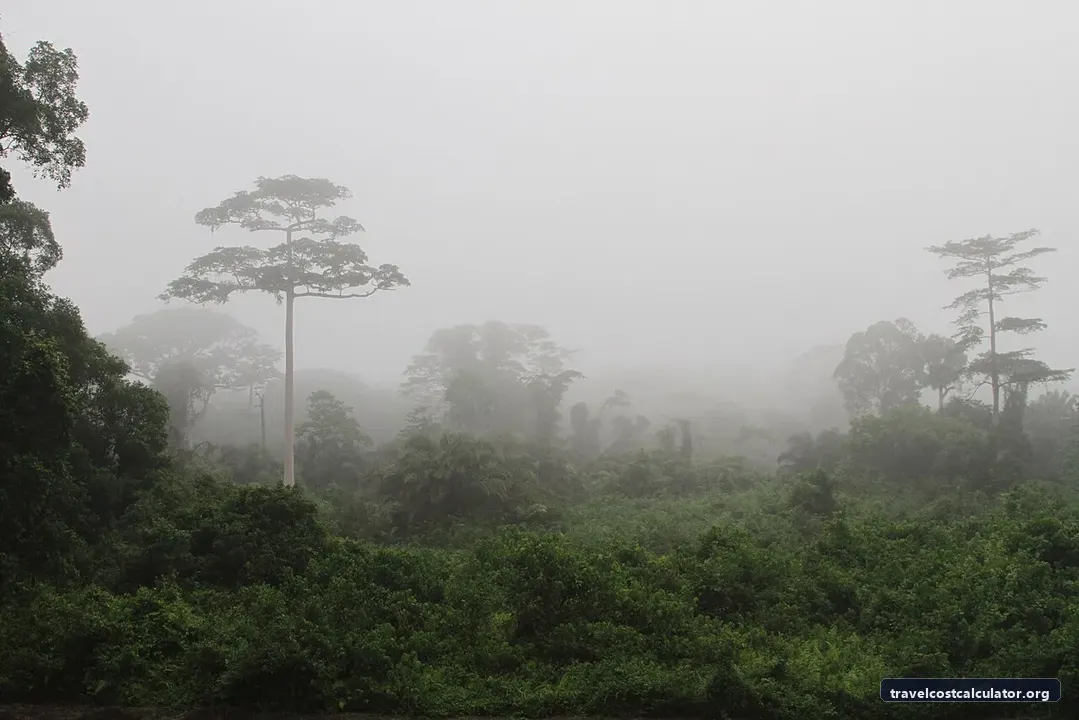
This park is one of the last major remnants of the primary tropical forest of West Africa. Its rich natural flora, and threatened mammal species such as the pygmy hippopotamus and 11 species of monkeys, are of ...
Taï National Park
🏛️ Overview & Historical Significance
Inscribed as a UNESCO World Heritage site in 1982 and designated a Biosphere Reserve in 1978, Taï National Park (Parc National de Taï) in southwestern Côte d'Ivoire represents the largest remaining primary tropical rainforest fragment in the ancient Upper Guinean rainforest belt. Spanning over 5,300 square kilometers (2,046 square miles), this pristine wilderness is an irreplaceable refuge of ancient flora and fauna that has survived since the Pleistocene epoch.
UNESCO granted World Heritage status to Taï National Park due to its extraordinary level of endemic biodiversity and its ecological status as a vital "green lung" for West Africa. The park harbors over 1,200 plant species (roughly two-fifths of which are endemic to the region), majestic emergent kapok trees towering up to 60 meters high, and rare megafauna that have vanished across most of their historic range. Among its most protected residents are the endangered Western Chimpanzee (Pan troglodytes verus), the elusive Pygmy Hippopotamus (Choeropsis liberiensis), Jentink’s Duiker, Zebra Duiker, and over 230 bird species including the vulnerable White-necked Rockfowl.
For primatologists and wildlife enthusiasts, Taï National Park holds legendary status. Pioneering research led by the late Dr. Christophe Boesch and the Wild Chimpanzee Foundation revealed that Taï’s chimpanzees possess a sophisticated "stone-age culture." They are globally unique for their complex tool usage—customizing heavy wooden hammers and anvil stones to crack open hard Coula edulis nuts—as well as highly organized group hunting strategies. Visiting Taï offers a rare, untamed window into human evolutionary history amidst an unbroken jungle canopy.
🎟️ Entrance Fees, Opening Hours & Ticket Booking Tips (2026 Updated)
Visiting Taï National Park requires careful advance planning. Independent, unguided entry into the forest is strictly forbidden by the Office Ivoirien des Parcs et Réserves (OIPR) to prevent poaching and habitat disturbance. All visitors must clear permits and engage certified park rangers or accredited ecotourism guides.
Official 2026 Ticket & Permit Rates
-
✦
Standard Park Entry Fee (Foreign Nationals): ~20,000 XOF (approx. $33.00 USD / €30.50) per person per day.
-
✦
Entry Fee (ECOWAS Citizens / Ivoirian Residents): ~10,000 XOF (approx. $16.55 USD / €15.25) per person per day.
-
✦
Mandatory Ranger & Trackers Fee: 15,000 – 25,000 XOF (approx. $25.00 – $41.00 USD) per day per group.
-
✦
Habituated Chimpanzee Trekking Permit: ~60,000 XOF (approx. $99.00 USD / €91.50) per trek per person.
-
✦
Mount Niénokoué Ascent & Canopy Excursion: ~35,000 XOF (approx. $58.00 USD) per participant.
Opening Hours & Logistics
Official park gates and check-in offices operate daily from 06:00 to 18:00. Forest excursions start at dawn (around 06:00 to 06:30) to maximize wildlife sightings before heat sets in. Night walks are allowed strictly along designated buffer zone trails when accompanied by official OIPR eco-guides.
Booking Tips & Rules
-
✦
Book via Official Channels: Requests must be submitted at least 2 to 3 weeks in advance through the OIPR Ecotourism Office or partnered non-governmental agencies like Ecotourisme Taï / Espace Taï.
-
✦
Compulsory Health Requirements: You must present a valid International Certificate of Vaccination showing proof of Yellow Fever vaccination at border security and park gates. To protect habituated chimpanzees from human pathogens, visitors showing symptoms of respiratory illness (flu, cold, COVID-19) will be denied chimp trekking access.
-
✦
Cash is King: There are no working ATMs or credit card terminals near Djouroutou or Taï village entrance points. Bring sufficient cash in West African CFA Francs (XOF) withdrawn from major cities like Abidjan Travel Budget or San-Pédro.
🚌 How to Get There & Local Transit Costs
Reaching Taï National Park is an off-the-beaten-path adventure requiring multiple legs across varying road conditions. The primary tourist gateway is the southern entry point near the town of Djouroutou, though the northern gate can be accessed via Guiglo / Taï village.
Step-by-Step Route: Abidjan to Djouroutou (South Gate)
Step 1: Abidjan to San-Pédro
-
✦
By Air: Air Côte d’Ivoire operates direct domestic flights from Abidjan (ABJ) to San-Pédro Airport (SPY). Flight time is 50 minutes. Expect to pay between 55,000 XOF and 85,000 XOF ($90 – $140 USD) one-way in 2026.
-
✦
By Express Bus: Major bus operators (such as UTB or STIF) run daily coaches from Abidjan’s Gare de Adjamé or Yopougon to San-Pédro. Journey time is 6 to 8 hours depending on coastal traffic. One-way fare: 10,000 – 14,000 XOF ($16.50 – $23.00 USD).
Step 2: San-Pédro to Djouroutou (Park Access Base)
-
✦
Private 4x4 Vehicle Rental (Recommended): Renting a heavy-duty 4x4 with a driver in San-Pédro costs between 85,000 XOF and 130,000 XOF ($140 – $215 USD) per day excluding fuel. The 220 km trip takes 4 to 6 hours due to unpaved dirt tracks.
-
✦
Shared Bush Taxi ("Sept-Place" / Gbaka): Local shared vehicles depart daily from San-Pédro’s main bush taxi station toward Tabou or Djouroutou. Fares range from 10,000 XOF to 16,000 XOF ($16.50 – $26.50 USD) per seat. Expect a bumpy, slow journey lasting 6 to 8 hours.
Northern Approach: via Guiglo & Taï Village
If approaching from the north, take an express bus from Abidjan to Guiglo (approx. 10 hours, 12,000 XOF / $20 USD), then hire a local 4x4 or motorbike transit down the unpaved track to Taï village (3 to 4 hours, 8,000 – 15,000 XOF / $13 – $25 USD).
📸 Best Photography Spots & Insider Visit Hacks
Prime Photography Locations
-
✦
Mount Niénokoué: Rising high above the green ocean of trees, this isolated granitic inselberg offers staggering 360-degree panoramic views over an unbroken rainforest horizon. Shoot during early morning mist for dramatic atmospheric photos.
-
✦
Hana River Crossing & Canoe Routes: The tranquil waters of the Hana River reflect towering mahogany and kapok trees. It is a fantastic spot for telephoto photography of kingfishers, monkeys feeding on riverbank branches, and aquatic flora.
-
✦
Nut-Cracking Chimp Activity Areas: Capturing habituated chimpanzees using stone tools on the forest floor requires low-light photography skills due to the heavy jungle shade. Bring a fast lens (f/2.8 or wider) and be prepared to shoot at ISO 3200–6400.
Insider Hacks & Environmental Advice
-
✦
Optimal Seasonal Window: Plan your trip during the main dry season between December and February. Trails are drier, foot travel is far easier, and dirt access roads to Djouroutou are significantly less muddy. A short dry window also occurs in August.
-
✦
Jungle Gear Essentials: Bring high-potency DEET insect repellent, quick-drying long-sleeve clothing, sturdy waterproof hiking boots, leech socks, and dry bags/silica gel packs to safeguard camera electronics from 95%+ relative humidity.
-
✦
Pack High-Lumen Headlamps: Night walks inside the buffer zones reveal rare nocturnal species like potto primates, pangolins, and bioluminescent fungi. A quality headlamp (400+ lumens) with red-light mode is crucial.
🏨 Nearby Accommodation & Daily Budget Allocation
Where to Stay Near Taï National Park
-
✦
Ecomusée & Djouroutou Eco-Lodge (Mid-Range Ecotourism): Located near the Djouroutou gateway, these traditional-style solar-powered bungalows offer comfortable mosquito-netted beds, private bucket showers, and local meals. Rooms cost roughly 35,000 – 60,000 XOF ($58 – $99 USD) per night.
-
✦
Camp Canopée / Jungle Tents (Immersive Wilderness): Camping options in established forest camps within the buffer zones permit staying deep in nature. Basic safari-tent accommodations run from 45,000 to 80,000 XOF ($74 – $132 USD) per night, often bundled into full ecotourism package circuits including meals.
-
✦
Community Homestays in Taï / Djouroutou Villages (Budget): Simple rooms in village guesthouses cost between 12,000 XOF and 22,000 XOF ($20 – $36 USD) per night. Perfect for cultural immersion and supporting local communities.
Estimated Daily Budget Breakdowns (2026 Pricing)
Backpacker / DIY Budget (~$80 – $120 USD / day)
-
✦
Accommodation: Village guesthouse / basic eco-camp ($25 – $35)
-
✦
Meals: Local cassava, rice, sauce dishes, and fruit ($15 – $20)
-
✦
Transport: Shared bush taxis ($15 – $25 annualized per day)
-
✦
Park Permit & Local Guide Share ($25 – $40)
Mid-Range Eco-Explorer (~$220 – $380 USD / day)
-
✦
Accommodation: Djouroutou Eco-Lodge bungalow ($75 – $110)
-
✦
Meals & Bottled Water: Full board eco-lodge dining ($30 – $45)
-
✦
Transport: Shared standard 4x4 hire share ($50 – $80)
-
✦
Tours & Permits: Entry fee + Chimp Trekking permit + Mount Niénokoué guide ($65 – $145)
Luxury / Fully Guided Expeditions (~$500+ USD / day)
-
✦
All-inclusive private 4x4 charter from Abidjan/San-Pédro, private OIPR ranger escorts, upgraded safari camp setups, and exclusive primate tracking itineraries.
Frequently Asked Questions
Essential visitor FAQs for Taï National Park
What is the entrance fee for Taï National Park?
How much time do you need to explore Taï National Park?
How do I get to Taï National Park from the nearest city?
📊 Heritage Quick Specs
Visiting Ivory Coast on a Budget?
Calculate your full daily travel budget for Ivory Coast — including hotel costs, local transport, food, and sightseeing expenses.
View Ivory Coast Daily Travel Costs →Explore more UNESCO World Heritage Sites
🏛️ All 1,200+ Heritage Sites →