
 Iran
Iran
Susa
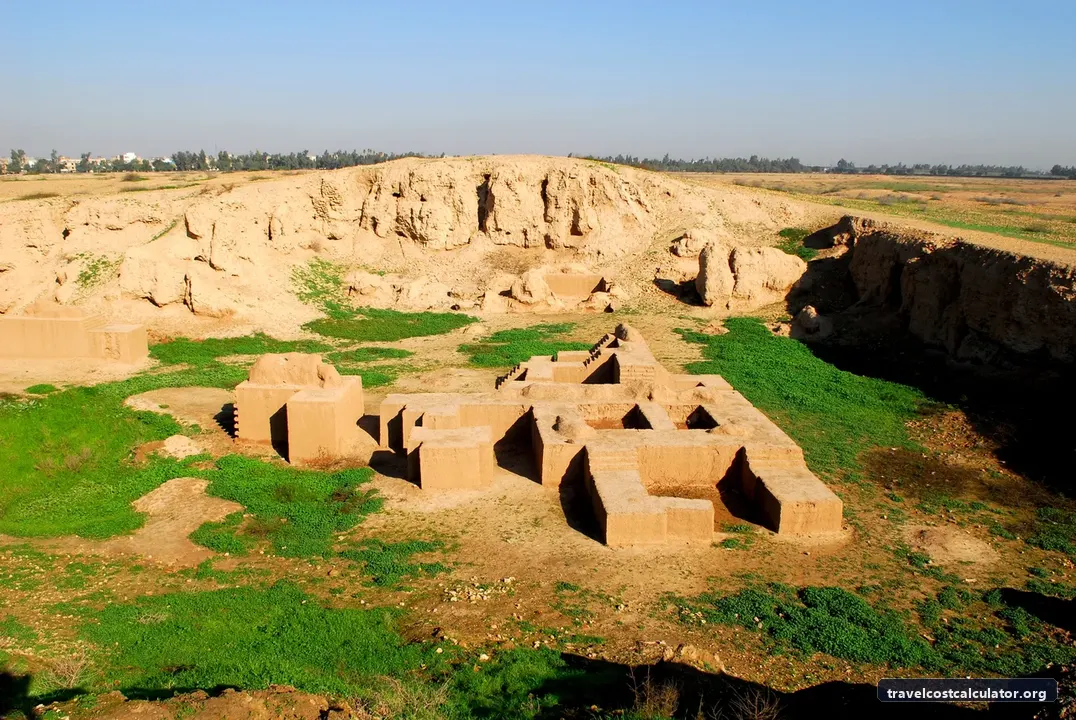
Located in the south-west of Iran, in the lower Zagros Mountains, the property encompasses a group of archaeological mounds rising on the eastern side of the Shavur River, as well as Ardeshir’s palace, on the opposite bank of the river.
Susa
🏛️ Overview & Historical Significance
Located in the Khuzestan plains of southwestern Iran, Susa (modern-day Shush) is one of the oldest continuously inhabited urban centers on Earth, with archaeological strata dating back to the 5th millennium BCE. Recognized as a UNESCO World Heritage Site in 2015, Susa represents an extraordinary tapestry of human civilization, having served as the grand cultural nexus for the Elamite, Achaemenid, Seleucid, Parthian, and Sasanian empires.
The UNESCO designation highlights Susa’s unique position as a crossroad between the Mesopotamian and Iranian plateau civilizations. The site encompasses a vast archaeological zone Split Travel Budget into distinct administrative and residential mounds: the Acropolis, the Apadana Palace, the Royal City, and the Artisans' Town.
Among its most breathtaking historical marvels is the Apadana Palace of Darius I (Darius the Great). Constructed around 521 BCE as a winter capital for the Achaemenid Empire, this grand palace complex once featured massive limestone columns topped with intricate double-bull capitals, paved courtyards, and glazed brick friezes depicting the famous "Immortals" (Persian royal guards). Looming over the site is the striking Château de Shush (Shush Castle), built in the late 19th century by French archaeologist Jean-Marie Jacques de Morgan as a secure base for excavation teams. Constructed using ancient bricks salvaged directly from the Apadana and the nearby Elamite ziggurat of Chogha Zanbil, the castle remains a unique, fortress-like monument to early archaeological history.
🎟️ Entrance Fees, Opening Hours & Ticket Booking Tips
Visiting Susa requires navigating Iran’s unique financial landscape. Due to ongoing international banking sanctions, foreign credit and debit cards (Visa, Mastercard, AMEX) do not work anywhere in Iran. All travelers must carry cash in USD or EUR or purchase a local prepaid tourist debit card upon arrival.
Estimated 2026 Ticket Pricing
-
✦
Foreign Tourist Combined Ticket: 1,800,000 IRR to 2,500,000 IRR (approx. $8.00 - $12.00 USD). This ticket grants admission to the Susa Archaeological Site, the Apadana Complex, Shush Castle, and the on-site Susa Museum.
-
✦
Susa Archaeological Museum Only: Included in the combined site ticket, though standalone access for local visitors is available.
-
✦
Payment Method: Cash (exchanged locally to Tomans/Rials) or via an Iranian prepaid debit card (such as MahCard or DaricPay). Tickets are purchased at the main entrance gate ticketing booth.
Opening Hours & Timing Tips
-
✦
Spring & Summer Hours (April – September): 8:00 AM – 7:30 PM
-
✦
Autumn & Winter Hours (October – March): 8:00 AM – 5:00 PM
-
✦
Closing Days: Open daily year-round, except on major national mourning holidays (such as Tasu'a, Ashura, and the anniversary of the death of the Prophet).
Pro Booking Hack: You cannot book tickets on western platforms like Viator or GetYourGuide. Secure your entry directly at the ticket window. To avoid long lines and intense mid-day sun, arrive precisely at 8:00 AM when the gates open.
🚌 How to Get There & Local Transit Costs
Susa is situated in Khuzestan Province in southwestern Iran. The main regional transportation hubs are Ahvaz (115 km to the south) and Dezful (30 km to the north).
1. Arriving from Tehran Travel Budget
-
✦
By Air: Flight from Tehran (THR) to Ahvaz (AWZ) or Dezful (DEF) takes about 1 hour and 15 minutes. One-way flight prices in 2026 range between $35 and $60 USD.
-
✦
By Train: The historic Trans-Iranian Railway connects Tehran directly to Shush Train Station. Night trains take approximately 12–14 hours. A sleeper coupe bed costs roughly $10 - $18 USD.
-
✦
By VIP Bus: VIP long-distance buses depart from Tehran’s West Terminal (Terminal-e Gharb) directly to Shush or Ahvaz. Travel time is around 10–12 hours, costing $8 - $14 USD.
2. Transit from Regional Hubs to the Susa Site
-
✦
From Dezful (30 km): Shared intercity taxis (savari) run constantly between Dezful and Shush for about $1.50 - $2.50 USD per seat. A private taxi costs $6 - $10 USD.
-
✦
From Ahvaz (115 km): Private taxis take roughly 1.5 hours and cost around $18 - $25 USD one-way. Shared taxis from Ahvaz's northern terminal cost $3 - $5 USD.
-
✦
Local App Transit: Use Snapp (Iran's equivalent of Uber). If you have an Iranian SIM card, Snapp provides fixed, cheap fares for private rides within Khuzestan.
📸 Best Photography Spots & Insider Visit Hacks
Top Photography Angles
-
✦
The Battlements of Shush Castle: Ascend to the upper ramparts of the French Castle for panoramic views across the ancient Apadana mound, modern Shush, and the surrounding green plains.
-
✦
Apadana Columns & Bull Capitals: Shoot early in the morning when the warm low sunlight highlights the weathered carvings on the massive limestone column bases of Darius's palace.
-
✦
Susa Archaeological Museum Courtyard: Capture ancient brickwork, Elamite funerary statues, and Islamic-era pottery collections framed by the shaded courtyard gardens.
-
✦
Tomb of Daniel (Spire View): Located just across the riverbed from the main mound, frame the distinctive cone-shaped, pinecone-like white dome of the Tomb of Prophet Daniel against the sky.
Insider Travel Hacks
-
✦
Beat the Khuzestan Heat: Khuzestan temperatures regularly top 48°C (118°F) between May and September. The ideal travel window is strictly November through March, when temperatures average a pleasant 18°C to 24°C (64°F - 75°F).
-
✦
The Khuzestan UNESCO Trilogy: Do not visit Susa in isolation. Combine your trip with two neighboring UNESCO World Heritage Sites: the 3,000-year-old Elamite ziggurat of Chogha Zanbil (45 km away) and the ancient Shushtar Historical Hydraulic System (65 km away). Hire a private driver for a full day to cover all three sites for approximately $40 - $60 USD total.
-
✦
Cultural Dress Code: Respect local attire guidelines. Women must wear a headscarf (tousles/hijab), loose sleeves, and a long top/cardigan covering the hips. Men should wear long trousers (avoid shorts).
🏨 Nearby Accommodation & Daily Budget Allocation
While Susa (Shush) offers modest lodging options, many visitors choose to stay in nearby Dezful or Ahvaz, which feature broader hotel infrastructure.
Recommended Places to Stay
-
✦
Budget: Local eco-lodges and traditional guesthouses around Shush and Chogha Zanbil (e.g., Museum Eco-Lodge or local home-stays). Rates: $15 - $30 USD per night (includes breakfast).
-
✦
Mid-Range: Apadana Hotel Shush (located right near the site) or mid-tier hotels in Dezful such as Jahangardi Hotel Dezful. Rates: $35 - $60 USD per night.
-
✦
Upmarket/Luxury: Pars Hotel Ahvaz or Iranian Hotel Dezful. Rates: $70 - $120 USD per night.
Must-Try Regional Food
Sample Khuzestani culinary specialties such as Ghalieh Mahi (a spicy, tangy herb and tamarind fish stew with garlic and coriander) or fresh date-infused pastries. A rich local lunch costs between $4.00 and $8.00 USD per person.
2026 Estimated Daily Budget Breakdown
-
✦
Backpacker / Budget Traveler: $25 - $40 USD / day
- Guesthouse dorm/private room: $15
-
✦
Shared transit & buses: $5
-
✦
Local meals & street food: $8
-
✦
Site entry fees: $8
- 3-Star Hotel in Shush/Dezful: $45
Frequently Asked Questions
Essential visitor FAQs for Susa
What is the entrance fee for Susa in 2026?
How much time do you need to explore Susa?
How do I get to Susa from Ahvaz or Tehran?
📊 Heritage Quick Specs
Visiting Iran on a Budget?
Calculate your full daily travel budget for Iran — including hotel costs, local transport, food, and sightseeing expenses.
View Iran Daily Travel Costs →Explore more UNESCO World Heritage Sites
🏛️ All 1,200+ Heritage Sites →