
 Ivory Coast
Sudanese style mosques in northern Côte d’Ivoire
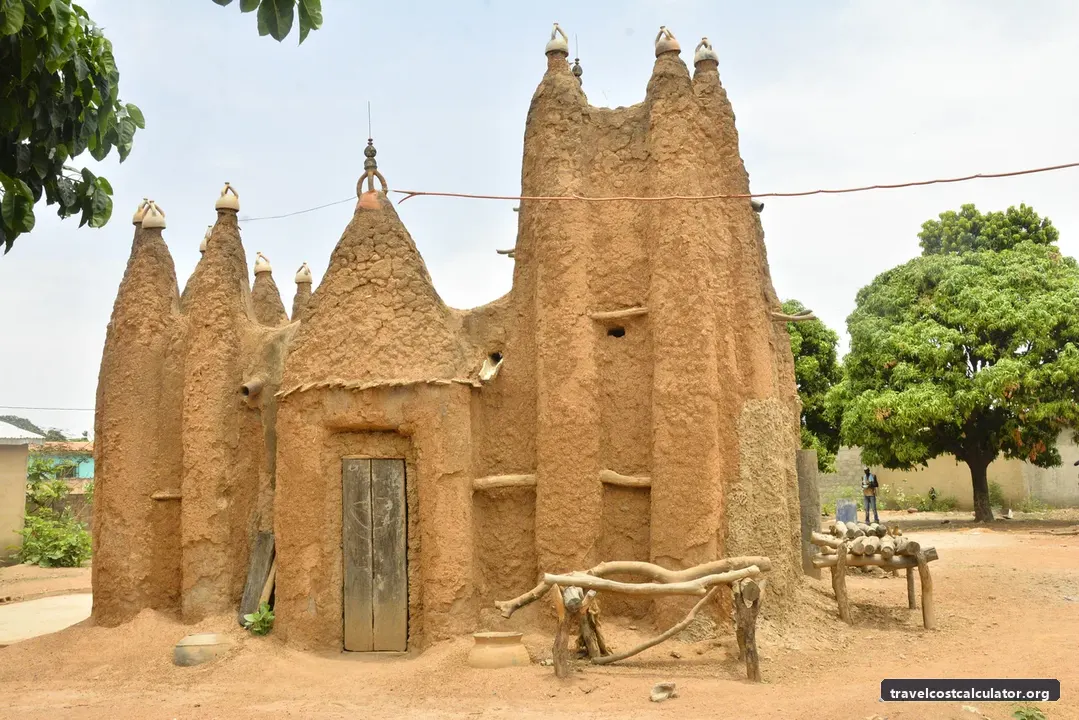
The eight Sudanese-style mosques located in Tengréla, Kouto, Sorobango, Samatiguila, Nambira, Kong, and Kaouara are characterized by earthen construction, projecting frameworks, vertical buttresses crowned with...
Sudanese style mosques in northern Côte d’Ivoire
🏛️ Overview & Historical Significance
Inscribed on the UNESCO World Heritage list in 2021, the Sudanese style mosques in northern Côte d’Ivoire represent one of Western Africa’s most culturally profound architectural feats. Located across the Savanes and Zanzan regions of northern Ivory Coast, this serial UNESCO property comprises eight distinct earthen mosques situated in the settlements of Kong (Grand Mosque and Small Mosque), Kouto, Tengréla, Nambira, Kaouara, Sorobango, and Samatiguila.
Originating between the 14th and 19th centuries, these structures are iconic masterpieces of Sudano-Sahelian architecture. As trans-Saharan trade routes expanded southward from Old Mali and Djenné, Muslim merchants (primarily Mande and Dyula traders) introduced Islamic faith and architectural engineering into the northern forest-savanna transition zone of Côte d’Ivoire. Rather than replicating North African stone masonry, master builders adapted local materials—specifically mud-brick (adobe), clay plaster, and indigenous timber—to create high-elevation spiritual sanctuaries tailored to the tropical-savanna climate.
The architectural hallmarks of these mosques are instantly recognizable:
-
✦
Torons (Projecting Timber Stakes): Exposed wooden beams that protrude horizontally from the earthen walls. These serve as permanent scaffolding during annual community plastering rituals after the rainy season.
-
✦
Tapered Buttresses & Minarets: Massive clay buttresses that taper as they rise, providing structural stability to the heavy sun-dried mud bricks while creating dramatic vertical geometric lines.
-
✦
Ostrich Egg Pinnacles: Clay or ceramic pinnacles capping the minaret spires, often topped with ostrich egg motifs symbolizing purity, fertility, and spiritual elevation.
-
✦
Low-Ceiling Hypostyle Interiors: Cool, dimly lit interior prayer halls supported by dense grids of earth-rendered pillars designed to preserve interior coolness amidst scorching northern temperatures.
Understanding these mosques requires recognizing that they are not static museum pieces; they remain living places of worship maintained by local ancestral guilds. Visiting these sites in 2026 offers an intimate look into centuries-old architectural heritage and active community traditions.
🎟️ Entrance Fees, Opening Hours & Ticket Booking Tips
Unlike Western tourist sites, there is no centralized ticket booth or corporate online booking system for the Sudanese style mosques in northern Côte d’Ivoire. Instead, tourism here operates under traditional community-managed protocols overseen by local imams, village elders, and regional cultural committees.
Estimated 2026 Expenses & Customary Fees
-
✦
Customary Village Entry / Imam Donation: 2,000 XOF – 5,000 XOF (~$3.30 – $8.25 USD) per mosque per visitor. This donation goes directly into the village fund for annual earthen maintenance and plastering (*crépissage*).
-
✦
Local Site Guide Fee: 5,000 XOF – 10,000 XOF (~$8.25 – $16.50 USD) per group. A local guide assigned by the village chief is mandatory to interpret the history and ensure cultural decorum.
-
✦
Regional Cultural Permit (Optional but Recommended): 10,000 XOF (~$16.50 USD) available via regional tourism offices in Korhogo for visitors touring all eight sites over multiple days.
Opening Hours & Etiquette Protocols
The exterior grounds of the mosques can generally be viewed from sunrise to sunset (approx. 6:00 AM – 6:30 PM). However, because these are active places of worship, specific protocols must be respected:
-
✦
Prayer Schedule Awareness: Non-Muslim tourists are generally not permitted to tour the grounds during active daily prayers (Fajr, Dhuhr, Asr, Maghrib, Isha), particularly during the Friday afternoon congregational prayer (Jumu'ah). Plan your arrivals in the mid-morning (8:30 AM – 11:30 AM) or mid-afternoon (2:30 PM – 4:00 PM).
-
✦
Interior Access Constraints: Entry inside the earthen prayer halls is strictly at the discretion of the resident Imam. Non-Muslims are frequently requested to view the structures from the outside. If granted interior access, shoes must be removed, and quiet, respectful behavior is mandatory.
-
✦
Dress Code Requirements: Modest attire is required for all travelers. Women must cover their shoulders, arms, and legs, and carry a headscarf. Men must wear long trousers and shirts covering the shoulders.
-
✦
Cash Requirements: Bring ample physical cash in West African CFA Francs (XOF), specifically in smaller bills (1,000 XOF and 2,000 XOF notes). Digital payment, credit cards, and foreign currencies are not accepted in remote northern villages.
🚌 How to Get There & Local Transit Costs
The primary gateway for exploring northern Côte d’Ivoire’s UNESCO mosques is the city of Korhogo, the cultural capital of the Senoufo people. From Korhogo, travel to individual villages requires a mix of regional highways, unpaved secondary roads, and local transport networks.
Step 1: Traveling from Abidjan Travel Budget to Korhogo
-
✦
By Air (Fastest & Most Comfortable): Air Côte d’Ivoire operates domestic flights from Abidjan Airport (ABJ) to Korhogo Airport (HGO) multiple times per week. Expect 2026 economy round-trip tickets to cost between 85,000 XOF and 140,000 XOF (~$140 – $230 USD) with a flight duration of roughly 1 hour and 15 minutes.
-
✦
By Express Bus (Budget-Friendly): Reputable long-distance bus operators such as UTB (Union des Transports de Bouaké) and CTE run daily express coaches from Abidjan (Adjamé Terminal) to Korhogo via Yamoussoukro Travel Budget and Bouaké. The journey takes 9 to 11 hours along paved trunk roads. One-way fares cost approximately 10,000 XOF – 14,000 XOF (~$16 – $23 USD).
Step 2: Reaching Specific Mosque Locations from Korhogo
Because the eight mosques are scattered across northern districts, your daily transport will depend on your route strategy:
-
✦
Kouto & Tengréla Cluster (West of Korhogo): Located along paved highways toward the Malian border. Shared bush taxis (sept-places) depart from Korhogo’s main bus station to Kouto for roughly 2,500 XOF – 4,000 XOF (~$4.00 – $6.50 USD) per seat. Motorbike taxis inside the villages cost 1,000 XOF – 2,000 XOF (~$1.60 – $3.30 USD).
-
✦
Kong Cluster (East of Korhogo): Kong features two key UNESCO mosques (the Grand Mosque and the Small Mosque). Travel from Korhogo to Kong (approx. 200 km) via Ferkessédougou requires a shared transport fare of roughly 4,000 XOF – 6,000 XOF (~$6.50 – $10 USD).
-
✦
Private 4x4 Vehicle Charter (Recommended Strategy): Hiring a private 4x4 vehicle with an experienced local driver in Korhogo is the most reliable way to navigate remote sites like Sorobango or Nambira, where dirt tracks can be challenging. A full-day vehicle charter in 2026 costs between 55,000 XOF and 90,000 XOF (~$90 – $148 USD) per day, excluding fuel.
📸 Best Photography Spots & Insider Visit Hacks
Photographers and cultural travelers will find the sculptural forms of the Sudano-Sahelian mosques exceptionally striking, but navigating lighting conditions and local photography etiquette requires careful planning.
Ideal Photography Spots & Techniques
-
✦
Kong Grand Mosque (South Wall & Minaret): Capture the dramatic, multi-pinnacled facade in late afternoon light. The low sun accentuates the geometric projections of the *toron* timber stakes and creates deep structural contrast.
-
✦
Kouto Mosque (Corner Angle): Frame the rounded, tapering mud buttresses against the deep blue northern sky. Early morning light (7:00 AM – 8:30 AM) minimizes harsh vertical shadows and renders the clay’s orange-brown earth tones warm and vibrant.
-
✦
Tengréla Mosque (Wide Landscape View): Shoot from across the village square to include local village life and ancient baobab trees in the background, providing cultural scale and context.
Seasonal & Climate Considerations
-
✦
Best Season (November to March): The dry season is the premier period for travel. Roads are dry and navigable. However, be aware of the Harmattan—a dry trade wind blowing from the Sahara between December and February. While it brings cooler morning temperatures, it creates a dusty, hazy horizon that can soften harsh midday sunlight for photography.
-
✦
Avoid Peak Rainy Season (July to September): Heavy downpours make unpaved rural tracks to remote villages (such as Nambira or Sorobango) nearly impassable without serious off-road equipment.
Insider Cultural Hacks
-
✦
Seek Chief Permission First: Upon entering any rural village hosting a UNESCO mosque, custom requires visiting the *Chef de Village* (Village Chief) or the resident Imam first to present greetings and explain your intentions. This customary courtesy opens doors, guarantees safety, and often grants you access to unique photographic angles.
-
✦
Drone Operations Warning: Operating uncrewed aerial vehicles (drones) in Côte d’Ivoire strictly requires approval from the ANAC (Autorité Nationale de l'Aviation Civile) and localized clearance from the regional Prefecture. Do not launch a drone over a village mosque without explicit permission from village authorities.
🏨 Nearby Accommodation & Daily Budget Allocation
While the UNESCO mosques are located in rural villages, the city of Korhogo serves as the primary base for overnight accommodation and dining, offering suitable options ranging from budget guesthouses to standard regional hotels.
Recommended Accommodations in 2026
-
✦
Budget Guesthouses (Korhogo & Kong): Local auberges and municipal residences offer clean, basic rooms with fan or air-conditioning. Expect to pay 10,000 XOF – 18,000 XOF (~$16 – $30 USD) per night.
-
✦
Mid-Range Hotels (Korhogo): Establishment options like Hôtel Mont Korhogo or Hôtel La Rose provide air-conditioned rooms, private bathrooms, Wi-Fi, and swimming pools. Rates range between 25,000 XOF and 50,000 XOF (~$40 – $82 USD) per night.
Dining & Local Cuisine
Northern Ivorian cuisine is rich, hearty, and affordable. Local specialties include Kabato (a maize-based staple served with okra or peanut sauce), Kedjenou (slow-cooked spiced chicken stew), and fresh grilled fish or beef brochettes.
-
✦
Local Maquis / Street Food: 1,500 XOF – 3,500 XOF (~$2.50 – $5.70 USD) per meal.
-
✦
Hotel & Sit-Down Restaurants: 5,000 XOF – 12,000 XOF (~$8.25 – $20 USD) per meal.
Comprehensive Daily Budget Models (Estimated 2026 Rates)
To help you budget your expedition across northern Côte d’Ivoire, review the three daily spending tiers below:
-
✦
Shoestring / Backpacker Tier: ~$35 – $50 USD (21,000 – 30,000 XOF) per day
- Accommodation: Shared budget guesthouse/auberge (12,000 XOF)
-
✦
Transport: Shared sept-place bush taxis & motorbikes (6,000 XOF)
-
✦
Food & Water: Street food maquis meals (4,000 XOF)
-
✦
Entry & Village Fees: Customary mosque donations (5,000 XOF)
- Accommodation: Mid-range hotel with A/C in Korhogo (35,000 XOF)
- Accommodation: Best available regional hotel suite (50,000 XOF)
Frequently Asked Questions
Essential visitor FAQs for Sudanese style mosques in northern Côte d’Ivoire
What is the entrance fee for Sudanese style mosques in northern Côte d’Ivoire?
How much time do you need to explore Sudanese style mosques in northern Côte d’Ivoire?
How do I get to Sudanese style mosques in northern Côte d’Ivoire from the nearest city?
📊 Heritage Quick Specs
Visiting Ivory Coast on a Budget?
Calculate your full daily travel budget for Ivory Coast — including hotel costs, local transport, food, and sightseeing expenses.
View Ivory Coast Daily Travel Costs →Explore more UNESCO World Heritage Sites
🏛️ All 1,200+ Heritage Sites →