
 Tanzania
Stone Town of Zanzibar
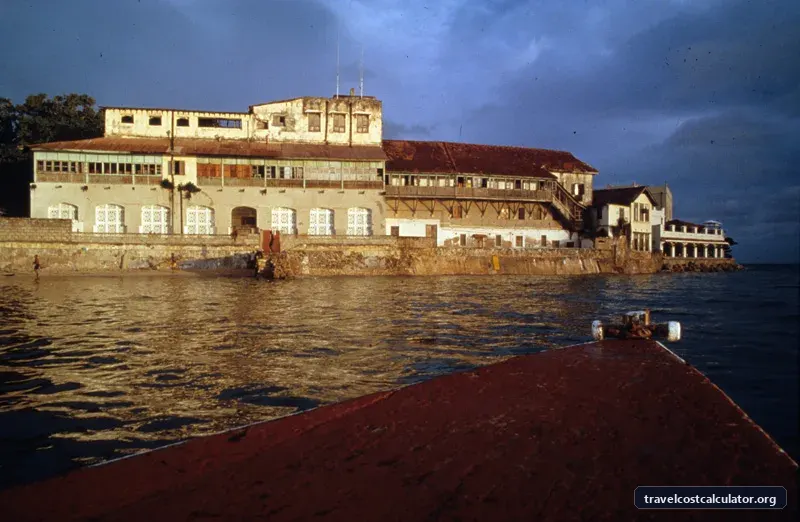
The Stone Town of Zanzibar is a fine example of the Swahili coastal trading towns of East Africa.
Stone Town of Zanzibar
🏛️ Overview & Historical Significance
Rising dramatically from the turquoise waters of the Indian Ocean off the coast of mainland Tanzania, Stone Town of Zanzibar Travel Budget (the old quarter of Zanzibar City on Unguja Island) is one of East Africa’s most captivating urban landscapes. Designated as a UNESCO World Heritage site in 2000, Stone Town represents a pristine, living example of a Swahili coastal trading city. For centuries, its position made it a crucial crossroads for African, Arab, Indian, Persian, and European merchants, creating a unique socio-cultural tapestry that is still tangible today.
The city's architectural legacy is a testament to its complex history. Stone Town achieved economic prominence in the 19th century under the rule of the Omani Sultanate. Sultan Seyyid Said moved his capital from Muscat Travel Budget to Zanzibar in 1840 to capitalize on the lucrative trade in spices (primarily cloves) and ivory. Tragically, Stone Town also served as the primary transit port for the East African Indian Ocean slave trade. Hundreds of thousands of enslaved Africans passed through its slave markets before the trade was officially abolished under British pressure in the late 19th century.
UNESCO selected Stone Town for World Heritage status due to its outstanding fulfillment of three major cultural criteria:
-
✦
Architectural Fusion: A rare urban fabric combining African Swahili construction traditions with Omani Arab mansion design, Indian intricate woodwork, and European colonial planning.
-
✦
Historical Significance: Its pivotal role as the economic capital of East Africa’s maritime trading networks and the central hub of the 19th-century Indian Ocean slave trade.
-
✦
Symbolic Legacy: A powerful location for world history, representing both human suffering through the slave trade and the anti-slavery movement championed by David Livingstone and Anglican abolitionists.
Today, navigating Stone Town feels like stepping into an open-air museum. Narrow, labyrinthine alleyways lined with coral-rag buildings, heavy teak doors adorned with brass spikes, and the persistent aroma of clove and cardamon create an unforgettable atmosphere for modern travelers.
🎟️ Entrance Fees, Opening Hours & Ticket Booking Tips
Unlike gated monument complexes, Stone Town itself is an active, inhabited city quarter with no general entrance fee. You are free to stroll through the public streets, markets, and beachfront areas 24/7. However, individual museums, historical monuments, and guided cultural experiences require entry tickets. Below are the updated 2026 fee structure estimates in US Dollars (USD) and Tanzanian Shillings (TZS, estimated at ~2,650 TZS per $1 USD).
Key Site Entrance Fees & Hours (2026 Rates)
-
✦
Former Slave Market & Anglican Cathedral (Christ Church):
- Entrance Fee: $10 USD (~26,500 TZS) per person (includes local museum guide).
-
✦
Opening Hours: Daily from 8:00 AM – 6:00 PM.
-
✦
Tip: Highly recommended to pay in cash (USD or TZS). The ticket includes access to the underground holding cells and the poignant Memory of Slavery Memorial.
- Entrance Fee: Free entry to the courtyard and main grounds. Small entry fee ($3 - $5 USD / ~8,000 - 13,000 TZS) for special evening cultural shows or art gallery exhibits.
- Entrance Fee: $6 USD (~16,000 TZS) per adult.
- Entrance Fee: $10 USD (~26,500 TZS) per adult; $5 USD (~13,000 TZS) for children under 12.
- Status Update (2026): Major structural preservation efforts remain active. Partial grounds access costs ~$4 USD (~10,500 TZS) when open to visitors.
Guided Walking Tour Recommendations
Because Stone Town’s street grid is notoriously tricky to navigate, hiring a licensed local guide is worth every penny. Expect to pay between $20 and $35 USD for a private 3-hour walking tour. Ensure your guide is certified by the Zanzibar Commission for Tourism. Booking tours directly through your hotel or via reputable platforms like GetYourGuide or local cooperative booths near Forodhani Gardens yields the best experiences.
🚌 How to Get There & Local Transit Costs
Reaching Stone Town is straightforward, whether arriving from mainland Tanzania (Dar es Salaam) or internationally. Stone Town is located right on the western coast of Unguja Island, positioning it near both the island’s primary ferry terminal and airport.
1. Arriving by Sea (Fast Ferry from Dar es Salaam)
The most popular budget and scenic option from mainland Tanzania is the express passenger ferry across the Zanzibar Channel.
-
✦
Operator: Azam Marine (Kilimanjaro Travel Budget Fast Ferries).
-
✦
Transit Time: Approximately 1 hour 40 minutes.
-
✦
2026 Ticket Fares (Non-Tanzanian Residents):
- Economy Class: $35 - $40 USD one-way
-
✦
VIP / Royal Class: $50 - $60 USD one-way
2. Arriving by Air (Abeid Amani Karume International Airport - ZNZ)
Zanzibar’s international airport is located roughly 7 to 8 kilometers (4.5 miles) south of Stone Town.
-
✦
Airport Taxi: Fixed official taxi rates into central Stone Town cost $15 - $20 USD (~40,000 - 53,000 TZS). Agree on the price before getting into the vehicle or pre-arrange transport through your accommodation.
-
✦
Ride-Hailing: Ride-share services have limited reliability in Zanzibar as of 2026; private taxis arranged via local apps or WhatsApp remain the standard.
3. Navigating Around Stone Town
Inside Stone Town, motor vehicles are restricted on most narrow residential lanes. Walking is the absolute best mode of transport. For trips outside the inner historical core or to nearby beaches:
-
✦
Dalla-Dalla (Local Shared Minibus): Highly economical. Trips within the city or to nearby outskirts cost between 1,000 TZS and 2,000 TZS ($0.40 - $0.75 USD) per ride. Board near the Darajani Market terminal.
-
✦
Private Taxi (Short Town Hops): 7,000 to 13,000 TZS ($3 - $5 USD).
📸 Best Photography Spots & Insider Visit Hacks
Stone Town is a dream for street photographers, architecture lovers, and culture enthusiasts. However, respectful travel practices are vital due to the town's conservative, predominant Muslim heritage.
Top 4 Photography Hotspots
-
✦
Carved Zanzibar Doors: Look for classic Omani-style square doors (featuring Arabic calligraphy) and Indian-style brass-studded doors (designed historically to deter war elephants). The best preserved examples are along Gizenga Street and Hurumzi Street.
-
✦
Forodhani Gardens Night Market at Sunset: Capture the sun dipping into the Indian Ocean behind traditional wooden dhows, followed by the vibrant evening street-food market illuminated by hurricane lamps.
-
✦
Rooftop Views at Sunset: Reserve a table at iconic high-altitude venues like the Tea House Restaurant at Emerson on Hurumzi or The Seyyida Rooftop for 360-degree views over coral-tile roofs, church spires, and minarets.
-
✦
Darajani Spice Market: Golden hour morning light pierces through narrow stalls filled with colorful mounds of turmeric, nutmeg, cinnamon, and fresh seafood.
Insider Visit Hacks & Etiquette
-
✦
Dress Modestly: Stone Town is a deeply traditional community. Always keep shoulders and knees covered when walking in public streets. Reserve beachwear strictly for resorts or boat trips.
-
✦
Ask Before Photographing Locals: Always ask permission ("Samahani, naweza kupiga picha?" in Swahili) before taking close-up portraits of residents, elders, or children.
-
✦
Beat the Heat & Crowds: Explore between 7:30 AM and 10:30 AM. Midday temperatures in Zanzibar regularly reach high humidity and temperatures over 30°C (86°F). Rest indoors during afternoon peak heat.
-
✦
Cash Is King: Credit cards incur hefty processing surcharges (often 3% to 5%) in Stone Town. ATM cash points near the Shangani post office and Darajani Market occasionally run out of bills; carry backup USD cash to exchange safely at official forex bureaus.
🏨 Nearby Accommodation & Daily Budget Allocation
Stone Town offers accommodation ranging from budget backpacker hostels to impeccably restored 19th-century merchant mansions equipped with modern luxury amenities.
Accommodation Options (2026 Estimated Rates)
-
✦
Budget Tiers ($20 - $45 USD / night): Hostels and modest Swahili guesthouses around the Malindi or Darajani areas. Clean, fan-cooled or basic AC rooms with shared or private bath (e.g., Lost & Found Hostel, local family pensions).
-
✦
Mid-Range Tiers ($75 - $150 USD / night): Beautifully restored historic boutique hotels featuring rooftop breakfast spots, private plunge pools, and authentic antique decor (e.g., Dhow Palace Hotel, Swahili House, Kholle House).
-
✦
Luxury Tiers ($220 - $450+ USD / night): World-class luxury combining high-end modern hospitality with royal Omani design elements (e.g., Park Hyatt Zanzibar, Emerson Spice).
Daily Travel Budget Allocations for Stone Town (2026 Estimates)
To help you budget accurately, here are three realistic daily expenditure profiles (excluding international flights):
1. Backpacker / Budget Planner (~$45 - $60 USD / day)
-
✦
Accommodation: $20 - $25 (Dorm bed or budget guesthouse)
-
✦
Meals: $10 - $15 (Street food at Forodhani Gardens, local Swahili canteens serving Pilau rice or Urojo soup)
-
✦
Transport: $2 - $4 (Walking and public dalla-dallas)
-
✦
Attractions: $10 (1 paid site entry per day plus free walking wandering)
2. Mid-Range Travel Planner (~$130 - $220 USD / day)
-
✦
Accommodation: $80 - $130 (Boutique merchant hotel with breakfast included)
-
✦
Meals: $25 - $45 (Lunch at mid-range cafes, dinner at rooftop seafood restaurants)
-
✦
Transport: $10 - $20 (Occasional taxis & ferry transfers)
-
✦
Attractions & Tours: $20 - $35 (Paid museum entries + shared walking guide or spice tour)
3. Luxury & Heritage Planner (~$350 - $600+ USD / day)
-
✦
Accommodation: $250 - $450 (Five-star oceanfront resort hotel)
-
✦
Meals: $60 - $100 (Fine dining, private seafood tastings, premium cocktails)
-
✦
Transport: $30 - $50 (Private chauffeured transfers)
-
✦
Attractions & Tours: $50 - $100 (Private historic guides, private sunset dhow sailing cruises)
Frequently Asked Questions
Essential visitor FAQs for Stone Town of Zanzibar
What is the entrance fee for Stone Town of Zanzibar?
How much time do you need to explore Stone Town of Zanzibar?
How do I get to Stone Town of Zanzibar from the nearest city?
📊 Heritage Quick Specs
Visiting Tanzania on a Budget?
Calculate your full daily travel budget for Tanzania — including hotel costs, local transport, food, and sightseeing expenses.
View Tanzania Daily Travel Costs →Explore more UNESCO World Heritage Sites
🏛️ All 1,200+ Heritage Sites →