
 China
China
South China Karst
South China Karst is one of the world’s most spectacular examples of humid tropical to subtropical karst landscapes.
South China Karst
🏛️ Overview & Historical Significance
Stretching across four major southern Chinese provinces and municipalities—Yunnan, Guizhou, Guangxi, and Chongqing—the South China Karst is widely regarded by geomorphologists as the world’s most comprehensive and spectacular display of humid tropical-to-subtropical karst landforms. Recognized as a UNESCO World Heritage site in 2007 (Phase I) and expanded in 2014 (Phase II), this sprawling serial property covers over 176,000 hectares of protected land. It preserves millions of years of geological erosion, where surface water rich in carbonic acid gradually dissolved soluble carbonate bedrock to sculpt pinnacles, stone forests, towering spires, natural bridges, deep underground rivers, and massive sinkholes (tiankeng).
The UNESCO designation highlights several outstanding universal values across its main sub-sites:
-
✦
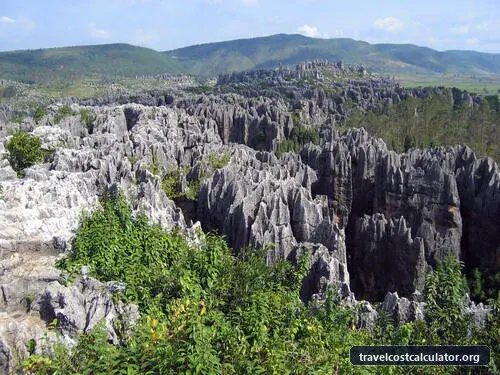
Shilin (Stone Forest Karst, Yunnan): Inscribed in 2007, Shilin contains the world’s finest examples of pinnacle karst (blade-like stone forests), formed over 270 million years of geological movement and water action.
-
✦
Libo Karst (Guizhou): Inscribed in 2007, this site showcases high cone (fengcong) and tower (fenglin) karsts integrated with rare virgin subtropical forests and subterranean stream systems.
-
✦
Wulong Karst (Chongqing): Inscribed in 2007, famous for its magnificent giant collapse sinkholes (tiankeng), deep gorge cut-throughs, and the world-renowned Three Natural Bridges (Tianlong, Qinglong, and Heilong bridges).
-
✦
Guilin Karst (Guangxi): Added in 2014, famous worldwide for its iconic tower karst landscape bordering the Li River, inspiring centuries of classical Chinese landscape paintings and poetry.
Visiting the South China Karst in 2026 offers an unparalleled glimpse into earth science history, rich ethnic minority cultures (such as the Yi, Miao, and Zhuang peoples), and world-leading modern transport infrastructure that makes hopping between these ancient limestone formations faster and more accessible than ever.
🎟️ Entrance Fees, Opening Hours & Ticket Booking Tips
Because the South China Karst is spread across multiple provincial clusters, each major park operates independently with individual ticketing systems. Below are the updated 2026 pricing estimates, opening hours, and reservation rules for the primary public nodes.
1. Shilin (Stone Forest Scenic Area) – Kunming, Yunnan
-
✦
Adult Ticket: ¥130 RMB (~$18.25 USD)
-
✦
Internal Electric Sightseeing Bus (Round-trip): ¥25 RMB (~$3.50 USD)
-
✦
Operating Hours: 07:30 – 18:30 daily
2. Wulong Karst (Three Natural Bridges & Longshuixia Fissure) – Chongqing
-
✦
Three Natural Bridges Combo Ticket (includes shuttle): ¥125 RMB (~$17.50 USD) in peak season (March 1 – Nov 30); ¥95 RMB (~$13.30 USD) off-peak.
-
✦
Longshuixia Gap Fissure: ¥105 RMB (~$14.70 USD)
-
✦
Glass Elevator & Panoramic Platform: ¥30 RMB (~$4.20 USD) optional add-on.
-
✦
Operating Hours: 08:00 – 16:30 daily (last entry at 16:00)
3. Libo Xiaoqikong (Seven Small Arches) – Guizhou
-
✦
Combined Park Ticket + Sightseeing Bus: ¥170 RMB (~$23.80 USD)
-
✦
Operating Hours: 07:30 – 16:30 daily
4. Guilin / Yangshuo Karst Highlights – Guangxi
-
✦
Li River Scenic Cruise (Guilin to Yangshuo 3-Star/4-Star Boat): ¥290 – ¥450 RMB (~$40.50 – $63.00 USD)
-
✦
Xiangong Hill Entrance Fee: ¥60 RMB (~$8.40 USD)
-
✦
Yulong River Bamboo Rafting: ¥160 – ¥320 RMB (~$22.40 – $44.80 USD) per raft (2 seats).
2026 Ticket Booking & Payment Tips
China operates an almost entirely cashless, real-name registration system for major tourist attractions. To ensure entry without complications:
-
✦
Passport Registration Required: Always carry your physical passport. Tickets are linked directly to your passport number.
-
✦
Advance Bookings: Secure tickets 3 to 7 days in advance during normal seasons, and up to 14 days in advance if traveling near peak Chinese holidays via official WeChat Mini-Programs, the English Railway 12306 app, or global platforms like Trip.com.
-
✦
Digital Payment Setup: Link your international Visa or Mastercard to Alipay or WeChat Pay prior to arrival in China. Foreign credit card transactions under ¥200 RMB generally carry zero fee on Alipay.
🚌 How to Get There & Local Transit Costs
Navigating the South China Karst is seamless thanks to China’s High-Speed Rail (CRH) network. Below are step-by-step transit options from primary regional transit hubs.
Getting to Shilin Stone Forest (from Kunming)
Kunming is the major aviation hub for Yunnan Province.
-
✦
High-Speed Train (Recommended): Board a bullet train from Kunming South Railway Station (Kunmingnan) to Shilin South Railway Station (Shilinnan). Travel time is just 18–22 minutes. Ticket cost: ~¥18 RMB (~$2.50 USD) one-way.
-
✦
Onward Connection: From Shilin South station, take local express bus No. 99 (¥10 RMB / ~$1.40 USD) directly to the Stone Forest Visitor Center parking area (approx. 25 minutes).
-
✦
Taxi / Ride-hailing (Didi): A direct Didi from central Kunming costs around ¥180 – ¥230 RMB (~$25 – $32 USD) one way.
Getting to Wulong Karst (from Chongqing)
Chongqing serves as the ideal departure gateway for the Wulong scenic cluster.
-
✦
High-Speed Train: Take a train from Chongqing North Station or Chongqing East Station to Wulong Railway Station. Travel time: ~1 hour to 1.5 hours. Second-class seat: ¥40 – ¥60 RMB (~$5.60 – $8.40 USD).
-
✦
Connecting Bus: From Wulong Railway Station, take a local tourist shuttle bus (¥10 RMB / ~$1.40 USD) up the mountain to the Fairy Mountain Town Visitor Center (Xianyushan), which serves as the hub for the Three Natural Bridges and Longshuixia Gap.
Getting to Guilin & Yangshuo Karst (from Guilin)
Guilin Liangjiang International Airport (KWL) and Guilin High-Speed Railway Stations connect directly to all major Chinese cities.

-
✦
High-Speed Train to Yangshuo: Catch a 30-minute train from Guilin Railway Station to Yangshuo Station (located in Xingping Town). Ticket: ~¥25 RMB (~$3.50 USD).
-
✦
Scenic Li River Cruise: The classical route departs from Mopanshan or Zhujiang Pier in Guilin and sails south to Yangshuo. The journey takes roughly 4 hours and covers the iconic karst peak stretches seen on the ¥20 RMB banknote.
📸 Best Photography Spots & Insider Visit Hacks
Top Photography Angles
-
✦
Xiangong Hill (Guilin/Yangshuo): Climb the steep staircase (15 minutes) before dawn. The summit offers an iconic panoramic view of the Li River curving through thousands of jagged tower karst peaks, frequently shrouded in morning river mist.
-
✦
Tianfu Official Outpost inside Wulong Karst: Position yourself at the base of the glass elevator trail near Tianlong Bridge. Shoot downward toward the ancient, courtyard-style wood structure nestled inside the giant limestone gorge (made famous globally in cinematic films).
-
✦
Sword Peak Pond (Shilin, Kunming): Capture the razor-sharp limestone spires perfectly mirrored in the tranquil water below. Arrive right at opening time (07:30) to get clear water reflections without wind distortion or crowds.
-
✦
Xiaoqikong Ancient Bridge (Libo): Frame the 19th-century green stone bridge with the emerald Xiangshui River and lush hanging karst flora.
Insider Travel & Timing Hacks
-
✦
Optimal Seasons: The best weather occurs during April to May (vibrant green scenery, manageable temperatures, atmospheric morning mist) and September to November (clear skies, minimal rainfall, comfortable hiking conditions).
-
✦
Avoid Peak Travel Waves: Absolutely avoid Chinese National Golden Week (October 1–7) and May Day Holiday (May 1–5). Park queues can extend beyond 3 hours during these windows.
-
✦
Pack Proper Footwear: The karst rock surface and damp limestone caves are notoriously slick. Waterproof trail runners with strong rubber lugs are strongly recommended over regular sneakers.
-
✦
Drone Rules in 2026: China strictly enforces civilian drone registration (UAV rules). Most World Heritage zones require on-site real-name registration or express permission from scenic area management before takeoff.
🏨 Nearby Accommodation & Daily Budget Allocation
Traveling through the South China Karst region can be customized easily for budget backpackers, mid-range cultural travelers, or luxury seekers. Below is a breakdown of estimated daily budgets and recommended places to stay.
Recommended Lodging Base Cities
-
✦
Yangshuo (Guangxi): Stay in Yulong River Village area for quiet, boutique hotels surrounded by karst peaks, or near West Street for nightlife and dining.
-
✦
Wulong / Fairy Mountain Town (Chongqing): Stay in Xianyushan Town to be within a 10-minute shuttle ride of the natural bridge visitor center.
-
✦
Kunming / Shilin (Yunnan): Stay in downtown Kunming for urban night markets, or book a boutique guesthouse inside Shilin Yi Autonomous County for direct park access.
Estimated Daily Budget Breakdowns (Per Person in USD / RMB for 2026)
| Travel Style | Daily Budget (USD) | Daily Budget (RMB) | Inclusions & Spending Allocation |
|---|---|---|---|
| Budget / Backpacker | $35 – $55 USD | ¥250 – ¥400 RMB | Hostel dorm/budget twin room, public buses/2nd-class HSR, street food (e.g., Guilin Rice Noodles ¥15-20 RMB), self-guided park visits. |
| Mid-Range / Flashpacker | $90 – $160 USD | ¥650 – ¥1,150 RMB | 3-star/4-star boutique karst resort, fast-train travel, combination of Didi taxis, entrance fees, and sit-down dinners (e.g., Yangshuo Beer Fish, Guizhou Sour Fish). |
| Luxury / Private Tour | $280 – $500+ USD | ¥2,000 – ¥3,600+ RMB | Luxury high-end retreat (e.g., Banyan Tree Yangshuo), 1st class rail / private air-conditioned car & driver, VIP park tickets, fine dining. |
Frequently Asked Questions
Essential visitor FAQs for South China Karst
What is the entrance fee for South China Karst?
How much time do you need to explore South China Karst?
How do I get to South China Karst from the nearest city?
📊 Heritage Quick Specs
Visiting China on a Budget?
Calculate your full daily travel budget for China — including hotel costs, local transport, food, and sightseeing expenses.
View China Daily Travel Costs →Explore more UNESCO World Heritage Sites
🏛️ All 1,200+ Heritage Sites →