
 Japan
Japan
Sites of Japan’s Meiji Industrial Revolution: Iron and Steel, Shipbuilding and Coal Mining
The site encompasses a series of twenty three component parts, mainly located in the southwest of Japan.
Sites of Japan’s Meiji Industrial Revolution: Iron and Steel, Shipbuilding and Coal Mining
🏛️ Overview & Historical Significance
Inscribed as a UNESCO World Heritage site in 2015, the Sites of Japan’s Meiji Industrial Revolution: Iron and Steel, Shipbuilding and Coal Mining represent one of the most astonishing rapid transformations in global industrial history. Spanning 23 individual component sites distributed across 8 distinct geographical areas—predominantly in Kyushu, Yamaguchi, Shizuoka, and Iwate prefectures—this serial heritage property chronicles Japan’s radical leap from a feudal, isolated Tokugawa shogunate into an industrial superpower between 1850 and 1910.
What makes this heritage collection uniquely significant to UNESCO is its testament to modern technology transfer. Unlike Western nations that industrialized over centuries through native trial-and-error, Japan achieved full-scale industrialization in under 50 years. This was accomplished by combining Western scientific manuals and craftsmanship with native Japanese traditions, evolving rapidly from early trial efforts (such as reverberatory furnaces and small-scale iron works) to imported Western machinery, and finally to self-sustained heavy industrial engineering.
The site's primary clusters encompass three core heavy industrial sectors:
-
✦
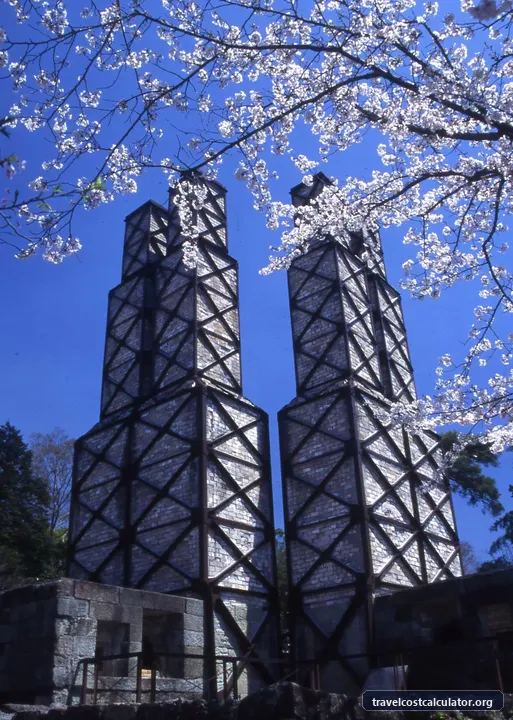
Iron and Steel: Exemplified by the Nirayama Reverberatory Furnace in Shizuoka, the Hashino Iron Mining and Smelting Site in Iwate, and the world-famous Yawata Steel Works in Kitakyushu.
-
✦
Shipbuilding: Centered heavily in Nagasaki, featuring the Kosuge Slip Dock, the Mitsubishi No. 3 Dry Dock, and the iconic Giant Cantilever Crane (still operational today).
-
✦
Coal Mining: Highlighted by the deep-sea coal operations of the Miike Coal Mine (Kumamoto/Fukuoka) and the legendary Hashima Coal Mine (widely known as Gunkanjima or "Battleship Island") off the coast of Nagasaki.
Visiting these sites offers travelers an evocative journey through time—from the quiet, wooden classrooms of Shokasonjuku Academy in Hagi where visionary intellectuals mapped out modern Japan, to the haunting, concrete sea-fortress ruins of Gunkanjima rising out of the East China Sea.
🎟️ Entrance Fees, Opening Hours & Ticket Booking Tips
Because the UNESCO property comprises 23 distinct locations scattered across multiple prefectures, entry conditions, pricing, and operating hours vary significantly by location. Below are the 2026 fee estimates, schedule structures, and booking strategies for the major tourist-accessible hubs.
1. Hashima Coal Mine (Gunkanjima Island Tour & Landing) — Nagasaki
-
✦
2026 Estimated Tour Cost: ¥4,500 – ¥5,800 ($30.00 – $38.50 USD) for adults (varies by cruise operator) plus a mandatory Nagasaki City landing fee of ¥310 ($2.05 USD).
-
✦
Operating Hours: Daily departures around 9:00 AM and 1:00 PM (weather and ocean swell permitting). Tours last roughly 2.5 to 3 hours total.
-
✦
Booking Tips: Landing on Gunkanjima depends entirely on sea conditions (waves under 0.5 meters and wind under 5 m/s). Operators achieve a landing success rate of about 65%–75% annually. Cruises sell out weeks in advance for peak spring (April–May) and autumn (October–November) seasons. Book online at least 30 days prior. Major licensed operators include Yamasa Kaiun, Seaman商会, and Gunkanjima Concierge.
2. Glover Garden & Mitsubishi Heritage Sites — Nagasaki
-
✦
2026 Entrance Fee: ¥620 ($4.10 USD) for adults; ¥310 ($2.05 USD) for high school students; ¥180 ($1.20 USD) for children.
-
✦
Operating Hours: 8:00 AM – 6:00 PM (Last entry 5:40 PM). Extended night illumination hours operate until 8:30 PM during summer and peak holiday weekends.
-
✦
Booking Tips: No advance booking required. You can purchase tickets directly at automated kiosks or use integrated IC transit cards (Suica, Pasmo, Sugoca).
3. Nirayama Reverberatory Furnace — Shizuoka Prefecture
-
✦
2026 Entrance Fee: ¥500 ($3.30 USD) for adults; ¥50 ($0.33 USD) for children.
-
✦
Operating Hours: 9:00 AM – 5:00 PM (Closed on the 3rd Wednesday of each month).
-
✦
Booking Tips: Tickets can be bought on-site. Combined tickets including access to local tea fields and historical museum exhibits are available for ¥800 ($5.30 USD).
4. Imperial Yawata Steel Works Viewing Deck — Kitakyushu
-
✦
2026 Entrance Fee: Free (The historical head office remains inside an active Nippon Steel operational plant; visitors view the exterior architecture from a dedicated UNESCO observation platform). Information Center entry is ¥300 ($2.00 USD).
-
✦
Operating Hours: 9:30 AM – 5:00 PM (Closed Mondays, or Tuesday if Monday is a national holiday).
🚌 How to Get There & Local Transit Costs
To experience the key anchors of Japan’s Meiji Industrial Revolution, Nagasaki City and Fukuoka/Kitakyushu serve as the primary geographical hubs. Here is how to navigate the transit routes efficiently using public transportation in 2026.
Reaching the Primary Hub: Nagasaki City
If arriving from Tokyo Travel Budget or Osaka, take the Tokaido/Sanyo Shinkansen to Hakata Station (Fukuoka). From Hakata, take the JR Relay Kamome Limited Express connected seamlessly to the Nishi-Kyushu Shinkansen at Takeo-Onsen Station directly to JR Nagasaki Station.
-
✦
Travel Time: ~1 hour 20 minutes from Hakata (Fukuoka) to Nagasaki.
-
✦
2026 Fare: Approximately ¥6,100 ($40.50 USD) one-way for an unreserved seat. Fully covered by the nationwide Japan Rail Pass or JR Kyushu Rail Pass (Fukuoka/Kyushu area).
Reaching Gunkanjima Cruise Terminals (Nagasaki Port)
Most boat operators depart from Nagasaki Port Ferry Terminal (Tokiwa Terminal or Motofuna Terminal).
-
✦
Local Transit: Take the Nagasaki Electric Tramway (Streetcar) Line 1 or 2 to Ourakaigan-dori or Dejima tram stop.
-
✦
2026 Streetcar Fare: Flat rate of ¥140 ($0.93 USD) per ride, or buy a Nagasaki Tram 1-Day Pass for ¥600 ($4.00 USD).
Reaching the Imperial Yawata Steel Works (Kitakyushu)
-
✦
By Train: From Kokura Station (the main Shinkansen hub in Kitakyushu), take the JR Kagoshima Main Line local/rapid train to Space World Station (~10 minutes, ¥280 / $1.85 USD).
-
✦
From Station to Site: A signposted 10-minute walk brings you to the Yawata Steel Works First Head Office Observation Deck.
Reaching Nirayama Reverberatory Furnace (Shizuoka)
-
✦
By Train & Bus: From Tokyo Station, take the JR Tokaido Shinkansen to Mishima Station (~45 mins). Transfer to the Izuhakone Railway Sunzu Line and ride to Izu-Nagaoka Station (20 mins, ¥330 / $2.20 USD).
-
✦
Local Shuttle/Taxi: From Izu-Nagaoka Station, take a local bus (~10 mins, ¥200 / $1.33 USD) or a short taxi ride (~¥1,200 / $8.00 USD) directly to the site.
📸 Best Photography Spots & Insider Visit Hacks
Capturing the scale and atmospheric decay of these industrial relics requires careful planning, appropriate focal choices, and timing. Here are expert photographer recommendations and insider tricks for maximum efficiency:
Top Photography Angles
-
✦
The Battleship Silhouette (Gunkanjima Cruise Approach): Position yourself on the starboard (right) upper deck of your tour vessel when approaching Hashima Island from the south. As the boat maneuvers around the island, you get the definitive view showing why it earned the moniker "Gunkanjima" (Battleship Island)—the high sea walls and monolithic concrete apartment blocks mirror the silhouette of the Japanese battleship Tosa.
-
✦
Glover Garden Upper Terrace: Stand near the veranda of Thomas Glover's former residence during late afternoon golden hour. Frame the historic wooden mansion in the foreground while capturing the active, giant red-and-white Mitsubishi Cantilever Crane across Nagasaki Bay.
-
✦
Nirayama Furnace with Mt. Fuji: Visit Nirayama on a crisp, clear winter morning (December through February). Walk up to the nearby tea hill viewing point behind the furnace site; with a telephoto lens (85mm–200mm), you can align the stone chimney stacks of the 1857 furnace directly beside the snow-capped peak of Mount Fuji.
Insider Visit Hacks
-
✦
Book a "Backup" Gunkanjima Date: Ocean swell cancellation rates are high during rainy season (June–July) and typhoon season (August–September). If visiting Nagasaki specifically for Hashima Island, schedule two consecutive mornings in the city and reserve cruise tickets for both days with operators offering free weather-cancellation refunds.
-
✦
Pack Light for Gunkanjima: Hard luggage, umbrellas, high heels, and tripods are strictly prohibited on Hashima Island due to safety regulations along the elevated walkways. Bring a hands-free backpack, secure camera strap, sun hat, and raincoat.
-
✦
Combine Meiji Sites with Kyushu Rail Passes: If visiting Kitakyushu (Yawata), Nagasaki (Gunkanjima, Glover Garden), and Kumamoto (Miike Coal Mine), purchase a 3-Day JR Kyushu Rail Pass (~¥12,000 / $80 USD). It pays for itself after a single round-trip shinkansen journey between Fukuoka and Nagasaki.
🏨 Nearby Accommodation & Daily Budget Allocation
To maximize your itinerary, Nagasaki City is the undisputed ideal base for exploring the largest concentration of industrial heritage sites. Below are recommended lodging options and daily expense breakdowns updated for 2026 economic conditions.
Where to Stay in Nagasaki
-
✦
Budget Option — Hostería Cuore Nagasaki / Akariya Accommodation: Clean, vibrant dormitories and compact private rooms located within walking distance of JR Nagasaki Station. Rates: ¥3,800 – ¥6,500 ($25 – $43 USD) per night.
-
✦
Mid-Range Option — JR-East Hotel Mets Nagasaki / Dormy Inn Premium Nagasaki: Modern business hotels located right at the transit hubs. Includes complimentary hot spring/onsen baths and local breakfast spreads featuring Nagasaki pork bun delicacies. Rates: ¥11,000 – ¥18,000 ($73 – $120 USD) per night.
-
✦
Luxury Option — Garden Terrace Nagasaki Hotel & Resort: Designed by world-renowned architect Kengo Kuma, perched high on Mount Inasa offering panoramic glass-wall views over Nagasaki Harbor and the industrial shipyard landscapes. Rates: ¥38,000 – ¥65,000 ($250 – $430 USD) per night.
Daily Budget Allocation (Estimated 2026 Travel Costs in USD)
Depending on your travel style, plan your daily budget based on the following breakdown (per person, assuming Nagasaki base):
-
✦
Backpacker / Budget Tier ($55 – $80 / day):
- Lodging (Hostel dorm bed): $30
-
✦
Food (Convenience stores, local ramen, Chanpon noodles): $20
-
✦
Local Transit (Tram 1-Day Pass): $4
-
✦
Attractions (Glover Garden + Site passes): $8 - $15
- Lodging (3-star station hotel): $90
- Lodging (Luxury Resort with harbor view): $350
Frequently Asked Questions
Essential visitor FAQs for Sites of Japan’s Meiji Industrial Revolution: Iron and Steel, Shipbuilding and Coal Mining
What is the entrance fee for Sites of Japan’s Meiji Industrial Revolution: Iron and Steel, Shipbuilding and Coal Mining?
How much time do you need to explore Sites of Japan’s Meiji Industrial Revolution: Iron and Steel, Shipbuilding and Coal Mining?
How do I get to Sites of Japan’s Meiji Industrial Revolution: Iron and Steel, Shipbuilding and Coal Mining from the nearest city?
📊 Heritage Quick Specs
Visiting Japan on a Budget?
Calculate your full daily travel budget for Japan — including hotel costs, local transport, food, and sightseeing expenses.
View Japan Daily Travel Costs →Explore more UNESCO World Heritage Sites
🏛️ All 1,200+ Heritage Sites →