
 Iran
Shushtar Historical Hydraulic System
Shushtar, Historical Hydraulic System, inscribed as a masterpiece of creative genius, can be traced back to Darius the Great in the 5th century B.C.
Shushtar Historical Hydraulic System
🏛️ Overview & Historical Significance
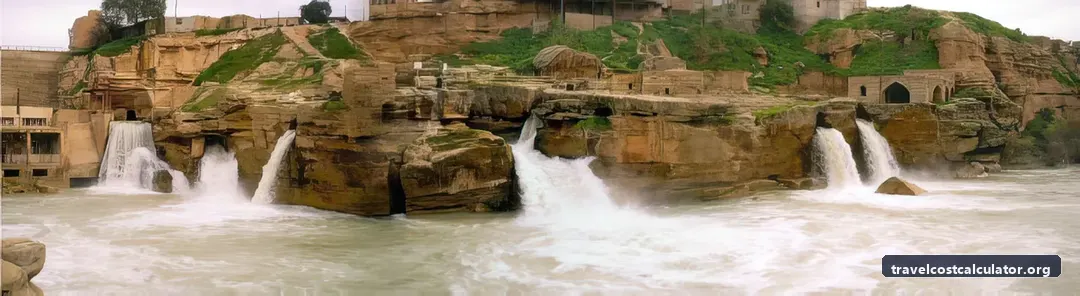
Described by 19th-century French archaeologist Jean Dieulafoy as a "masterpiece of creative genius," the Shushtar Historical Hydraulic System in southwestern Iran stands as one of humanity's most extraordinary engineering marvels. Inscribed as a UNESCO World Heritage site in 2009 under Criteria (i), (ii), and (v), this monumental civil engineering complex showcases an unprecedented fusion of Achaemenid, Sassanid, and Islamic hydrologic engineering. Situated in Khuzestan Province along the Karun River, the system transformed an arid landscape into an agricultural powerhouse through sophisticated water management techniques that operated continuously for over two millennia.
The foundations of the site date back to Darius the Great in the 5th century BCE, who initiated the diversion of the Karun River. However, the complex reached its artistic and structural zenith during the Sassanid Dynasty in the 3rd century CE under King Shapur I. Following the Roman defeat at the Battle of Edessa (260 CE), captured Roman legions under Emperor Valerian were enlisted to construct the famous Band-e Kaisar ("Caesar’s Dam") and expand the complex. This unique historical cross-pollination introduced Roman masonry and arch construction techniques into Persian water architecture.
The system functioned by bifurcating the Karun River via the Band-e Mizan dam into two main branches: the Shateit and the hand-dug Gargar Canal. Water flowing through the Gargar Canal was funneled through rock-cut tunnels to drive dozens of watermills located in a dramatic gorge before cascading into downstream basins like artificial waterfalls. Beyond power generation, this master network supplied drinking water through stone conduits, fed defensive moats, regulated river levels for navigation, and irrigated over 40,000 hectares of the Mianab agricultural plain. It represents an exceptional complete urban infrastructure system that harmonized human settlement with nature.
🎟️ Entrance Fees, Opening Hours & Ticket Booking Tips
Navigating travel expenses in Iran requires understanding the dual-currency system (Rials and Tomans) and international banking sanctions. As of 2026, foreign visitors cannot use international credit cards (Visa/Mastercard) anywhere in Iran, requiring all site payments to be completed in local cash or via pre-funded Iranian tourist debit cards.
-
✦
Standard Entrance Fee (2026 Rate): International visitors pay approximately 2,500,000 to 4,000,000 IRR (approx. $5.00 – $8.00 USD / €4.60 – €7.40) for access to the primary Gargar Mills and Waterfalls complex. Access to secondary open-air structures (such as Band-e Mizan or Pol-e Gargar) is free of charge.
-
✦
Salasel Castle Entrance Fee: 1,500,000 to 2,500,000 IRR (approx. $3.00 – $5.00 USD).
-
✦
Operating Hours:
- Winter/Autumn (Nov–March): 8:00 AM – 6:00 PM (Gargar waterfall illuminations remain active until 9:30 PM).
-
✦
Spring/Summer (April–Oct): 7:30 AM – 8:00 PM.
🚌 How to Get There & Local Transit Costs
Shushtar is located in Khuzestan Province in southwestern Iran. The main regional transport hub is Ahvaz, located roughly 95 kilometers (59 miles) south of Shushtar. Traveling from Tehran or major tourist centers like Isfahan Travel Budget or Shiraz Travel Budget requires connecting through Ahvaz or taking direct regional transit.
Step-by-Step Transport Options (2026 Estimates)
-
✦
Option A: Direct Flying + Private Taxi via Ahvaz (Fastest)
Fly from Tehran (Mehrabad Airport - THR) to Ahvaz International Airport (AWZ). Flight duration is approximately 1 hour and costs between $35 and $60 USD one-way. From Ahvaz Airport, hire a private airport taxi directly to Shushtar (1.5 hours), which costs between $14 and $22 USD (approx. 7,000,000 to 11,000,000 IRR).
-
✦
Option B: Overnight Train from Tehran (Most Scenic & Budget-Friendly)
Iran Railways operates direct overnight trains connecting Tehran Railway Station to Shushtar Station (approx. 13 to 14 hours travel time). A 4-bed sleeper compartment ticket costs between $10 and $18 USD. Upon arrival at Shushtar station, a local taxi into the town center costs under $2 USD.
-
✦
Option C: Shared Taxi (Savari) from Ahvaz
Take an intercity bus or train to Ahvaz Central Terminal. Go to Ahvaz's Chahar Shir Square or Tappeh Terminal to catch an intercity shared taxi (Savari) heading to Shushtar. A seat costs roughly $3.00 to $4.50 USD per person. Shared taxis drop passengers off near Shushtar town center.
Getting Around Shushtar Town
Most of the major historical elements—the Gargar Waterfalls, Pol-e Gargar, Salasel Castle, and Kolah Farangi Tower—are situated within a walkable 2-kilometer radius. For longer hops between Band-e Mizan and the downstream mills, local street taxis cost less than $1.00 to $1.50 USD per ride. You can also use Snapp (Iran's ride-hailing app, operating seamlessly with local SIM cards) for quick, cheap rides around town.
📸 Best Photography Spots & Insider Visit Hacks
Capturing the dramatic juxtaposition of ancient carved sandstone, churning turquoise water, and ancient engineering requires timing and tactical positioning. Here are the top photography vantage points and strategic insider recommendations:
Top Photography Angles
-
✦
The Gargar Mill Cliffside Overlook: Located on the upper terrace opposite the main waterfall gorge. Shoot with a medium telephoto lens during late afternoon golden hour (approx. 4:30 PM to 5:30 PM) to capture warm sunlight washing over the ancient watermill structures and spray.
-
✦
Evening Illumination Viewpoint: Return to the main terrace after dark. Warm spotlighting illuminates the historic masonry and cascades, producing striking night exposures (use a compact travel tripod or steady railing for a slow shutter speed).
-
✦
Salasel Castle & Karun River Panorama: Head to the remaining elevated walls of Salasel Castle for an expansive wide-angle view of the Karun River splitting into its dual channels.
-
✦
Band-e Mizan Dam Line: Shoot along the masonry dam structure during early morning light to capture reflections of the morning sky on the calm water surface above the weir.
Insider Visit Hacks
-
✦
Best Seasonal Window: November through March offers ideal weather, with daytime temperatures averaging pleasant 18°C to 24°C (64°F to 75°F). Crucial Warning: Avoid visiting between late May and September, when Khuzestan experiences extreme summer heat reaching upwards of 48°C to 52°C (118°F to 125°F).
-
✦
Holiday Crowds Warning: Avoid visiting during Nowruz (Iranian New Year, mid-March to early April). Domestic tourism peaks heavily during this fortnight, making accommodation bookings nearly impossible and congesting view platforms.
-
✦
Footwear Essentials: Wear sturdy walking shoes with anti-slip rubber soles. Rocks around the watermill basins, stone tunnels, and viewing platforms are coated in wet moss and continuous water spray.
-
✦
Explore the Tunnels: Don't restrict your visit to the outer viewing platform. Walk down into the subterranean sandstone tunnels beneath the mills where water was channeled to turn the heavy wooden turbine shafts.
🏨 Nearby Accommodation & Daily Budget Allocation
Shushtar offers a charming selection of converted Sassanid-style and Qajar-era traditional heritage houses, providing an authentic Persian hospitality experience right in the city center.
Recommended Accommodations in Shushtar (2026 Pricing)
-
✦
Budget / Heritage Guesthouse: Shushtar Heritage House / Local Homestays
Clean traditional rooms built around a central courtyard. Rates: $20 – $35 USD per night (includes traditional Iranian breakfast with local hot flatbread, feta, dates, and tea). -
✦
Mid-Range Boutique Hotel: Tabib Traditional Hotel or Sarabi Traditional Hotel
Beautifully restored Qajar mansions featuring intricate brickwork, underground cooling cellars (Shavadan), and courtyard fountains. Rates: $45 – $75 USD per night. -
✦
Comfort / Modern Hotel Option: Afzar Hotel (Shushtar) or Pars Hotel (Ahvaz)
For travelers seeking standard international hotel amenities, stay at traditional hotel Afzar in town or stay in Ahvaz at the 4-star Pars Hotel (95 km away) for $70 – $100 USD per night and take day trips into Shushtar.
Local Food Costs & Dining Recommendations
Khuzestani cuisine is famous across Iran for its rich spices, fresh river fish, and heavy use of dates. A meal at a quality local traditional restaurant costs between $4.00 and $10.00 USD per person.
-
✦
Must-try local dishes include Ghalieh Mahi (a flavorful, spicy herb stew made with river fish, garlic, coriander, and tamarind) and Kabab Bakhtiari.
-
✦
Sample local dates and fresh date syrup (Sheereh Khormā) sold at the ancient Shushtar Bazaar near the center of town.
Estimated Daily Travel Budget Table for Shushtar (Per Person - 2026)
-
✦
Budget Backpacker: $30 – $45 USD / day
Includes: Heritage guesthouse bed, shared taxi transit from Ahvaz, local meals, entry to main Gargar watermills complex. -
✦
Mid-Range Traveler: $70 – $120 USD / day
Includes: Private room at Tabib Traditional Hotel, private intercity taxi, full restaurant dining, entries to all historical sites & castle, Snapp rides around town. -
✦
Luxury / Private Guided Tour: $180 – $280 USD / day
Includes: Top-tier suite, dedicated private driver-guide from Ahvaz or Isfahan, private historical walking tour, all inclusive food and site entries.
Frequently Asked Questions
Essential visitor FAQs for Shushtar Historical Hydraulic System
What is the entrance fee for Shushtar Historical Hydraulic System?
How much time do you need to explore Shushtar Historical Hydraulic System?
How do I get to Shushtar Historical Hydraulic System from the nearest city?
📊 Heritage Quick Specs
Visiting Iran on a Budget?
Calculate your full daily travel budget for Iran — including hotel costs, local transport, food, and sightseeing expenses.
View Iran Daily Travel Costs →Explore more UNESCO World Heritage Sites
🏛️ All 1,200+ Heritage Sites →