
 South Korea
Seowon, Korean Neo-Confucian Academies
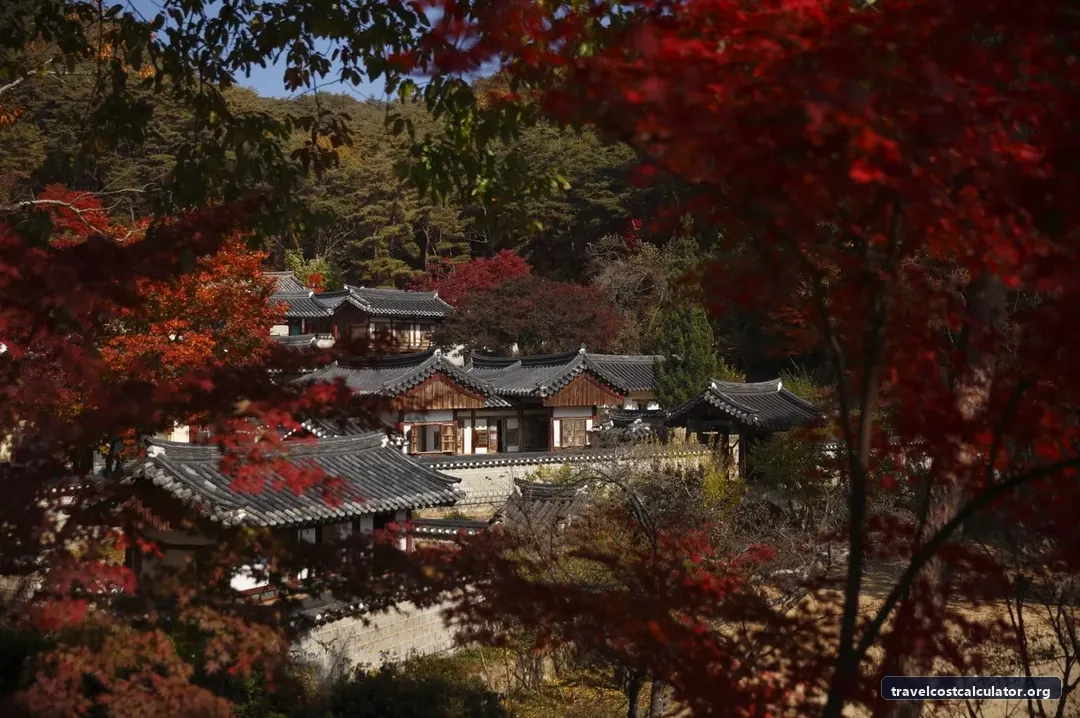
The property is located in central and southern parts of the Republic of Korea, and comprises nine seowon, representing a type of Neo-Confucian academy of the Joseon dynasty (15th -19th centuries CE).
Seowon, Korean Neo-Confucian Academies
🏛️ Overview & Historical Significance
Inscribed as a UNESCO World Heritage site in 2019, Seowon, Korean Neo-Confucian Academies represents a serial property of nine distinct academies established across the central and southern parts of South Korea during the Joseon Dynasty (1392–1910). These sites—including Byeongsan Seowon and Dosan Seowon in Andong, Sosu Seowon in Yeongju, and Oksan Seowon in Gyeongju Travel Budget—embody an exceptional architectural, cultural, and philosophical transformation of Neo-Confucianism tailored to the Korean landscape.
Unlike government-run institutions, Seowon were private academies established by the local sarim (literati class). They served a dual function that remains strikingly preserved today:
-
✦
Educational Hubs: Preparing young scholars for civil service exams and deep philosophical study under renowned mentors such as Toegye Yi Hwang and Yulgok Yi I.
-
✦
Veneration Shrines: Honoring revered Confucian masters through seasonal memorial rituals (Hyangryesa) held within dedicated shrines (Sadang).
Architecturally, Seowon were built in strict harmony with Pungsu (Korean Feng Shui) principles. Master builders carefully aligned lecture halls (Ganghak당), student dormitories (Dongjae and Seojae), and shrines along a central axis facing majestic mountains and winding rivers. The open-air pavilions—such as the famous Mandaeru Pavilion at Byeongsan Seowon—were deliberately designed without walls, allowing scholars to study while reflecting upon the tranquility of nature. In 2026, visitor infrastructure at these sites seamlessly integrates modern multi-lingual audio tours and digital archives while preserving the 16th-century wooden integrity of these sacred educational sanctuaries.
🎟️ Entrance Fees, Opening Hours & Ticket Booking Tips
Visiting the UNESCO-listed Seowon is surprisingly affordable, as the South Korean Cultural Heritage Administration maintains modest admission prices to encourage cultural tourism and historical appreciation.
Estimated 2026 Ticket Pricing
-
✦
Byeongsan Seowon (Andong): Free admission (Parking fee: ₩2,000 / ~$1.50 USD per car).
-
✦
Dosan Seowon (Andong): ₩3,000 (~$2.25 USD) for Adults; ₩1,500 (~$1.15 USD) for Youth/Seniors.
-
✦
Sosu Seowon (Yeongju): ₩3,000 (~$2.25 USD) for Adults (Includes access to the neighboring Sunbichon Traditional Village).
-
✦
Oksan Seowon (Gyeongju): Free entry (Small donation suggested).
-
✦
Dodong & Donam Seowon: Free entry.
Opening Hours & Access Rules
-
✦
Summer Season (April 1 – October 31): 09:00 – 18:00 (Last ticket/entry sold at 17:30).
-
✦
Winter Season (November 1 – March 31): 09:00 – 17:00 (Last entry at 16:30).
-
✦
Operating Days: Open year-round, 7 days a week (including Chuseok and Lunar New Year holidays).
Ticket Booking & Pro Tips
You do not need to book advance tickets online for individual walk-in visits; tickets can be purchased via contactless payment machines or staff booths at entry gates using standard credit cards or transit cards (T-Money/EZ-Card). However, if you plan to join an official Culture Heritage Interpreter Tour (available in English, Mandarin, and Japanese), book at least 48 hours in advance via the official Andong or Yeongju municipal tourism portals.
🚌 How to Get There & Local Transit Costs
The historical city of Andong serves as the primary base for exploring the most popular and scenic academies (Byeongsan Seowon and Dosan Seowon). Transport links from Seoul Travel Budget and neighboring hubs have seen significant speed upgrades via the KTX-Eum high-speed rail network.
Step 1: Seoul to Andong Hub
-
✦
By KTX-Eum Train: Depart from Seoul’s Cheongnyangni Station directly to Andong Station. High-speed travel takes approximately 2 hours. Ticket cost: ₩25,100 – ₩29,000 (~$19.00 – $22.00 USD) one-way.
-
✦
By Express Bus: Depart from Seoul Express Bus Terminal (Gangnam) to Andong Bus Terminal. Duration: ~2.5 hours. Ticket cost: ₩18,000 – ₩24,000 (~$13.50 – $18.00 USD).
Step 2: Reaching the Academies from Andong Station
-
✦
To Byeongsan Seowon: Catch Express Bus #210 (formerly route 246) directly from Andong Station / Terminal bus stop to Byeongsan Seowon. Bus fare is ₩1,500 (~$1.15 USD) with a T-Money card. Journey time is about 50 minutes. *Note: Buses run 4–5 times daily, so check the latest 2026 timetable upon arrival at the station terminal.*
-
✦
To Dosan Seowon: Take Bus #567 or Bus #512 from downtown Andong directly to the entrance gate. Travel time: ~45 minutes. Bus fare: ₩1,500 (~$1.15 USD).
-
✦
By Local Taxi: A one-way taxi ride from central Andong to Byeongsan Seowon costs roughly ₩28,000 – ₩32,000 (~$21.00 – $24.00 USD). To Dosan Seowon, expect ₩35,000 – ₩40,000 (~$26.00 – $30.00 USD). Taxis can be hailed easily via the Kakao T app.
-
✦
Rental Car: Highly recommended if you plan to visit multiple Seowon across different towns in a single day. Daily compact car rental rates in Andong average ₩55,000 – ₩85,000 (~$41.00 – $64.00 USD) including full coverage insurance.
📸 Best Photography Spots & Insider Visit Hacks
Prime Photo Locations
-
✦
Mandaeru Pavilion at Byeongsan Seowon: Capture the breathtaking perspective from the lower yard looking up through the 7-bay open wooden floor frame, highlighting the Nakdong River and surrounding cliffs behind it.
-
✦
Jeonggyodang (Main Lecture Hall) at Dosan Seowon: Frame the historic wooden signboard—written by legendary Joseon calligrapher Han Seok-bong—with the ancient pine trees framing the background.
-
✦
Sosu Seowon Pine Grove: The dramatic centuries-old red pine forest (Hakjabawi area) along the stream entering Sosu Seowon offers magical morning mist photo opportunities.
Seasonal Timing & Weather Considerations
The absolute best seasons to visit are Autumn (Late October – Mid November) for brilliant crimson maples and golden ginkgo foliage contrasting against dark timber roofs, and Spring (April – May) when lush greenery and cherry blossoms fill the mountain valleys. Mid-summer (July–August) brings extreme heat and monsoon rain; if visiting then, arrive right at 09:00 AM.
Insider Visit Hacks
-
✦
Footwear Prep: You will be required to take off your shoes when stepping onto designated wooden lecture platforms. Wear easy slip-on shoes and bring clean socks, as walking barefoot on historic wooden floors is prohibited.
-
✦
Combine with Hahoe Folk Village: Byeongsan Seowon is situated just 4 km upriver from the famous Hahoe Folk Village. Active travelers can hike the picturesque Yukyogil Trail connecting the two sites in about 1 to 1.5 hours.
-
✦
Beat the Tour Group Surge: Domestic weekend tour buses generally arrive between 10:30 AM and 2:00 PM. Visiting between 09:00–10:15 AM ensures peaceful photos with zero crowds.
🏨 Nearby Accommodation & Daily Budget Allocation
To fully immerse yourself in Neo-Confucian history, consider spending a night in a traditional Korean house (Hanok) in nearby Andong or Hahoe Village.
Where to Stay
-
✦
Budget (Hostels / Guesthouses): Andong Gotaya Guesthouse or Peter Pan Guesthouse in central Andong. Clean dormitory bunk or private small room starting at ₩35,000 – ₩55,000 (~$26 – $41 USD) per night.
-
✦
Mid-Range (Hanok Stay Experience): Jukheon Gotaek or stay inside Hahoe Folk Village Hanok Stay. Authentic heated ondol floors, paper doors, and tranquil courtyard gardens ranging from ₩110,000 – ₩190,000 (~$83 – $143 USD) per night.
-
✦
Upmarket / Boutique: Gurume Resort Andong – high-end restored historic luxury hanok villas featuring modern en-suite bathrooms and gourmet breakfasts. Rates start at ₩260,000 – ₩420,000 (~$195 – $315 USD) per night.
Local Food & Dining Expenses
Andong is world-renowned for its regional culinary heritage. Be sure to try:
-
✦
Andong Jjimdak (Spicy Braised Chicken): A massive dish of chicken, glass noodles, and vegetables cooked in soy-chili sauce. ₩32,000 – ₩38,000 (~$24 – $29 USD) for a platter that feeds 2–3 people at Andong Old Market.
-
✦
Heotjesatbap (Mock Ceremonial Rice Bowl): Traditional scholar meal served with non-spicy seasoned wild vegetables, grilled fish, and savory pancakes. ₩13,000 – ₩17,000 (~$10 – $13 USD) per person.
-
✦
Gandeodeung-eo (Salted Mackerel Set): Crispy grilled salted mackerel served with banchan sides. ₩12,000 – ₩15,000 (~$9 – $11 USD) per person.
Estimated Daily Budget (2026 Rates per Person)
-
✦
Backpacker Budget Planner: ₩65,000 – ₩85,000 (~$49 – $64 USD) per day (using public buses, staying in guesthouses, eating market meals).
-
✦
Flashpacker / Mid-Range: ₩150,000 – ₩240,000 (~$113 – $180 USD) per day (staying in a traditional Hanok, taking occasional taxis, dining at full-service restaurants).
-
✦
Comfort / Luxury Tour: ₩350,000+ (~$260+ USD) per day (rental car/private driver, upscale luxury Hanok resort, fine dining, private guide).
Frequently Asked Questions
Essential visitor FAQs for Seowon, Korean Neo-Confucian Academies
What is the entrance fee for Seowon, Korean Neo-Confucian Academies?
How much time do you need to explore Seowon, Korean Neo-Confucian Academies?
How do I get to Seowon, Korean Neo-Confucian Academies from the nearest city?
📊 Heritage Quick Specs
Visiting South Korea on a Budget?
Calculate your full daily travel budget for South Korea — including hotel costs, local transport, food, and sightseeing expenses.
View South Korea Daily Travel Costs →Explore more UNESCO World Heritage Sites
🏛️ All 1,200+ Heritage Sites →