
 Japan
Japan
Sado Island Gold Mines
The Sado Island Gold Mines is a serial property located on Sado Island, some thirty-five kilometres west of the Niigata Prefecture coast.
Sado Island Gold Mines
🏛️ Overview & Historical Significance
The Sado Island Gold Mines (known locally as Sado Kinzan), located on Sado Island in Niigata Prefecture, represent one of the most historically significant industrial complexes in East Asia. Officially inscribed as a UNESCO World Heritage Site in July 2024, this sprawling subterranean and surface network offers an unparalleled glimpse into non-mechanized and early-industrial mining traditions that fueled Japan’s economy for nearly four centuries.
Discovered in 1601, the mine was immediately placed under the direct control of the Tokugawa Shogunate. For over 250 years during the Edo Period (1603–1867), Sado Island functioned as the primary economic engine of Japan. Miners working under arduous conditions extracted gold and silver entirely by hand using chisels, hammers, and manual water-drainage systems known as suidou. The gold produced here was minted into official coinage (such as Koban) that stabilized the national monetary system and financed Japan's prolonged period of self-imposed isolation (Sakoku).
What makes Sado Kinzan worthy of its UNESCO World Heritage status is the extraordinary preservation of two distinct eras of mining tech:
-
✦
Edo Period Manual Mining (Sotaifu-mabu): Un-mechanized, hand-dug tunnels carved meticulously through solid rock using primitive hand tools, showcasing advanced surveying and ventilation techniques without modern machinery.
-
✦
Meiji to Showa Modernization (Doyu-mabu & Kitazawa): The late 19th-century transition to Western industrial techniques, introducing modern shafts, tramways, and ore preparation facilities that transformed Japan into an industrial power.
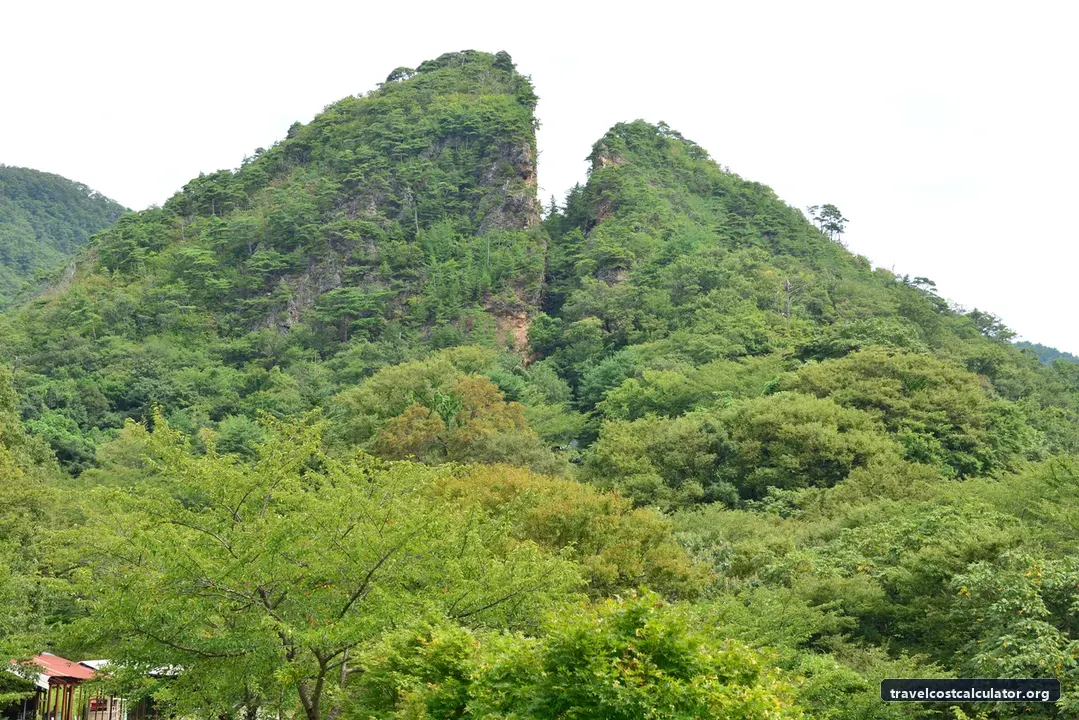
The defining visual emblem of Sado Kinzan is Doyu no Warito (The Split Travel Budget Mountain Peak). Over centuries of manual open-cast mining, workers literally hacked a massive mountain summit in half, leaving behind a dramatic V-shaped gorge visible across the island today. The mine ceased operations in 1989 after producing over 78 tons of gold and 2,330 tons of silver, leaving behind over 400 kilometers of underground tunnels—a distance roughly equivalent to the stretch between Tokyo Travel Budget and Osaka.
🎟️ Entrance Fees, Opening Hours & Ticket Booking Tips
Visiting Sado Kinzan in 2026 is streamlined, but planning ahead ensures you select the right course for your travel style and mobility. The site is split into distinct self-guided and guided routes.
2026 Estimated Entrance Fees & Course Pricing
-
✦
Edo Period Tunnel Course (Sotaifu-mabu): Adult: ¥1,200 (~$8.00 USD) | Child: ¥600 (~$4.00 USD). Focuses on hand-carved tunnels, life-sized animatronic displays of Edo-era miners, and historical artifacts.
-
✦
Meiji Period Tunnel Course (Doyu-mabu): Adult: ¥1,200 (~$8.00 USD) | Child: ¥600 (~$4.00 USD). Features the modern shaft, early 20th-century mining machinery, and direct outdoor access to the Doyu no Warito split mountain viewing deck.
-
✦
Combination Ticket (Edo + Meiji Tunnels & Museum): Adult: ¥2,000 (~$13.30 USD) | Child: ¥1,000 (~$6.65 USD). Recommended for most visitors.
-
✦
Guided VR & Underground Adventure Tours (Advance Booking Required): Adult: ¥3,500 – ¥4,500 (~$23.30 – $30.00 USD). Includes specialized equipment (helmets, headlamps) to explore restricted historical shafts not open to standard ticket holders.
Opening Hours & Seasonal Schedules
The complex is open year-round, though hours vary slightly by season:
-
✦
April to October: 8:00 AM – 5:30 PM (Last admission at 5:00 PM)
-
✦
November to March: 8:30 AM – 5:00 PM (Last admission at 4:30 PM)
Insider Booking Tips for 2026
While standard tunnel tickets can be purchased at the main ticket office on arrival, guided adventure tours must be booked online at least 3 to 7 days in advance via the official site or local tourism portals due to strict visitor caps designed to protect the UNESCO structure. English audio guides are available for rental at the entrance for ¥500 (~$3.30 USD), though multi-language smartphone web apps have been introduced across the site with free Wi-Fi spots at key displays.
🚌 How to Get There & Local Transit Costs
Reaching Sado Island requires a combination of high-speed train and ferry travel. Because Sado is an island, timing your transit transfers is critical for a smooth day trip or overnight journey from the Japanese mainland.
Step 1: Tokyo to Niigata City
From Tokyo Station, take the JR Joetsu Shinkansen (bullet train) to JR Niigata Station.
Time: ~120 minutes.
Cost: ~¥10,780 (~$72.00 USD) one-way. Fully covered by the JR East Pass (Nagano/Niigata area).
Step 2: Niigata Station to Niigata Ferry Port
From Niigata Station (Bandai Exit), board the Niigata Kotsu local bus bound for Sado Kisen Ferry Terminal.
Time: ~15 minutes.
Cost: ¥260 (~$1.75 USD) one-way. Taxis cost approximately ¥1,600 (~$10.70 USD).
Step 3: Crossing to Sado Island (Ryotsu Port)
Sado Kisen operates two primary vessel types from Niigata Port to Ryotsu Port on Sado Island:
-
✦
Car Ferry (Budget Option): Takes ~2.5 hours. 2nd-Class adult ticket costs approximately ¥3,600 (~$24.00 USD) one-way. Offers tatami seating areas and open deck viewing.
-
✦
Jetfoil Hydrofoil (Speed Option): Takes ~67 minutes. Adult ticket costs approximately ¥7,800 (~$52.00 USD) one-way. Fully enclosed, high-speed travel with reserved seating. Pre-booking ferry tickets during May Golden Week and August Obon is mandatory.
Step 4: Ryotsu Port to Sado Kinzan (Local Transit on Island)
Once you arrive at Ryotsu Port, you have two primary transit choices:
-
✦
Local Bus (Niigata Kotsu Sado): Take the Main Line (Honsen) bus from Ryotsu Port toward Aikawa, transferring to the Sado Kinzan Line at Aikawa bus stop (or take a direct seasonal express bus).
Time: ~60–75 minutes.
Cost: ~¥840 – ¥1,000 (~$5.60 – $6.70 USD) one-way. A 1-Day Island Bus Pass costs ¥1,500 (~$10.00 USD). -
✦
Rental Car (Recommended): Rental shops (Times Car Rental, Nippon Rent-A-Car) operate right outside Ryotsu Port.
Cost: ~¥6,500 – ¥9,500 (~$43.00 – $63.00 USD) per 24 hours including basic insurance. Driving across the island to the mine takes roughly 45 minutes along Route 350.
📸 Best Photography Spots & Insider Visit Hacks
Capturing the scale of the Sado Island Gold Mines requires knowing where to shoot and how to manage underground lighting. Temperatures inside the tunnels remain a constant 10°C to 12°C (50°F–53°F) year-round, so pack a light jacket even in mid-summer!
Top Photography Locations
-
✦
Doyu no Warito (The Split Peak): The most iconic shot on Sado Island. Walk to the outdoor observation deck past the exit of the Meiji tunnel (Doyu-mabu). Use a mid-range zoom lens (24-70mm equivalent) to highlight the dramatic V-shaped cut in the mountain ridge framing the blue sky.
-
✦
Kitazawa Flotation Plant (Kitazawa Fuyo Shisetsu): Located just 5 minutes down the hill from the main mine entrance. This massive, abandoned industrial ore-processing facility is overgrown with wild ivy and vines, earning it the nickname "The Laputa of Niigata." Shoot from the lawn across the river at dusk when the ruins are lit up with colorful LED lights.
-
✦
Edo Tunnel Animatronic Scenes: Capture atmospheric handheld shots of the mechanical Edo-period figures carving tunnels. Set your camera to a higher ISO (3200+) and wider aperture (f/2.8 or wider), as tripods are prohibited inside narrow tunnel pathways.
-
✦
The Gold Museum "Gold Bar Challenge": Inside the site museum, photograph yourself trying to pull an authentic, pure 12.5 kg gold bar out of a small acrylic display box within a 30-second window. If you extract it successfully, you earn a commemorative certificate!
Insider Visit Hacks
-
✦
Beat the Tour Buses: Major tour groups from the ferries typically arrive between 10:30 AM and 1:30 PM. Arrive right at opening (8:00 AM) or after 2:30 PM for quiet, crowd-free tunnel walks.
-
✦
Combine with Historic Aikawa Town: Don't leave the area immediately after the mine. Walk down into the historic Kyromachi district of Aikawa to see preserved Edo-era magistrate offices, timber townhouses, and local pottery studios producing unique Mumyoi-yaki (pottery made from red gold-mine clay).
-
✦
Seasonal Timing: Late April through May offers mild temperatures, cherry blossoms around the industrial ruins, and snow-capped peaks across the sea. October to November brings vibrant autumn leaves framing Doyu no Warito.
🏨 Nearby Accommodation & Daily Budget Allocation
Sado Island is large (roughly 1.5 times the size of Tokyo’s 23 wards), so staying near the west coast in the **Aikawa area** places you minutes from the Gold Mines and offers spectacular sunset views over the Sea of Japan.
Recommended Accommodations Near Sado Kinzan
-
✦
Budget ($35 – $65 USD / night): Sado International Youth Hostel or local family-run Minshuku (guesthouses) in Aikawa. Simple Japanese-style tatami rooms, shared baths, and friendly hospitality.
-
✦
Mid-Range ($110 – $190 USD / night): Aikawa Yamaki Hotel or Hotel Oado. Traditional ryokan-style accommodations featuring natural hot spring (onsen) baths with ocean views, Japanese yukata robes, and multi-course seafood dinners.
-
✦
Luxury / Boutique ($250 – $450+ USD / night): Ryokan Hananoki or premium oceanfront suites at top Sado resorts. Includes private open-air onsen baths and seasonal Kaiseki dining featuring fresh Sado snow crab, abalone, and local Wagyu beef.
Daily Budget Allocations (2026 Estimates per Person)
Backpacker / Low-Cost Tier: ~$75 – $95 USD (¥11,000 – ¥14,000 JPY) / day
-
✦
Transit: 1-Day Bus Pass (¥1,500) + Car Ferry Round Trip (pro-rated ¥3,600)
-
✦
Attractions: Combination Mine Ticket (¥2,000)
-
✦
Meals: Local ramen, Sado rice bowls, and convenience store snacks (¥3,000)
-
✦
Lodging: Budget Minshuku or Hostel (¥5,000 – ¥6,500)
Flashpacker / Mid-Range Tier: ~$180 – $260 USD (¥27,000 – ¥39,000 JPY) / day
-
✦
Transit: Shared Rental Car + Fuel (¥4,500 per person) + Jetfoil Ferry
-
✦
Attractions: Combo Ticket + VR Tour + Audio Guide (¥6,000)
-
✦
Meals: Fresh seafood sashimi lunch & local sake tasting (¥5,000)
-
✦
Lodging: Mid-range Onsen Ryokan with half-board meal plan (¥15,000 – ¥20,000)
Luxury / High-End Tier: ~$450+ USD (¥67,000+ JPY) / day
-
✦
Transit: Private Hire Taxi / Luxury SUV Rental + Round-trip Jetfoil Super-Class
-
✦
Attractions: Private guided historical mine tour & gold smelting workshop
-
✦
Meals: High-end seasonal Kaiseki featuring Sado Red Snow Crab & Hokusetsu sake
-
✦
Lodging: Premium ocean-view Onsen Ryokan suite
Must-Try Local Food & Drink
While visiting Aikawa and the mine, sample Sado Koshihikari Rice (cultivated using pure mountain runoff water), fresh Benizuwai Crab, local yellowtail (Buri), and award-winning sake from Hokusetsu Sake Brewery (famous for supplying Chef Nobu Matsuhisa's global restaurants).
Frequently Asked Questions
Essential visitor FAQs for Sado Island Gold Mines
What is the entrance fee for Sado Island Gold Mines?
How much time do you need to explore Sado Island Gold Mines?
How do I get to Sado Island Gold Mines from the nearest city?
📊 Heritage Quick Specs
Visiting Japan on a Budget?
Calculate your full daily travel budget for Japan — including hotel costs, local transport, food, and sightseeing expenses.
View Japan Daily Travel Costs →Explore more UNESCO World Heritage Sites
🏛️ All 1,200+ Heritage Sites →