
 Japan
Japan
Sacred Island of Okinoshima and Associated Sites in the Munakata Region
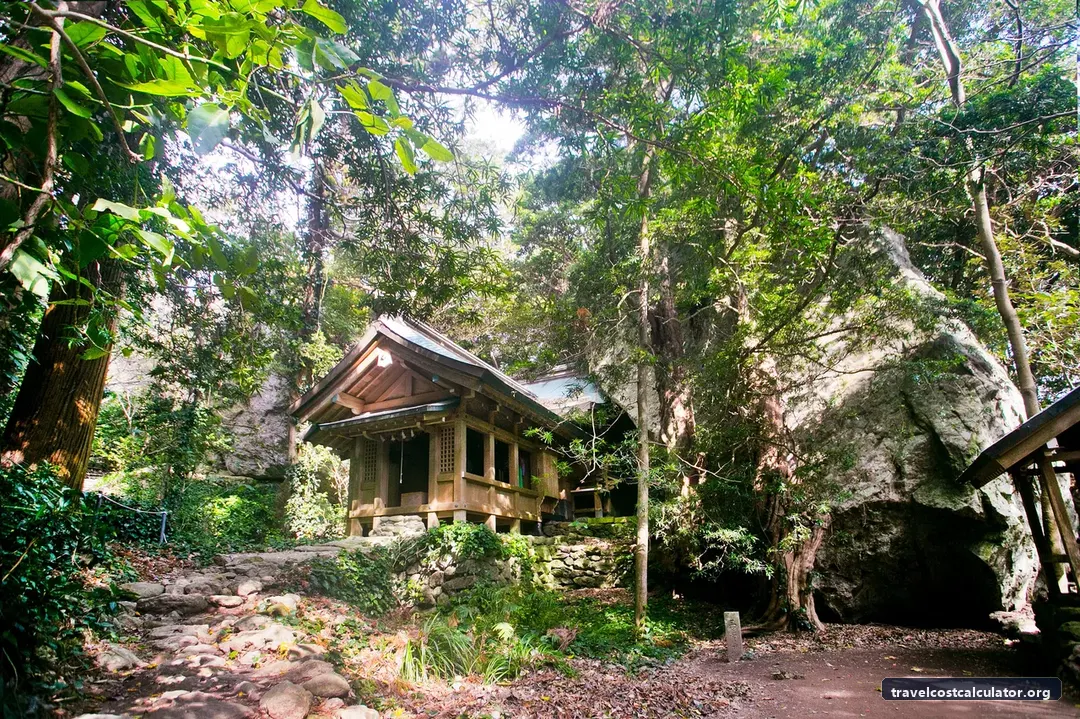
Located 60 km off the western coast of Kyushu island, the island of Okinoshima is an exceptional example of the tradition of worship of a sacred island.
Sacred Island of Okinoshima and Associated Sites in the Munakata Region
🏛️ Overview & Historical Significance
Inscribed as a UNESCO World Heritage site in 2017, the "Sacred Island of Okinoshima and Associated Sites in the Munakata Region" represents one of Japan's most extraordinary cultural landscapes. Located in Fukuoka Prefecture along the crucial trade routes between the Japanese archipelago and the Asian continent, this heritage cluster offers an unparalleled window into ancient Shinto nature worship and early East Asian maritime diplomacy spanning the 4th to 9th centuries AD.
At the center of this sacred tradition is Okinoshima, an isolated island situated roughly 60 kilometers off the northwestern coast of Kyushu in the Genkai Sea. Known colloquially as "The Island Where God Dwells," Okinoshima has been preserved through strict religious taboos maintained for over 1,500 years. Shinto priests belonging to the ancient Munakata clan performed elaborate rituals here to pray for safe sea travel. During these centuries of state-sponsored rituals, over 80,000 votive offerings were left untouched on the island. Every single one of these artifacts—including gold finger rings from Persia, Roman glass bowls, and gilded bronze horse trappings—has been excavated and designated as a National Treasure of Japan, earning Okinoshima the title of the "Shoso-in of the Sea."
The World Heritage designation encompasses a sacred network centered around the worship of the Three Goddesses of Munakata (daughters of the sun goddess Amaterasu):
-
✦
Okitsu-miya (Okinoshima Island): Dedicated to the goddess Tagorihime. Access to the island itself is strictly prohibited to the public. Since 2018, all civilian access—including the annual media-publicized ritual—was permanently suspended to protect the island's pristine ecosystem and sacred integrity. Only a solitary Shinto priest resides on the island in 10-day rotations.
-
✦
Nakatsu-miya (Oshima Island): Situated on Oshima, 11 kilometers off the coast, dedicated to Tagitsu-hime.
-
✦
Okitsu-miya Yohaisho (Oshima Island): A remote worship chapel on the northern shore of Oshima built specifically for devotions directed toward Okinoshima from afar.
-
✦
Hetsumi-miya (Mainland Kyushu): The primary administrative and spiritual mainland complex located in Munakata City, dedicated to Ichikishimahime.
-
✦
Shinzan and Katsuura Minamigaoka Kofun Clusters: Ancient burial mounds of the powerful Munakata clan who controlled the maritime trade routes and ritual traditions.
🎟️ Entrance Fees, Opening Hours & Ticket Booking Tips
Visiting the accessible components of the Munakata World Heritage site is straightforward, budget-friendly, and does not require advance reservation systems. Below are the estimated entry costs and operational details updated for 2026:
Munakata Taisha Hetsumi-miya (Mainland Shrine)
-
✦
Shrine Grounds Entry Fee: Free (Open 24 hours).
-
✦
Shinhokan Treasure Museum (Shinto Heritage Museum): 800 JPY (~$5.30 USD) for Adults; 500 JPY (~$3.30 USD) for High School/University Students; 400 JPY (~$2.70 USD) for Children. This museum is a non-negotiable stop, as it houses the actual National Treasures excavated from Okinoshima.
-
✦
Operating Hours: Main Shrine Office and Treasure Museum open daily from 9:00 AM to 5:00 PM (Last entry to museum at 4:30 PM).
Oshima Island Sites (Nakatsu-miya & Okitsu-miya Yohaisho)
-
✦
Grounds Entry Fee: Free (Open access daily).
-
✦
Ferry Transport (Konominato Port to Oshima): 570 JPY (~$3.80 USD) one-way for adults; 1,140 JPY (~$7.60 USD) round trip. Children pay half fare.
-
✦
Ferry Schedule: Ships operate approximately 6 to 7 times per day depending on the season. Always check weather forecasts, as high waves in the Genkai Sea can disrupt ferry departures.
Tsuyazaki Kofun Burial Mounds
-
✦
Entry Fee: Free open-air historical site, accessible during daylight hours.
Pro-Tip for 2026 Visitors: While cash (Japanese Yen) remains essential for local island buses and small food stalls on Oshima, major public transport connections accept contactless IC cards (such as Suica, ICOCA, and Nimoca). No advance ticketing is required for the museum or ferry, but arriving early in the morning guarantees a stress-free transition between train, bus, and ferry networks.
🚌 How to Get There & Local Transit Costs
The primary transit hub for reaching the Munakata region is Fukuoka City (Hakata Station). The journey involves a seamless combination of train, local bus, and a short ferry ride.
Step 1: Train from Fukuoka (Hakata Station) to Togo Station
Board the JR Kagoshima Main Line (Rapid or Local train) from Hakata Station to JR Togo Station.
-
✦
Travel Time: Approximately 30 to 35 minutes on a Rapid train.
-
✦
Fare: 570 JPY (~$3.80 USD) one-way. (Fully covered by the Japan Rail Pass).
Step 2: Bus from Togo Station to Hetsumi-miya Shrine
Exit JR Togo Station via the North Exit and proceed to Bus Stop 1. Take the Nishitetsu Bus bound for Konominato Port via Munakata Taisha.
-
✦
Disembarkation Point: Get off at the Munakata Taisha-mae bus stop.
-
✦
Travel Time: 12 minutes.
-
✦
Fare: 240 JPY (~$1.60 USD) one-way.
-
✦
Taxi Alternative: A taxi from Togo Station to Hetsumi-miya costs approximately 1,800 JPY (~$12.00 USD).
Step 3: Continuing to Oshima Island
To experience the remote island sites pointing toward Okinoshima, catch the Nishitetsu Bus from Hetsumi-miya to Konominato Ferry Terminal (10 minutes, ~200 JPY). From Konominato Port, board either the municipal ferry "Oshima" (passenger & vehicle ferry, 25 minutes) or the high-speed passenger boat "Seabirder" (15 minutes).
-
✦
Ferry Fare: 570 JPY (~$3.80 USD) one-way.
Getting Around Oshima Island
-
✦
Rental Electric Bicycles: Available at Oshima Port Terminal for 1,000 JPY (~$6.70 USD) per 3 hours. Essential for navigating the island's steep, hilly terrain to reach Okitsu-miya Yohaisho.
-
✦
Oshima Gran-Touring Bus ("Ganku"): Operates on weekends and peak tourist seasons, costing 300 JPY (~$2.00 USD) per single ride or 800 JPY (~$5.30 USD) for a 1-day pass.
📸 Best Photography Spots & Insider Visit Hacks
Photographing this World Heritage site requires understanding both its physical layout and Shinto spiritual etiquette. Because stepping onto Okinoshima is forbidden, capturing its essence relies on viewing it from designated sacred vantage points.
Top Photography Locations
-
✦
Okitsu-miya Yohaisho (Oshima Island): Positioned on the northern coast of Oshima, this secluded chapel directly faces Okinoshima across 49 kilometers of open ocean. On crisp, clear days, the silhouette of the sacred island rises dramatically on the northern horizon. Use a telephoto lens (200mm+) to frame the wooden Shinto gate (Torii) against the ocean and distant island.
-
✦
Takamiya Saijo (Hetsumi-miya Mainland): A peaceful, ancient open-air ritual space surrounded by towering cryptomeria and camphor trees. Located a short walk behind the main hall of Hetsumi-miya, this site retains its pre-shrine natural sanctuary atmosphere. Photography is permitted, but visitors must maintain quiet reverence.
-
✦
Mitake Observatory (Oshima Peak): A 20-minute hike from Nakatsu-miya to the top of Mount Mitake offers a sweeping 360-degree panorama of the Genkai Sea, coastal Fukuoka, and the sacred sea lanes.
-
✦
Tsuyazaki Kofun Burial Mounds: Visit at golden hour to capture the distinct keyhole profiles of these ancient earthwork tombs framed by surrounding agricultural fields.
Insider Visit Hacks for 2026
-
✦
Atmospheric Timing: Late autumn (October to November) and early spring (April to May) offer the clearest atmospheric visibility over the sea, vastly improving your chances of sighting Okinoshima from the Yohaisho lookout.
-
✦
Avoiding Crowds: Arrive at Hetsumi-miya by 8:30 AM before regional tour buses arrive around 10:30 AM.
-
✦
Shinto Etiquette: Always walk along the sides of the Sando (shrine approach pathways)—the center channel is traditionally reserved for the spirits of the deities. Photography inside the Shinhokan Treasure Museum is strictly prohibited.
🏨 Nearby Accommodation & Daily Budget Allocation
While many travelers visit Munakata as a day trip from Fukuoka City, staying overnight near the coast or on Oshima Island provides an authentic coastal retreat away from urban crowds.
Accommodation Options
-
✦
Budget Pick (Fukuoka Hub): Fukuoka Guest House & Hostel network near Hakata Station. Dorm beds and private micro-rooms range from 3,800 JPY to 6,000 JPY (~$25 to $40 USD) per night.
-
✦
Mid-Range Pick (Mainland/City Convenience): JR-Kyushu Hotel Blossom Hakata or local business hotels near Togo/Munakata Station. Comfortable private double rooms range from 10,500 JPY to 18,000 JPY (~$70 to $120 USD) per night.
-
✦
Authentic / Luxury Pick (Oshima & Coastal Ryokan): Traditional Minshuku (guesthouses) on Oshima Island or seafront Ryokan near Konominato Port. Expect rates between 27,000 JPY and 52,000 JPY (~$180 to $350 USD) per night, which include elaborate multi-course Shinto-inspired seafood dinners (Kaiseki).
Local Gastronomy
Munakata is famous throughout Kyushu for its pristine maritime seafood harvests. Must-try culinary specialties include:
-
✦
Munakata Anko (Monkfish Hotpot): A rich winter delicacy served in local coastal izakayas.
-
✦
Yari-ika (Translucent Spear Squid): Served fresh directly from Konominato Port, often served live-sliced as sashimi followed by tempura tentacles.
-
✦
Taimeshi (Sea Bream Rice): A regional staple featuring fresh sea bream steamed over seasoned rice. Lunch sets range from 1,500 JPY to 3,000 JPY (~$10 to $20 USD).
Estimated Daily Budget Breakdowns (2026 Rates)
-
✦
Backpacker / Budget Traveler: ~$65 USD (9,800 JPY) / day
- Transit (Train + Bus + Ferry): 2,200 JPY
-
✦
Attractions (Treasure Museum): 800 JPY
-
✦
Food & Casual Dining: 3,000 JPY
-
✦
Hostel Accommodation: 3,800 JPY
- Transit & E-Bike Rental: 3,500 JPY
- Private Taxi Transport & Ferry: 10,000 JPY
Frequently Asked Questions
Essential visitor FAQs for Sacred Island of Okinoshima and Associated Sites in the Munakata Region
Can tourists visit Okinoshima Island directly?
What is the entrance fee for the Munakata World Heritage sites?
How do I get to the Munakata World Heritage sites from Fukuoka?
📊 Heritage Quick Specs
Visiting Japan on a Budget?
Calculate your full daily travel budget for Japan — including hotel costs, local transport, food, and sightseeing expenses.
View Japan Daily Travel Costs →Explore more UNESCO World Heritage Sites
🏛️ All 1,200+ Heritage Sites →