
 Norway
Rock Art of Alta
This group of petroglyphs in the Alta Fjord, near the Arctic Circle, bears the traces of a settlement dating from c.
Rock Art of Alta
🏛️ Overview & Historical Significance
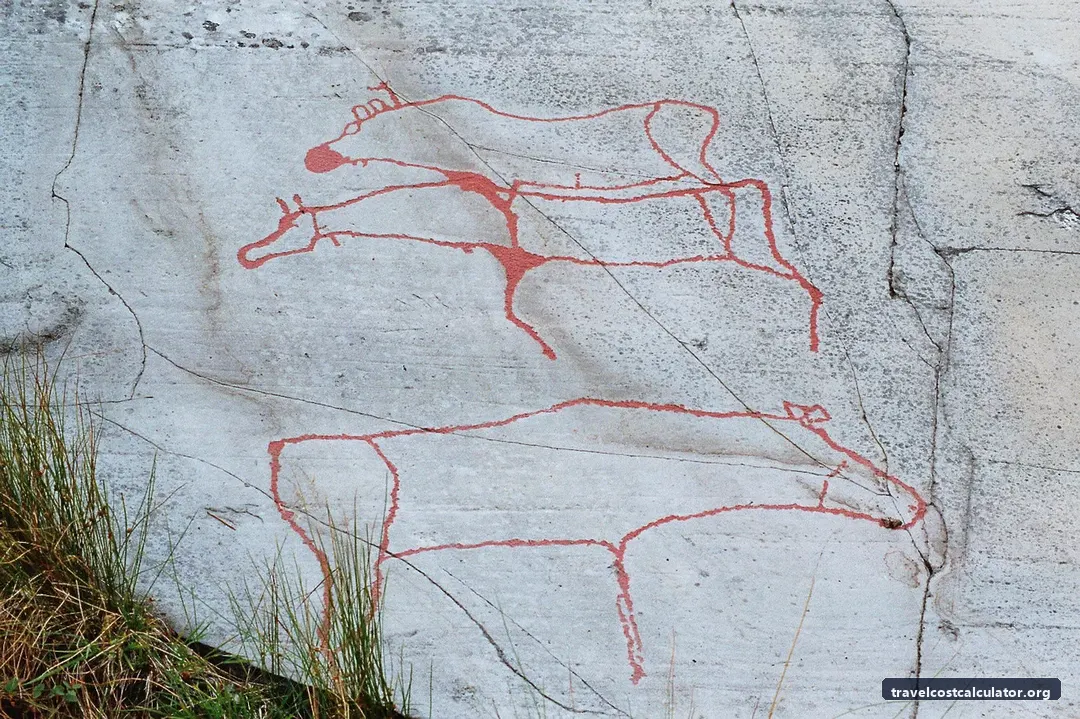
Perched along the sheltered shores of the Altafjord in Northern Norway, the Rock Art of Alta represents one of Northern Europe's most monumental archaeological treasures. Inscribed as a UNESCO World Heritage site in 1985, this exceptional landscape preserves over 6,000 individual petroglyphs (rock carvings) and painted pictographs dating from approximately 4200 BC to 500 BC. Spanning late Stone Age to early Iron Age Arctic societies, the carvings offer an unprecedented window into prehistoric cosmologies, hunting rituals, maritime navigation, and community life high above the Arctic Circle.
What sets Alta apart from other circumpolar rock art locations is its sheer concentration, artistic variation, and remarkable state of preservation across multiple prehistoric phases. As shoreline levels dropped over thousands of years due to post-glacial land uplift, hunter-gatherer communities carved new imagery progressively lower along the bedrock. Consequently, the rock face acts as a vertical timeline: the oldest carvings sit near the top of the coastal hills, while the youngest reside near the modern tide level.
The motifs depict an extraordinary range of human activities and Arctic wildlife. Visitors can spot detailed depictions of reindeer herds, brown bears, elks, whales, salmon, and seabirds, alongside hunter-gatherers wielding spears, rowing long boats, and engaging in shamanistic rituals. While early 20th-century conservators applied red iron oxide paint to select carvings to increase visibility for visitors, modern preservation philosophy leaves newly uncovered petroglyphs in their natural, unpainted state to protect the integrity of the rock surface. Managed by the Alta Museum (Verdensarvsenteret for bergkunst), this site remains a cornerstone of Arctic heritage research and indigenous Sami cultural history.
🎟️ Entrance Fees, Opening Hours & Ticket Booking Tips
Visiting the Rock Art of Alta requires a ticket through the Alta Museum World Heritage Centre, which grants access to both the indoor museum exhibitions and the 3-kilometer outdoor boardwalk loop where the petroglyphs are located. Ticket pricing varies significantly between the snow-free summer season and the Arctic winter.
2026 Estimated Admission Rates
-
✦
Adult Summer Ticket (Mid-May to Late September): 155 NOK (~$15.00 USD)
-
✦
Senior / Student Ticket (Summer): 130 NOK (~$12.50 USD)
-
✦
Child Ticket (Ages 6–15, Summer): 50 NOK (~$4.80 USD)
-
✦
Family Pass (2 Adults + up to 3 Children): 360 NOK (~$34.50 USD)
-
✦
Winter Ticket (October to Mid-May, Indoor Exhibitions Only): 100 NOK (~$9.50 USD) for Adults; 85 NOK (~$8.00 USD) for Students/Seniors; Free for Children under 16.
Opening Hours & Seasonal Logistics
-
✦
Peak Summer (June 1 – August 15): Daily from 08:00 to 20:00. The long daylight hours under the Midnight Sun allow for late evening strolls along the outdoor petroglyph paths.
-
✦
Shoulder Summer (Mid-May & Mid-August to September 30): Daily from 09:00 to 18:00.
-
✦
Winter Season (October 1 to Mid-May): Monday to Friday 09:00 to 15:00; Weekends 11:00 to 16:00. Note: Outdoor paths are snow-covered during winter and closed for walking, though indoor interactive digital galleries showcase 3D models of the rock art.
Pro Booking Tips for 2026
To avoid long queues when cruise ships dock in Alta, purchase your entry pass in advance through the official Alta Museum online portal. If you intend to spend several days exploring Northern Norway, check if your itinerary aligns with regional culture passes, though standalone online tickets remain the fastest method to secure entry. Request the free audio guide digital web app at reception upon entry to unlock interactive GPS-guided commentary at key carving stations.
🚌 How to Get There & Local Transit Costs
The Rock Art of Alta is situated at Hjemmeluft, approximately 4.5 kilometers southwest of central Alta (Sentrum). Alta is the largest town in Finnmark county and is well connected to major Scandinavian travel hubs.
Step 1: Arriving in Alta
The fastest entry point is Alta Airport (ALF). Daily direct flights arrive from Oslo Travel Budget (OSL) and Tromsø (TOS) via Scandinavian Airlines (SAS) and Norwegian. One-way flight prices in 2026 average between 1,200 NOK and 2,600 NOK ($115 – $250 USD) when booked 2–3 months ahead.
Step 2: Traveling from Central Alta to the Rock Art Site (Hjemmeluft)
-
✦
By Local Bus (Most Economical): Catch Snelandia Bus Line 1 or Line 2 from the Alta Sentrum bus terminal directly to the Alta Museum stop. The ride takes just 8 to 10 minutes. A single-zone bus fare in 2026 costs 42 NOK (~$4.00 USD) per adult and can be purchased via the Snelandia mobile app or directly on board using a contactless credit card.
-
✦
By Taxi: Local taxis operated by Alta Taxisentral run 24/7. A taxi ride from Alta Sentrum to the museum takes around 7 minutes and costs between 200 NOK and 240 NOK ($19 – $23 USD). Taxis from Alta Airport direct to the museum cost approximately 320 NOK ($30.50 USD).
-
✦
By Walking or E-Bike: A scenic, dedicated foot and cycle path runs along the shoreline from central Alta to Hjemmeluft. Walking takes about 50 to 60 minutes. E-bikes can be rented at central hotels or local outfitters for around 350 NOK (~$33.50 USD) per day.
-
✦
By Rental Car: Driving via the E6 highway takes under 5 minutes from town. The museum provides ample free parking for cars and motorhomes, equipped with EV charging stations.
📸 Best Photography Spots & Insider Visit Hacks
Top Photography Angles
-
✦
The Ole Pedersen Field: Located early along the wooden boardwalk circuit, this cluster features some of the clearest, most densely carved figures of reindeer, bear tracks, and hunters.
-
✦
Coastal Fjord Overlook Point: Position yourself near the upper pathway where a carved panel sits in the foreground with the dramatic, glass-like expanse of the Altafjord in the background.
-
✦
The Unpainted Rock Faces: Photograph the grey, unpainted sandstone panels using side-lighting techniques to capture the subtle relief cuts made thousands of years ago without relying on modern paint enhancements.
Lighting & Seasonal Timing Hacks
Lighting Matters: Midday sunlight can flatten the subtle grooves of unpainted carvings. For the sharpest photographic contrast, visit in the early morning (08:00–10:00) or late afternoon. On overcast days, diffuse light actually makes the unpainted petroglyphs easier to see and photograph than under direct, harsh sunshine.
The Midnight Sun Advantage: Visiting between June and July allows you to walk the outdoor track late in the evening under warm, low-angled polar sunlight. This low sun angle highlights the shallow depth of the rock engravings naturally.
Insect & Gear Preparation: Summer in Northern Norway brings swarms of Arctic midges and mosquitoes, especially on warm, windless days near the shore. Carry DEET-based bug spray and wear lightweight, long-sleeved clothing. Sturdy walking shoes are recommended, as the 3 km trail features wooden boardwalks, slight inclines, and stone steps.
🏨 Nearby Accommodation & Daily Budget Allocation
Alta offers accommodation options ranging from cozy riverside campsites to high-end design lodges. To help you budget your 2026 trip effectively, here is a breakdown across three primary budget tiers.
Recommended Places to Stay
-
✦
Budget: Alta River Camping / Holmen Hundesenter
Located a short drive from the centre, these facilities offer budget cabins, dorm beds, and tent pitches with shared kitchen facilities.
Rates: 750 NOK – 1,100 NOK ($70 – $105 USD) per night. -
✦
Mid-Range: Thon Hotel Alta or Scandic Alta
Modern, comfortable hotels centrally located in Alta Sentrum within easy reach of restaurants and public transit stops.
Rates: 1,600 NOK – 2,400 NOK ($150 – $230 USD) per night (includes Scandinavian breakfast buffet). -
✦
Luxury / Unique: Sorrisniva Arctic Wilderness Lodge
Situated along the Alta River, offering high-end river suites year-round and the famous Igloo Hotel during winter months.
Rates: 4,500 NOK – 7,800 NOK ($430 – $745 USD) per night.
Estimated Daily Budget Allocations (2026 Rates)
1. Budget Backpacker: ~$85 to $120 USD / day (900 – 1,250 NOK)
-
✦
Accommodation: Campsite or shared cabin (~$45 USD)
-
✦
Food: Self-catering via local supermarkets (Coop Extra, Rema 1000) (~$30 USD)
-
✦
Transit: Local Snelandia bus tickets (~$8 USD)
-
✦
Attractions: Museum admission (~$15 USD)
2. Mid-Range Traveler: ~$230 to $340 USD / day (2,400 – 3,550 NOK)
-
✦
Accommodation: 3-star central hotel (~$180 USD)
-
✦
Food: Lunch at Museum Café & dinner at a town bistro (~$75 USD)
-
✦
Transit: Taxis or rental car share (~$30 USD)
-
✦
Attractions: Museum entry + audio guide (~$20 USD)
3. Luxury / Premium Traveler: ~$550+ USD / day (5,750+ NOK)
-
✦
Accommodation: Wilderness Lodge / Igloo Hotel (~$450 USD)
-
✦
Food: Fine dining tasting menu featuring Arctic game & seafood (~$120 USD)
-
✦
Transit: Private rental car or chauffeured transfers (~$75 USD)
-
✦
Attractions: Guided private tour of Alta Museum & local rock art panels (~$80 USD)
Frequently Asked Questions
Essential visitor FAQs for Rock Art of Alta
What is the entrance fee for Rock Art of Alta?
How much time do you need to explore Rock Art of Alta?
How do I get to Rock Art of Alta from the nearest city?
📊 Heritage Quick Specs
Visiting Norway on a Budget?
Calculate your full daily travel budget for Norway — including hotel costs, local transport, food, and sightseeing expenses.
View Norway Daily Travel Costs →Explore more UNESCO World Heritage Sites
🏛️ All 1,200+ Heritage Sites →