
 Norway
Rjukan-Notodden Industrial Heritage Site
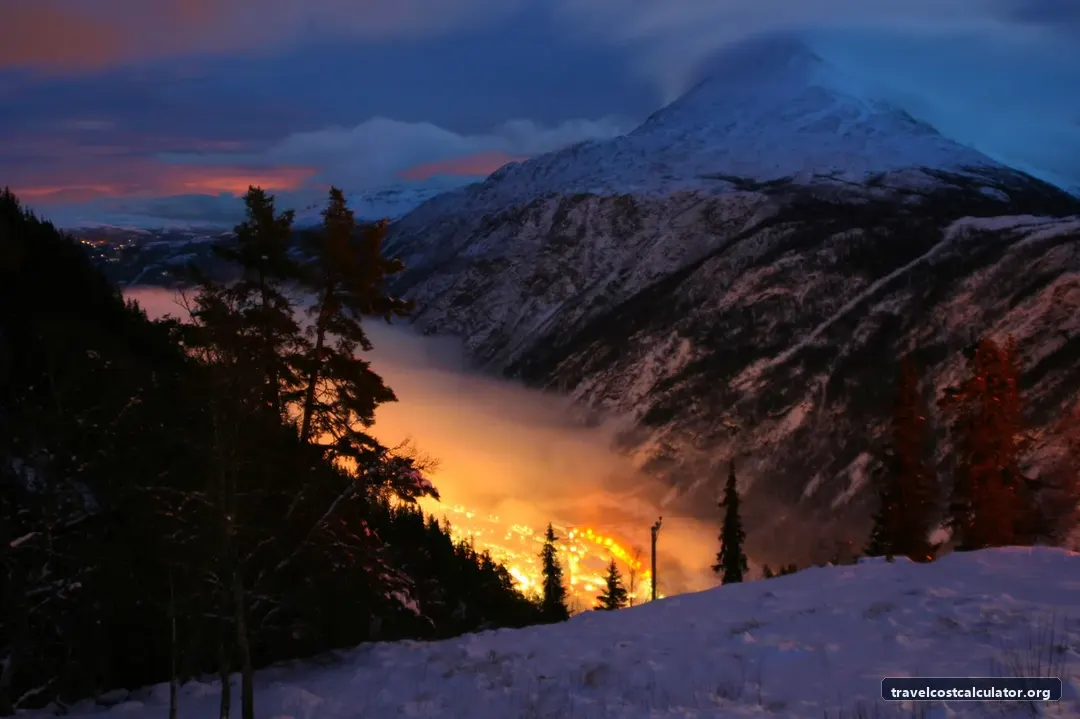
Located in a dramatic landscape of mountains, waterfalls and river valleys, the site comprises hydroelectric power plants, transmission lines, factories, transport systems and towns.
Rjukan-Notodden Industrial Heritage Site
🏛️ Overview & Historical Significance
Nestled within the dramatic, steep-sided valleys of Telemark, Norway, the Rjukan-Notodden Industrial Heritage Site stands as one of the most remarkable technical and cultural monuments of the modern world. Inscribed on the UNESCO World Heritage List in 2015, this site represents a pivotal turning point in global human history: the Second Industrial Revolution, when humanity first successfully harvested atmospheric nitrogen to create synthetic mineral fertilizer on an industrial scale, saving millions from global food shortages in the early 20th century.
The site spans an impressive 92-kilometer corridor extending from Lake Møsvatn down to Notodden. At its core, the heritage site showcases the brilliant collaboration between industrial visionary Sam Eyde and groundbreaking physicist Kristian Birkeland, who together founded Norsk Hydro. Utilizing the colossal force of mountain waterfalls, they engineered massive hydroelectric power plants, worker towns, electrochemical factories, and integrated rail and ferry transport networks deep inside a rugged wilderness.
Key Pillars of the UNESCO Designation
-
✦
Vemork Hydroelectric Power Station: Completed in 1911, Vemork was once the world's largest power station. It represents the apex of early 20th-century hydraulic engineering and modern electrical power distribution.
-
✦
The WWII Heavy Water Sabotage (Operation Gunnerside): Vemork was the backdrop for one of the most famous Allied commando raids of World War II. Norwegian saboteurs successfully blew up the plant's heavy water (deuterium oxide) production facility, dismantling Nazi Germany’s atomic weapons program.
-
✦
Pioneering Company Towns: Rjukan and Notodden were constructed from scratch based on progressive social and urban planning concepts, featuring functionalist architecture, green spaces, worker housing, and community facilities tailored for industrial labor.
-
✦
The Rjukan Railway & Lake Tinn Ferries: A seamless transport chain including the historic railway line and the world’s only surviving steam-powered railway ferry, the DF Ammonia.
🎟️ Entrance Fees, Opening Hours & Ticket Booking Tips
Visiting the Rjukan-Notodden Industrial Heritage Site involves exploring multiple key museums, power stations, and transport attractions spread across the valley. Below are the estimated admission rates and seasonal operating schedules for 2026.
1. Vemork – Norwegian Industrial Workers Museum (Norsk Industriarbeidermuseum)
Located in Rjukan, this is the flagship site featuring the power plant machine hall and the newly excavated Heavy Water Cellar exhibition.
-
✦
Adult Ticket: 195 NOK (~$18.50 USD)
-
✦
Student / Senior (67+): 150 NOK (~$14.25 USD)
-
✦
Child (6–17 years): 60 NOK (~$5.70 USD)
-
✦
Family Ticket (2 Adults + up to 3 Children): 450 NOK (~$42.75 USD)
-
✦
Opening Hours (2026): June 15 – August 31: 10:00 AM – 5:00 PM daily. September – May: 11:00 AM – 4:00 PM (Closed Mondays during winter).
2. Telemarksgalleriet & Lysbuen Industrial Museum (Notodden)
Situated in Notodden’s historic industrial complex (Tinnfoss), this venue showcases the genesis of Norsk Hydro and vibrant regional fine art collections.
-
✦
Adult Ticket: 140 NOK (~$13.30 USD)
-
✦
Student / Senior: 110 NOK (~$10.50 USD)
-
✦
Children under 16: Free
-
✦
Opening Hours: Tuesday – Sunday: 11:00 AM – 4:00 PM (Closed Mondays).
3. Krossobanen Cable Car
Northern Europe’s oldest aerial tramway, built in 1928 as a gift from Norsk Hydro so valley residents could catch winter sunlight on the Hardangervidda plateau.
-
✦
Adult Return Ticket: 185 NOK (~$17.50 USD)
-
✦
Child Return Ticket: 95 NOK (~$9.00 USD)
-
✦
Opening Hours: Runs daily every 30 minutes from 10:00 AM to 6:00 PM ( extended to 8:00 PM in peak summer).
Pro Booking Hacks for 2026
To maximize your budget and travel flexibility, consider these strategic tips:
-
✦
Buy the Telemark Heritage Combination Pass: Available online via the official museum portal, this pass grants discounted entry to both Vemork and Lysbuen for 280 NOK (~$26.50 USD), saving over 15% compared to individual tickets.
-
✦
Reserve Heavy Water Cellar Time Slots Online: Due to safety capacity limits inside the subterranean Heavy Water Cellar at Vemork, advanced online reservation is mandatory during peak summer months (July–August).
-
✦
Free Grounds Access: Walking across the iconic Vemork Suspension Bridge, exploring the outdoor industrial trail, and viewing the historic train ferries at Mæl Station is entirely free year-round.
🚌 How to Get There & Local Transit Costs
The heritage site sits approximately 175 km (108 miles) west of Oslo Travel Budget. Navigating the route via public transit or car is straightforward and highly scenic.
By Public Express Bus (Most Direct Route)
The most popular public transit option connects Oslo Central Station (Oslo S) to Rjukan via Notodden using regional express buses.
-
✦
Step 1: Take the Vy Express Bus NW180 (Telemarksekspressen) from Oslo Bussterminal to Notodden Skysstasjon. Duration: ~2 hours. Fare: ~260 NOK ($24.70 USD) single.
-
✦
Step 2: Transfer to local Vy Bus Line 185 connecting Notodden to Rjukan. Duration: ~1 hour 15 minutes. Fare: ~90 NOK ($8.50 USD) single.
-
✦
Total One-Way Transit Cost: ~350 NOK (~$33.20 USD) per person.
By Train & Bus Combination
If you prefer rail travel, board the local Vy regional train from Oslo S to Kongsberg Station (1 hour 15 minutes; ~210 NOK / $20 USD). From Kongsberg, board the connecting Line 185 bus directly to Notodden and Rjukan (1 hour 45 minutes; ~120 NOK / $11.40 USD).
By Rental Car or Electric Vehicle (EV)
Driving offers ultimate flexibility across the 92-kilometer UNESCO corridor. From Oslo, follow the E134 highway west toward Notodden, then transition onto Route 37 (Rv37) running along the eastern shore of Lake Tinn into Rjukan.
-
✦
Drive Time: Approximately 2.5 to 3 hours from central Oslo.
-
✦
Fuel / Toll Expenses (2026): Electronic AutoPASS tolls round-trip cost approximately 160 NOK (~$15.20 USD). Petrol costs around 22–24 NOK per liter ($7.90/gallon).
-
✦
EV Charging: Telemark is exceptionally EV-friendly. Fast-charging hubs (Recharge and Mer networks) are available at Notodden, Mæl, and central Rjukan. Expect to pay roughly 4.50–6.00 NOK per kWh.
📸 Best Photography Spots & Insider Visit Hacks
Top 4 Photography Locations
Capturing the scale of human engineering set against Norwegian wilderness requires precise timing and framing:
-
✦
1. Vemork Suspension Bridge & Hydroelectric Facade: Shoot from the bottom of the gorge looking upward at the industrial fortress perched on the cliff face. Early morning light avoids harsh harsh contrasts in the deep valley.
-
✦
2. The Sun Mirror (Solspeilet): Positioned 450 meters above Rjukan town square, these giant heliostat mirrors reflect sunlight into the town center during the 6 months of winter darkness. Capture the beam of light hitting the town square in late autumn or early spring.
-
✦
3. Gvepseborg Lookout (Krossobanen Upper Station): Ride the cable car to the top to photograph the breathtaking, unobstructed view of Mount Gaustatoppen (1,883m) looming over the narrow Rjukan valley floor. Golden hour creates magnificent shadows across the peaks.
-
✦
4. Lake Tinn Slipway at Mæl: Frame the historic steam ferry DF Ammonia against the glassy mirror reflection of Lake Tinn on a calm afternoon.
Insider Travel Hacks
-
✦
Pack Thermal Layers Regardless of Season: The Vemork Gorge and underground industrial cellars remain chillingly cool (often 8°C to 12°C / 46°F to 53°F) even during peak midsummer.
-
✦
Hike the Saboteur Trail (Sabotørstien): Retrace the actual 8-kilometer rugged route taken by the WWII Norwegian commandos from the high plateau down into the gorge to attack Vemork. Guided summer hikes provide unparalleled historical context.
-
✦
Beat the Summer Crowds: Tour buses typically arrive at Vemork between 11:30 AM and 2:00 PM. Plan your visit for opening time (10:00 AM) or late afternoon to experience the exhibits in tranquility.
🏨 Nearby Accommodation & Daily Budget Allocation
Whether staying in the historic heart of Rjukan, the lakeside town of Notodden, or high alpine resorts, travelers can find accommodations across all price ranges in 2026.
Recommended Accommodations
-
✦
Budget: Rjukan Camping & Hytter – Cozy, traditional wooden cabins located along the river. Basic cabins start at 680 NOK (~$64.50 USD) per night; camping pitches from 280 NOK (~$26.50 USD).
-
✦
Mid-Range: Rjukan Hotell or Park Hotel Notodden – Comfortable 3-star accommodations located right in town centers with full Scandinavian breakfast buffets included. Rates average 1,500 – 2,100 NOK (~$142 – $199 USD) per night double occupancy.
-
✦
Luxury / Alpine Resort: Gaustablikk Fjellresort – Located near the base of Mt. Gaustatoppen overlooking Rjukan. Offers modern Scandinavian design, floating saunas, wellness facilities, and high-end dining. Rates range from 2,400 – 3,900 NOK (~$228 – $370 USD) per night.
Estimated Daily Budget Breakdowns (Per Person, 2026 Prices)
| Expense Category | Backpacker / Budget | Flashpacker / Mid-Range | Luxury / Premium |
|---|---|---|---|
| Accommodation | 350 NOK ($33 USD) (Shared cabin/pitch) | 950 NOK ($90 USD) (3-star hotel Split Travel Budget) | 1,900 NOK ($180 USD) (Resort suite split) |
| Food & Dining | 250 NOK ($24 USD) (Grocery stores like Kiwi/Rema) | 600 NOK ($57 USD) (Cafes & casual dining) | 1,200 NOK ($114 USD) (Fine dining & drinks) |
| Transportation | 180 NOK ($17 USD) (Regional bus transit) | 350 NOK ($33 USD) (Rental car split + fuel) | 700 NOK ($66 USD) (Private driver/premium EV rental) |
| Sightseeing & Passes | 195 NOK ($18.50 USD) (Vemork entry) | 380 NOK ($36 USD) (Museum combo + Krossobanen) | 650 NOK ($62 USD) (All sites + Gaustabanen funicular) |
| TOTAL DAILY ESTIMATE | 975 NOK (~$92.50 USD) | 2,280 NOK (~$216.00 USD) | 4,450 NOK (~$422.00 USD) |
Frequently Asked Questions
Essential visitor FAQs for Rjukan-Notodden Industrial Heritage Site
What is the entrance fee for Rjukan-Notodden Industrial Heritage Site?
How much time do you need to explore Rjukan-Notodden Industrial Heritage Site?
How do I get to Rjukan-Notodden Industrial Heritage Site from the nearest city?
📊 Heritage Quick Specs
Visiting Norway on a Budget?
Calculate your full daily travel budget for Norway — including hotel costs, local transport, food, and sightseeing expenses.
View Norway Daily Travel Costs →Explore more UNESCO World Heritage Sites
🏛️ All 1,200+ Heritage Sites →