
 Honduras
Río Plátano Biosphere Reserve
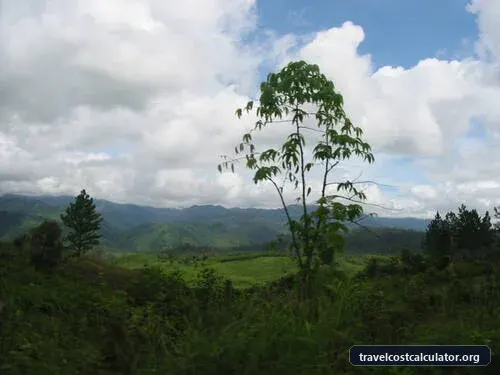
Located on the watershed of the Río Plátano, the reserve is one of the few remains of a tropical rainforest in Central America and has an abundant and varied plant and wildlife.
Río Plátano Biosphere Reserve
🏛️ Overview & Historical Significance
Inscribed as a UNESCO World Heritage site in 1982, the Río Plátano Biosphere Reserve represents one of the largest and most ecologically vital tracts of intact tropical rainforest in Central America. Spanning over 5,200 square kilometers across the remote La Mosquitia region of northeastern Honduras, this biosphere forms a critical anchor of the Mesoamerican Biological Corridor. The reserve protects a complete watershed extending from the rugged Maya Mountains down to the coastal wetlands of the Caribbean Sea, fostering an extraordinary gradient of ecosystems ranging from mangroves and pine savannas to lowland rainforests and cloud-draped mountain peaks.
UNESCO granted World Heritage status to Río Plátano due to its exceptional biodiversity and ancient cultural history. The reserve is home to endangered apex species including the jaguar, Baird's tapir, giant anteater, harpy eagle, green macaw, and the West Indian manatee. Beyond its natural wealth, the territory is deeply tied to human history. It is the ancestral homeland of Indigenous groups—primarily the Pech and Tawahka—as well as the Miskito and afro-Indigenous Garifuna communities, who have practiced sustainable forest management for centuries.
The reserve is also steeped in archaeological mystery. Hidden beneath its dense canopy are pre-Columbian ruins, including the famous petroglyphs of Piedras Pintadas along the riverbanks. The region has long been associated with the legend of La Ciudad Blanca (The Lost City of the Monkey God). Archaeological research using LiDAR technology confirmed the presence of complex, abandoned pre-Columbian urban settlements within the reserve's core zone.
As of 2026, the Río Plátano Biosphere Reserve remains on the UNESCO List of World Heritage in Danger—a designation active since 2011. The ecosystem faces ongoing threats from illegal logging, agricultural encroachment, and cattle ranching. Visiting the reserve through community-based tourism directly supports the Pech and Miskito families of Las Marías, providing an economic incentive to protect this wild frontier.
🎟️ Entrance Fees, Opening Hours & Ticket Booking Tips
Unlike traditional national parks, the Río Plátano Biosphere Reserve does not operate a standardized central visitor center or electronic turnstile. Access is managed through the ICF (Instituto de Conservación Forestal) in conjunction with local Indigenous Ecotourism Committees, primarily based in the village of Las Marías. Visitors must pay local community registration fees, environmental permits, and hire mandatory local guides.
Estimated 2026 Fees & Costs
-
✦
Community Registration & Conservation Fee: $15 USD (approx. 375 HNL) per visitor, paid upon arrival at the Las Marías Ecotourism Visitor Desk.
-
✦
Mandatory Indigenous Local Guide: $30 – $40 USD (750 – 1,000 HNL) per day per group (up to 4 people). Having a local Pech or Miskito guide is required for navigating upper river trails and archaeological zones.
-
✦
Local Pipante (Dugout Canoe) Rental & Captain Fee: $40 – $70 USD (1,000 – 1,750 HNL) per day for river transport into the core reserve area, depending on distance and fuel consumption.
Operating Hours & Access Rules
River travel and guided treks operate strictly during daylight hours, typically between 6:00 AM and 5:00 PM. Navigating the river or forest trails after dark is prohibited for visitor safety and wildlife protection.
Crucial Booking Tips for 2026
-
✦
No Credit Cards or ATMs: There are zero banking facilities in La Mosquitia. You must carry sufficient cash in Honduran Lempiras (HNL) or clean, undamaged US Dollar bills ($10, $20 denominations).
-
✦
Pre-Arrange Authorizations: Independent travel into the core zone requires registering in advance with the ICF office in La Ceiba or booking via a certified Honduran eco-tour operator. Unannounced arrivals can lead to delays in securing local boats and guides.
-
✦
Community Co-op Direct Payments: Always pay guide and boat fees directly to the Las Marías Ecotourism Committee to ensure funds reach local families.
🚌 How to Get There & Local Transit Costs
Reaching the Río Plátano Biosphere Reserve requires a multi-stage journey involving regional flights, coastal boats, and motorized dugout canoes (pipantes). The primary staging hub on the Honduran mainland is the coastal city of La Ceiba.
Step 1: La Ceiba to Palacios (The Gateway to La Mosquitia)
From La Ceiba, you must travel east into the roadless territory of La Mosquitia:
-
✦
By Air (Recommended): Regional carriers (such as Aerolíneas Sosa or small local air charters) operate domestic flights from La Ceiba's Golosón International Airport (LCE) to the airstrip at Palacios or Brus Laguna.
Estimated 2026 Cost: $110 – $150 USD (2,750 – 3,750 HNL) one-way. Flight duration is approximately 45 minutes. -
✦
By Overland & Coastal Cargo Boat (Budget/Adventures): Take a local bus from La Ceiba to Tocoa/Batalla, then transfer to a small coastal motorboat to Palacios.
Estimated 2026 Cost: $45 – $65 USD (1,125 – 1,625 HNL) total. Travel time is 10 to 14 hours and subject to rough sea conditions.
Step 2: Palacios to Raista / Ibans Lagoon
Upon landing in Palacios, transfer by local boat (colectivo) across the coastal wetlands and Ibans Lagoon to the eco-villages of Raista or Belén.
-
✦
Boat Fare: $10 – $15 USD (250 – 375 HNL) per person. Travel time: 30 to 45 minutes.
Step 3: Raista/Palacios to Las Marías (Core Reserve Entrance)
From the coast, you will travel up the Río Plátano to the Indigenous Pech settlement of Las Marías, which serves as the primary base for exploring the biosphere core.
-
✦
Motorized Pipante Journey: A specialized river canoe equipped with an outboard motor (and manual boatmen for shallow rapids) takes visitors upriver to Las Marías.
Estimated 2026 Cost: $35 – $60 USD (875 – 1,500 HNL) per person (depending on group size and current fuel prices). Travel time: 4 to 6 hours depending on water levels.
📸 Best Photography Spots & Insider Visit Hacks
The wilderness of Río Plátano offers dramatic rainforest scenery, traditional indigenous river craft, and rare wildlife photography opportunities. Photographing here requires specific gear preparation due to high humidity and water travel.
Top Photography Locations
-
✦
Piedras Pintadas (Painted Rocks): Located a short boat ride upriver from Las Marías, these massive riverbed boulders feature pre-Columbian petroglyphs carved centuries ago. Photograph them in the mid-morning light when the sun illuminates the carvings through the tree canopy.
-
✦
Pico Dama Outlook & Upper River Rapids: As you travel upstream toward the mountainous core, the river narrows between jungle-covered ridges. High points along the riverbanks offer shots of mist rising off the primary canopy.
-
✦
Ibans Lagoon at Sunset: The calm waters of Ibans Lagoon reflect vivid tropical sunsets, framed by traditional wooden cayucos (paddled canoes) and coastal coconut palms.
-
✦
Canopy Wildlife Trails around Las Marías: Early morning walking loops behind the village are prime locations for capturing toucans, scarlet macaws, howler monkeys, and poison dart frogs.
Insider Visit Hacks for 2026
-
✦
Pack Expedition-Grade Dry Bags: River transit in open pipantes exposes your gear to heavy spray and sudden tropical downpours. Store camera bodies and lenses in IPX8-rated waterproof dry bags with silica gel packs to combat humidity.
-
✦
Optimal Seasonal Timing: Visit during the drier season between February and May. During peak rainy months (October to December), river currents become dangerously swift, making pipante travel upriver impossible, and high water levels submerge the petroglyphs at Piedras Pintadas.
-
✦
Bring a Telephoto Lens & Rain Cover: Rainforest canopy wildlife is often high in the trees. A 300mm to 600mm lens paired with a waterproof lens rain cover is essential for bird and primate photography.
-
✦
Pack High-Strength Insect Repellent & Permethrin-Treated Clothing: Sandflies (chiggers) near coastal lagoons and mosquitoes in the forest are intense. Wear lightweight, long-sleeved clothing treated with permethrin and apply high-concentration Picaridin or DEET.
🏨 Nearby Accommodation & Daily Budget Allocation
Accommodation inside and near the Río Plátano Biosphere Reserve consists of community-run eco-lodges, simple village family stays (hospedajes), and basic forest campsites. There are no luxury resorts or chain hotels in La Mosquitia; tourism is strictly rustic and community-centered.
Accommodation Options
-
✦
Las Marías Community Lodges (Las Marías): Multi-room wooden eco-lodges operated by local Pech families (such as Hospedaje Cabañas Pech or Posada Las Marías). Rooms include basic beds, mosquito netting, and shared or bucket-flush bathrooms.
Estimated 2026 Rates: $20 – $35 USD (500 – 875 HNL) per night per room. -
✦
Raista Eco-Cabins (Coastal Lagoon Area): Simple wooden cabins run by Miskito community members near Ibans Lagoon, ideal for night stays before or after the river journey.
Estimated 2026 Rates: $15 – $30 USD (375 – 750 HNL) per night. -
✦
Expedition Wilderness Camping (Upper Core Zone): Multi-day river expeditions upriver past Las Marías involve camping in open-air shelters (tampis) with hammocks and mosquito nets provided by your guides.
Estimated 2026 Cost: Included in multi-day guide expedition packages ($70 – $110 USD per day including food and transport).
Dining & Local Food Costs
Meals are prepared fresh by local host families in Las Marías and Raista. Expect simple, nourishing meals built around fresh river fish, fried plantains, cassava (yucca), rice, red beans, coconut rice, and fresh fruit.
-
✦
Standard Breakfast/Lunch/Dinner: $5 – $10 USD (125 – 250 HNL) per meal per person.
-
✦
Safe Drinking Water: Boiled or filtered rain/well water is provided at lodges, but bringing water purification tablets or a hollow-fiber water filter (e.g., Sawyer Squeeze) is highly recommended.
Estimated Daily Budget Breakdowns (2026)
Budget Backpacker (Independent Explorer)
-
✦
Accommodation: $20 USD (Shared/basic room)
-
✦
Meals & Water: $20 USD (3 home-cooked village meals)
-
✦
Transport (Amortized pipante/boat costs): $25 USD
-
✦
Guide & Community Fees: $15 USD
-
✦
Total Estimated Daily Budget: $80 – $100 USD / day
Mid-Range / Expeditions (Guided Multi-Day Trek)
-
✦
Accommodation: $30 USD (Private eco-cabin)
-
✦
Meals & Beverages: $30 USD (Full board with fresh juices)
-
✦
Transport (Private motor pipante + domestic flight amortization): $90 USD
-
✦
Private Indigenous Guide & Entrance Fees: $40 USD
-
✦
Total Estimated Daily Budget: $190 – $260 USD / day
Frequently Asked Questions
Essential visitor FAQs for Río Plátano Biosphere Reserve
What is the entrance fee for Río Plátano Biosphere Reserve?
How much time do you need to explore Río Plátano Biosphere Reserve?
How do I get to Río Plátano Biosphere Reserve from the nearest city?
📊 Heritage Quick Specs
Visiting Honduras on a Budget?
Calculate your full daily travel budget for Honduras — including hotel costs, local transport, food, and sightseeing expenses.
View Honduras Daily Travel Costs →Explore more UNESCO World Heritage Sites
🏛️ All 1,200+ Heritage Sites →