
 Philippines
Rice Terraces of the Philippine Cordilleras
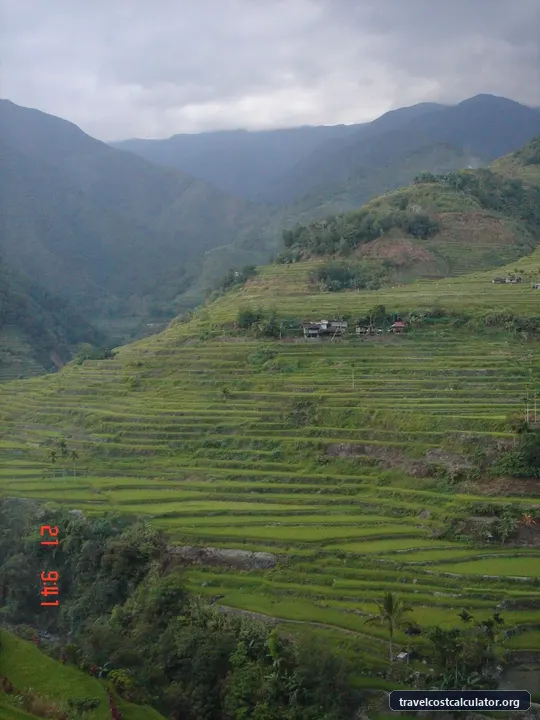
For 2,000 years, the high rice fields of the Ifugao have followed the contours of the mountains.
Rice Terraces of the Philippine Cordilleras
🏛️ Overview & Historical Significance
Carved into the steep contours of the Cordillera Central mountain range on the island of Luzon, the Rice Terraces of the Philippine Cordilleras represent one of humanity's most extraordinary engineering achievements. Inscribed as a UNESCO World Heritage site in 1995, this dramatic landscape is celebrated not merely as an ancient monument, but as an enduring, living cultural landscape continuously cultivated by the indigenous Ifugao people for over two millennia.
Unlike monolithic stone monuments built by centralized empires, these terraces were constructed entirely by hand using primitive stone and mud tools, guided by collective ancestral knowledge passed down through oral traditions. The UNESCO designation specifically covers five distinct, pristine clusters within the Ifugao province:
-
✦
Batad Terrace Cluster: Famous worldwide for its dramatic, amphitheater-like layout cradling a traditional Ifugao village.
-
✦
Bangaan Terrace Cluster: A picturesque cluster backdropping a traditional hamlet, showcasing harmony between domestic life and agriculture.
-
✦
Mayoyao Terrace Cluster: Renowned for its unique stone-walled terraces interlaced with traditional timber rice granaries (bale).
-
✦
Hungduan Terrace Cluster: A sprawling network of stone barrier terraces that step dramatically down to rushing riverbeds.
-
✦
Nagacadan Terrace Cluster: Located in Kiangan, featuring twin terrace bands separated by a natural river canyon.
Traveler Note: A common misconception among international visitors is that the easily accessible "Banaue Main Viewpoint" is the primary UNESCO site. While iconic, the actual UNESCO World Heritage designation specifically protects the five clusters listed above due to their architectural integrity and unbroken agricultural continuity. The Ifugao’s intricate gravity-fed irrigation system—which channels water from high-altitude rainforest tops straight into individual paddy levels—stands as a masterclass in sustainable land management, earning the terraces the poetic title of the "Eighth Wonder of the World."
🎟️ Entrance Fees, Opening Hours & Ticket Booking Tips
Because the Cordillera Rice Terraces span active rural municipalities rather than an enclosed national park, access logistics differ from standard tourist attractions. Visiting requires small municipal environmental registration fees, local heritage contributions, and licensed local guide services.
2026 Estimated Costs & Logistics
-
✦
Banaue Municipal Environmental Fee: ₱100 PHP (~$1.75 USD per person). Paid at the main Banaue Tourism Office upon entry into town. Keep your receipt; it is checked at local control checkpoints.
-
✦
Batad Cultural Heritage & Environmental Fee: ₱100 PHP (~$1.75 USD per person). Collected at the Batad Information Center at the Saddle entry point.
-
✦
Bangaan / Kiangan / Mayoyao Heritage Fees: ₱50 – ₱100 PHP (~$0.90 – $1.75 USD per cluster).
-
✦
Mandatory Local Trekking Guide Fees:
- Batad Day Trek (Viewpoint & Tappiya Falls): ₱1,200 – ₱1,500 PHP (~$21 – $27 USD) for a group of up to 5 people.
-
✦
Full-Day Multi-Terrace Trek (Batad to Cambulo/Bangaan): ₱2,000 – ₱2,800 PHP (~$35 – $50 USD) per day.
Opening Hours & Booking Guidelines
The outdoor terrace clusters are accessible 24 hours a day, 7 days a week, though hiking trails are strictly governed by daylight hours for safety (recommended activity hours are 6:00 AM to 5:00 PM). Municipal tourism centers operate daily from 6:00 AM to 6:00 PM.
Crucial Booking Advice for 2026: Advance online ticketing does not exist for terrace entry fees. You must register in person at the local tourism hub. However, overnight bus transit from Manila Travel Budget must be booked 2 to 4 weeks in advance during peak season (December through May). Bring ample physical cash (Philippine Pesos); there are very few functional ATMs in Banaue and zero ATMs or card machines in Batad or outer villages.
🚌 How to Get There & Local Transit Costs
Reaching the Cordillera mountains requires a long journey, but modern long-distance coaches and improved mountain roads make the trip comfortable and straightforward.
Step 1: Manila to Banaue (Long-Distance Night Bus)
The primary transit hub for international travelers is Manila (Ninoy Aquino International Airport - MNL). From Manila, board a direct overnight sleeper or semi-sleeper coach to Banaue Town.
-
✦
Primary Bus Operators: Coda Lines (departing from Cubao, Quezon City) and Ohayami Trans (departing from Sampaloc, Manila).
-
✦
Travel Duration: 9 to 10 hours overnight. Departure times typically fall between 8:00 PM and 10:30 PM, arriving in Banaue around 5:30 AM to 7:00 AM.
-
✦
Bus Fare (2026 Estimates): ₱950 – ₱1,250 PHP (~$17 – $22 USD) one-way per seat. VIP/Sleeper buses with on-board restrooms cost approximately ₱1,400 PHP (~$25 USD).
Step 2: Banaue Town to Batad Saddle
Once in Banaue, you must travel roughly 12 kilometers over rugged mountain terrain to reach the entry point for Batad (the most popular UNESCO cluster).
-
✦
Public Jeepney: Departs from Banaue market area to the Batad Saddle twice daily (around 9:00 AM and 3:00 PM). Fare: ₱150 PHP (~$2.70 USD) per person each way.
-
✦
Private Tricycle (Motorbike with Sidecar): Ideal for 1-2 passengers with luggage. Drops you directly at the Batad Saddle or Junction. Cost: ₱600 – ₱800 PHP (~$11 – $14 USD) one-way, or ₱1,200 PHP (~$21 USD) for round-trip waiting service.
-
✦
Private Hired Jeepney: Best for groups of 4+. Cost: ₱2,500 – ₱3,500 PHP (~$45 – $62 USD) round-trip.
Important Note: Roads end at the Batad Saddle. From the Saddle, all visitors must hike down a steep, stepped trail for 15 to 30 minutes to reach Batad Village and its accommodations.
📸 Best Photography Spots & Insider Visit Hacks
Prime Photography Angles
-
✦
Batad Amphitheater Upper Viewpoint: Located at the highest ridge of Batad Village, offering an sweeping panorama of the entire emerald bowl dropping into the canyon.
-
✦
Awan Igid Vantage Point: Provides a dramatic profile view of the terrace walls framing traditional thatched-roof bale huts.
-
✦
Tappiya Falls Base: Located behind the Batad ridge, this massive 70-meter waterfall crashes into a deep turquoise pool framed by sheer rock faces.
-
✦
Bangaan Roadside Overlook: Offers a wide-angle perspective of Bangaan village nestled cleanly inside a circular terraced depression.
Seasonal & Lighting Hacks
The appearance of the terraces changes dramatically depending on the agricultural cycle:
-
✦
Emerald Green Season (March to May & October to November): The rice plants are tall, healthy, and deep green. Highly recommended for vibrant photography.
-
✦
Golden Harvest Season (June to July): Terraces turn brilliant shades of gold and amber just before the harvest.
-
✦
Reflective Mirror Season (December to February): Paddy fields are flooded with water post-harvest/planting, reflecting the sky and mountain mist like glass mirrors.
-
✦
Monsoon Warning (July to September): Heavy rain, fog, and potential landslides can obscure views and make narrow stone paths slippery and dangerous.
Golden Hour Tip: Shoot early in the morning between 6:30 AM and 8:30 AM. Low-hanging valley mist rises over the terraces, creating atmospheric lighting before intense midday heat and harsh sunlight settle in.
🏨 Nearby Accommodation & Daily Budget Allocation
Accommodations in the Cordilleras prioritize authentic local hospitality over luxury amenities. Electricity and Wi-Fi can be intermittent in deep mountain valleys, adding to the remote charm.
Recommended Accommodations
-
✦
Batad Village (Budget / Homestays):
Ramon’s Native Homestay & Restaurant: Offers traditional Ifugao wooden huts and simple private rooms overlooking the terraces. (₱700 – ₱1,500 PHP / $12 – $27 USD per night).
Batad Top View Homestay: Simple rooms with high panoramic views of the amphitheater. (₱600 – ₱1,200 PHP / $10 – $21 USD per night). -
✦
Banaue Town Center (Mid-Range Comfort):
Banaue Hotel & Youth Hostel: The historic, largest hotel in the area featuring hot showers, an outdoor swimming pool, and heritage shows. (₱2,800 – ₱5,500 PHP / $50 – $98 USD per night).
Native Village Inn: Located slightly outside Banaue town, featuring cozy cottages with dramatic cliffside terrace views. (₱3,000 – ₱4,800 PHP / $53 – $85 USD per night).
Estimated Daily Budget (Per Person - 2026)
| Expense Category | Backpacker / Shoestring | Mid-Range / Flashpacker |
|---|---|---|
| Lodging | ₱600 PHP ($10 USD) | ₱3,200 PHP ($57 USD) |
| Food & Drinks | ₱600 PHP ($10 USD) | ₱1,400 PHP ($25 USD) |
| Local Transit & Fees | ₱350 PHP ($6 USD) | ₱1,100 PHP ($20 USD) |
| Guide Services (Shared/Private) | ₱500 PHP ($9 USD) | ₱1,500 PHP ($27 USD) |
| Total Per Day | ₱2,050 PHP (~$35 USD) | ₱7,200 PHP (~$129 USD) |
Food Budget Note: Expect hearty, home-cooked local meals. Local specialties include Ifugao heirloom red rice, native fried chicken, continuous brewed mountain coffee, and local berry wines. Average meal prices in Batad homestays range from ₱200 to ₱350 PHP ($3.50 – $6.20 USD) per dish.
Frequently Asked Questions
Essential visitor FAQs for Rice Terraces of the Philippine Cordilleras
What is the entrance fee for the Rice Terraces of the Philippine Cordilleras in 2026?
How much time do you need to explore the Rice Terraces of the Philippine Cordilleras?
How do I get to the Cordillera Rice Terraces from Manila?
📊 Heritage Quick Specs
Visiting Philippines on a Budget?
Calculate your full daily travel budget for Philippines — including hotel costs, local transport, food, and sightseeing expenses.
View Philippines Daily Travel Costs →Explore more UNESCO World Heritage Sites
🏛️ All 1,200+ Heritage Sites →