
 Morocco
Rabat, Modern Capital and Historic City: a Shared Heritage
Located on the Atlantic coast in the north-west of Morocco, the site is the product of a fertile exchange between the Arabo-Muslim past and Western modernism.
Rabat, Modern Capital and Historic City: a Shared Heritage
🏛️ Overview & Historical Significance
Inscribed as a UNESCO World Heritage site in 2012, "Rabat, Modern Capital and Historic City: a Shared Heritage" represents one of the most sophisticated urban planning achievements in North Africa. Unlike historical imperial cities that sacrificed modern growth for antiquity, or modern capitals that demolished their heritage, Rabat stands as a unified, living synthesis of its 12th-century Islamic foundations and early 20th-century French modernism.
The site's global cultural value lies in the deliberate dialogue between two distinct architectural epochs:
-
✦
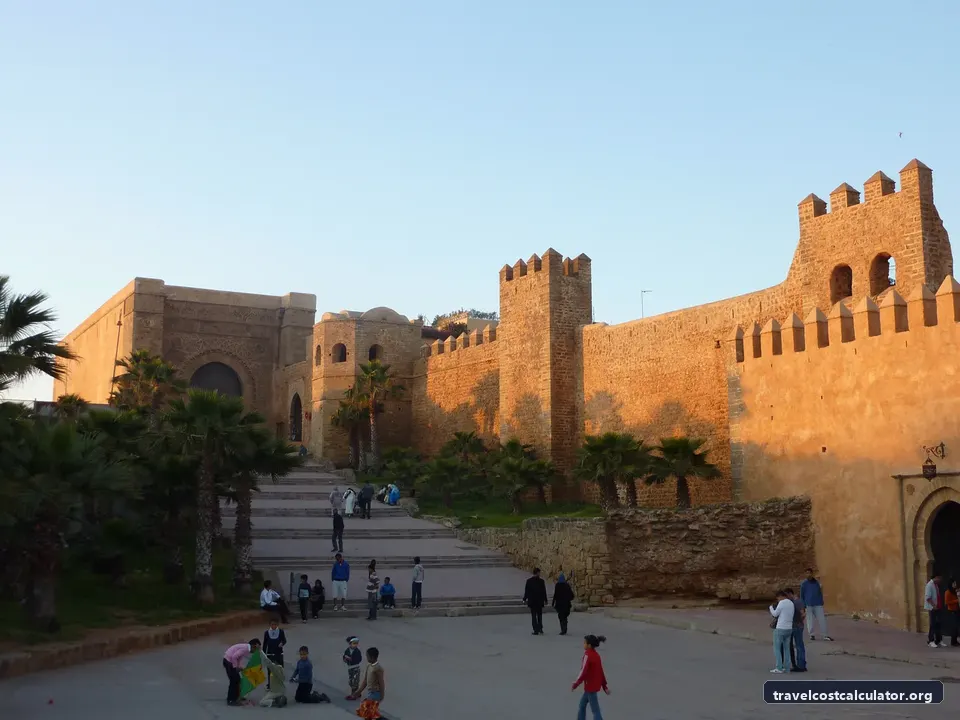
The Historic Realm: Anchored by the 12th-century Almohad Caliphate walls and gates, the monumental Hassan Tower (an unfinished 44-meter minaret designed to be the world's largest mosque), the fortified 17th-century coastal Kasbah of the Udayas, the 14th-century Merinid necropolis of Chellah, and the vibrant historic Medina Travel Budget created by Andalusian refugees.
-
✦
The Modernist Masterpiece (Ville Nouvelle): Designed under the French Protectorate from 1912 to the 1930s by urban planner Henri Prost and Resident-General Hubert Lyautey. This "New Town" pioneered modern urban planning, incorporating wide tree-lined boulevards, botanical gardens, public squares, decorative street lamps, and administrative buildings designed in the Mauresque style—a harmonious fusion of Art Deco, Neo-Classical, and traditional Moroccan decorative arts (zellige tiles, carved cedar, and plasterwork).
Rabat is an active, thriving national capital where Morocco's Royal Palace, Supreme Court, Parliament, and international embassies exist directly alongside ancient battlements. Visiting Rabat offers travelers a rare opportunity to walk through eight centuries of architectural evolution within a single, highly walkable city.
🎟️ Entrance Fees, Opening Hours & Ticket Booking Tips (2026 Estimates)
Exploring the open public spaces of Rabat's UNESCO zone—including the streets of the Ville Nouvelle, the exterior of the Royal Palace, the Almohad ramparts, the Medina, and the Kasbah of the Udayas—is completely free. However, specific monuments, gardens, and national museums require ticketed entry. In 2026, state-run cultural sites accept both physical dirham payments and digital contact-free credit/debit card transactions.
Key Monument & Museum Pricing for 2026
-
✦
Chellah Necropolis & Archeological Site: Standard Adult Ticket: 70 MAD (~$7.00 USD) | Ticket with Digital Smart Audio Guide: 120 MAD (~$12.00 USD). Opening Hours: Daily from 9:00 AM to 6:30 PM.
-
✦
Musée des Oudaïas (National Museum of Jewelry, inside Kasbah of the Udayas): Standard Entry: 70 MAD (~$7.00 USD). Opening Hours: Wednesday to Monday 10:00 AM to 6:00 PM (Closed Tuesdays).
-
✦
Hassan Tower & Mausoleum of Mohammed V: Free entry to the esplanade, minaret exterior, and internal viewing gallery of the mausoleum. Opening Hours: Daily from 8:00 AM to 6:00 PM (Mausoleum closes during Friday prayer times).
-
✦
Mohammed VI Museum of Modern and Contemporary Art (MMVI): General Admission: 50 MAD (~$5.00 USD) | Temporary Exhibitions: 70 MAD (~$7.00 USD). Opening Hours: Wednesday to Monday 10:00 AM to 8:00 PM (Closed Tuesdays).
-
✦
Jardin d'Essais Botaniques (Botanical Experimental Gardens): Standard Entry: 20 MAD (~$2.00 USD). Opening Hours: Tuesday to Sunday 9:00 AM to 6:30 PM.
Insider Booking & Logistics Tips
To avoid long wait times at the Chellah Necropolis, purchase e-tickets directly via the official Moroccan Ministry of Culture e-ticketing platform (accessible on mobile devices). During the hot summer months, visit outdoor sites like Chellah and the Kasbah of the Udayas during early morning hours (09:00 - 11:00 AM) or late afternoon, as shade is limited.
🚌 How to Get There & Local Transit Costs
Rabat is located along Morocco's northwestern Atlantic coast and is one of the most accessible cities in Africa, served by high-speed rail, regional trains, modern light rail, and international flight connections.
Getting to Rabat from Major Moroccan Cities (2026 Fares)
-
✦
From Casablanca:
- Al Boraq High-Speed Train (TGV): Departures every hour from Casablanca-Voyageurs station to Rabat-Agdal station. Journey time: 45 minutes. Ticket cost: 80 MAD – 120 MAD (~$8.00 – $12.00 USD) depending on class and advance booking.
-
✦
Regional TNR Train: Connects Casa-Port to Rabat-Ville station. Journey time: 55 minutes. Ticket cost: 45 MAD – 65 MAD (~$4.50 – $6.50 USD).
- Al Boraq High-Speed Train: Direct connection from Tanger-Ville to Rabat-Agdal. Journey time: 1 hour 20 minutes. Ticket cost: 150 MAD – 240 MAD (~$15.00 – $24.00 USD).
- Atlas Intercity Train: Direct service to Rabat-Ville or Rabat-Agdal. Journey time: 3 hours 30 minutes. Ticket cost: 120 MAD – 180 MAD (~$12.00 – $18.00 USD).
- Airport Express Shuttle Bus: Drops passengers directly at the Rabat-Ville train station. Fare: 25 MAD (~$2.50 USD). Runs every 45 minutes aligned with flight schedules.
Navigating Within Rabat
Rabat boasts clean, safe, and efficient public transit options for moving across the UNESCO zone:
-
✦
Tramway de Rabat-Salé (Lines T1 & T2): The sleek tram system runs directly through the UNESCO perimeter, connecting the Rabat-Ville train station, the Art Deco district, Hassan Tower, the Medina entrance, and across the Bou Regreg river into Salé. Single journey ticket: 6 MAD (~$0.60 USD). Reusable contactless transit cards are available at all tram stations.
-
✦
Petit Taxis (Blue Taxis): Small blue city taxis operate on digital meters (compteur). Base fare starts at 2.50 MAD, with standard rides inside the central UNESCO zone costing between 12 MAD and 25 MAD (~$1.20 – $2.50 USD). Always ensure the driver activates the meter upon entering.
📸 Best Photography Spots & Insider Visit Hacks
Rabat offers a visual contrast between sharp geometric Art Deco lines, soft blue-washed coastal fortresses, and classical Islamic stone masonry. To capture the best light and avoid large tour groups, plan your itinerary using the following locations:
Top Photography Angles
-
✦
Kasbah of the Udayas (Rue el-Jadida & Rue Chauvin): Wander the striking blue-and-white residential alleys early in the morning (around 08:00 AM). The interplay of vibrant blue walls, brass door knockers, and bougainvillea offers postcard-perfect street photography without crowd interference.
-
✦
Plateforme du Sémaphore (Kasbah Overlook): Positioned at the highest point of the Kasbah, this terrace provides panoramic views overlooking where the Bou Regreg River meets the crashing Atlantic Ocean waves, along with views of neighboring Salé and the modern Grand Theatre of Rabat.
-
✦
Esplanade of Hassan Tower: Visit during late afternoon (16:30 – 18:00). The warm setting sun casts golden hues across the reddish sandstone minaret and the forest of over 200 ancient stone columns. Capture lower-angle frames to incorporate the Royal Mounted Guards stationed in ceremonial attire outside the Mausoleum of Mohammed V.
-
✦
Chellah Necropolis Gardens: Photograph the ancient Roman ruins merged with medieval Merinid gatehouses. Look upward to capture the white storks that nest atop the ruined stone minarets between March and June.
-
✦
Grand Theatre of Rabat & Bou Regreg Promenade: Designed by the renowned architect Zaha Hadid, this fluid futuristic structure sits just across the UNESCO boundary along the riverfront, offering an incredible contrast shot when framed from the ramparts of the historic Kasbah.
Insider Travel Hacks
Beat the Heat & Atlantic Fog: Coastal Rabat experiences morning ocean mist (marine layer) during mid-summer. Schedule broad landscape shots for early afternoons once the sky clears. Spring (March–May) and Autumn (September–November) offer crisp blue skies with mild daytime temperatures around 22°C (72°F).
Cultural Etiquette: While Rabat is modern and cosmopolitan, dress modestly when visiting religious surroundings like the Esplanade of the Hassan Tower and Mausoleum (shoulders and knees covered). Non-Muslim visitors are welcome to view the inner tomb of Mohammed V from the elevated gallery, but entry into active prayer halls is prohibited.
🏨 Nearby Accommodation & Daily Budget Allocation
Staying within or adjacent to the UNESCO World Heritage perimeter allows you to explore major sights on foot. Accommodations range from historic traditional guest houses (Riads) inside the ancient Medina to modern international hotel chains located along the grand avenues of the Ville Nouvelle.
Accommodation Options
-
✦
Budget Hostels & Guesthouses: Located inside the Medina (e.g., Medina Social Club, Dar El Kébira Hostel). Standard dorm bed: $20 – $35 USD per night; Private budget rooms: $40 – $65 USD per night (includes traditional breakfast with mint tea, msemen, and fresh orange juice).
-
✦
Mid-Range Boutique Riads & City Hotels: Located near the Kasbah or central Ville Nouvelle (e.g., Riad Oudaya, Hotel Le Pietri, Riad Zayo). Stylish double rooms with Moroccan zellige decor: $80 – $150 USD per night.
-
✦
Luxury & Historic Properties: Located along the river or financial avenues (e.g., Fairmont La Marina Rabat-Salé, La Tour Hassan Palace, Villa Diyafa). High-end rooms and suites: $260 – $600+ USD per night.
Estimated Daily Budget Allocations (2026)
| Expense Category | Budget Traveler | Mid-Range Traveler | Luxury Traveler |
|---|---|---|---|
| Accommodation | $25 USD (Dorm bed/Budget room) | $100 USD (Boutique Riad) | $350 USD (5-Star Hotel) |
| Food & Dining | $12 USD (Street food, harira, bakery) | $35 USD (Riad dinners, sit-down tagines) | $110 USD (Fine dining fusion, wine) |
| Transportation | $2 USD (Tramway & walking) | $8 USD (Petit taxis & regional train) | $45 USD (Private chauffeur transfers) |
| Sightseeing & Museums | $5 USD (Chellah & free sights) | $15 USD (Chellah audio guide + MMVI) | $40 USD (Private guided tour + fees) |
| Total Estimated Daily Cost | $44 USD / day | $158 USD / day | $545 USD / day |
Frequently Asked Questions
Essential visitor FAQs for Rabat, Modern Capital and Historic City: a Shared Heritage
What is the entrance fee for Rabat, Modern Capital and Historic City: a Shared Heritage?
How much time do you need to explore Rabat, Modern Capital and Historic City: a Shared Heritage?
How do I get to Rabat, Modern Capital and Historic City: a Shared Heritage from the nearest city?
📊 Heritage Quick Specs
Visiting Morocco on a Budget?
Calculate your full daily travel budget for Morocco — including hotel costs, local transport, food, and sightseeing expenses.
View Morocco Daily Travel Costs →Explore more UNESCO World Heritage Sites
🏛️ All 1,200+ Heritage Sites →