
 China
China
Qinghai Hoh Xil
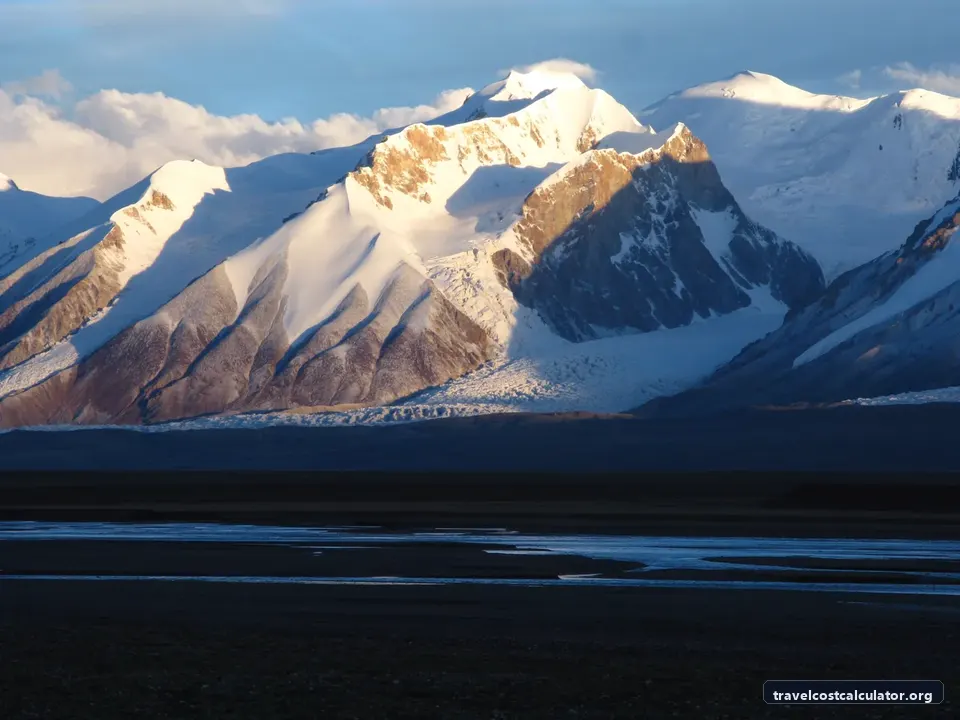
Qinghai Hoh Xil, located in the northeastern extremity of the Qinghai-Tibetan Plateau, is the largest and highest plateau in the world.
Qinghai Hoh Xil
🏛️ Overview & Historical Significance
Inscribed as a UNESCO World Natural Heritage Site in 2017, Qinghai Hoh Xil (also known as Kekexili, meaning "Beautiful Young Mountain" in Mongolian) represents one of the world's last remaining pristine wildernesses. Encompassing more than 3.7 million hectares across the northeastern segment of the Qinghai-Tibet Plateau, this extraordinary expanse sits at an average altitude exceeding 4,500 meters (14,760 feet) above sea level. It is the highest and largest alpine plateau site on Earth, characterized by vast permafrost landscapes, crystal-clear glacial lakes, dramatic alpine basins, and severe sub-zero weather conditions.
UNESCO awarded Hoh Xil World Heritage status due to its unmatched natural beauty and exceptional ecological value. The site harbors a unique, high-altitude alpine ecosystem that supports endemic wildlife found nowhere else on the planet. Most famously, Hoh Xil is the principal calving ground and migration corridor for the Tibetan Antelope (Chiru / Pantholops hodgsonii). Every spring, tens of thousands of female Chiru execute an ancient migration across rugged mountain terrain to give birth near Lake Zonag.
The history of Hoh Xil is also defined by courageous human sacrifice and environmental conservation. During the late 1980s and 1990s, illegal poaching driven by the lucrative global black market for Shahtoosh (an ultra-fine luxury wool woven from Chiru underfur) decimated the antelope population. Local hero Jiesang Sonam Dargye organized the "Wild Yak Brigade" to combat heavily armed poachers. His tragic death in 1994 sparked a national environmental movement in China, leading to strict federal protections, the establishment of nature reserves, and eventually the 2017 UNESCO inscription. Today, the Chiru population has made a triumphant recovery from near-extinction to over 300,000 individuals.
🎟️ Entrance Fees, Opening Hours & Ticket Booking Tips
Navigating Hoh Xil requires an understanding of strict Chinese ecological regulations. To protect this fragile biome and prevent high-altitude emergencies, unauthorized entry into the core uninhabited zone of Hoh Xil is strictly prohibited by law. Severe fines apply to anyone attempting off-road vehicle expeditions without official scientific permits. However, travelers can visit the accessible corridor along National Highway G109, which passes directly through the buffer zone of the heritage site.
-
✦
Highway Access Ticket Fee: Free ($0 USD / 0 RMB). Passing through Hoh Xil along National Highway G109 and visiting roadside viewing points does not require a general entrance ticket.
-
✦
Sonam Dargye Protection Station Visitor Center: Free ($0 USD / 0 RMB), though voluntary donations of ¥20 to ¥50 RMB ($3 to $7 USD) toward local wildlife protection and veterinary care are encouraged.
-
✦
Authorized Eco-Tour Day Passes & Permits (2026 Estimates): ¥600 – ¥1,200 RMB ($85 – $165 USD) per person. These organized day tours operating out of Golmud include registered high-altitude transport, local bilingual guide services, environmental permits, and emergency oxygen supplies.
-
✦
Opening Hours: The G109 highway corridor is open 24 hours a day, 365 days a year. Protection stations, visitor centers, and official viewing platforms operate daily from 08:30 to 18:00.
Essential 2026 Ticket & Permit Tips:
-
✦
Passport & Visa Checkpoints: Ensure you carry your original physical passport and a valid Chinese Visa. Multiple police and border security checkpoints operate along G109 (notably near Budongquan). Foreign passport holders must present identification and register with checkpoint personnel.
-
✦
Independent Travel vs. Guided Tours: While independent travelers can drive along G109 in a rental car, hiring a local driver or joining an eco-tour out of Golmud is highly recommended due to high-altitude driving hazards, sudden blizzards, and strict permit regulations.
🚌 How to Get There & Local Transit Costs
The primary gateway hub for visiting Hoh Xil is Golmud (格尔木 - Gé'ěrmù), a major logistics city in Qinghai Province located approximately 160 kilometers (99 miles) north of the Kunlun Mountain Pass.
Step 1: Arrive in Golmud
-
✦
By Air: Golmud Airport (GOQ) offers direct domestic flights from major transport hubs such as Xining, Chengdu, Beijing Travel Budget, and Xi'an Travel Budget. Flight Cost Estimator typically range from $90 to $220 USD (¥650 – ¥1,600 RMB) one-way.
-
✦
By Train: The iconic Qinghai-Tibet Railway links Xining to Golmud. A hard-sleeper train ticket costs around ¥200 RMB ($28 USD), while a soft-sleeper ticket costs approximately ¥320 RMB ($45 USD) (7-8 hour train ride).
Step 2: Travel from Golmud to Hoh Xil
-
✦
Private Chartered SUV / Driver (Most Popular): Hiring a 4WD vehicle with an experienced local high-altitude driver for a day trip (Golmud to Kunlun Pass & Sonam Dargye Protection Station and back) costs between ¥900 and ¥1,600 RMB ($125 – $220 USD) per day for the vehicle. This cost can be Split Travel Budget among up to 4 passengers.
-
✦
Qinghai-Tibet Railway Transit: Passengers traveling on the train from Golmud south toward Lhasa pass directly through Hoh Xil. Train cars feature pressurized oxygen supply systems and panoramic windows, crossing elevated viaducts over the nature reserve. A soft-sleeper segment ticket from Golmud to Nagqu costs roughly ¥300 RMB ($42 USD).
-
✦
Long-Distance Overland Buses: Local intercity coaches traveling from Golmud southward along G109 toward Yushu or Nagqu pass through Budongquan. One-way bus fares range between ¥80 and ¥150 RMB ($11 – $21 USD), though services are infrequent and drop-off points are remote.
📸 Best Photography Spots & Insider Visit Hacks
Prime Photography Locations
-
✦
Kunlun Mountain Pass (昆仑山口 - Elev. 4,767m / 15,640 ft): The official gateway to Hoh Xil. Features iconic stone monuments, colorful Tibetan prayer flags (*lungta*), and sweeping views of snow-capped peaks, including Yuzhu Peak (6,178m).
-
✦
Sonam Dargye Protection Station (索南达杰保护站): Located at kilometer post 2,998 on G109. Photograph the memorial dedicated to environmental martyrs, visit the small museum, and capture distant views of the open steppe where rescued antelopes and wild yaks roam.
-
✦
Qingshui River Bridge (清水河大桥): Stretching 11.7 kilometers (7.3 miles), this is one of the world's longest high-altitude railway bridges, built specifically on elevated stilts to allow wild animals to migrate freely beneath. Excellent spot to photograph high-speed trains against the vast plateau backdrop.
-
✦
Chumaer River & Tuotuo River Basins: Stunning braided river channels that cut through red clay and golden permafrost landscapes, offering magical mirror-like reflections during sunrise and sunset.
Insider Travel Hacks
-
✦
Acclimatization & Altitude Sickness (AMS): Ascending from Golmud (2,800m) to Hoh Xil (4,500m - 4,800m) within hours poses a serious risk of Acute Mountain Sickness. Rest in Golmud for 24 to 48 hours prior to your trip. Carry portable medical oxygen canisters (sold widely in Golmud for ¥30–¥50 RMB / $4–$7 USD per canister) and consult a doctor regarding preventative medication like Acetazolamide (Diamox).
-
✦
Telephoto Camera Lens: Wildlife viewing must be done from authorized roadside pullouts. Animals maintain a safe distance from humans. Bring a minimum 300mm to 600mm telephoto lens to capture sharp images of Tibetan antelopes, Kiang (wild asses), and wild yaks.
-
✦
Strict Drone & Wildlife Etiquette: Operating non-permitted commercial drones over protected wildlife zones is strictly illegal. Avoid honking car horns, making loud noises, or attempting to walk toward herds.
-
✦
Seasonal Timing:
- May to July: Best for witnessing the massive female Tibetan antelope calving migration.
-
✦
September to October: Offers the clearest skies, stable weather, vibrant autumn tundra hues, and snow-draped peak visibility.
-
✦
November to April: Extreme sub-zero temperatures (dropping below -30°C / -22°F), high risk of sudden blizzards, black ice, and road closures.
🏨 Nearby Accommodation & Daily Budget Allocation
Where to Stay
Due to the uninhabited and strictly protected nature of Hoh Xil, overnight tourist hotels do not exist inside the core reserve area. Travelers must establish a base in Golmud or use basic transit towns along G109.
-
✦
Golmud City (Recommended Base): Offers modern amenities, oxygen-enriched hotel rooms, and standard international and domestic accommodations. Options range from standard budget chains to luxury properties like the DoubleTree by Hilton Golmud or local 4-star options. Ensure your selected hotel holds a valid license to host foreign passport holders.
-
✦
Budongquan & Tuotuohe Town (Roadside Hostels): Basic truck-stop guest houses and Tibetan family lodges located along Highway G109. Rooms are rudimentary (often lacking private bathrooms or running water) with costs around ¥100 – ¥250 RMB ($14 – $35 USD) per night. Sleeping at these high elevations (4,500m+) can be difficult due to hypoxia.
Daily Budget Allocation (2026 Estimated Costs)
1. Budget Traveler: $50 – $85 USD (¥360 – ¥610 RMB) per day
-
✦
Accommodation: Budget hotel or shared twin room in Golmud ($20 – $35 USD).
-
✦
Meals: Local Qinghai lamb noodle soups, Lanzhou beef noodles, and Tibetan tea ($10 – $15 USD).
-
✦
Transport: Shared group vehicle or public coach along G109 ($20 – $35 USD).
2. Mid-Range Traveler: $160 – $280 USD (¥1,150 – ¥2,000 RMB) per day
-
✦
Accommodation: 4-Star hotel in Golmud with oxygen amenities ($60 – $100 USD).
-
✦
Meals: Authentic Tibetan yak meat hotpot and regional Chinese dining ($25 – $40 USD).
-
✦
Transport: Shared private 4WD SUV with driver among 2–3 friends ($75 – $140 USD per person).
3. Luxury / Private Guided Tour: $400 – $700+ USD (¥2,880 – ¥5,000+ RMB) per day
-
✦
Accommodation: Top-tier suite at Golmud’s premier international hotel ($150 – $250 USD).
-
✦
Meals: Gourmet regional dining and high-end catering ($50 – $90 USD).
-
✦
Transport & Services: Dedicated private 4WD Toyota Land Cruiser, expert bilingual wildlife naturalist guide, full medical-grade oxygen gear, and all legal permit handling ($200 – $360 USD per person).
Frequently Asked Questions
Essential visitor FAQs for Qinghai Hoh Xil
What is the entrance fee for Qinghai Hoh Xil?
How much time do you need to explore Qinghai Hoh Xil?
How do I get to Qinghai Hoh Xil from the nearest city?
📊 Heritage Quick Specs
Visiting China on a Budget?
Calculate your full daily travel budget for China — including hotel costs, local transport, food, and sightseeing expenses.
View China Daily Travel Costs →Explore more UNESCO World Heritage Sites
🏛️ All 1,200+ Heritage Sites →