
 Peru
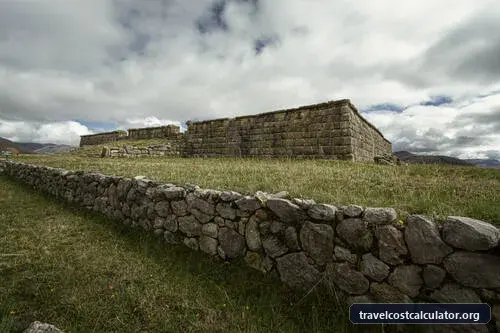
Qhapaq Ñan, Andean Road System
This site is an extensive Inca communication, trade and defence network of roads covering 30,000 km.
Qhapaq Ñan, Andean Road System
🏛️ Overview & Historical Significance
The Qhapaq Ñan (Quechua for "The Great Inca Road") is an extraordinary pre-Columbian engineering marvel spanning over 30,000 kilometers (18,600 miles) across South America. Inscribed as a UNESCO World Heritage Site in 2014, this transboundary road network represents one of the most sophisticated communication, defense, and trade infrastructures in human history. Constructed over centuries by pre-Inca cultures and masterfully expanded by the Inca Empire (Tahuantinsuyo) during the 15th century, the network linked snow-capped Andean peaks exceeding 6,000 meters (19,600 feet) above sea level down to rainforest valleys and arid Pacific coastal deserts.
UNESCO recognized the Qhapaq Ñan under multiple cultural criteria due to its outstanding universal value. The network facilitated the administrative, military, and economic unification of an empire that stretched across six modern nations: Peru, Bolivia, Ecuador, Colombia, Chile, and Argentina. Peru holds the heart of this ancient system, preserving over 6,000 kilometers of paved stone highways, stone staircases, retaining walls, side drainages, and legendary grass-suspension bridges (Q’eswachaka).
Along these roads, specialized royal runners known as chasquis operated in relay teams, transmitting verbal messages, quipus (knotted string record-keeping systems), and fresh goods across hundreds of kilometers in mere days. Roadside inns and storage complexes, known as tambos and collcas, were strategically stationed roughly every 20 kilometers—a day's walk—to supply imperial armies, pilgrims, and state officials. Today, walking a preserved section of the Qhapaq Ñan offers an unparalleled journey through living history, ancient engineering resilience, and staggering Andean landscapes.
🎟️ Entrance Fees, Opening Hours & Ticket Booking Tips
Because the Qhapaq Ñan spans thousands of kilometers across Peru, entrance fees, operating hours, and booking logistics depend heavily on the specific section you intend to visit. Below are the updated 2026 rates and rules for the most prominent access points:
1. The Classic Inca Trail Segment (4-Day Trek to Machu Picchu)
The most famous trek along the Qhapaq Ñan requires a strictly regulated government permit administered by the Peruvian Ministry of Culture and SERNANP.
-
✦
2026 Permit Cost: Integrated into licensed tour packages ranging from $650 to $950 USD (2,450 to 3,600 PEN) per person. This covers official trail entry fees (~292 PEN / $78 USD), certified guides, porters, camp fees, meals, and Machu Picchu entrance.
-
✦
Daily Permit Cap: Strictly limited to 500 permits per day (approximately 200 for tourists and 300 for support staff/guides).
-
✦
Booking Mandate: Permits for peak months (May through September 2026) open late in the preceding year and sell out months in advance. You cannot hike this section independently; you must book through an officially licensed agency.
2. Cusco Travel Budget Region Day Sites & Sacred Valley Connectors
Several pristine sections of the Qhapaq Ñan run through the Sacred Valley and Cusco environs (e.g., Chinchero to Urquillos, Tipón, Tambomachay, and Ollantaytambo).
-
✦
Boleto Turístico del Cusco (BTC Full Circuit): 130 PEN (~$35 USD). Valid for 10 days; covers 16 major archaeological sites linked by the road.
-
✦
Boleto Turístico (Partial Circuit): 70 PEN (~$19 USD). Valid for 1–2 days for specific circuits.
-
✦
Opening Hours: Sites generally open daily from 7:00 AM to 5:00 PM.
3. High-Plateau & Central Highland Segments (Huánuco Pampa, Vilcashuamán, Tarma)
For off-the-beaten-path explorers visiting ancient administrative hubs built along the Qhapaq Ñan in central Peru:
-
✦
Huánuco Pampa / Vilcashuamán Ticket Price: 15 PEN to 20 PEN (~$4.00 to $5.50 USD) for standard adult admission. Students/children: 5 PEN (~$1.35 USD).
-
✦
Opening Hours: Tuesday through Sunday, 8:00 AM to 4:30 PM (Closed Mondays).
2026 Booking Hacks: Always purchase tickets through the official Peruvian digital ticketing platform (tuboleto.cultura.pe) or verified agencies. Bring your original physical passport to all checkpoints—digital copies or photos are rejected at Qhapaq Ñan access stations.
🚌 How to Get There & Local Transit Costs
Cusco serves as the primary international gateway for accessing Peru's most popular Qhapaq Ñan trailheads, while Lima Travel Budget serves as the starting point for flights/buses to central highland trail hubs like Huánuco or Ayacucho.
Reaching Trailheads from Cusco (Southern Circuit)
-
✦
To Piscacucho / Km 82 (Classic Inca Trail Starting Point):
- Colectivo (Shared Minivan): Depart daily from Calle Pavitos in Cusco to Ollantaytambo for 10–15 PEN (~$2.70–$4.00 USD, 1.5 hours). From Ollantaytambo, a local taxi to Km 82 costs 50–70 PEN (~$13.50–$18.50 USD).
-
✦
Tour Operator Shuttle: Most booked 4-day trekking agencies include direct door-to-door bus pickup from your Cusco accommodation.
- Take a local combi from Calle Pavitos in Cusco toward Urubamba/Chinchero. Fare: 5–7 PEN (~$1.35–$1.85 USD, 45 minutes). The ancient stone highway descends directly from the village of Chinchero down into the Sacred Valley.
- Located roughly 3.5 hours south of Cusco. A full-day excursion bus tour averages 120–160 PEN (~$32–$43 USD) per person, including transport and light meals.
Reaching Central Highland Segments from Lima
-
✦
To Huánuco Pampa: Fly from Lima to Huánuco (1 hour, ~$60–$110 USD) or take a long-distance overnight coach bus (8–10 hours, 60–100 PEN / ~$16–$27 USD). From Huánuco city, take a shared minivan to La Unión (25–35 PEN / ~$7–$9 USD, 3 hours), where taxis run directly to the ruins of Huánuco Pampa (15–25 PEN / ~$4–$7 USD).
📸 Best Photography Spots & Insider Visit Hacks
Capturing the architectural majesty of the Qhapaq Ñan requires timing your shots to account for high-altitude sunlight and mountain mist. Here are the top photography locations and operational tips:
Top Photography Spots
-
✦
Warmiwañusqa (Dead Woman's Pass): Sitting at 4,215 meters (13,828 feet) on the Classic Inca Trail, this highest point offers panoramic framing of original Inca stone staircases slicing through misty alpine tundra (puna).
-
✦
Phuyupatamarca ("Town in the Clouds"): A breathtaking section of the Qhapaq Ñan where stone pathways lead down through intact ritual baths and cloud-forest agricultural terraces. Early morning light creates dramatic shadow play across the valley.
-
✦
Chinchero to Urquillos Ravine: A accessible, free-flowing section of paved Inca road descending through a red-rock gorge into the lush Sacred Valley. Mid-afternoon provides warmth and optimal directional lighting.
-
✦
Sayacmarca Ruins: Perched atop a razor-thin ridge, this fortress accessed via a curved cliff-side Inca stone staircase looks straight out of an adventure film.
Insider Visit Hacks for 2026
-
✦
Seasonal Timing: The ideal window to visit is the dry season from May to October. June, July, and August bring clear blue skies but colder nighttime temperatures. The shoulder months of April and May yield vibrant green landscapes with fewer crowds.
-
✦
The February Shutdown Rule: Note that the entire Classic Inca Trail section of the Qhapaq Ñan is strictly closed every February for environmental restoration, trail preservation, and maintenance. Plan accordingly!
-
✦
Acclimatization Strategy: Altitude sickness (soroche) can derail your trip. Spend at least 48 to 72 hours in Cusco (3,400m) or the Sacred Valley (2,800m) prior to embarking on any multi-day trek along the network. Drink coca tea, stay hydrated, and carry Sorojchi Pills or acetazolamide if recommended by your physician.
-
✦
Trekking Pole Regulations: If hiking on paved Qhapaq Ñan paths, regulations strictly require rubber protective tips on all trekking poles to prevent chipping and eroding original 500-year-old Inca stone work. Metal-tipped poles without rubber guards are confiscated at trail checkpoints.
🏨 Nearby Accommodation & Daily Budget Allocation
Most travelers base themselves in Cusco or villages across the Sacred Valley (such as Ollantaytambo or Urubamba) when exploring southern segments of the Qhapaq Ñan network.
Accommodation Options
-
✦
Budget Hostels (Cusco / Ollantaytambo): $12 to $25 USD (45 to 95 PEN) per night for a dorm bed; $35 to $50 USD (130 to 190 PEN) for a private room. Popular choices include Wild Rover, Pariwana Hostel, or local family guesthouses (hospedajes).
-
✦
Mid-Range Hotels: $75 to $150 USD (280 to 570 PEN) per night. Expect charming restored colonial mansions with courtyard heating, hot water, oxygen supplementation facilities, and free breakfast (e.g., Tierra Viva Cusco Plaza, El Albergue Ollantaytambo).
-
✦
Luxury Heritage Properties: $450 to $1,100+ USD (1,700 to 4,150+ PEN) per night. High-end choices like Belmond Hotel Monasterio or Palacio del Inka feature original Inca foundation walls, museum-grade art collections, and 5-star amenities.
Daily Budget Allocation (2026 Estimates per Person)
-
✦
Backpacker Budget Planner: $45 – $70 USD / day
- Hostel bed: $15–$25
-
✦
Local transport (combis/buses): $5–$8
-
✦
Food: $15–$20 (eating *menús del día* at local markets for 12–18 PEN per meal)
-
✦
Self-guided day hikes on public road sections
- 3-star hotel: $80–$130 (double occupancy Split Travel Budget)
- 5-star heritage hotel: $450–$900
Frequently Asked Questions
Essential visitor FAQs for Qhapaq Ñan, Andean Road System
What is the entrance fee for Qhapaq Ñan, Andean Road System?
How much time do you need to explore Qhapaq Ñan, Andean Road System?
How do I get to Qhapaq Ñan, Andean Road System from the nearest city?
📊 Heritage Quick Specs
Visiting Peru on a Budget?
Calculate your full daily travel budget for Peru — including hotel costs, local transport, food, and sightseeing expenses.
View Peru Daily Travel Costs →Explore more UNESCO World Heritage Sites
🏛️ All 1,200+ Heritage Sites →