
 Myanmar
Pyu Ancient Cities
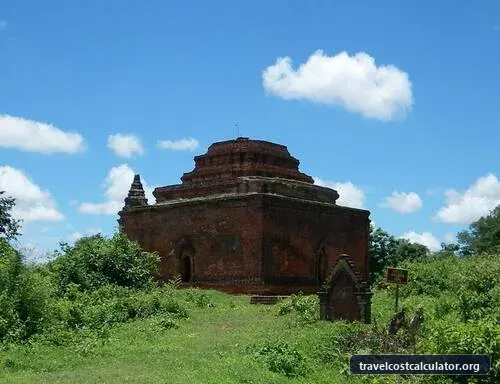
Pyu Ancient Cities includes the remains of three brick, walled and moated cities of Halin, Beikthano and Sri Ksetra located in vast irrigated landscapes in the dry zone of the Ayeyarwady (Irrawaddy) River basin.
Pyu Ancient Cities
🏛️ Overview & Historical Significance
Inscribed as Myanmar’s very first UNESCO World Heritage site in 2014, the Pyu Ancient Cities comprise the remains of three brick-built, moated, and walled urban centers: Sri Ksetra (near modern-day Pyay), Beikthano (near Taungdwingyi), and Halin (near Shwebo). Built by the Pyu people—a Tibeto-Burman speaking civilization that flourished in the dry zone of the Ayeyarwady (Irrawaddy) River basin between 200 BCE and 900 CE—these settlements mark the birth of urban civilization and Theravada Buddhist culture in Southeast Asia.
The UNESCO designation recognized the Pyu Kingdom for its pioneering innovations in hydraulic engineering, monumental brick architecture, and religious artistry. Centuries before the rise of the iconic Bagan Travel Budget Empire, the Pyu developed sophisticated irrigation canals, massive cylindrical brick stupas, and specialized mortuary practices involving terracotta urns and unique Pyu script inscriptions derived from South Indian Brahmi script. Sri Ksetra (meaning "City of Splendor") is the largest of the three sites, spanning over 1,400 hectares inside its original circular walls. Exploring these quiet, semi-excavated ruins offers travelers an off-the-beaten-path journey into ancient history unmatched by busier tourist destinations in the region.
🎟️ Entrance Fees, Opening Hours & Ticket Booking Tips
Visiting the Pyu Ancient Cities requires purchasing regional archaeological zone passes and site-specific museum tickets. As of 2026, pricing and entry logistics for international visitors are structured as follows:
-
✦
Sri Ksetra Archaeological Zone Pass: Approximately $10 – $12 USD (approx. 20,000 – 25,000 MMK). This ticket covers access to the main walled city ruins, ancient pagodas, and burial sites.
-
✦
Pyu Archaeological Museum Entry Fee: $3 USD (approx. 5,000 MMK), located at the main entry point to Sri Ksetra.
-
✦
Opening Hours: The open-air archaeological zones are open daily from 6:00 AM to 6:00 PM. The Pyu Archaeological Museum operates Tuesday through Sunday from 9:00 AM to 4:30 PM (closed on Mondays and national public holidays).
Essential Ticket Booking & Financial Tips:
-
✦
Cash is Mandatory: Digital payments and international credit cards are generally not accepted at site ticket booths. Carry pristine, unblemished USD banknotes or local Myanmar Kyat (MMK) obtained in Yangon Travel Budget or Mandalay Travel Budget.
-
✦
Visa Requirements Checker: International travelers entering Myanmar require a valid Tourist eVisa ($50 USD), which must be arranged online prior to arrival. Ensure your entry documentation is fully approved before organizing transit to rural heritage zones like Pyay.
-
✦
On-Site Guides: Official English-speaking local guides can be hired at the Sri Ksetra museum entrance for approximately $15 – $25 USD per half-day. Hiring a guide significantly enhances the experience, as many excavated brick sites lack detailed English signage.
🚌 How to Get There & Local Transit Costs
Because the Pyu site components are spread across central Myanmar, Sri Ksetra (via the town of Pyay) serves as the primary base for international visitors due to its robust transport links from Yangon.
Step 1: Transport to Pyay (Hub City)
-
✦
VIP Express Bus from Yangon: The most comfortable and efficient route is taking an express bus (such as Famous Express or Elite Express) from Yangon’s Aung San Gel Terminal to Pyay.
- Travel Time: 5 to 6 hours.
-
✦
Cost: $8 – $12 USD (18,000 – 25,000 MMK) one-way.
- Travel Time: 8 to 9 hours.
Step 2: Local Transit from Pyay to Sri Ksetra Ruins
Sri Ksetra is located approximately 8 kilometers (5 miles) southeast of downtown Pyay. Local transportation options include:
-
✦
Tuk-Tuk / Motorbike Taxi Hire: Renting a motorized tuk-tuk with a driver for the full day to navigate between distant pagodas and ruins costs around $12 – $18 USD (25,000 – 35,000 MMK).
-
✦
Bicycle Rental: Active travelers can rent a bicycle in Pyay town for $3 – $5 USD per day. Note that roads inside the ancient city are unpaved, dusty, and can be bumpy.
-
✦
Traditional Ox-Cart Tour: Inside the site, local villagers offer traditional ox-cart rides between the primary stupas for approximately $6 – $10 USD for 2–3 hours.
📸 Best Photography Spots & Insider Visit Hacks
Unlike the densely built temples of Bagan, Sri Ksetra features massive, isolated stupas rising out of agricultural fields, teak forests, and rural farmland. Achieving great photographs requires planning around light and distance.
Top Photography Spots
-
✦
Bawbawgyi Pagoda: A 47-meter-tall cylindrical brick stupa that represents one of the oldest standing Buddhist monuments in Southeast Asia. Shoot during the late afternoon golden hour to capture the warm brick tones against the vivid sky.
-
✦
Payagyi & Payama Pagodas: Distinctive conical, dome-shaped stupas located outside the main city walls. They provide excellent framed foregrounds for sunrise photos.
-
✦
Beikthano Palace Site Gateways: Architectural ruins featuring ancient brick ramparts, massive foundation stones, and early urban drain systems.
-
✦
Yahanda Gu (Arhat Cave): A small rock-hewn sanctuary containing ancient Pyu stone reliefs and statues.
Insider Visit Hacks
-
✦
Optimal Seasonal Timing: Visit during the cool, dry season from November to February when daytime temperatures hover around 28°C – 32°C (82°F – 90°F). Avoid the scorching heat of April and May, where temperature exceeds 40°C (104°F).
-
✦
Dress Code & Temple Etiquette: As active religious sites, modest clothing is mandatory. Shoulders and knees must be covered, and shoes and socks must be removed before stepping onto pagoda platforms. Slip-on shoes are recommended.
-
✦
Beat the Heat & Heat Exhaustion: Start your tour at sunrise (6:30 AM), rest during peak mid-day heat (12:00 PM – 3:00 PM), and return for late afternoon photography. Carry plenty of drinking water, sunscreen, and a wide-brim hat, as shade is sparse between monuments.
🏨 Nearby Accommodation & Daily Budget Allocation
Most travelers set up base in Pyay, which offers a reliable selection of budget guest houses, comfortable mid-range riverfront hotels, and authentic Bamar dining options.
Accommodation Recommendations in Pyay
-
✦
Budget Pick: Local family-run guesthouses near the Pyay Night Market offer air-conditioned private rooms starting at $18 – $28 USD per night, including basic breakfast.
-
✦
Mid-Range Pick: Comfortable mid-tier hotels overlooking the Ayeyarwady River or set within garden grounds range from $45 – $75 USD per night, featuring Wi-Fi, swimming pools, and generator backup power.
Dining & Food Costs
-
✦
Local Bamar & Shan Eateries: A traditional meal of rice, Burmese curries, fried fish, and seasonal vegetable side dishes costs between $2 – $4 USD (4,000 – 8,000 MMK) per person.
-
✦
Riverside Restaurants: Enjoying fresh local fish and cold beverages at Pyay’s riverfront dining spots costs roughly $7 – $12 USD per person.
Estimated Daily Budget (2026 Rates)
-
✦
Backpacker / Low-Budget: $30 – $45 USD per day (Covering shared transit, budget guesthouse, street food meals, and zone entry fees).
-
✦
Mid-Range Traveler: $75 – $130 USD per day (Covering private tuk-tuk or car hire, 3-star hotel, guided tour fees, and restaurant dining).
Frequently Asked Questions
Essential visitor FAQs for Pyu Ancient Cities
What is the entrance fee for Pyu Ancient Cities?
How much time do you need to explore Pyu Ancient Cities?
How do I get to Pyu Ancient Cities from the nearest city?
📊 Heritage Quick Specs
Visiting Myanmar on a Budget?
Calculate your full daily travel budget for Myanmar — including hotel costs, local transport, food, and sightseeing expenses.
View Myanmar Daily Travel Costs →Explore more UNESCO World Heritage Sites
🏛️ All 1,200+ Heritage Sites →