
 Russia
Putorana Plateau
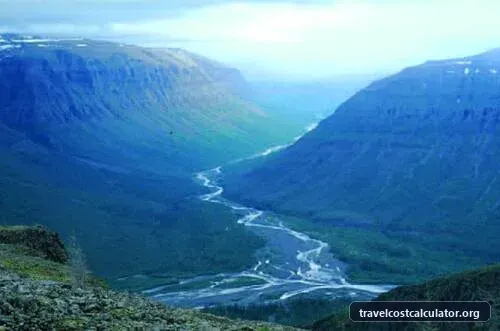
This site coincides with the area of the Putoransky State Nature Reserve, and is located in the central part of the Putorana Plateau in northern Central Siberia.
Putorana Plateau
🏛️ Overview & Historical Significance
Rising dramatically above the Arctic Circle in northern Central Siberia, the Putorana Plateau (Пutoransky Zapovednik) is one of the most pristine, rugged, and isolated mountain wildernesses remaining on Earth. Spanning over 1.8 million hectares within the 2.5-million-hectare Putoransky State Nature Reserve, this massive basalt tabletop landform was inscribed as a UNESCO World Heritage site in 2010 under criteria (vii) and (ix) for its superlative natural phenomena, breathtaking natural beauty, and undisturbed subarctic ecosystem processes.
Geologically, the plateau is a geological wonder formed approximately 252 million years ago during the Permian-Triassic extinction event. Massive mantle plume eruptions deposited layer upon layer of basaltic lava—a phenomenon known as the Siberian Traps. Over millions of years, tectonic uplifting and glacial erosion carved deep, fjord-like lake canyons and river valleys through thousands of meters of solid rock. Today, this unique landscape houses the highest concentration of waterfalls in Russia, including the 108-meter-tall Talnikovy Waterfall, as well as over 25,000 lakes that hold the second-largest reserve of fresh water in Russia after Lake Baikal.
Beyond its striking basalt step-canyons, the Putorana Plateau plays a vital ecological role. It marks a primary migration route for the Taimyr wild reindeer herd—the largest wild reindeer population in the world—and acts as the sole habitat for the endemic Putorana bighorn sheep (Ovis nivicola nivicola), which adapted to isolation here following the last Ice Age. Visiting this realm in 2026 offers rare access to a landscape virtually untouched by modern human industrial development.
🎟️ Entrance Fees, Opening Hours & Ticket Booking Tips
Visiting the Putorana Plateau is not a standard self-guided park trip. Due to its status as a strict state nature reserve (Zapovednik) and its location near border-restricted zones in Krasnoyarsk Krai, accessing the area requires official permits, advance regulatory clearances, and certified logistics.
Official Permits & Entry Fees (2026 Estimates)
-
✦
Putoransky Reserve Visitor Permit: ~300 RUB – 500 RUB (~$3.30 – $5.50 USD) per person per day. This environmental access permit is issued by the Federal State Institution "Zapovedniki Taimyra" headquartered in Norilsk.
-
✦
FSB Special Border Zone Permit (Crucial for Foreign Nationals): Free of charge, but mandatory for non-Russian passport holders entering Norilsk and surrounding zones. Processing takes 45 to 60 days and must be submitted through an accredited Russian tour operator.
-
✦
Helicopter & Expedition Air Permits: Built into organized expedition costs; independent landing authorizations require regional aviation and nature reserve clearance.
Opening Hours & Seasonal Operational Windows
While the reserve officially exists year-round, physical access is strictly dictated by extreme Arctic weather conditions:
-
✦
Summer Expedition Season (July 1 – August 31): Rivers and lakes thaw enough for hydrofoils, motorboats, and wilderness trekking under the 24-hour Midnight Sun.
-
✦
Winter Expedition Season (March 1 – April 30): Lakes freeze solid, allowing access via snowmobiles, hovercrafts, and heliskiing under stable winter sun and Northern Lights conditions.
-
✦
Shoulder Season Closures (May–June & September–October): Breakup and freeze-up periods make transport over ice or water impossible and highly dangerous; regular visitor access is suspended.
Booking Tips & Cost Realities for 2026
Because independent solo hiking inside the core reserve is legally restricted and logistically dangerous due to apex predators (brown bears) and zero cellular connectivity, over 95% of travelers enter via organized expeditions. A 7- to 10-day all-inclusive eco-expedition in 2026 ranges from 280,000 RUB to 650,000 RUB ($3,100 – $7,150 USD) per person, depending on whether transfer is by motorboat or MI-8 helicopter.
🚌 How to Get There & Local Transit Costs
Reaching the Putorana Plateau requires navigating multi-stage air, road, and water (or air-charter) routes starting from major transit hubs in Russia.
Step 1: Fly to Norilsk (Alykel Airport - NSK)
Norilsk is the northernmost industrial city in the world and the mandatory gateway for Putorana. Flight options into Alykel Airport (NSK) include:
-
✦
Moscow Travel Budget (SVO/DME) to Norilsk: Direct flights (approx. 4 hours 30 mins) via NordStar or S7 Airlines. 2026 round-trip airfare averages 35,000 RUB – 55,000 RUB ($385 – $605 USD).
-
✦
Krasnoyarsk (KJA) to Norilsk: Direct regional flights (approx. 2 hours 30 mins). Round-trip ticket costs 22,000 RUB – 38,000 RUB ($240 – $420 USD).
Step 2: Airport to Valek River Port (Norilsk Transit)
From Alykel Airport, take a local taxi or official transfer to the city of Norilsk or directly to the Valek River Boat Pier on the Norilskaya River (approx. 45–60 km):
-
✦
Pre-arranged Taxi / Private Minivan: 2,500 RUB – 4,000 RUB ($28 – $44 USD) one way.
-
✦
Public Bus #115 (Airport to Norilsk City): ~120 RUB ($1.30 USD), followed by a intra-city taxi to Valek Pier (~600 RUB / $6.60 USD).
Step 3: River Navigation or Helicopter to the Plateau
Once at Valek River Pier, access to Lake Lama (the main Western gateway to the plateau) begins:
-
✦
KS-100 Motorboat / Hydrofoil Transfer (Summer): Travels 80–100 km upstream via the Norilskaya and Muksun Rivers into Lake Lama (approx. 3 to 5 hours). Scheduled return transfers cost approximately 18,000 RUB – 28,000 RUB ($200 – $310 USD) per seat.
-
✦
MI-8 Helicopter Charter (Year-Round/Expedition): Direct air transfer from Valek Heliport straight to inner plateau bases or high-altitude canyons (approx. 45–60 minutes). Flight charter rates in 2026 run approximately 280,000 RUB – 360,000 RUB ($3,080 – $3,960 USD) per flight hour, usually Split Travel Budget among expedition groups of 10–12 passengers (~$260 – $350 USD per person per flight leg).
📸 Best Photography Spots & Insider Visit Hacks
Prime Photography Locations
-
✦
Lake Lama Canyons: Known as the "Siberian Fjords," where vertical basalt cliffs soar up to 1,000 meters straight out of glassy, deep blue waters. Frame shot reflections during early morning calm.
-
✦
Dulismar & Kandar Waterfalls: Dramatic multi-tiered cascades dropping down layered volcanic step-traps. Accessible via guided day hikes from eco-lodges along Lake Lama.
-
✦
Irkindsky (Kitabo-Oron) Waterfall: A spectacular 27-meter sheer drop located deep within the reserve along the Irkinda River valley, ideal for long-exposure landscape photography.
-
✦
Plateau Summit Tablelands: Reached via helicopter drop or steep multi-day scrambles, offering alien, tundra-covered basalt fields with sweeping panoramas of endless glacial valleys.
Insider Visit Hacks & Travel Logistics
-
✦
Best Time for Photography:
- July 10 – August 5: 24-hour daylight (Midnight Sun), raging meltwater streams, vibrant green tundra foliage, and fields of wild Arctic flora.
-
✦
August 20 – September 10: Autumn colors transform the larch forests into bright gold against dark basalt cliffs, with nightfall returning to bring the season's first Northern Lights (Aurora Borealis) over frozen peak reflections.
🏨 Nearby Accommodation & Daily Budget Allocation
Due to the extreme wilderness nature of the Arctic plateau, accommodation options range from basic city hotels in Norilsk to remote eco-lodges and expedition tent camps on Lake Lama.
Accommodation Options
-
✦
Norilsk City Base (Pre/Post Expedition): Hotel Polar Star (Полярная звезда) or Norilsk Hotel. Comfortable urban lodging with heating, Wi-Fi, and warm dining.
Cost: 7,500 RUB – 14,000 RUB ($83 – $154 USD) per night. -
✦
Lake Lama Eco-Lodges & Glamping: Eco-complexes such as Baza Lama, Territoria Putorana Lodge, or Putorana Park Base offer timber cabins, Russian banyas (saunas), full meal service, and guided motorboat excursions.
Cost: 20,000 RUB – 45,000 RUB ($220 – $495 USD) per night (all-inclusive per person). -
✦
Expedition Wilderness Camps: Four-season mountain tents set up along river corridors during multi-day trekking routes. Costs are integrated into master expedition packages.
Estimated Daily Budget Allocations (2026 Pricing)
1. Self-Organized Kayak/Trek Group (Shared Charter Cost)
-
✦
Accommodation: Backpacking Tents (Free after park permit fee)
-
✦
Food & Supplies: Freeze-dried meals bought in Norilsk: ~$25 USD / day
-
✦
Transit & Permits (Amortized): ~$140 USD / day (shared boat transport & permits)
-
✦
Total Daily Estimated Budget: $165 – $220 USD per day
2. Mid-Range Eco-Lodge & Boat Safari
-
✦
Accommodation & Meals: Lake Lama Lodge (Full Board): ~$320 USD / day
-
✦
Excursions: Daily guided motorboat canyon trips & hiking guides: ~$130 USD / day
-
✦
Permits & Logistics: Reserve permits & river transfers: ~$80 USD / day
-
✦
Total Daily Estimated Budget: $530 – $750 USD per day
3. Luxury Helicopter & Private Lodge Expedition
-
✦
Accommodation & Dining: VIP Cabin at Territoria Putorana: ~$600 USD / day
-
✦
Transit & Guided Safaris: Private MI-8 Helicopter charters, elite wilderness guides, satellite ops: ~$1,200 – $1,800 USD / day
-
✦
Total Daily Estimated Budget: $1,800 – $2,400+ USD per day
Frequently Asked Questions
Essential visitor FAQs for Putorana Plateau
What is the entrance fee for Putorana Plateau?
How much time do you need to explore Putorana Plateau?
How do I get to Putorana Plateau from the nearest city?
📊 Heritage Quick Specs
Visiting Russia on a Budget?
Calculate your full daily travel budget for Russia — including hotel costs, local transport, food, and sightseeing expenses.
View Russia Daily Travel Costs →Explore more UNESCO World Heritage Sites
🏛️ All 1,200+ Heritage Sites →