
 Iran
Prehistoric Sites of the Khorramabad Valley
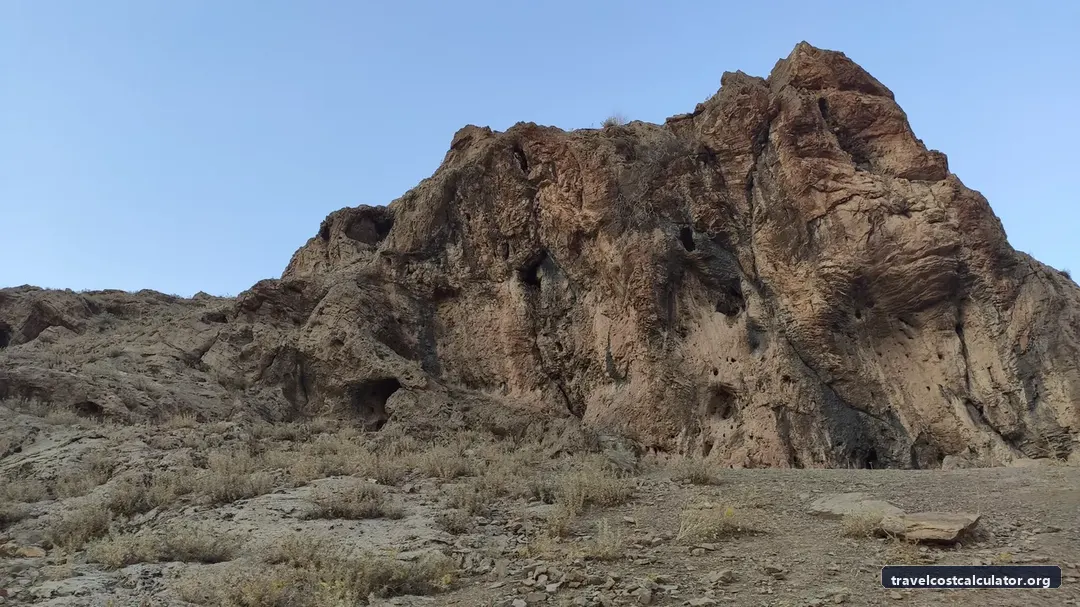
The prehistoric sites of the Khorramabad Valley include five caves and one rock shelter within a narrow ecological corridor rich in water, flora, and fauna.
Prehistoric Sites of the Khorramabad Valley
🏛️ Overview & Historical Significance
Nestled within the dramatic limestone karst of the central Zagros Mountains, the Prehistoric Sites of the Khorramabad Valley represent one of human civilization's most critical evolutionary corridors. Officially inscribed as a UNESCO World Heritage site in 2025, this breathtaking valley in western Iran's Lorestan Province provides an unbroken archaeological record spanning over 50,000 years of human survival, adaptation, and cultural development.
The valley acts as a natural bridge between the Levant, the Iranian Plateau, and Eurasia. It contains a dense concentration of Middle and Upper Paleolithic cave sites—most notably Yafteh Cave, Kunji Cave, Gilvaran Cave, Pasangar, and Arjeneh Shelter. Archaeological excavations carried out across these natural shelters have unearthed diagnostic stone tools, butchered animal bones, and early personal ornaments that document the crucial transition from Neanderthals (Mousterian culture) to early modern humans (Homo sapiens, associated with the early Baradostian lithic industry).
Dominating the center of this historic valley is the magnificent Sasanian-era fortress, Falak-ol-Aflak Castle. Perched atop a tall rocky crest in downtown Khorramabad, the castle overlooks the ancient cave-potted cliffside corridors and hosts the regional archaeology museum. This museum preserves key artifacts excavated directly from the surrounding caves, making Khorramabad an essential pilgrimage site for archaeology enthusiasts, culture travelers, and modern explorers seeking to trace humanity's earliest footprints in Western Asia.
🎟️ Entrance Fees, Opening Hours & Ticket Booking Tips
Navigating travel logistics in Iran requires clear financial planning due to specific local banking conditions. As of 2026, foreign credit cards (Visa, Mastercard, American Express) remain unfunctional across Iran due to international banking sanctions. Visitors must carry physical cash (US Dollars or Euros) to exchange locally or purchase a prepaid Iranian Tourist Card (such as MahCard or Daric Pay) upon arrival at Tehran Travel Budget Imam Khomeini International Airport (IKA) or major bank branches in Khorramabad.
2026 Estimated Entrance Fees
-
✦
Falak-ol-Aflak Citadel & Archaeology Museum (UNESCO Visitor Hub): Approximately 500,000 to 1,000,000 IRR ($5.00 – $10.00 USD / €4.50 – €9.00 EUR per non-Iranian visitor).
-
✦
Archaeological Cave Sites (Yafteh, Gilvaran, Kunji): Most cave natural reserves are open public land with no formal turnstiles. However, accessing designated heritage pathways or hiring local eco-guides at the base costs roughly 200,000 to 500,000 IRR ($2.00 – $5.00 USD).
Opening Hours & Access Protocols
-
✦
Falak-ol-Aflak Museum Complex: Open daily from 8:00 AM to 7:00 PM during Spring/Summer, and 8:00 AM to 5:00 PM in Autumn/Winter. (Closed on major national mourning holidays).
-
✦
Prehistoric Cave Trails: Best accessed from 8:00 AM until 4:00 PM (daylight hours only). Hiking cave trails after dark is strongly discouraged due to uneven terrain and lack of artificial lighting.
Insider Ticket Tip: You cannot pre-book tickets online via standard Western booking platforms. Purchase your tickets directly at the Falak-ol-Aflak ticket counter using your Tourist Debit Card or exact cash in Iranian Tomans/Rials. To visit specialized archaeological digs inside Yafteh or Gilvaran, arrange a local certified guide through the Lorestan Cultural Heritage, Handicrafts and Tourism Organization (ICHTO) office in Khorramabad.
🚌 How to Get There & Local Transit Costs
Khorramabad serves as the administrative capital of Lorestan Province and is the primary base for exploring the surrounding valley. Travelers typically enter Iran via Tehran before continuing south-west to Khorramabad.
1. Direct Domestic Flights (Tehran to Khorramabad)
The fastest route is flying from Tehran's Mehrabad Airport (THR) to Khorramabad Airport (KHD). Airlines such as Iran Air and Mahan Air operate select weekly flights.
-
✦
Flight Duration: Approximately 1 hour.
-
✦
Estimated Cost (2026): $35.00 – $60.00 USD one-way.
2. VIP Long-Distance Bus (Tehran / Isfahan Travel Budget to Khorramabad)
Comfortable VIP buses equipped with reclining seats and air conditioning depart regularly from Tehran's South Bus Terminal (Terminal-e Janoob) and Isfahan's Kaveh Terminal.
-
✦
From Tehran: 6 to 7 hours travel time | Cost: ~$6.00 – $10.00 USD (300,000 – 500,000 Tomans).
-
✦
From Isfahan: 5 hours travel time | Cost: ~$5.00 – $8.00 USD.
3. Local City Transit & Taxi Fares within Khorramabad
Getting around Khorramabad and reaching the cliffside caves requires local private taxis (known as Darbast) or the Iranian ride-hailing app, Snapp (the local equivalent of Uber, which requires an Iranian SIM card).
-
✦
City Center to Falak-ol-Aflak Castle: Accessible on foot or via a quick Snapp ride (~$1.00 – $2.00 USD).
-
✦
Khorramabad Center to Yafteh Cave Trailhead (12 km west): Private taxi round-trip including wait time costs approximately $8.00 – $15.00 USD.
-
✦
Full-Day Private Driver/Guide: Hiring a dedicated local driver for a full 8-hour loop visiting Yafteh, Gilvaran, and Kunji caves costs approximately $30.00 – $45.00 USD.
📸 Best Photography Spots & Insider Visit Hacks
Capturing the raw beauty of the Zagros range combined with human history requires strategic timing and proper equipment preparation.
Top Photography Locations
-
✦
Falak-ol-Aflak Citadel Ramparts: Shoot at late afternoon golden hour. The battlements offer panoramic views of the entire Khorramabad Valley, framed by dramatic limestone mountains.
-
✦
The Portal of Yafteh Cave: Position yourself inside the cave mouth looking outward. The natural rock arch creates a striking silhouette against the open valley floor below.
-
✦
Keibar Cave & Zagros Karst Slopes: Ideal for landscape photography during early spring when the valley carpet transforms into vibrant green pastures dotted with wild crown imperials (fritillaries).
Insider Visit Hacks for 2026
-
✦
Pack Proper Footwear & Lighting: Exploring the cave approaches requires sturdy trekking boots with good grip for loose scree and limestone slopes. Bring a high-lumens headlamp (at least 300 lumens) to safely inspect inner cave chambers; phone flashlights are insufficient.
-
✦
Optimal Weather Window: The absolute Best Time to Visit Planner is during Spring (April to May) when temperatures range between 18°C and 25°C (64°F–77°F) and the landscape is lush. Autumn (September to October) offers crisp, clear mountain skies. Avoid mid-summer (July–August) heat spikes above 38°C (100°F) and frozen winter mountain trails (January–February).
-
✦
Archaeological Ethics: The cave floors contain fragile stratigraphic layers. Stick strictly to established paths, do not touch cave paintings or rock walls, and leave all geological or prehistoric debris completely untouched.
🏨 Nearby Accommodation & Daily Budget Allocation
Khorramabad offers a range of accommodations, from traditional Persian eco-lodges to modern high-rise hotels overlooking the city's lakes.
Recommended Accommodation
-
✦
Budget (Eco-Lodges & Guesthouses): Shapouri Traditional House or local family-run guesthouses. Expect traditional architecture, courtyard gardens, and authentic regional hospitality. Cost: $18.00 – $30.00 USD per night (includes breakfast).
-
✦
Mid-Range Hotels: Saliz Hotel or Khatam Hotel Khorramabad. Clean, comfortable rooms with modern amenities, Wi-Fi, and private bathrooms near the city center. Cost: $35.00 – $60.00 USD per night.
-
✦
Luxury / Upper Mid-Range: Zagros Hotel Khorramabad (positioned atop Keio Hill overlooking Shohada Lake). Offers scenic views, high-end dining, and full service. Cost: $70.00 – $110.00 USD per night.
Dining & Culinary Costs
Lorestan's cuisine is renowned for hearty meat dishes and fresh regional mountain herbs. Be sure to try Kebab-e Boroujerdi (tender grilled lamb kebabs) and Khoresh Gheymeh Kadeh. A meal at a mid-range traditional restaurant costs between $4.00 and $8.00 USD per person.
Estimated Daily Budget Breakdowns (2026 Rates)
-
✦
Budget Backpacker: $25 – $40 USD / day (Hostel/eco-lodge, street food/local canteens, shared public transit/Snapp).
-
✦
Mid-Range Traveler: $65 – $110 USD / day (3-star hotel, private taxi charters to remote cave sites, full museum entries, sit-down traditional restaurants).
-
✦
Luxury Explorer: $150+ USD / day (Top-tier hotel, private English-speaking archaeological guide with vehicle, premium dining).
Frequently Asked Questions
Essential visitor FAQs for Prehistoric Sites of the Khorramabad Valley
What is the entrance fee for Prehistoric Sites of the Khorramabad Valley?
How much time do you need to explore Prehistoric Sites of the Khorramabad Valley?
How do I get to Prehistoric Sites of the Khorramabad Valley from the nearest city?
📊 Heritage Quick Specs
Visiting Iran on a Budget?
Calculate your full daily travel budget for Iran — including hotel costs, local transport, food, and sightseeing expenses.
View Iran Daily Travel Costs →Explore more UNESCO World Heritage Sites
🏛️ All 1,200+ Heritage Sites →