
 Italy
Prehistoric Pile Dwellings around the Alps
This serial property of 111 small individual sites encompasses the remains of prehistoric pile-dwelling (or stilt house) settlements in and around the Alps built from around 5000 to 500 B.C.
Prehistoric Pile Dwellings around the Alps
🏛️ Overview & Historical Significance
Stretching across the shadow of the European Alps, the Prehistoric Pile Dwellings around the Alps represent one of the most intriguing and scientifically rich UNESCO World Heritage designations on Earth. Inscribed by UNESCO in 2011, this transboundary site comprises 111 individual archaeological locations scattered across six Alpine nations (Switzerland, Italy, Germany, France, Austria, and Slovenia). Italy is home to 19 of these extraordinary underwater and marshland sites, clustered predominantly around northern Italy’s glacial lakes, peat bogs, and river basins in the regions of Trentino-Alto Adige, Lombardy, Veneto, and Friuli Venezia Giulia.
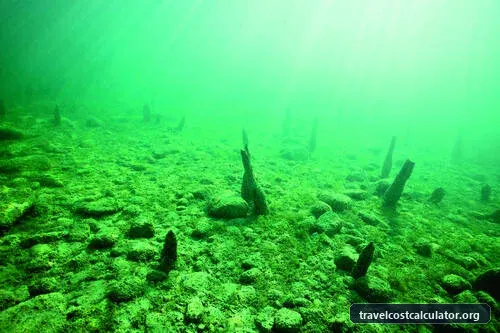
Constructed between 5000 BCE and 500 BCE (spanning the Neolithic, Copper, Bronze, and early Iron Ages), these stilt-house settlements were erected over shallow lake waters, marshlands, and flood-prone riverbanks. The waterlogged, oxygen-deprived (anaerobic) soil created a miraculous natural preservation chamber. While typical prehistoric land sites leave behind only stone tools and pottery sherds, the Alpine pile dwelling sites have preserved delicate organic matter: timber posts, wooden wheels, woven linen textiles, basketry, canoe paddles, and even 4,000-year-old preserved prehistoric bread crusts and carbonized food stores.
For modern travelers visiting Italy in 2026, the primary epicenters to experience these UNESCO treasures up close are in Trentino and around Lake Garda:
-
✦
Museo delle Palafitte del Lago di Ledro (Molina di Ledro, Trentino): A world-famous lakeside open-air museum featuring full-scale, reconstructed Bronze Age stilt houses built directly over the crystal-clear waters of Lake Ledro.
-
✦
Parco Archeologico e Museo delle Palafitte di Fiavé (Trentino): An ancient peat bog site featuring an immersive elevated catwalk through the original post fields where thousands of 4,000-year-old spruce and larch piles remain anchored in the earth, complemented by an interactive visitor park.
-
✦
Lake Garda Basin Sites (Lombardy & Veneto): Key underwater sites such as Lavagnone (Desenzano del Garda), Belvedere/Frassino (Peschiera del Garda), and San Sivino, whose excavated bronze weaponry, gold artifacts, and ceremonial pottery are displayed in regional archaeological museums.
🎟️ Entrance Fees, Opening Hours & Ticket Booking Tips (2026 Estimates)
Visiting the main accessible Italian pile dwelling sites is remarkably affordable. Because most of the actual original structural piles remain submerged or buried underground for conservation, visitor activities center around the open-air archaeological parks, interactive museums, and reconstructed villages.
1. Museo delle Palafitte del Lago di Ledro (Molina di Ledro)
This is the most iconic visitor destination, offering reconstructed pile houses on stilts over Lake Ledro.
-
✦
Adult Ticket: €8.00 (~$8.70 USD)
-
✦
Concession (Seniors 65+, Students under 26): €5.00 (~$5.45 USD)
-
✦
Youth (Under 15): Free
-
✦
Family Pass (2 Adults + Children): €16.00 (~$17.40 USD)
-
✦
Opening Hours (2026 Season):
- March to June: 9:00 AM – 5:00 PM (Closed Mondays)
-
✦
July & August: 10:00 AM – 6:00 PM (Open daily)
-
✦
September to November: 9:00 AM – 5:00 PM (Closed Mondays)
-
✦
December to February: Open primarily for groups/guided tours by reservation.
2. Museo & Parco Archeologico delle Palafitte di Fiavé
This site is Split Travel Budget between the town museum in Fiavé and the outdoor archaeological park at the Carera peat bog (a 15-minute scenic walk apart).
-
✦
Combined Museum + Archaeological Park Ticket: €8.00 (~$8.70 USD)
-
✦
Concession Ticket: €5.00 (~$5.45 USD)
-
✦
Youth (Under 15): Free
-
✦
Opening Hours (2026 Season): Park open daily from April to October (10:00 AM – 6:00 PM in peak summer). Museum open year-round with reduced winter hours.
3. Museo Archeologico RAMO - Desenzano del Garda (Lake Garda Finds)
Houses premier artifacts excavated from the Lavagnone pile dwelling site, including the world’s oldest preserved wooden plow.
-
✦
Adult Ticket: €5.00 (~$5.45 USD)
-
✦
Concession / Reduced: €3.00 (~$3.25 USD)
💡 Insider Money-Saving Hack for 2026
If you stay at least one night in a participating hotel, B&B, or campsite in the Trentino region, ask your host for the official Trentino Guest Card. In 2026, this card is provided 100% free to overnight guests and includes free admission to both the Ledro and Fiavé Museums/Parks, plus unlimited free travel on all Trentino Trasporti regional buses and trains!
🚌 How to Get There & Local Transit Costs
The primary gateway cities for northern Italy's pile dwelling routes are Verona, Trento, and Milan. Transport options range from regional trains to mountain buses and self-drive routes.
Option A: Transit to Lake Ledro & Fiavé via Rovereto / Riva del Garda
-
✦
Step 1 (Train to Rovereto): Take an Trenitalia regional or Frecciarossa train from Verona Porta Nuova to Rovereto (35-45 minutes; €7.50 to €15.00 / $8.15 - $16.30 USD).
-
✦
Step 2 (Bus to Riva del Garda): Outside Rovereto station, catch Trentino Trasporti Bus Line 301 to Riva del Garda (40 minutes; €3.50 / $3.80 USD).
-
✦
Step 3 (Bus to Molina di Ledro or Fiavé):
- For Lake Ledro: Board Bus Line 214 from Riva del Garda to Molina di Ledro (20 minutes; €2.50 / $2.70 USD).
-
✦
For Fiavé: Board Bus Line 211 from Riva del Garda to Fiavé (45 minutes; €3.30 / $3.60 USD).
Option B: Transit to Lake Garda Sites (Desenzano / Peschiera)
Direct Trenitalia trains run frequently between Milan Central / Verona and Desenzano del Garda-Sirmione or Peschiera del Garda. Regional train fare from Verona is ~€5.00 ($5.45 USD, 20 mins); from Milan, ~€10.50 ($11.40 USD, 60 mins). Local city buses reach the archaeological museums for under €2.00.
Option C: Rental Car (Recommended for Multi-Site Exploration)
Renting a car in Verona, Trento, or Brescia offers maximum flexibility to explore multiple UNESCO pile dwelling locations in a single day. Average rental car cost in 2026: €35.00 – €65.00 per day ($38.00 - $70.00 USD) plus toll and fuel. Parking at Molina di Ledro costs approximately €1.50/hour during summer months.
📸 Best Photography Spots & Insider Visit Hacks
Top Photography Angles
-
✦
Lake Ledro Stilt House Boardwalk: Frame the reconstructed thatched timber huts against the turquoise mountain waters of Lake Ledro at golden hour (around 6:30 PM in mid-summer).
-
✦
Fiavé Peat Bog Catwalk: Shoot from the start of the elevated wooden pathway overlooking the original submerged post forest sticking up through the marshland reeds, framed by the Italian Alps in the background.
-
✦
Interior Life Reconstructions (Ledro Museum): Capture detailed macro shots of handcrafted prehistoric weaving tools, clay hearths, and thatched ceilings illuminated by ambient warm gallery lighting.
Insider Visit Hacks & Crowd Avoidance
-
✦
Visit Seasonality: The ideal months are May, June, and September. July and August bring dense crowds of alpine vacationers and school summer camps, particularly to Lake Ledro.
-
✦
Participate in Living History Workshops: During July and August afternoons, the Ledro Open-Air Museum hosts live experimental archaeology workshops. Adults and kids can try ancient flint-knapping, weaving on prehistoric looms, copper casting, and fire-making.
-
✦
Combine Ledro & Fiavé in One Day: The two flagship sites are only a scenic 30-minute mountain drive apart (via SS240 and SP37). Start at Fiavé in the morning when the light over the peat bog is crisp, eat a rustic alpine lunch, and spend the afternoon by Lake Ledro.
🏨 Nearby Accommodation & Daily Budget Allocation
Travelers exploring these ancient UNESCO sites can choose between charming alpine villages in the Ledro Valley, scenic lakeside towns around Riva del Garda, or historical resort bases on Lake Garda.
Accommodation Options (2026 Rates)
-
✦
Budget Range (€35 – €65 / $38 – $70 USD per night): Campsites along Lake Ledro (e.g., Camping Al Sole) or youth hostel dorms in Riva del Garda (Hostel Riva del Garda). Perfect for backpackers and hikers.
-
✦
Mid-Range (€90 – €160 / $98 – $174 USD per night): Traditional mountain guesthouses (Alberghi) or family-run B&Bs in Molina di Ledro or Fiavé village (e.g., Hotel Garden Molina, Bed & Breakfast Maso Villa Welsperg). Includes free Trentino Guest Card.
-
✦
Luxury / Boutique (€220 – €450+ / $240 – $490+ USD per night): Premium waterfront resorts in Riva del Garda or Desenzano del Garda featuring spa facilities, private lake access, and fine dining.
Daily Budget Allocation Table (2026 Estimates)
| Expense Category | Budget Backpacker | Mid-Range Traveler | Luxury Traveler |
|---|---|---|---|
| Accommodation | €40.00 ($43 USD) | €110.00 ($120 USD) | €300.00 ($326 USD) |
| Food & Dining | €20.00 ($22 USD) | €45.00 ($49 USD) | €120.00 ($130 USD) |
| Transport | €0.00 (with Guest Card) | €15.00 ($16 USD) | €60.00 (Car + Private Park) |
| Attraction Tickets | €0.00 (with Guest Card) | €13.00 ($14 USD) | €25.00 ($27 USD) |
| Total Estimated Daily Cost | €60.00 (~$65 USD) | €183.00 (~$199 USD) | €505.00 (~$549 USD) |
Local Culinary Highlights
Do not leave the area without trying authentic local dishes: Polenta di Storo (made from locally ground yellow cornmeal cooked with mountain butter), Salmerino del Trentino (fresh mountain lake trout cooked with aromatic herbs), and regional craft Alpine beers or Trentodoc sparkling wines.
Frequently Asked Questions
Essential visitor FAQs for Prehistoric Pile Dwellings around the Alps
What is the entrance fee for Prehistoric Pile Dwellings around the Alps?
How much time do you need to explore Prehistoric Pile Dwellings around the Alps?
How do I get to Prehistoric Pile Dwellings around the Alps from the nearest city?
📊 Heritage Quick Specs
Visiting Italy on a Budget?
Calculate your full daily travel budget for Italy — including hotel costs, local transport, food, and sightseeing expenses.
View Italy Daily Travel Costs →Explore more UNESCO World Heritage Sites
🏛️ All 1,200+ Heritage Sites →