
 Morocco
Portuguese City of Mazagan (El Jadida)
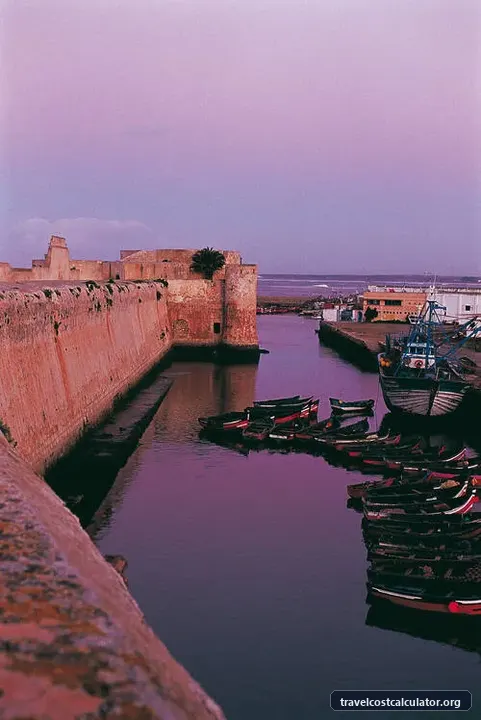
The Portuguese fortification of Mazagan, now part of the city of El Jadida, 90-km southwest of Casablanca, was built as a fortified colony on the Atlantic coast in the early 16th century.
Portuguese City of Mazagan (El Jadida)
🏛️ Overview & Historical Significance
Standing resolutely against the surging Atlantic tides on Morocco’s western coast, the Portuguese City of Mazagan (El Jadida) represents one of the most remarkable military architectural achievements of the early Renaissance. Designated as a UNESCO World Heritage site in 2004, Mazagan offers an extraordinary tangible record of the cultural exchange between European fortress design and Islamic spatial organization during the Age of Discovery.
Constructed by the Portuguese in 1502 as a fortified trading post (and expanded into a star-shaped fortress in 1541 by architects João Ribeiro and Juan Castillo), Mazagan served as a critical maritime waypoint along the trade route to India and Brazil. Unlike typical medieval castles, Mazagan was designed specifically to withstand artillery warfare. Its thick, angled bastions—most notably the Bastion de l'Ange, Bastion St. Sébastien, and Bastion du Saint-Esprit—pioneered modern Renaissance military engineering.
The Portuguese occupied the citadel for over two centuries until 1769, when Sultan Mohammed ben Abdallah besieged the city. Before evacuating by sea to Brazil (where they founded "Nova Mazagão"), the Portuguese mined the ramparts, causing heavy explosions upon departure. The city lay dormant for decades, earning the local moniker El-Mahdouma ("The Ruined"), until it was rebuilt in the mid-19th century by Sultan Abd al-Rahman and renamed El Jadida ("The New One"). UNESCO recognized the site not only for its exceptionally preserved defensive walls and iconic underground cistern, but also for its seamless integration of Portuguese Manueline stonework with late-nineteenth-century Moroccan domestic architecture.
🎟️ Entrance Fees, Opening Hours & Ticket Booking Tips
Exploring the open air streets, quiet alleys, and fortified perimeter of the Cité Portugaise is free to the public. However, accessing the key historical monuments—most notably the famous Portuguese Cistern (Citerne Portugaise) and the upper ramparts—requires paid admission managed by Morocco's Ministry of Culture.
-
✦
International Adult Ticket: 70 MAD (~$7.00 USD / €6.50)
-
✦
Moroccan Citizens & Resident Adults: 15 MAD (~$1.50 USD)
-
✦
Children (under 12): 30 MAD (~$3.00 USD) for international visitors; 5 MAD for locals.
-
✦
Guided Historical Tour (Optional On-Site Guide): 150 – 200 MAD (~$15 – $20 USD) for a private 45-minute tour of the citadel and history museum.
Opening Hours & Logistics
The historical complex operates on the following schedule throughout 2026:
-
✦
Daily Hours: 09:00 AM to 06:30 PM (Ticket desk closes at 06:00 PM).
-
✦
Ramadan Schedule: Hours are typically shortened to 09:30 AM – 04:30 PM during the holy month.
-
✦
Payment Method: Cash (Moroccan Dirham - MAD) is strongly preferred at the local ticket window. Credit card terminal processing can be inconsistent due to network dropouts inside the fortress walls. Keep small dirham bills handy.
-
✦
Booking Tips: Pre-booking online is generally unavailable for this site. To experience the cistern without crowds, buy your ticket right when the doors open at 09:00 AM or during lunch hours (1:00 PM – 2:30 PM) when tour buses from Casablanca clear out.
🚌 How to Get There & Local Transit Costs
El Jadida is located roughly 90 kilometers south of Casablanca, making it an ideal day trip or overnight escape from Morocco's commercial capital.
1. Arriving by Train from Casablanca (Recommended)
The national rail operator ONCF runs direct trains from Casablanca's main stations (Casablanca Voyageurs and Casablanca Oasis) to El Jadida daily.
-
✦
Travel Time: Approximately 1 hour 25 minutes.
-
✦
Frequency: Trains depart roughly every 2 hours.
-
✦
2nd Class Fare: 45 MAD – 50 MAD (~$4.50 – $5.00 USD) one-way.
-
✦
1st Class Fare: 70 MAD – 85 MAD (~$7.00 – $8.50 USD) one-way (offers reserved seating and air conditioning).
2. Taking a Grand Taxi or CTM Bus
-
✦
Grand Taxi (Shared): Shared taxis leave frequently from Casablanca's Gare Routière Oulad Ziane or near the South Errahma junction. Expect to pay around 50 MAD – 60 MAD (~$5.00 – $6.00 USD) per seat.
-
✦
CTM Bus: Intercity CTM buses operate clean, air-conditioned routes between Casablanca and El Jadida central bus station for approximately 45 MAD (~$4.50 USD).
3. Getting from El Jadida Train Station to the Citadel
The train station is situated about 3.5 kilometers south of the historic center.
-
✦
Petit Taxi (Red Taxis): Hail a red city taxi right outside the station. Demand the driver switch on the meter (compteur). A ride to the entrance of the Cité Portugaise costs around 10 MAD to 15 MAD (~$1.00 – $1.50 USD).
-
✦
Walking: If you enjoy coastal walks, the stroll along the beachfront promenade (Avenue Hassan II) takes roughly 35 to 40 minutes.
📸 Best Photography Spots & Insider Visit Hacks
Prime Photography Locations
-
✦
The Portuguese Cistern (Citerne Portugaise): World-famous for its dramatic vaulted ceiling supported by 25 stone pillars and a central circular skylight (oculus). The thin sheet of water covering the floor creates a mirror reflection of the Gothic architecture. Camera tip: Bring a camera with strong low-light ISO performance and wide aperture lenses (f/1.8 or f/2.8). Tripods are occasionally restricted without permits; use steady handheld shots. (Film trivia: Orson Welles filmed scenes for his 1951 classic Othello here).
-
✦
Bastion de l'Ange (Angel Bastion): Climb up to the northwestern ramparts for panoramic views over the Atlantic Ocean, the fishing harbor, and the dramatic wave-breaks against the stone fortifications.
-
✦
Rue de la Quarantaine & Rue de Cintra: Atmospheric, narrow cobblestone streets bordered by whitewashed walls with Portuguese-blue doors, wrought-iron balconies, and climbing bougainvillea.
Insider Visit Hacks
-
✦
Check Cistern Maintenance Status: Water levels in the cistern are periodically drained or adjusted for preservation. Check with local tourism booths or your hotel concierge upon arrival to confirm full water reflection conditions.
-
✦
Combine with the Port Sardine Market: Located right outside the northern wall of the fortress is El Jadida’s bustling fishing port. Visit around 11:00 AM to see fishermen unloading daily catches of sardines, sea bass, and octopus, then head to the casual stalls nearby for freshly grilled seafood cooked over charcoal for pennies.
-
✦
Respectful Footwear: The rampart stones and historic street paving inside the fort can be uneven and slick from salt mist. Wear sturdy sneakers or closed-toe walking shoes.
🏨 Nearby Accommodation & Daily Budget Allocation
El Jadida offers a pleasant contrast to high-octane tourist hubs like Marrakech Travel Budget. Staying overnight inside or directly adjacent to the historic fortress walls allows you to experience the silent, moody streets after day-tripper crowds return to Casablanca.
Accommodation Options
-
✦
Budget ($25 – $45 USD / night): Maison d'Hôtes de la Cité Portugaise or local guesthouses inside the historic walls. Clean, simple rooms featuring traditional tilework and rooftop terraces overlooking the port.
-
✦
Mid-Range ($70 – $130 USD / night): Riad Le Mazagao or Hotel La Place. Authentic restored merchant riads offering inner courtyards, traditional Moroccan breakfasts, modern amenities, and sea-view terraces.
-
✦
Luxury ($200 – $400+ USD / night): Mazagan Beach & Golf Resort. Located 15 minutes north of the city center, this sprawling 5-star resort features an 18-hole Gary Player golf course, a casino, luxury spa facilities, and fine dining restaurants along a private oceanfront beach.
Estimated Daily Budget (Per Person)
Plan your travel expenses based on the following breakdown:
-
✦
Backpacker / Low-Cost Traveler: $35 – $50 USD (350 – 500 MAD) per day
- Hostel/Guesthouse bed: $25
-
✦
Street food meals & grilled sardines at port: $12
-
✦
Monument tickets & local transport: $10
- Charming Riad stay: $50 (per person, twin share)
- 5-star resort/boutique suite: $250+
Frequently Asked Questions
Essential visitor FAQs for Portuguese City of Mazagan (El Jadida)
What is the entrance fee for Portuguese City of Mazagan (El Jadida) in 2026?
How much time do you need to explore Portuguese City of Mazagan (El Jadida)?
How do I get to Portuguese City of Mazagan (El Jadida) from Casablanca?
📊 Heritage Quick Specs
Visiting Morocco on a Budget?
Calculate your full daily travel budget for Morocco — including hotel costs, local transport, food, and sightseeing expenses.
View Morocco Daily Travel Costs →Explore more UNESCO World Heritage Sites
🏛️ All 1,200+ Heritage Sites →